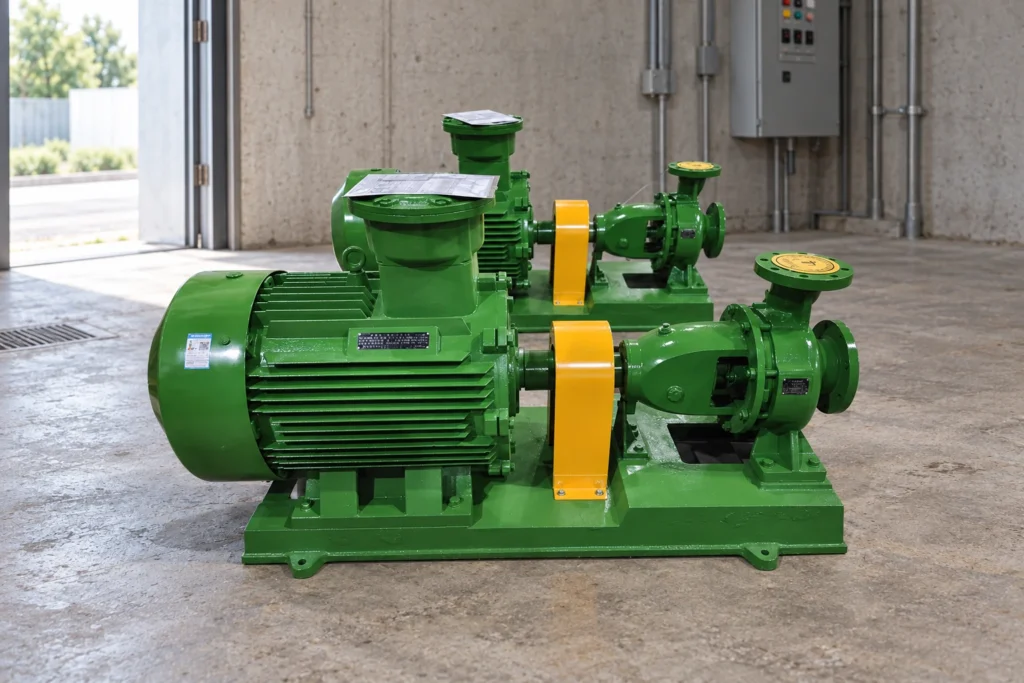
End Suction Pumps: Working Principle, Selection and Project Checks
Understand end suction pumps and select them using duty point, system curve, suction conditions, materials, motor, alignment and commissioning data.

Newsroom
Recent updates from Borra covering product delivery, technical applications and market-side project stories.
Understand end suction pumps and select them using duty point, system curve, suction conditions, materials, motor, alignment and commissioning data.
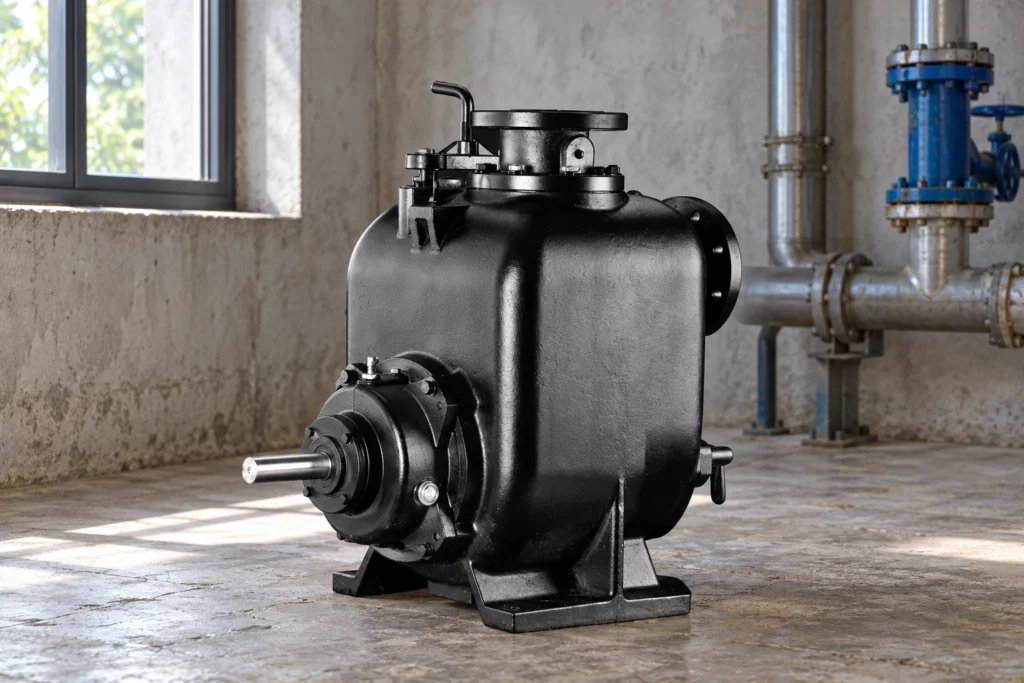
A submersible dewatering pump is selected by matching the required drawdown flow, total dynamic head, solids and abrasiveness, minimum operating depth, cable and power supply, and the site's duty cycle. It should not be chosen from outlet size or motor power alone. Establish how fast water enters, where it can legally discharge, and how the water level and hose route will change. Then plot normal and worst-case duties on a certified pump curve, verify motor loading and cooling, and specify level controls,...
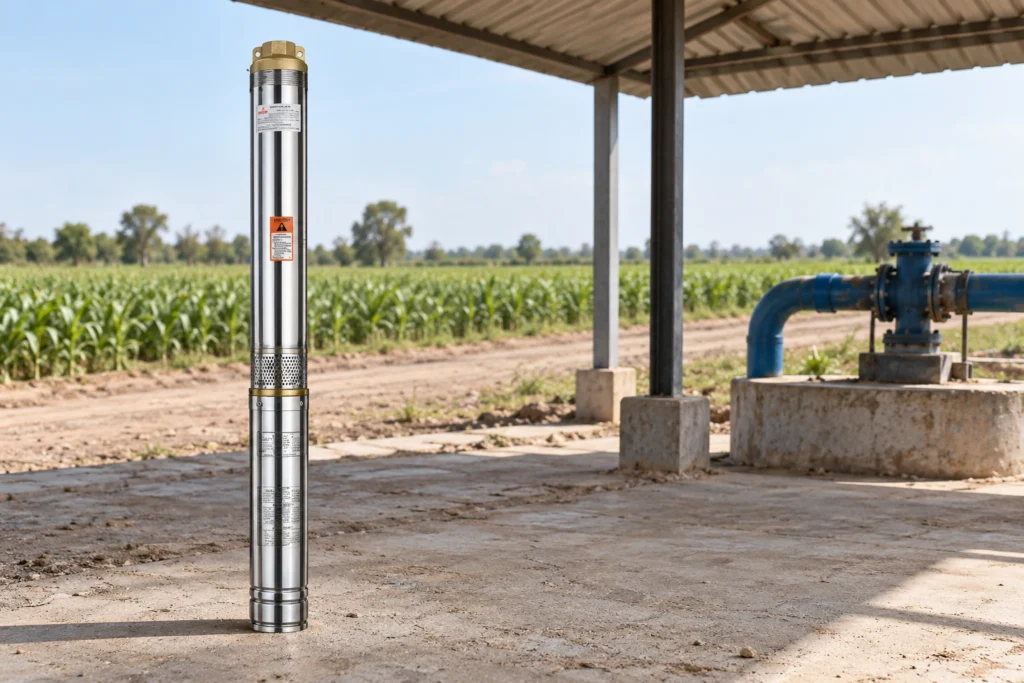
Compare types of well pumps by pumping water level, flow, head, casing, yield, water quality, power, installation and maintenance access.
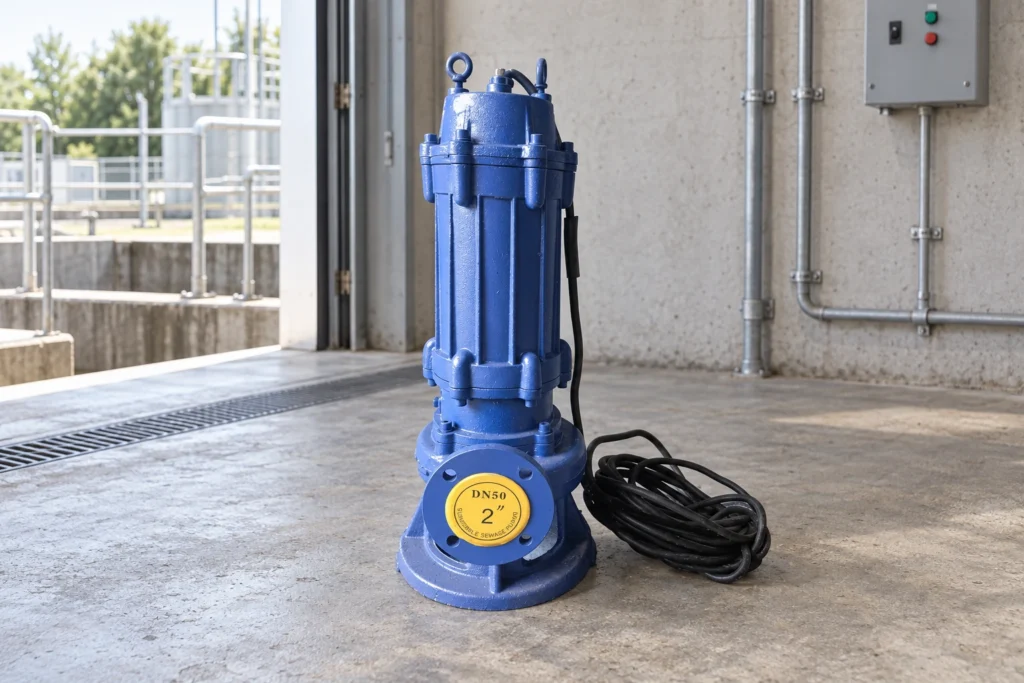
Select a pump for septic tank service using liquid stage, flow, head, solids, chamber levels, controls, alarms, access and commissioning checks.
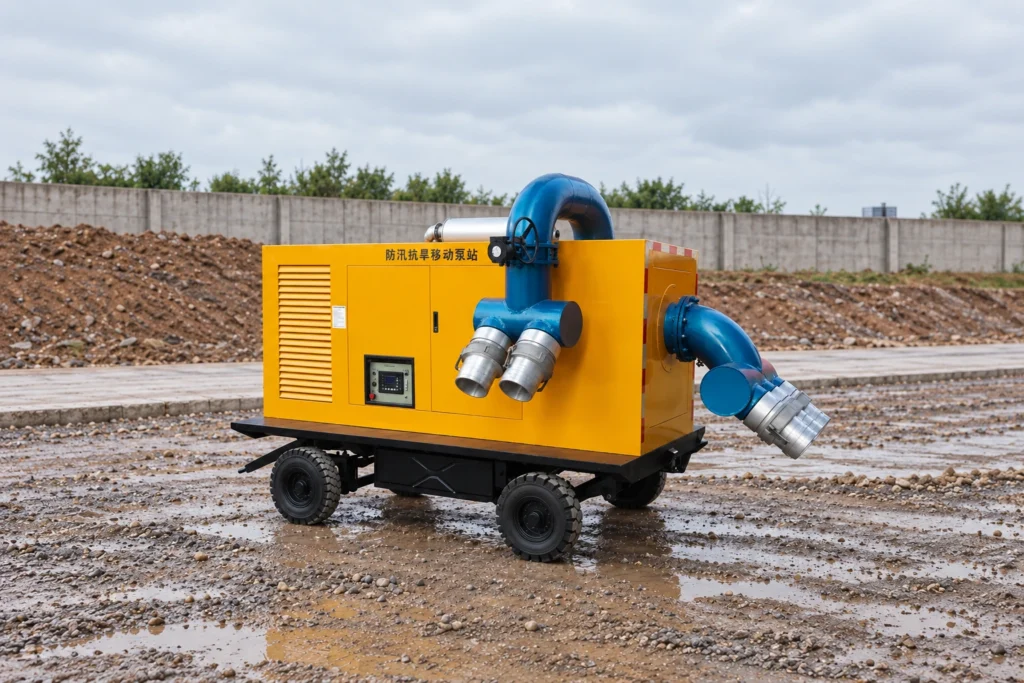
Select and set up a trailer-mounted dewatering pump using flow, head, solids, priming, hoses, towing, excavation safety and discharge controls.
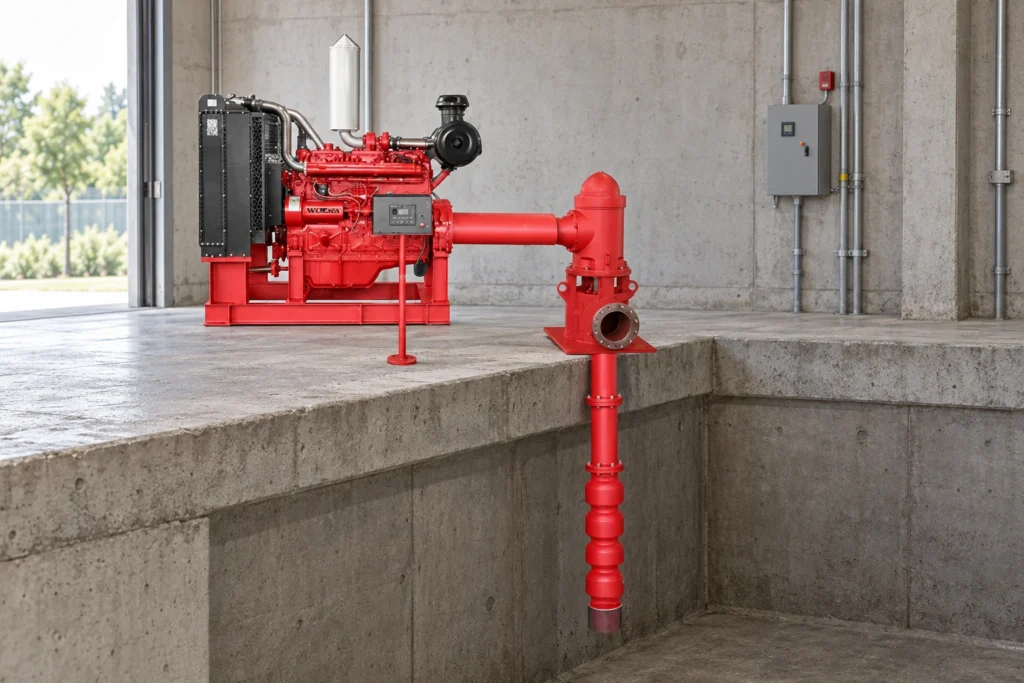
Select a vertical turbine fire pump using fire-water duty, source levels, intake geometry, bowl setting, driver, controller, testing and approval requirements.
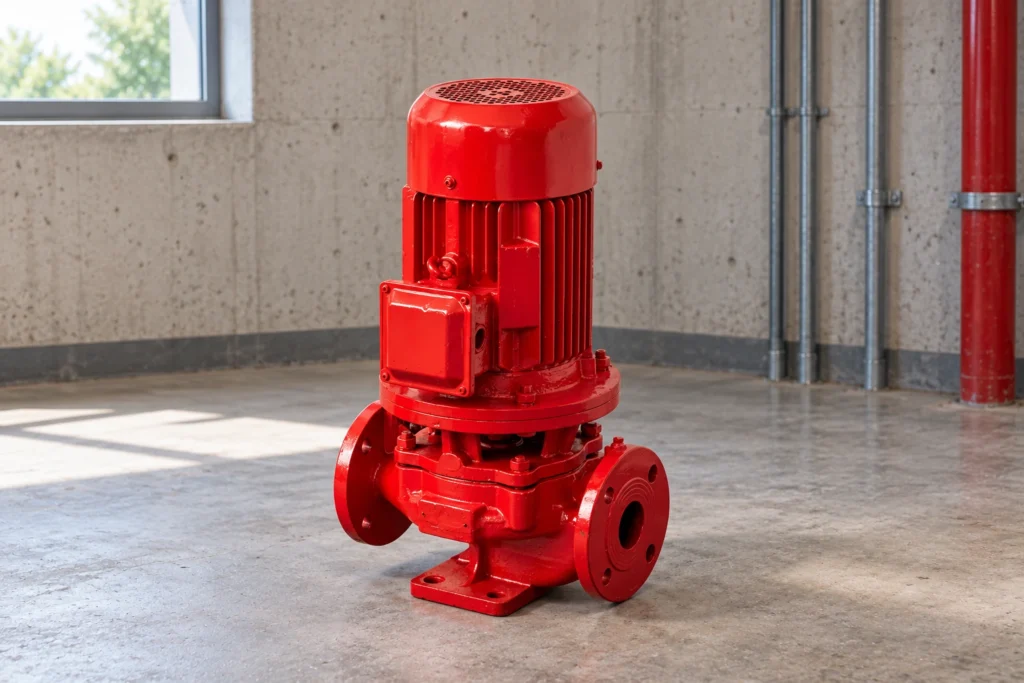
Compare inline and end suction pumps by hydraulic fit, floor space, suction piping, foundation, service access, energy and lifecycle requirements.
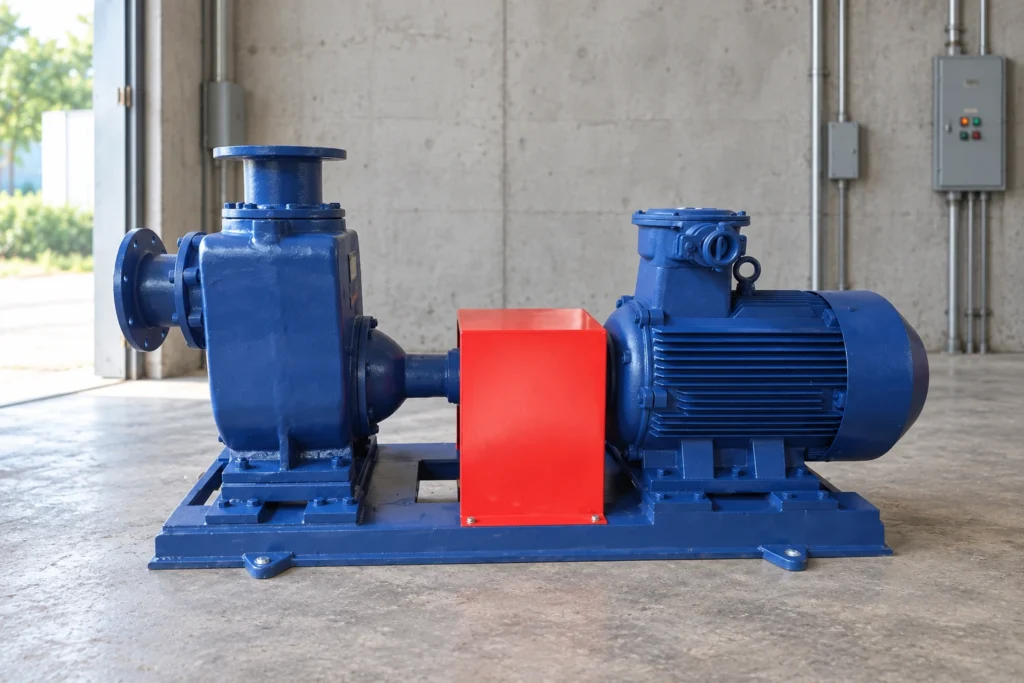
A self-priming oil transfer pump should be selected from the actual liquid and transfer system, not from a generic fuel label. Identify every product to be handled, density, viscosity at minimum and maximum temperature, vapor pressure or volatility, solids, lubricity, corrosiveness, flash-point information, required flow, static lift, pipe losses, discharge pressure, duty cycle, hazardous-area classification, seal requirements, and cleaning or changeover method. Self-priming describes the pump's ability to evacuate air from a correctly arranged suction line after initial filling; it does not...