
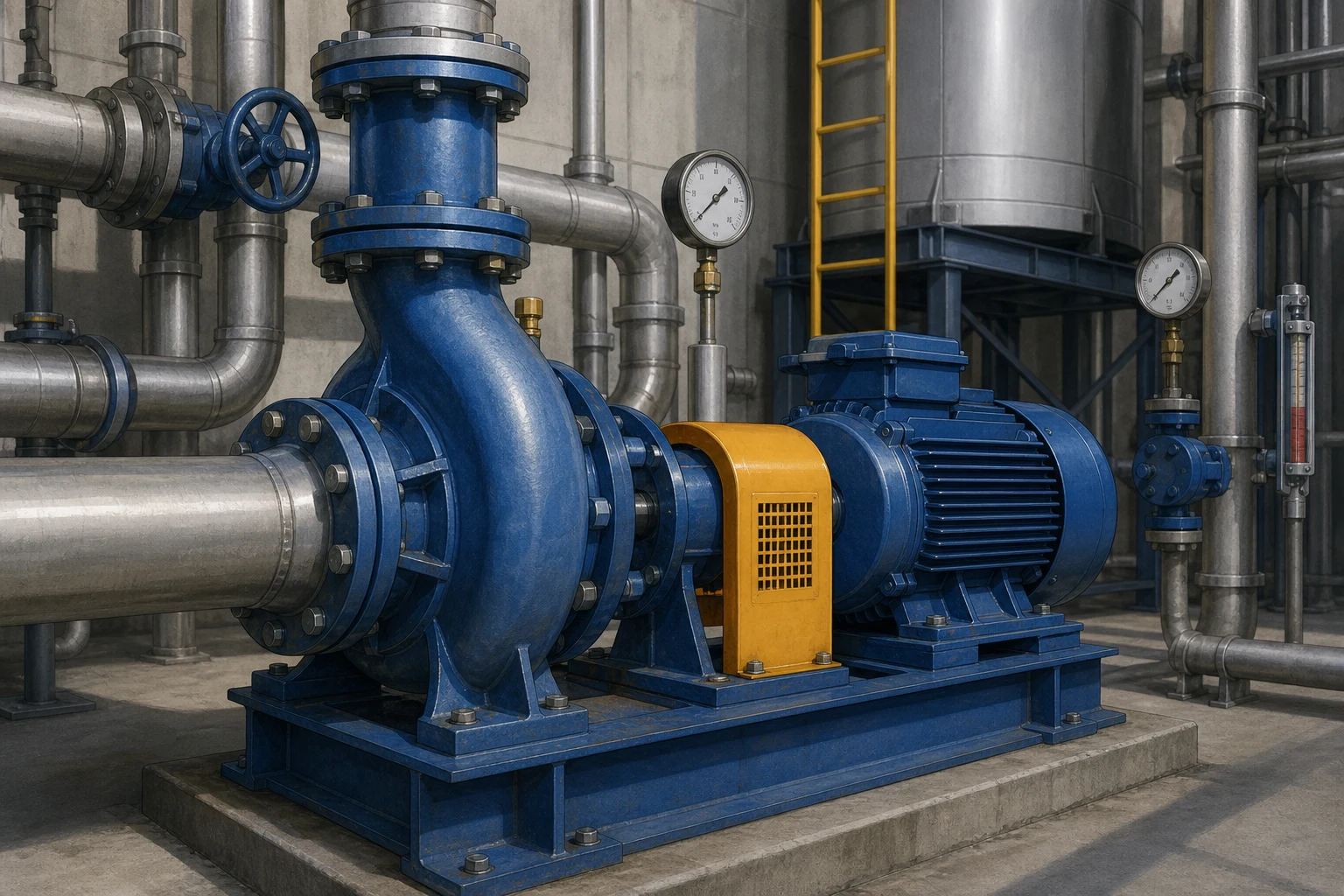
1. What is a Water Transfer Pump?
A **water transfer pump** is designed primarily for moving water from one location to another. These pumps are typically used in applications such as irrigation, construction dewatering, and water supply transfer.
They operate at lower pressures and are ideal for transferring large volumes of water quickly and efficiently.
2. What is a Booster Pump?
A booster pump is specifically designed to increase the pressure of water in a system. It is commonly used in applications where higher pressure is needed to deliver water to various points, such as in high-rise buildings or irrigation systems.
These pumps are essential for overcoming pressure losses in long piping systems or when water needs to be delivered at a higher elevation.
3. Key Differences Between the Two Pumps
The primary difference between a water transfer pump and a booster pump lies in their intended purpose. A **water transfer pump** focuses on volume movement, while a booster pump concentrates on pressure enhancement.
Additionally, water transfer pumps are generally less complex and more cost-effective for large-scale water movement, whereas booster pumps are engineered for specific pressure requirements.
4. When to Use Each Pump
Choose a **water transfer pump** when your project requires moving large quantities of water without significant pressure demands. Ideal scenarios include construction sites or temporary water supply needs.
Opt for a booster pump when you need to maintain or increase water pressure in a system, particularly in applications involving long distances or high-rise installations.
5. Conclusion
Selecting the right pump for your application is crucial for efficiency and performance. Understanding the differences between a **water transfer pump** and a booster pump will help you make an informed decision.
Always consider the specific requirements of your project, including the volume of water to be moved and the pressure needed at the discharge point.
FAQ
What applications are best suited for water transfer pumps?
Water transfer pumps are ideal for irrigation, construction dewatering, and transferring water for temporary supply needs.
Can a booster pump be used for water transfer?
While a booster pump can move water, it is primarily designed to increase pressure rather than transfer large volumes efficiently.
What factors should I consider when choosing a pump?
Consider the volume of water to be moved, the required pressure, and the specific application needs to select the appropriate pump.
Are water transfer pumps energy-efficient?
Yes, water transfer pumps are generally designed for efficiency, especially in applications requiring large volumes of water.
How do I maintain my water transfer pump?
Regular maintenance includes checking seals, cleaning filters, and ensuring the pump is free from debris to maintain optimal performance.
What is the typical lifespan of a booster pump?
The lifespan of a booster pump can vary, but with proper maintenance, they typically last several years in industrial applications.
References
- https://borrapumps.com/water-transfer-pumps
- https://borrapumps.com/booster-pumps
- https://borrapumps.com/pump-selection-guide
Need pump selection support? Share your flow, head and project details with BORRA through the Contact Us page.