
The phrase sewage does not define one liquid. Start with the stream arriving at the pump: solid types, fibrous material, rags, grease, temperature range, chemistry, and how those conditions vary.
Direkte Antwort
Sewage pump solids handling is selected from the actual stream at the pump, the installation and service arrangement, and the manufacturer’s verified data for a specific model rather than a generic solids label. Dies ist eine B2B-Projektrevisionshilfe für Auftragnehmer, Ingenieure, Händler, Betreiber und Beschaffungsteams. Sie ersetzt weder verantwortungsvolle Ingenieursleistungen, Baustellenverfahren noch behördliche Vorgaben oder die Herstellerdokumentation für die gelieferten Geräte.
Part 1. Describe the Stream at the Pump
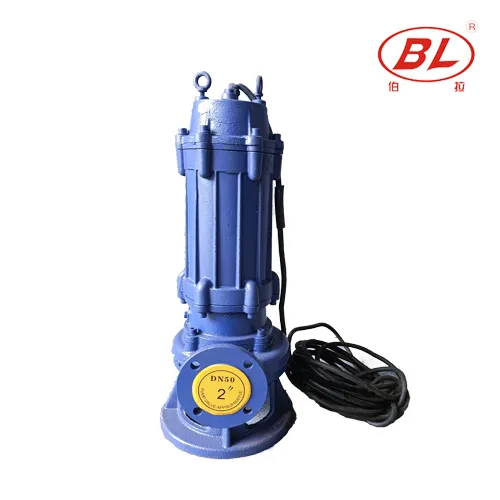
The phrase sewage does not define one liquid. Start with the stream arriving at the pump: solid types, fibrous material, rags, grease, temperature range, chemistry, and how those conditions vary. Describe it at the pump location, not at an upstream source where screening or settling may have changed the material. This record gives the project team a defensible basis for discussing feasible pump families.
Part 2. Ask What the Design Must Pass
Solids handling is a property of a particular design and its verified documentation. Ask what material the duty contains, what is expected to reach the intake, how debris is managed upstream, and what happens when the stream changes. Avoid turning a family name such as non-clog into a promise. The responsible selection compares the documented stream with the supplier’s current model information and any project constraints.
| Prüfbereich | Projektfrage |
|---|---|
| Liquid record | Solids, fibrous material, grease, temperature range, chemistry, and variation |
| Installation | Wet-well, surface, or dry-installed arrangement and safe access |
| Service plan | Retrieval or clearing method, responsible personnel, and site procedures |
| Supplier data | Exact model, stated conditions, materials, scope, and open questions |
Part 3. Match the Installation Concept
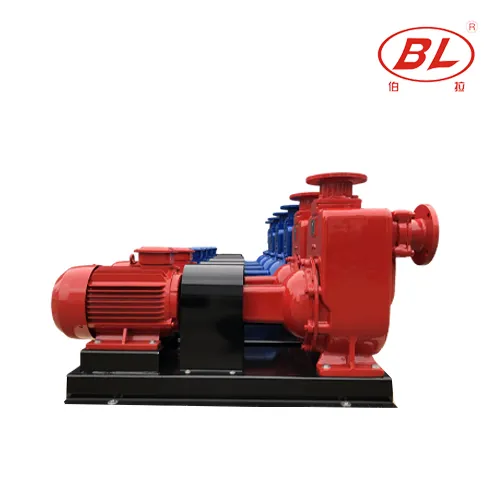
A submersible route, a surface self-priming route, and a dry-installed route create different service and access obligations. Wet-well retrieval needs a planned lifting and access method; surface equipment moves attention to the suction side and clearing access; dry installations depend on their civil arrangement. The choice should be workable for the people who will inspect, clear, and maintain the equipment, not merely for the initial installation.
Part 4. Plan for Blockage Response
Blockage response belongs in the selection discussion. Define who observes the condition, how the equipment is isolated under site procedures, what access is available, and which records are kept after an event. Do not invent a clearing method from a product photo or a generic guide. Use the installed model manual, the site’s safety controls, and the project process when an intervention is required.
| Prüfungsphase | Aufzubewahrende Beweismittel |
|---|---|
| Vor der Überprüfung | Verwenden Sie die aktuelle Zeichnung, das Handbuch, die Tag-Daten und das zuständige Standortverfahren. |
| Während der Überprüfung | Beobachtungen und veränderte Bedingungen aufzeichnen, ohne Werte oder Grenzwerte frei zu erfinden. |
| Bei Unklarheiten | Protokollieren Sie die Frage mit Projektreferenzen und holen Sie verifizierte modellspezifische Anleitungen ein. |
| Bei Übergabe | Ablage kontrollierter Unterlagen bei der Geräte- und Systemdokumentation. |
Part 5. Compare Candidate Data Carefully
A comparable supplier response identifies the exact model, the stated conditions behind its solids-handling information, material suitability, service arrangement, and package scope. Hold every claim against the liquid record and installation concept. When a claim is absent or not tied to the offered model, log it as an open question instead of carrying a brochure phrase into procurement.
Part 6. Send an RFQ That Preserves the Evidence
A sewage duty RFQ should include the stream description, duty flow and head from project sources, installation geometry, power and controls information, service plan, site constraints, and required records. Ask BORRAPUMP to state inclusions and exclusions against that controlled input. The resulting file supports selection and later troubleshooting without claiming a certification, setpoint, or unverified performance value.
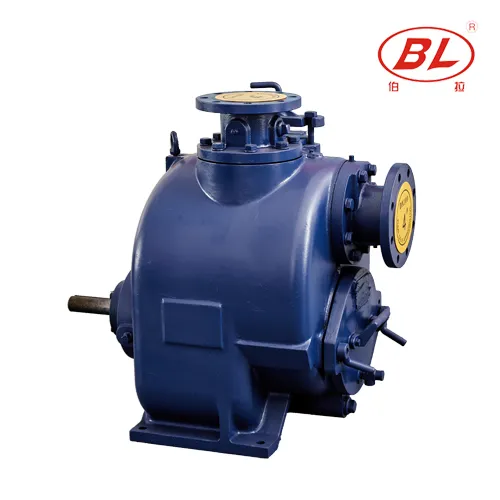
Siehe BORRAPUMP Sewage Pump guide für ähnliche Ressourcen oder BORRAPUMP kontaktieren mit kontrollierten Projektdaten für eine Paketbesprechung.
Fit- und Compliance-Grenze
Dieser Artikel dimensioniert keine Ausrüstung, zertifiziert kein System, beansprucht keine Zulassung nach einer genannten Norm und legt keinen Druck-, Durchfluss-, Feststoff- oder Regelwert fest. Die endgültige Auswahl, Installation, der Betrieb, die Prüfung und die Abnahme erfordern aktuelle Projektdokumente, verantwortliche Fachleute, zuständige Behörden und verifizierte Herstellerdaten für die genaue, gelieferte Ausrüstung.
FAQ
Does a non-clog label prove a pump will pass every solid?
No. The label is not a project specification. Check verified information for the exact offered model against the documented stream.
Why describe the stream at the pump location?
Screening, settling, and upstream processes can change what reaches the pump. Selection must use the liquid the equipment will actually see.
Can fibrous material be ignored if solids are small?
No. Fibrous material can create a different service risk from hard solids. Record it separately in the project liquid description.
What should a wastewater pump RFQ include?
Include the stream description, duty data and sources, installation concept, access and service plan, controls, and documentation requirements.
Who defines the safe blockage-clearing procedure?
The site procedures and the manual for the installed model define it, with responsible project oversight where required.
Does this article approve a sewage-pump selection?
No. It is a project-review aid. Final selection requires responsible review and verified manufacturer documentation for the specific equipment.