
Booster pump pressure hunting is a repeated rise and fall in delivered pressure, often accompanied by a continuous change in pump speed. Start diagnosis by comparing the controller pressure reading with an independent instrument, then trend suction pressure, discharge pressure, speed and pump staging together. Separate unstable feedback from changing supply or demand before adjusting control settings. A tank problem, leaking check valve, intermittent inlet restriction or poorly coordinated lag pump can resemble an overly responsive controller. There is no universal PID setting that fixes all these conditions. The correct repair depends on the installed equipment and the sequence that first causes pressure to move.
This guide addresses a variable-speed booster that remains running while pressure oscillates. For repeated motor starts and stops, use the separate booster pump short-cycling guide. Both symptoms can occur together, but their event records should be evaluated separately.
Establish a safe observation window
Agree with the building operator which demand changes can be observed without interrupting essential service. Identify pressure limits, alarms, minimum supply conditions and the person authorized to stop the test. Do not deliberately close the supply, defeat dry-run protection or create a rapid valve closure to reproduce a pressure disturbance. Preserve the original controller configuration before considering any alteration.
External displays and existing trend records are useful starting points. Opening an electrical panel, removing a pressure instrument or checking a vessel requires the relevant isolation and competent personnel. The HSE pressure systems guide explains the importance of controlling stored-pressure hazards; it does not provide tuning values for a particular booster.
Distinguish hunting from ordinary load response
A pressure dip when a large outlet opens is not automatically hunting. A stable system responds and settles. Hunting describes a repeated pattern that continues, or repeatedly returns under similar operating conditions. Record whether the pattern occurs at low demand, during a duty-pump change, when another pump starts, or throughout the entire flow range.
Check that the historian is not creating a misleading picture. If readings are saved too infrequently, a fast transient may appear as a slow smooth wave. If all values are heavily averaged, the first movement can disappear. Ask the commissioning specialist to select an appropriate recording interval and retain unfiltered information where available. Include the actual time zone and verify that controller and building-management clocks agree.
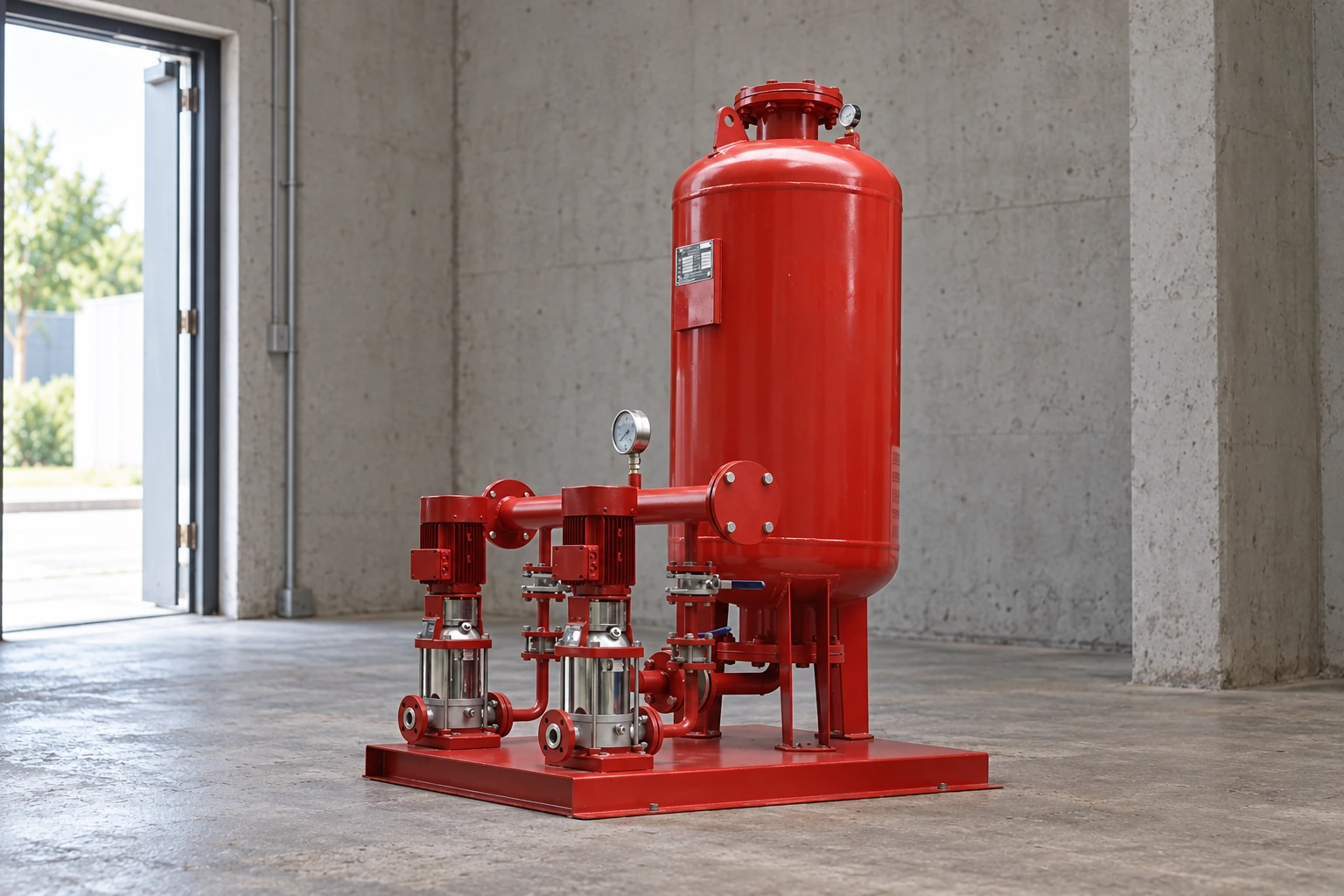
Verify the pressure measurement chain
Compare instruments at known locations and account for elevation and intervening piping. Two gauges on different floors should not be expected to match directly. A disagreement needs a measurement explanation before it becomes a control adjustment. Document instrument range, units, calibration status and connection point.
Inspect the accessible sensing arrangement for an incorrectly positioned isolation valve, trapped contamination or mechanical damage. Have a competent technician evaluate electrical signal scaling, wiring and supply requirements using the specific controller and transmitter documentation. A value labelled in bar on one screen and interpreted in another unit can produce an apparently logical but incorrect response.
Das pressure sensor placement article covers where a signal represents the system. This diagnosis asks whether the installed signal is trustworthy and what moves first. Do not relocate a sensor simply because a different position makes the displayed trace look smoother.
Build a synchronized event record
Record the pressure setpoint, indicated pressure, independent pressure, suction pressure, commanded speed, available actual speed, active pump count and relevant alarms. Add a note whenever an outlet opens or a large downstream valve changes position. If possible, include flow measured with an appropriate instrument; do not label a calculated estimate as measured flow.
A useful record captures the period before the disturbance, the disturbance itself and the recovery. Save the original file rather than only a screenshot. A screenshot can conceal scale changes, missing channels and the precise order of events. Note any channel whose timestamp or update rate differs from the others.
| Observed sequence | Investigation priority | Nützliche Beweise |
|---|---|---|
| Suction pressure changes before discharge pressure | Supply stability and inlet losses | Simultaneous inlet and outlet trends |
| Controller pressure moves while independent pressure stays steady | Measurement chain | Instrument comparison and signal checks |
| Speed repeatedly changes before pressure reverses | Feedback response or changing hydraulic demand | Speed, pressure and flow on one time axis |
| Pressure jumps when a lag pump enters | Staging and ramp coordination | Start command, active pump count and speed |
| Oscillation appears only near sleep or wake | Low-demand sequence and vessel condition | Sleep status, vessel checks and demand record |
cURL Too many subrequests by single Worker invocation. To configure this limit, refer to https://developers.cloudflare.com/workers/wrangler/configuration/#limits.
cURL Too many subrequests by single Worker invocation. To configure this limit, refer to https://developers.cloudflare.com/workers/wrangler/configuration/#limits
cURL Too many subrequests by single Worker invocation. To configure this limit, refer to https://developers.cloudflare.com/workers/wrangler/configuration/#limits.
cURL Too many subrequests by single Worker invocation. To configure this limit, refer to https://developers.cloudflare.com/workers/wrangler/configuration/#limits.
cURL Too many subrequests by single Worker invocation. To configure this limit, refer to https://developers.cloudflare.com/workers/wrangler/configuration/#limits.
Evaluate single-pump response before changing staging
If an approved test can safely hold one pump in service within its permitted range, compare its behavior with the automatic multi-pump sequence. Stable single-pump operation and instability only during staging suggest a coordination problem. Instability with one pump does not prove the controller needs retuning; the inlet, sensor and downstream system still need assessment.
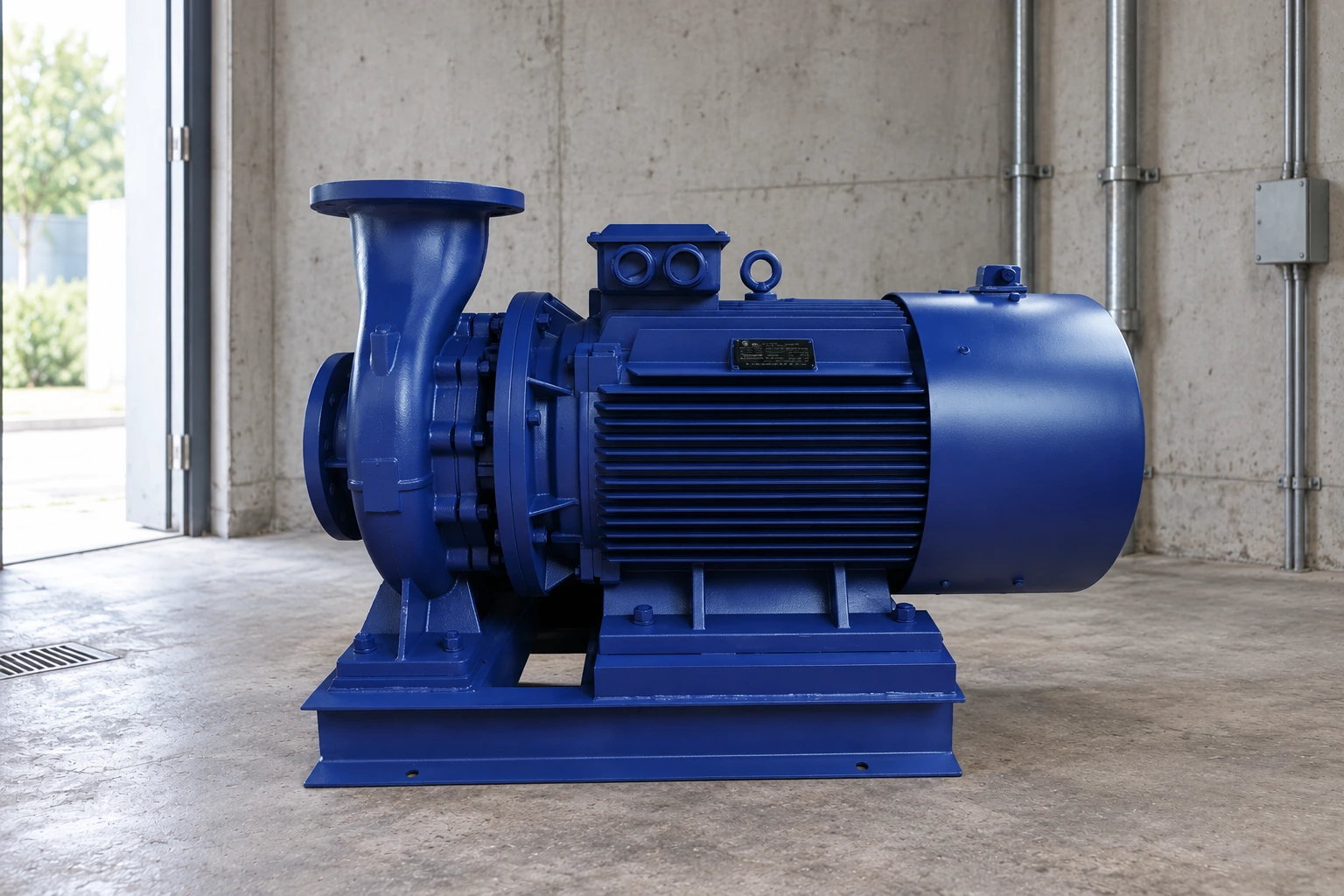
The pictured ISG vertikale Inlinepumpe is a real Borra product reference. A photograph does not establish which drive, sensor, vessel or control algorithm is supplied for a project. Obtain the approved package schedule and operating curves before assessing control capability.
When a lag pump joins the system, record how its speed increases and how the running pump responds. Avoid prescribing a universal staging delay. The suitable sequence depends on pump curves, available operating range, demand changes and the installed controller functions.
Approach tuning as a controlled change
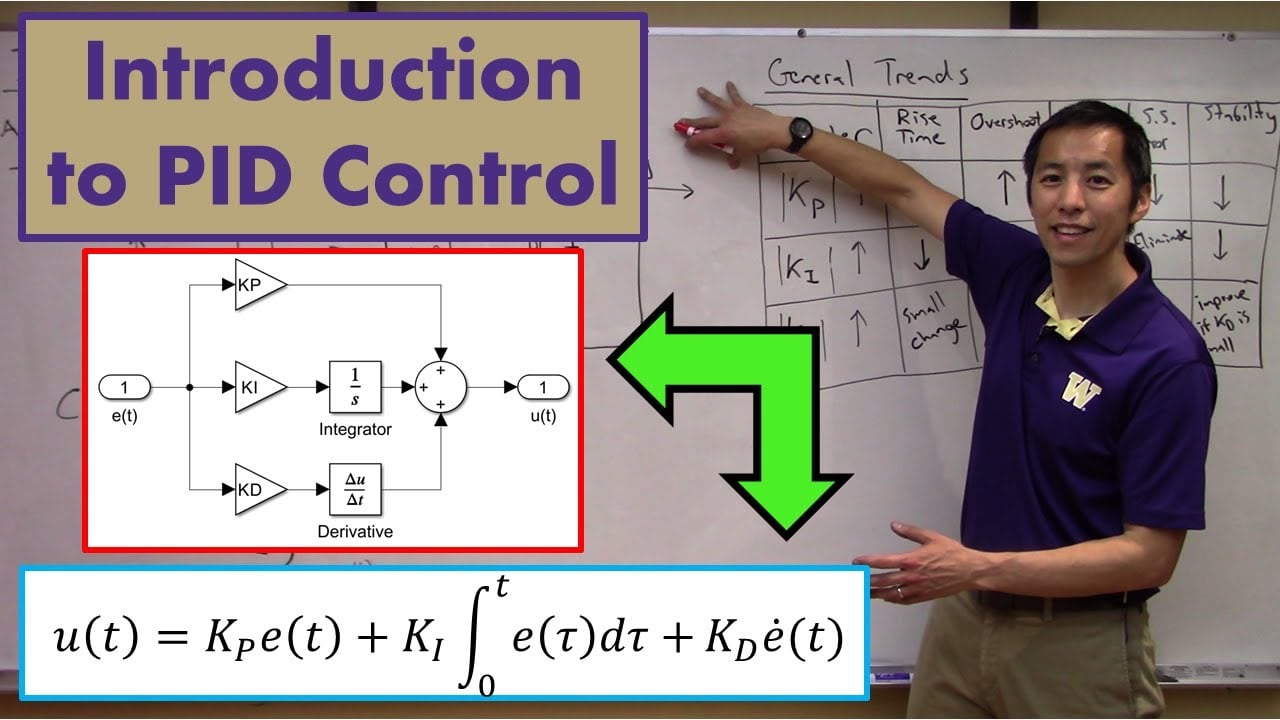
Proportional response acts on present error; integral action responds to accumulated error. Controller implementations and parameter labels differ, so a larger displayed integral setting does not always mean stronger integral action. The University of Maryland-hosted PID tutorial introduces these feedback concepts. Its teaching examples are not pump commissioning settings.
Only authorized personnel should alter a production controller. Save the baseline, state the hypothesis, change one documented item and repeat the same approved demand test. Record the outcome and the rollback condition. A setting that suppresses oscillation by making response excessively slow can leave upper floors under pressure during a sudden demand increase.
The educational video below provides background on feedback control. It does not authorize live tuning or specify parameters for Borra equipment. Review booster commissioning checks for the wider acceptance record, including protections and service restoration.
Define what a successful repair looks like
Agree acceptance criteria before testing: pressure remains within the project’s approved band, response settles after the planned demand changes, staging is repeatable, and no protection or minimum-flow requirement is violated. Include both a representative busy period and low-demand behavior where practical.
Retain before-and-after trends with matching scales and comparable conditions. Record which parts or settings changed, who approved them and whether the installed documentation was updated. One quiet minute after a restart is weak evidence if the original fault occurred during overnight low demand or a daily duty change.
Häufig gestellte Fragen
Is pressure hunting the same as short cycling?
No. Hunting can occur while a motor runs continuously and its speed oscillates. Short cycling involves repeated starts and stops. Record both speed and run status because one system can exhibit both symptoms during different demand conditions.
Should I reduce the pressure setpoint first?
Do not change the required service pressure simply to hide the symptom. Confirm the approved duty, instrument accuracy and pressure limits. A temporary diagnostic adjustment needs authorization and a documented restoration plan.
Can a faulty pressure sensor cause hunting?
Yes, an unstable or incorrectly scaled signal can drive unnecessary speed changes. Compare it with an independent measurement at a suitably understood location. Check the complete sensing chain before assuming that replacing the transmitter alone resolves the fault.
Does every booster require derivative control?
No universal answer applies. Installed controllers may use different feedback structures and parameter conventions. Use the manufacturer’s commissioning procedure and project requirements rather than copying an educational PID example into an operating booster.
What should I send to the service team?
Send the package identification, hydraulic schematic, controller model and software version, baseline settings, synchronized pressure and speed trends, active pump count, demand notes and alarms. Include the conditions that consistently trigger the oscillation and any recent maintenance changes.