
Self-priming pump price is driven by documented duty, materials, driver and controls, accessories, testing documents, and commercial scope – not by a single internet list price detached from suction and liquid conditions. Buyers who force suction-lift and solids data into the RFQ get comparable offers. This guide structures that commercial conversation for US B2B projects.
Part 1. Why Price Without Duty Cannot Be Compared?
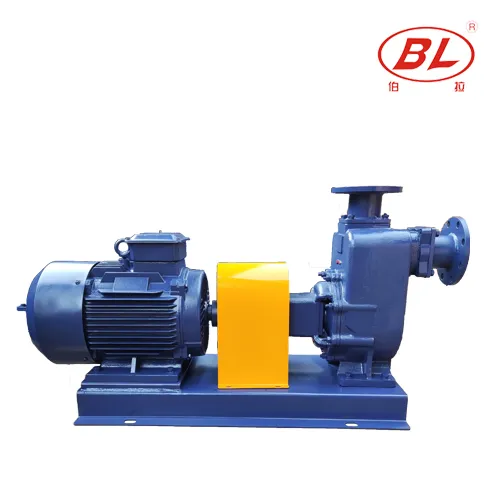
Two self-priming quotes can differ because one includes a verified lift duty, hard-iron wear parts, a diesel driver, and factory documents while the other is a bare pump for mild water. Compare scope, not headlines.
| Quote headline | Hidden assumption | Buyer action |
|---|---|---|
| Low unit price | Mild water, short lift, bare pump | Demand inclusions list |
| Complete package | Driver, base, panel, hose included | Confirm each line item |
| Same family name | Different impeller or materials | Require exact model identity |
| Fast delivery claim | Stock vs production unclear | Ask lead-time basis |
Leser, die nach self-priming pump price usually need this scope discipline. Cluster context lives on the Self-Priming Pump pillar und what is a self-priming pump.
Part 2. Which Duty and Suction Inputs Move Cost the Most?
Flow, head, suction lift, altitude, liquid temperature, and solids load change feasible models and materials. Missing suction data produces optimistic prices that fail at startup.
| Cost driver | What to specify | Why quotes diverge |
|---|---|---|
| Hydraulic duty | Flow, head, suction lift, altitude | Different model families |
| Liquid | Temperature, solids, chemistry | Materials and wear parts |
| Driver | Electric or engine, power data | Package content differs |
| Accessories | Base, panel, hose, strainer | Silent exclusions |
| Documents and tests | Curves, manuals, FAT needs | Risk transferred to buyer |
Suction-lift language has its own sibling checklist; see self-priming pump suction lift when lift basis is the disputed cost driver.
Part 3. How Do Materials, Sealing, and Wear Options Change the Bill?
Clean water and abrasive or solids-bearing duties do not share the same bill of materials. Ask what materials and sealing arrangement the price assumes.
| Liquid signal | Material / wear question | Commercial effect |
|---|---|---|
| Clean irrigation water | Standard iron or bronze options? | Lower wear allowance |
| Sandy or silty water | Hardened wear parts included? | Higher parts cost |
| Sewage with solids | Non-clogging hydraulic path? | Different model family |
| Chemical traces | Seal and elastomer compatibility? | Special materials |
Wichtig: A self-priming pump price without suction-lift and liquid conditions is not an engineering or commercial basis for purchase. (Hydraulic Institute)
Part 4. Which Driver, Controls, and Accessories Belong in Scope?
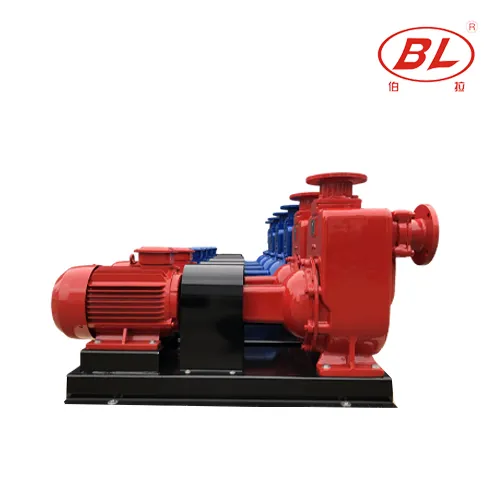
Electric versus engine drive, base, coupling, control panel, suction accessories, and spare kits move the commercial total. Demand an inclusions and exclusions list.
| Scope section | Minimum content | Reject when |
|---|---|---|
| Duty sheet | Numbers with measurement basis | Estimates without source |
| Scope list | Inclusions and exclusions | Price-only reply |
| Model identity | Exact offered model | Family name only |
| Commercial terms | Lead time, destination, docs | Undefined delivery scope |
Installation readiness also affects landed cost; see self-priming pump installation checklist when buyers confuse pump price with installed-system cost.
Part 5. Which Documents and Tests Should Appear in the Price?
Curves, manuals, material certificates, and any witnessed tests should be named. A low price that omits documents shifts cost into project risk.
| Document or test | Why buyers ask | Gap risk |
|---|---|---|
| Performance curve | Confirms lift and flow basis | Optimistic verbal claims |
| Manuals and GA drawings | Supports installation planning | Field surprises |
| Material certificates | Matches liquid assumptions | Wrong wear package |
| Witnessed or FAT notes | Risk allocation | Undefined acceptance |
Commercial comparison fails when one quote assumes mild water at short lift and the other assumes abrasive duty at altitude. Force both quotes onto the same duty sheet before ranking money.
Part 6. How Should a Self-Priming RFQ Be Structured for BORRAPUMP Routes?
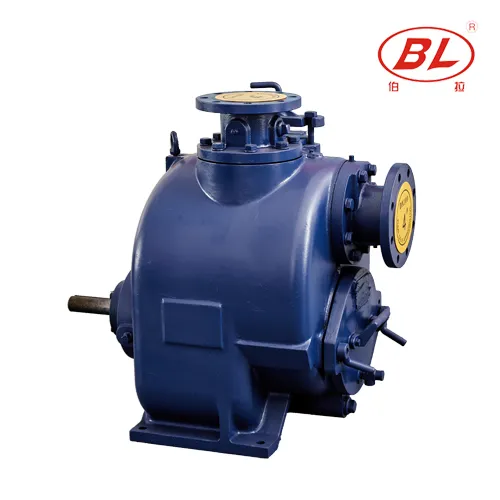
Send controlled inputs and ask suppliers to price a specific model with stated conditions, then discuss ZX, ZW, or SP routes when the liquid and lift data fit.
| Inquiry type | BORRAPUMP route | Must attach |
|---|---|---|
| Irrigation / cleaner water lift | ZX Selbstansaugende Wasserpumpe für die Bewässerung | Lift, liquid, flow/head, power, destination |
| Solids-handling self-prime | ZW Verstopfungsfreie selbstansaugende Abwasserpumpe | Solids description, duty, sealing notes, destination |
| Dirty drain self-prime discussion | SP verstopfungsfreie selbstansaugende Schmutzwasserpumpe | Debris type, duty, driver, destination |
Why not use a booster-only price guide as a substitute: self-priming suction-lift duties need their own inputs and boundaries, and booster residual-pressure worksheets do not replace lift data.
Attach the RFQ duty sheet when using the Self-Priming Pump pillar path or contact BORRAPUMP for a scoped offer.
Part 7. Which Price Conversations This Guide Will Not Close?
Fits:
- Structuring self-priming RFQs so quotes share duty, materials, driver, and document assumptions.
- Routing cleanish lift versus solids-handling inquiries after data exists.
Does not fit:
- Publishing a price table or guaranteeing a quotation.
- Treating booster price guides as self-priming substitutes.
- Inventing lift limits or solids limits without manufacturer data.
Must be confirmed before quote:
- Flow, head, suction lift basis, altitude, liquid description, solids notes, driver preference, accessories, documents, quantity, and destination.
FAQ
What determines self-priming pump price on a B2B quotation?
Documented duty and suction conditions, materials, driver and accessories, documents and testing, and commercial scope drive the offer.
Why is there no single public list price that fits every self-priming inquiry?
Lift, liquid, and package scope change the feasible model and bill of materials, so headline prices are not comparable.
Which suction data belong in a self-priming RFQ before pricing?
Include vertical lift basis, line description, altitude, liquid temperature, and end-arrangement assumptions used in the offer.
Do solids-bearing liquids usually change the commercial total?
They often require different hydraulic designs and wear materials, which changes cost and maintenance assumptions.
Should curves, manuals, and tests be priced as explicit line items?
Yes. Ask which curves, manuals, certificates, and tests are included so document gaps do not become hidden project cost.
How can two self-priming quotations be compared fairly?
Normalize model identity, duty conditions, inclusions and exclusions, and documents before comparing money.
Can a booster pump price guide replace a self-priming quotation worksheet?
No. Self-priming suction-lift duties need their own inputs and boundaries.
Does this page publish a self-priming pump sell price?
No. Request a current offer through contact with controlled project data.