
A spacer coupling provides a removable distance piece between the pump and driver coupling hubs. On a suitably designed pump set, removing that piece creates room for a planned maintenance task without moving the motor. A non-spacer arrangement is generally shorter, but the same task may require moving equipment or following a different dismantling sequence. The decision is therefore about the complete pump-set layout and service plan, not simply the price of a coupling. Confirm the withdrawal requirement, coupling rating, alignment instructions and guard arrangement before specifying either configuration.
Distinguish coupling configuration from pump construction
Spacer and non-spacer describe the connection arrangement between separate shafts. They do not mean the same thing as close-coupled and frame-mounted. A separately mounted pump and motor can use different coupling configurations, while a close-coupled construction may not offer the same independent shaft connection or maintenance options at all.
Start with the assembly drawing rather than a product photograph. Identify the driver shaft, pump shaft, hubs, flexible elements, removable parts and baseplate. Confirm the coupling model and its installation instructions. Two couplings that appear to have similar gaps may require different dismantling procedures because of their flexible elements, fasteners and hub designs.
Das IS clean-water centrifugal pump range is a relevant equipment family for discussing separate-drive arrangements. This reference does not confirm that a particular supplied set has a spacer, back-pull-out construction or a specific seal-removal clearance. Those features must appear in the quotation and approved assembly documentation.
Understand what the removable spacer can achieve
The principal maintenance advantage is the space created when the designated removable section is taken out. Depending on the pump and coupling design, that space may permit access to a seal or withdrawal of a back-pull-out assembly while the motor remains attached to the baseplate. That benefit exists only if the remaining components and surrounding layout permit the planned movement.
Do not equate spacer length with usable removal space without reviewing the drawing. Hub positions, shaft projections, fasteners, seal components and the withdrawal path can reduce the available envelope. A component that can move axially may still be impossible to lift clear if a wall, pipe, guard bracket or overhead obstruction blocks its route.
Write the required maintenance task in ordinary terms: for example, remove the designated rotating assembly while leaving the motor fixed. Ask the supplier to show the actual sequence and required space. This is more useful than requesting a nominal spacer length and hoping it will satisfy an unspecified future repair.
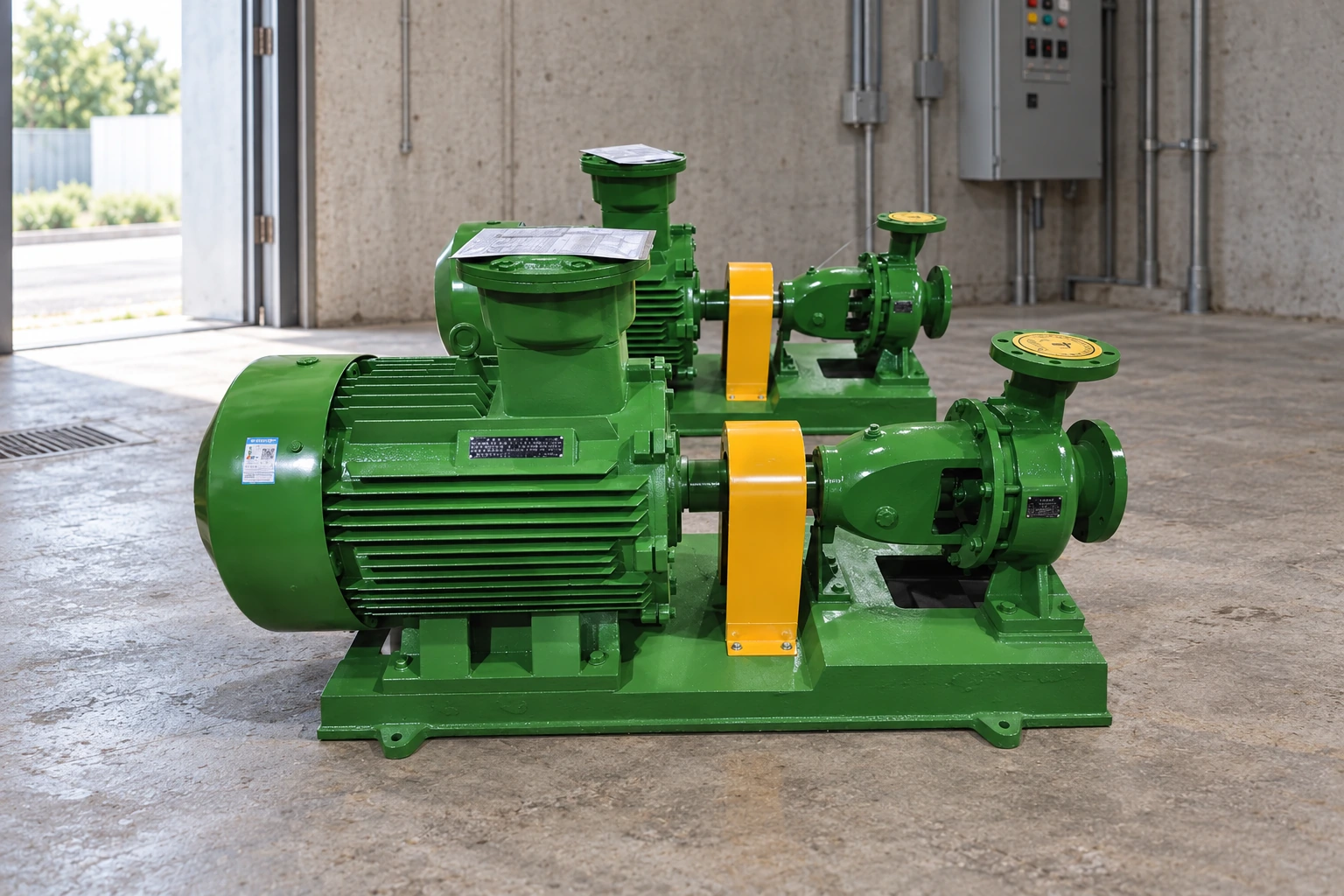
Compare the whole maintenance sequence
For each configuration, list the items that must be disconnected, removed, supported and reinstalled. Include the coupling guard, instruments, auxiliary lines and lifting equipment where applicable. Moving a motor can require electrical isolation, cable considerations, a suitable handling method and a fresh positional setup; the workload depends on the installed arrangement.
A spacer can reduce equipment movement, but it does not eliminate inspection or final alignment verification. Disturbing coupling parts, supports or auxiliary connections may change the condition that was accepted before maintenance. Keep the distinction clear between leaving the motor bolted down and proving that the reassembled shafts meet the approved alignment target.
Verwenden Sie die pump shaft alignment methods guide for measurement planning. The coupling configuration and available instrument mounting positions may affect which setup is practical. Do not assume a laser tool can compensate for insufficient access, unstable supports or an unverified shaft reference.
Select mechanical capacity separately from access length
A spacer arrangement still has to transmit the required torque and operate within its rated speed and service conditions. The complete selection considers the driver, pump duty, starting behavior, possible transient loads, shaft sizes and the coupling manufacturer’s application factors. A dimensional fit alone is not evidence of adequate mechanical capacity.
The type of flexible element matters as well. Different coupling designs have different installation, lubrication, inspection and replacement needs. The Hydraulic Institute coupling guidebook contents distinguish selection, installation and maintenance topics. The publicly available contents identify the scope of that guidance; they do not provide a free numerical rating table or approval for a particular selection.
Require the supplier’s actual selection record and drawing for the proposed coupling. Ask which parts form a matched assembly, which fasteners require controlled installation, and what documentation must accompany a replacement. Do not substitute a fabricated distance piece merely because its bolt pattern appears compatible with the existing hubs.
Use a configuration comparison table
This table describes typical layout implications, subject to the actual design. It is a procurement checklist rather than a claim that every spacer or non-spacer coupling behaves identically. Final dimensions and maintenance permissions must come from the approved pump and coupling documents.
| Entscheidungspunkt | Spacer arrangement | Non-spacer arrangement | Beweise erforderlich |
|---|---|---|---|
| Installed length | Usually reserves additional axial distance | Often more compact | Dimensioned general arrangement |
| Planned internal access | Removable section may create withdrawal space | May require driver movement or another sequence | Demonstrated dismantling path |
| Alignment after work | Verification remains necessary | Verification remains necessary, particularly after movement | Defined method and acceptance target |
| Guarding | Must cover the complete longer rotating envelope | Must cover the actual shorter assembly | Reviewed guard drawing |
| Handling | Spacer and withdrawn parts need safe support | Moved driver or pump parts need safe handling | Component weights and lifting plan |
| Spares | Exact spacer, elements and hardware must be identified | Exact elements, hubs and hardware must be identified | Traceable parts list and instructions |
Compare quotations against the same service task. A compact initial installation may be economical where equipment is small and access is generous. In another location, avoiding motor movement during planned maintenance may be valuable. Those outcomes depend on site conditions; neither configuration is automatically the lower lifetime-cost choice.
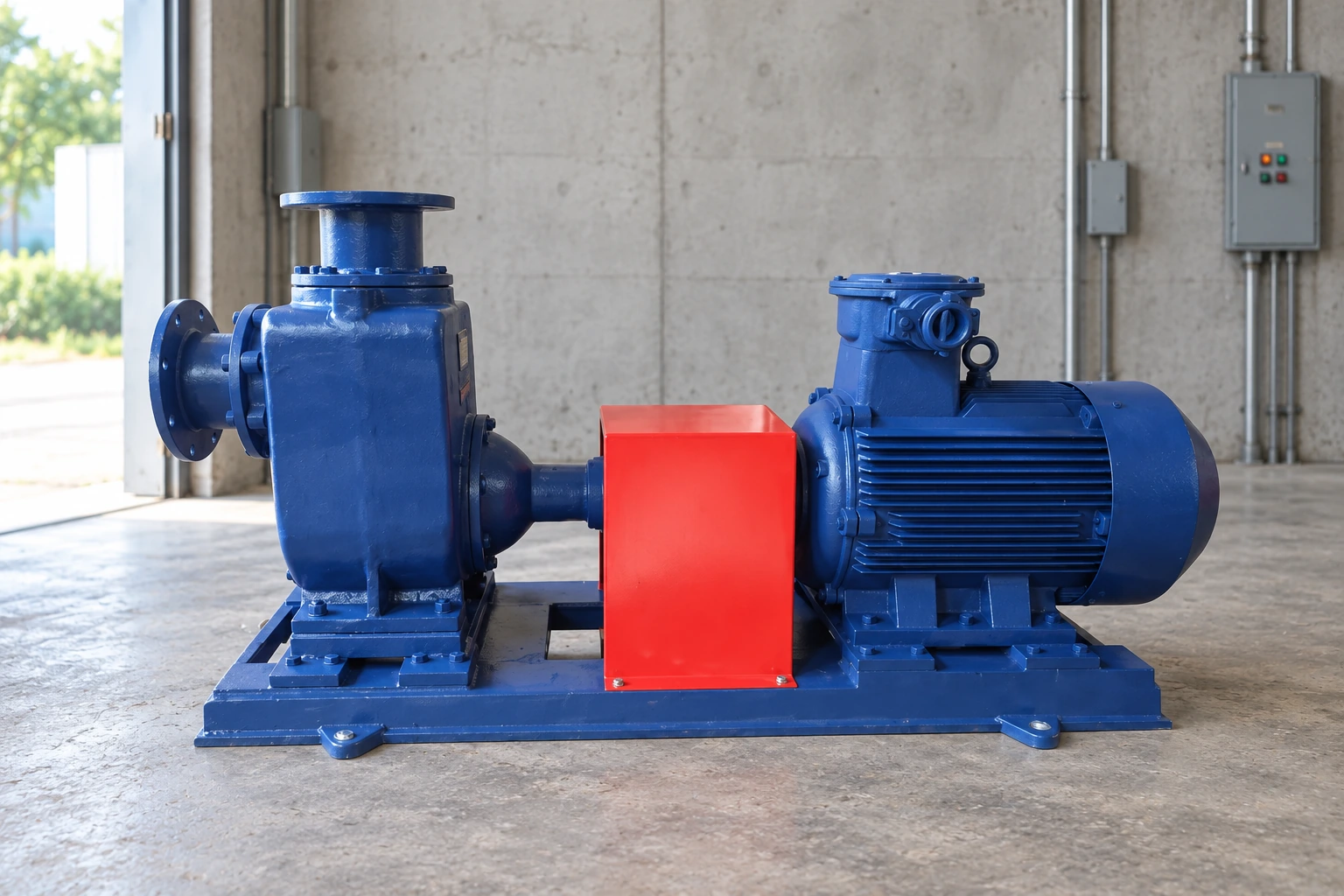
Review the guard and surrounding layout
Changing coupling configuration can change the rotating envelope and therefore the guard design. The old cover may no longer provide complete protection even if some mounting holes line up. Review reach access, internal clearance, fixed supports, edges and removal sequence together with the coupling drawing. Treat guarding as a required part of the modification package.
Check whether the revised assembly conflicts with drains, bearing inspection points, lifting routes or walkways. A guard that is easy to remove but difficult to refit can create a persistent operational risk. Provide a practical maintenance sequence that ends with full restoration of the approved protection, rather than leaving reassembly to improvisation.
For United States servicing work, OSHA’s hazardous-energy control standard sets the applicable isolation context. The site procedure must address the actual equipment and sources of energy. Removing the spacer does not by itself isolate the motor, prevent automatic starts or make a pressurized pump safe to dismantle.
Define the maintenance demonstration before purchase
Ask the supplier to demonstrate the withdrawal envelope on the drawing and identify the components that remain fixed. Require the distance between the relevant shaft ends, the coupling’s installed dimensions and the space needed for each removal step. Mark the baseplate edge and nearby equipment so the review reflects the complete installation.
Include weights and lifting points for components that maintenance staff will handle. Confirm whether lifting devices can approach from the required direction and whether temporary supports are necessary. A removal sequence that works on a workshop bench may not work inside a crowded pump room or within a trailer enclosure.
Das close-coupled versus frame-mounted pump comparison helps establish the wider construction decision before the coupling detail is finalized. If the pump construction changes, revisit the access assumption. A spacer cannot create back-pull-out capability in a pump that was not designed to provide it.
Reassemble without losing the accepted condition
Before reassembly, inspect the relevant parts under the manufacturer’s procedure. Confirm identification, cleanliness, condition and the correct hardware. Follow the specified orientation and installation sequence where applicable. Never assume that bolts from a previous coupling or an apparently identical replacement element have the required rating and dimensions.
Verify the assembly dimensions and alignment after fastening. A coupling’s ability to accommodate limited misalignment is not a target for installation. The approved equipment alignment requirement and any operating-condition allowance still apply. Record the method, results, corrective moves and final tightened condition so that future work starts from evidence.
If readings change unexpectedly, investigate supports, foot contact and external loading before repeatedly adjusting the shafts. The pump soft-foot correction guide addresses one distinct source of unstable alignment. Coupling selection cannot correct a distorted mounting condition or forced pipe connection.
Make the purchase decision traceable
The purchase package should contain the duty, driver information, coupling selection record, assembly drawing, service-access requirement, guard details and maintenance instructions. Request an explicit list of supplied spares and special tools. Identify who will approve any deviations before the equipment is manufactured or modified.
For an existing set, compare the proposed arrangement with the original design and obtain the required engineering approvals. A longer shaft spacing can affect more than the cover length: baseplate layout, component support and the approved coupling selection may all need review. Do not authorize field changes solely on the basis of a convenient removal gap.
After commissioning, retain the final drawing, parts list, alignment baseline and maintenance demonstration record together. The useful outcome is a service task that can be completed safely with predictable access and a defined acceptance process. A label stating “spacer coupling” is only one part of that outcome.
Weiterbildungen
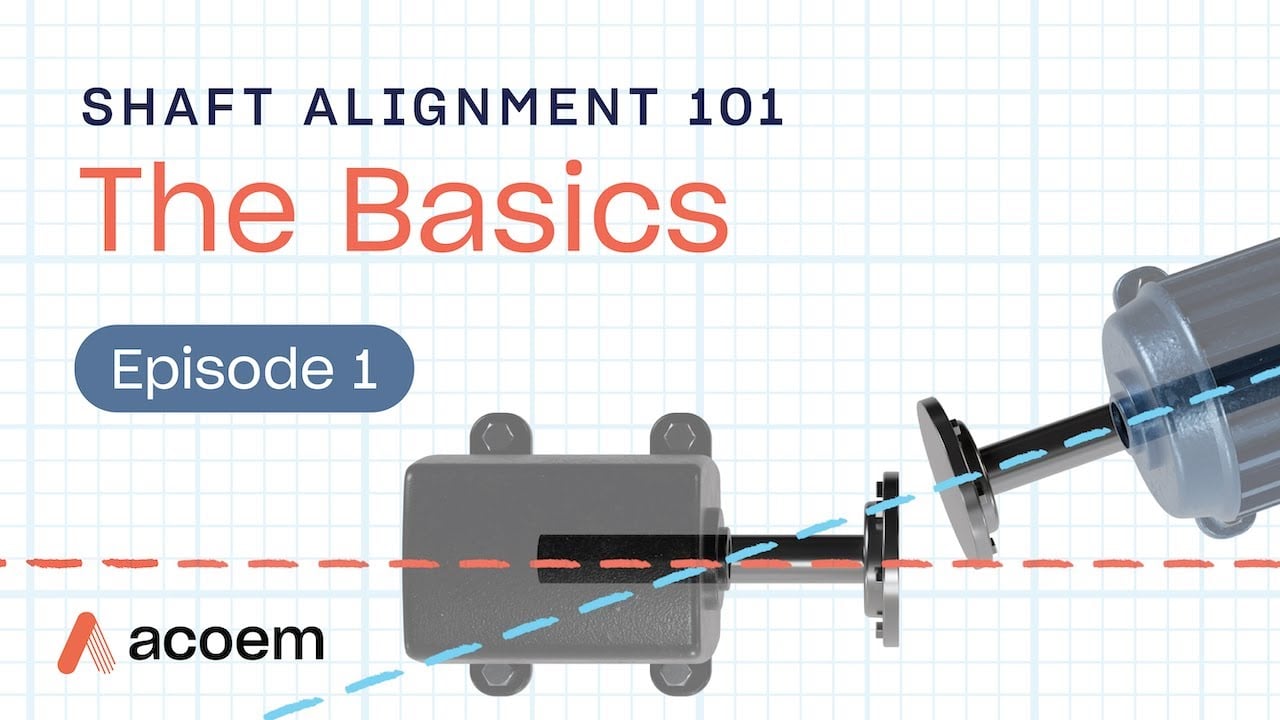
The educational material below explains shaft alignment principles that remain relevant after coupling maintenance. It is background for reassembly verification, not a demonstration that a specific spacer fits a BORRAPUMP model or removes the need for final measurements.
Häufig gestellte Fragen
Does every spacer coupling allow seal replacement without moving the motor?
No. The pump construction, seal arrangement, actual withdrawal envelope and surrounding obstructions determine the maintenance sequence. Ask the supplier to demonstrate the intended task on the approved assembly drawing.
Is a non-spacer coupling always cheaper over its life?
No. Initial hardware and space requirements are only part of the comparison. Consider equipment movement, alignment work, handling, shutdown time and the site’s actual maintenance frequency without assuming universal cost savings.
Can a spacer compensate for shaft misalignment?
It is not a substitute for alignment. Follow the coupling and equipment instructions and verify the final shaft condition after reassembly. Permitted coupling movement should not be treated as an installation target.
Can an existing coupling be converted by adding a distance piece?
Do not improvise a conversion. The complete coupling needs an approved mechanical selection and compatible components, while the pump-set layout and guarding require review. Obtain the responsible suppliers’ and engineers’ acceptance before modification.
What is the most useful requirement in an inquiry?
Describe the exact maintenance task and which components should remain fixed. Request a dimensioned removal sequence, the complete coupling selection and the final guard arrangement so that competing quotations address the same outcome.