
Construction dewatering pumps remove groundwater and storm runoff from excavations; sizing starts with inflow estimates, total dynamic head, and solids handling needs. This guide focuses on practical evaluation steps for U.S. industrial and commercial buyers—hydraulic duty, documentation, and lifecycle support—not generic marketing claims. Where equipment selection is involved, cross-check public specifications on borrapumps.com and confirm project-specific limits with your consulting engineer or AHJ. Section checklists can be reused as RFQ attachments and commissioning handover outlines.
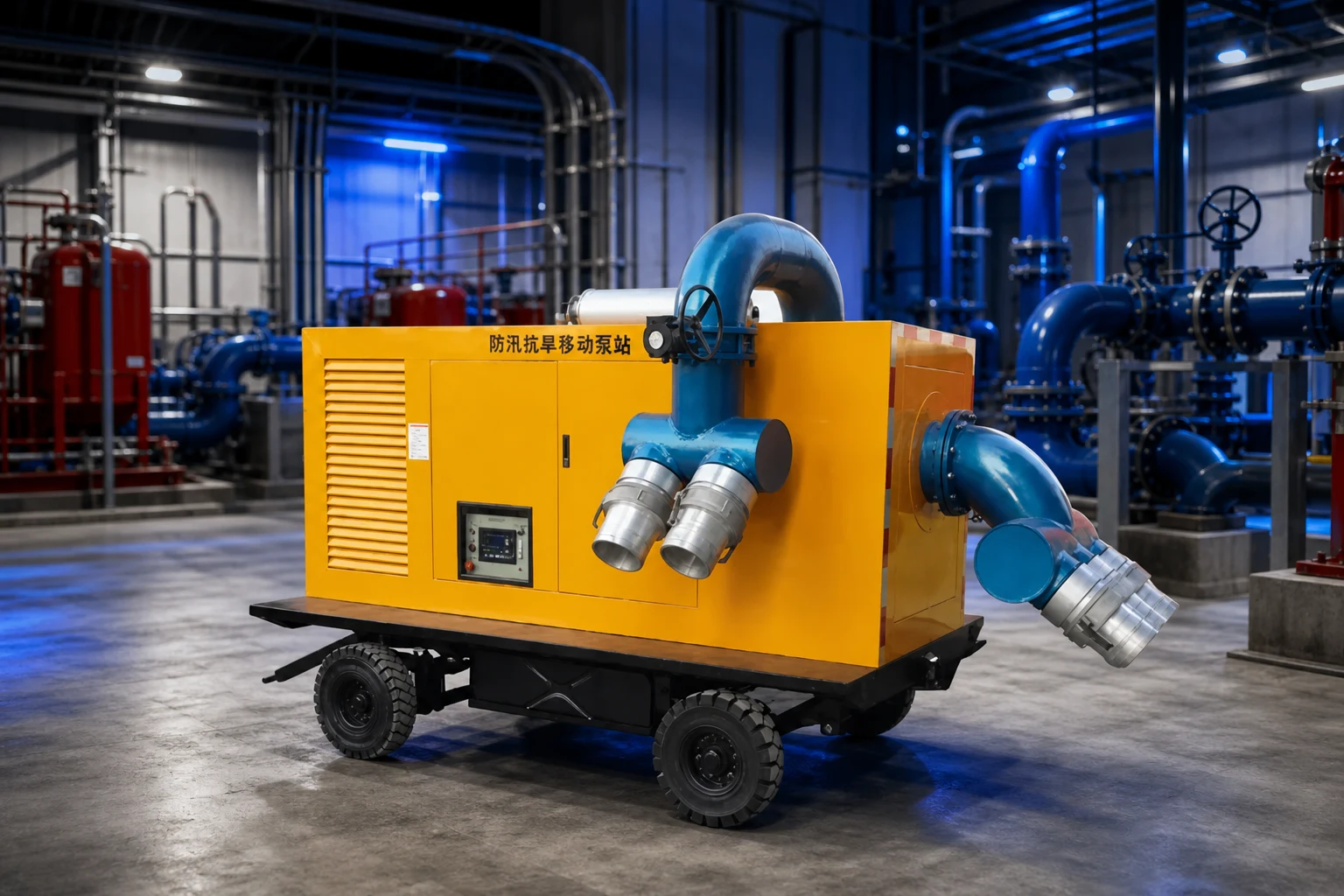
Part 1. Inflow, Head, and Runtime Estimates
This section supports export and U.S. project buyers evaluating construction dewatering pump with practical checks tied to site data and supplier documentation.
Confirm flow, head, power, installation constraints, and local code expectations before issuing purchase orders.
Cross-check public product specifications on borrapumps.com and request missing test or curve data in writing.
Construction dewatering requires realistic solids loading, suction lift, and intermittent vs continuous duty assumptions.
Submersible and self-priming designs differ in deployment speed, maintenance access, and priming reliability.
Match mobile drainage pumps materials to expected grit and pH—not clean-water curves alone.
Capture rated flow, total dynamic head, fluid properties, and suction conditions in the RFQ package to reduce back-and-forth during technical review.
If the site mixes intermittent peaks and sustained duty, size the driver for the governing thermal condition—not catalog nameplate alone.
Define acceptance criteria before shipment—flow, head, efficiency, or NFPA witness points—so commissioning disputes are less likely.
Part 2. Pump Type and Solids Handling
This section supports export and U.S. project buyers evaluating construction dewatering pump with practical checks tied to site data and supplier documentation.
Confirm flow, head, power, installation constraints, and local code expectations before issuing purchase orders.
Cross-check public product specifications on borrapumps.com and request missing test or curve data in writing.
Trailer-mounted diesels suit rapid relocation; fixed electric units suit longer pipeline runs.
Discharge routing, noise, and fuel storage must be planned before mobilization.
Explorar application and solution pages for flood-control and bypass pumping scenarios.
Capture rated flow, total dynamic head, fluid properties, and suction conditions in the RFQ package to reduce back-and-forth during technical review.
If the site mixes intermittent peaks and sustained duty, size the driver for the governing thermal condition—not catalog nameplate alone.
Define acceptance criteria before shipment—flow, head, efficiency, or NFPA witness points—so commissioning disputes are less likely.
Related guides in our blog cluster include Mobile drainage, Drainage basics, and Mobile drainage.
| Check item | Por qué importa | Typical owner |
|---|---|---|
| Duty-point data | Matches pump curve selection | Consulting engineer |
| Installation clearance | Service access and safety | Mechanical contractor |
| Control interface | Reliable start/stop and alarms | Electrical contractor |
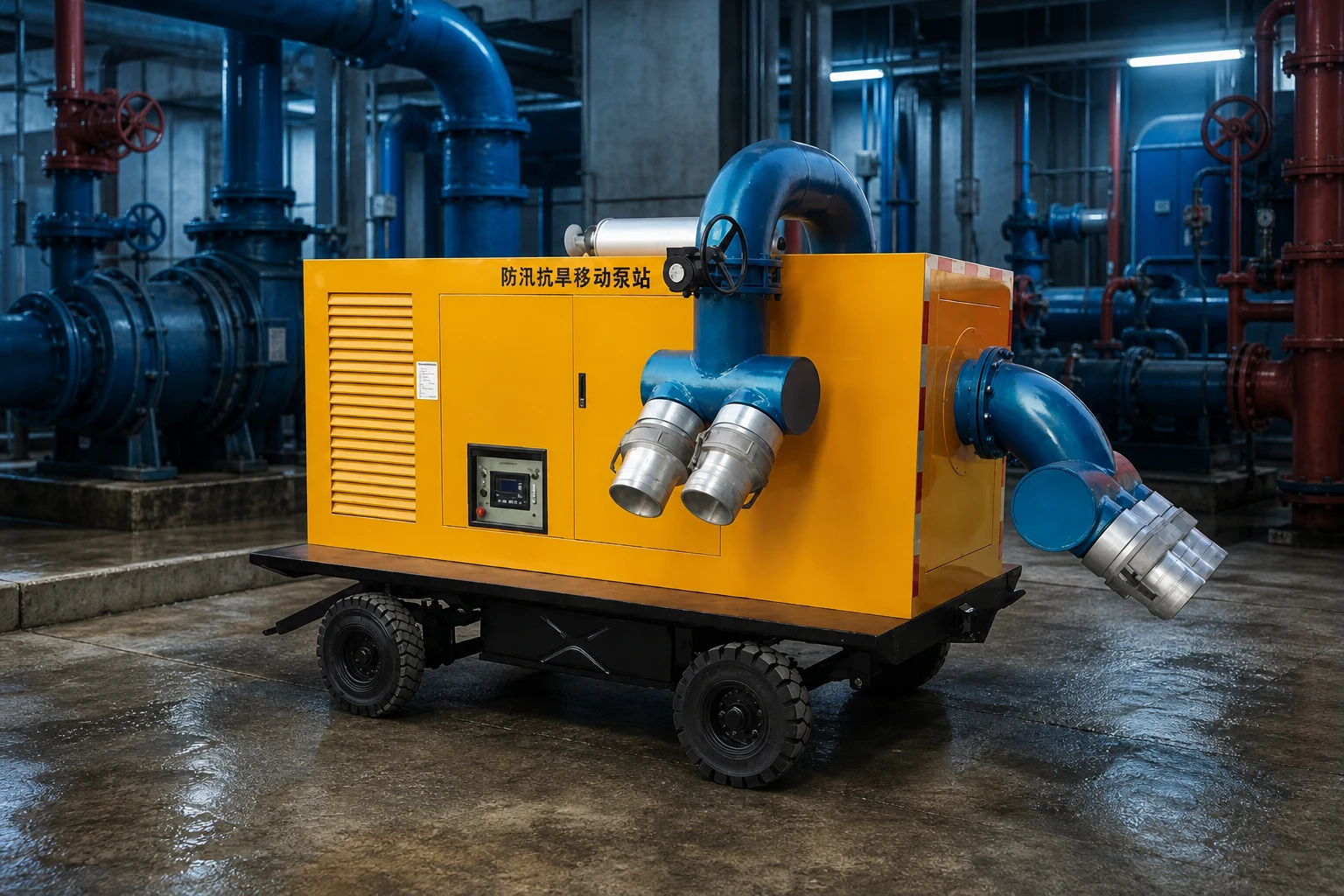
Part 3. Mobilization, Permits, and Discharge
This section supports export and U.S. project buyers evaluating construction dewatering pump with practical checks tied to site data and supplier documentation.
Confirm flow, head, power, installation constraints, and local code expectations before issuing purchase orders.
Cross-check public product specifications on borrapumps.com and request missing test or curve data in writing.
Field teams should verify strainers, hose condition, and prime before each shift on self-priming units.
Document actual flow and suction conditions when performance differs from the RFQ basis.
Share site photos and duty parameters with BORRA engineering contact for retrofit recommendations.
Capture rated flow, total dynamic head, fluid properties, and suction conditions in the RFQ package to reduce back-and-forth during technical review.
If the site mixes intermittent peaks and sustained duty, size the driver for the governing thermal condition—not catalog nameplate alone.
Define acceptance criteria before shipment—flow, head, efficiency, or NFPA witness points—so commissioning disputes are less likely.
Part 4. Documentation and Handover Checklist
Industrial acceptance should not rely on energization alone—documentation proves ratings, safety, and maintainability for the next maintenance cycle.
Use the tables below as a starting RFQ checklist; your AHJ, insurer, or EPC contract may require additional items.
For product-specific datasheets, cross-check mobile drainage pumps and request any missing factory test excerpts.
Align factory acceptance tests with items your insurer or owner witness agreement may require.
When comparing quotations, normalize currency, Incoterms, and included commissioning services before ranking suppliers.
| Document / item | Propósito | When to request |
|---|---|---|
| Factory pump performance curve | Verify flow, head, efficiency, and NPSHr at rated speed | Before purchase order |
| Driver nameplate and coupling data | Electrical service and alignment | Design phase |
| Installation and O&M manual | Commissioning and maintenance planning | Before FAT/SAT |
| Spare parts list (5+ year) | Seal kits, impellers, bearings lifecycle | Contract negotiation |
| Commissioning / acceptance checklist | NFPA or owner witness tests | Before energization |
| Site condition | Risk | Mitigation |
|---|---|---|
| Excavation dewatering | Solids and grit | Self-priming or submersible with strainer |
| Storm event | Rapid deployment | Trailer or skid with quick-connect suction |
| Silty water | Wear on seals | Confirm material class and inspection interval |
| Lift height | Priming failure | Verify suction hose length and air separation |
Part 5. Commissioning, Monitoring, and Long-Term Operations
Commissioning should verify flow, head, and driver performance at the agreed duty points—not only at no-load or nameplate conditions.
Functional tests typically include vibration, seal leakage, control response, and documented comparison to the factory pump curve.
Monitoring after startup helps catch cavitation, hunting, or seal wear before they affect production or fire protection readiness.
Train maintenance staff on lockout/tagout, priming procedures, and which alarms require immediate shutdown versus scheduled service.
Schedule a post-warranty review to reassess duty changes—plant expansions often change flow profiles within three to five years.
Keep a spare-parts criticality list (seals, impellers, bearings, filters) based on lead time and production impact, not catalog defaults alone.
Recommended BORRA Products
For project support, explore our mobile drainage pumps, application and solution pages, and OEM and manufacturing capabilities on borrapumps.com.
Preguntas frecuentes
Cómo estimar el caudal
Utilice pruebas de afluencia en sumideros, informes geotécnicos o tasas empíricas conservadoras para el área de excavación.
¿Qué tipo de bomba?
Bombas de achique autocebantes o sumergibles, según la profundidad de succión y el contenido de sólidos.
¿Diésel o eléctrico?
Los remolques diésel se adaptan a sitios remotos; las unidades eléctricas necesitan energía temporal confiable.
Bombeo en paralelo
Las bombas escalonadas manejan el caudal máximo de entrada; evite hacer funcionar todas las unidades a caudal parcial de manera ineficiente.
¿Permisos?
La descarga a sistemas pluviales o sanitarios a menudo requiere control de sedimentos y permisos locales.
¿Mantenimiento en el sitio?
Revise el desgaste del impulsor, las fugas en los sellos y el suministro de combustible o energía diariamente en trayectos largos.
Referencias
Ready to discuss your project? Contacto BORRA engineering support with your project parameters and technical requirements.