
A diesel fire pump inspection should begin by naming the inspection purpose — routine field review, monthly walkdown, annual service preparation, or post-event follow-up — because each purpose requires different evidence. This checklist helps contractors and facility teams record observations on the diesel driver, fuel supply, cooling arrangement, controller interfaces, and prior test records without treating a generic article as approval or certification.
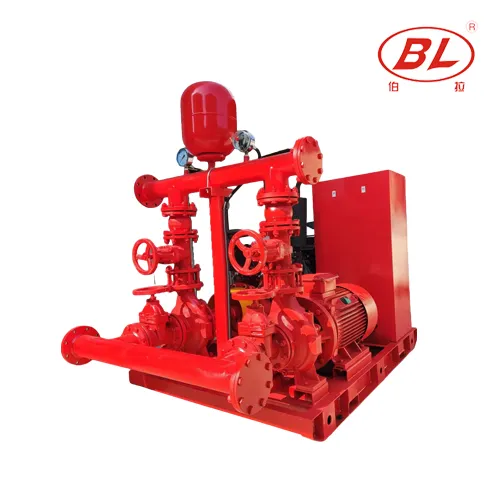
Part 1. How Is This Different From Project Review?
Diesel fire pump inspections in the field are not the same as a receiving review, submittal comparison, or acceptance test record.
| Activity | Primary question | This article |
|---|---|---|
| Project review / handover | Does the installed package match approved documents at turnover? | See diesel fire pump inspection project review |
| Controller inspection | Do controller interfaces match controlled documents? | See fire pump controller inspection checklist |
| Recurring diesel inspection | What should be observed and recorded on the diesel driver and support systems today? | Covered here |
| Fire-flow performance test | Does the pump meet the approved test procedure? | Requires project test plan and witnesses |
Name the inspection owner, date, equipment tag, and document basis before opening panels or resetting alarms.
Part 2. Which Documents Should Be Present?
An inspection without controlled documents becomes opinion. Gather the current package before field work.
| Document | Why it matters | Record |
|---|---|---|
| Approved fire pump layout | Defines equipment in scope | Drawing revision used |
| Diesel engine data sheet | Limits speeds, fuels, and service items | Model and serial if available |
| Controller / driver manual | Defines indications and service intervals | Manual revision |
| Fuel tank and vent details | Supports fuel-system review | Tank tag and capacity basis |
| Prior test and service records | Shows trend and open items | Date and result summary |
| Project inspection procedure | Defines pass/fail routing | Procedure ID or title |
Do not substitute a blog checklist for the project procedure, manufacturer manual, or authority having jurisdiction requirements.
Part 3. What Should Be Reviewed on the Diesel Engine and Driver?
Walk the diesel driver area systematically and record observations against the documented equipment.
| Review area | Observe | Route open items when |
|---|---|---|
| Engine oil level and condition | Within marked range; no major contamination | Level unstable or milky appearance |
| Coolant level and leaks | Stable level; no active leak path | Repeated loss or staining |
| Battery and charging | Terminals secure; charger indication normal | Corrosion or chronic low voltage |
| Belts and guards | Guard in place; obvious wear noted | Missing guard or frayed belt |
| Exhaust and ventilation | Path unobstructed per design | Blocked louvers or temporary covers |
| Vibration / mounting | No new looseness or broken anchors | Movement since last record |
| Labels and nameplates | Legible tag matches record | Mismatch with schedule |
This is an observation checklist, not a substitute for manufacturer service instructions or certified engine work.
Part 4. What Fuel, Cooling, and Support Systems Need a Recorded Look?
Diesel fire pumps fail in service when support systems are treated as secondary.
| System | Inspection focus | Typical open item |
|---|---|---|
| Day tank / main tank level | Adequate for planned test or run policy | Low fuel without refill plan |
| Tank vent and containment | Visible damage or blockage | Painted-over vent or missing cap |
| Fuel cleanliness | Water or sediment indications per procedure | No sampling access |
| Jacket water heater | Powered and indicated where provided | Heater offline in cold season |
| Circulation / cooling lines | Obvious leaks or unsupported hose | Temporary bypass left installed |
| Jockey / pressure maintenance | Separate from fire-flow duty | Confusing tags between pumps |
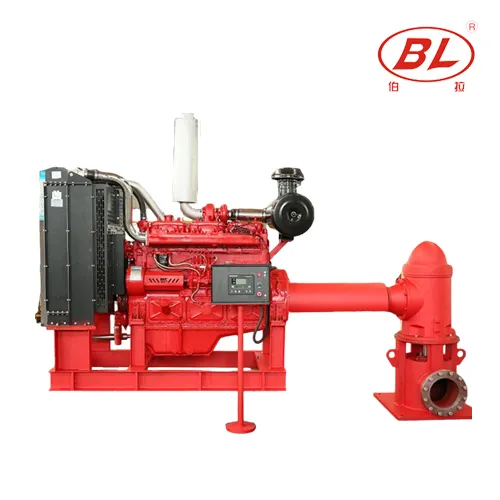
Separate fire-flow pumping from pressure maintenance. The fire pump cluster guide explains why jockey or pressure-maintenance equipment does not replace fire-pump testing scope.
Important: This checklist is an inspection record aid only. It does not certify NFPA compliance, listing, or authority acceptance; pass/fail and test frequency belong to the project procedure and applicable authorities. (NFPA resources)
Part 5. Which Controller and Alarm Interfaces Should Be Traced?
Use the installed controller documentation to map indications to the inspection record.
| Interface | Record | Do not assume |
|---|---|---|
| Run / start indication | Lamp, display, or remote status observed | Meaning from another site |
| Common alarm / trouble | Active points noted with time | Cleared without investigation |
| Fuel / engine alarms | Documented if active | Generic alarm text as root cause |
| Remote monitoring points | Listed if in project scope | Unverified SCADA labels |
| Manual start / stop access | Location and condition | Unlabeled local controls |
If the inspection scope includes the controller panel, use the dedicated fire pump controller inspection checklist in the same visit rather than duplicating every controller step here.
Part 6. How Should Observations Be Written and Routed?
Good inspection records make the next action obvious.
| Record element | Minimum content | Why |
|---|---|---|
| Equipment tag | Pump and engine identifier | Prevents cross-system edits |
| Location | Room, pad, or enclosure | Supports photo linkage |
| Observation | Fact, not diagnosis alone | “Oil below mark” vs “engine bad” |
| Document reference | Manual section or drawing | Supports review |
| Photo ID | If used | Must show tag/context |
| Disposition | Monitor, service, or escalate | Routes responsibility |
For package discussions after inspection, buyer should provide current project documents, equipment tag numbers, open inspection items, and interface questions through the BORRAPUMP fire pump guide y contact page. Product discussion does not replace project testing or acceptance.
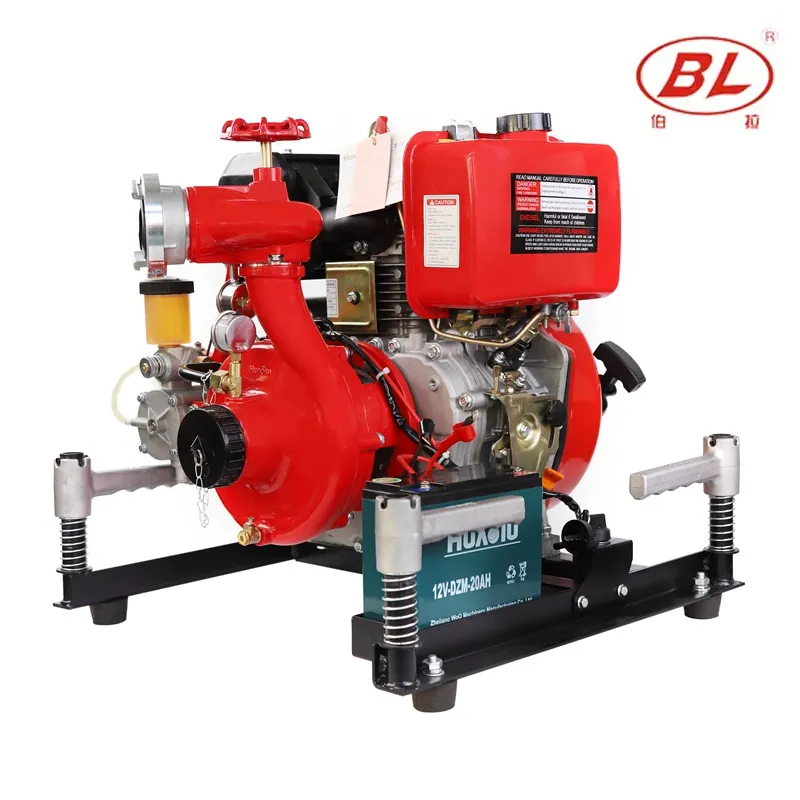
When a project requires a diesel fire pump package quote, the EDJ integrated fire pump set route may be reviewed with engineering — without claiming listing or approval for a specific export project from this checklist.
Part 7. What Are the Fit and Compliance Boundaries?
Fits:
- Preparing a recurring diesel fire pump field inspection record.
- Separating inspection scope from project review, controller review, and fire-flow testing.
Does not fit:
- Certifying NFPA compliance, UL/FM listing, or authority acceptance.
- Setting engine speeds, controller setpoints, or test pass/fail from generic text.
- Replacing manufacturer service, OEM warranty work, or witnessed acceptance tests.
Must be confirmed:
- Applicable project procedure, manufacturer instructions, local authority requirements, and verified equipment identity for the installed diesel fire pump.
FAQ
What does a diesel fire pump inspection include?
It records observations on the diesel driver, fuel and cooling support, visible pump arrangement, and controller interfaces against current project documents for the defined inspection purpose.
Is this the same as project review at handover?
No. Project review compares the installed package to approved turnover documents. This checklist supports recurring field inspection records. Use the project review article for handover scope.
Can this checklist set weekly or monthly test requirements?
No. Test frequency and pass/fail criteria come from the project procedure, manufacturer data, and applicable authority requirements — not from a supplier blog.
Should fuel level be checked during every inspection?
Fuel adequacy should be observed according to the project maintenance plan and the next planned run or test event; record the level and any refill action taken.
What is the difference between inspecting the diesel engine and testing fire flow?
Inspection records visual and documentary conditions. Fire-flow testing demonstrates hydraulic performance under the approved test plan and witnesses.
Do jockey pump checks replace diesel fire pump inspection?
No. Jockey or pressure-maintenance equipment has a separate maintenance scope and does not replace diesel driver or fire-pump inspection items.
What should be done with an active trouble alarm?
Record the indication, time, tag, and visible context, then route investigation through the project maintenance or service process before clearing.
Does BORRAPUMP certify inspection results from this page?
No. This page is a review aid. Acceptance, certification, and authority decisions require responsible professionals and verified project evidence.