
To size a generator for a water pump, start with the pump motor nameplate and starting method, not the pump horsepower alone. Record rated voltage, phase, frequency, full-load current, efficiency or input power, power factor, locked-rotor or starting current, and the expected acceleration time. Add every load that can run at the same time, decide which load starts first, then check both steady kW/kVA and the generator's short-duration voltage-dip capability. A variable-frequency drive, soft starter, direct-on-line starter, or reduced-voltage starter changes the starting demand. The final generator selection must therefore be confirmed by the generator, motor, starter, and pump-system suppliers for the actual site.
This guide is an early-stage engineering and procurement framework. Confirm every calculated value, operating limit, safety requirement, and regulatory obligation against current project documents, approved manufacturer data, and the responsible engineer’s review before selecting equipment or changing an installed system.
Why pump horsepower is not enough
Pump horsepower describes mechanical output at the shaft, while a generator supplies electrical input to the motor and all auxiliaries. Motor efficiency means electrical input is higher than shaft output, and power factor means generator kVA can be higher than kW. Starting adds a second constraint: an induction motor can demand several times normal current until it accelerates. The exact multiplier depends on motor design, starter, driven inertia, voltage, and system stiffness. A generator that carries the running load may still suffer an unacceptable voltage or frequency dip during start. That dip can prevent the motor from accelerating, trip controls, or disturb other loads. For a defensible selection, separate running demand, starting demand, sequence, allowable dip, and recovery time. Do not convert horsepower to generator kW with one universal multiplier and assume the result is complete.
Collect the electrical and hydraulic inputs

Begin with the approved pump duty point because an oversized pump or incorrect operating point can increase motor loading. Obtain motor rated power, voltage, phases, frequency, full-load amperes, service factor where applicable, efficiency, power factor, code letter or locked-rotor current, and starting method. Record cable length, ambient temperature, altitude, enclosure, and whether the motor is already connected to a VFD or soft starter. List controls, heaters, ventilation fans, lighting, battery chargers, valves, dosing equipment, and any second pump that may operate. Mark each as continuous, intermittent, or emergency. Then define the starting sequence: one motor at a time, automatic duty/standby transfer, or simultaneous restart after an outage. The sequence is often the cheapest way to reduce generator size without weakening the pumping requirement.
Calculate the running load
For a three-phase motor, a useful check is input kW = √3 × line voltage × line current × power factor ÷ 1000. Input kVA is √3 × voltage × current ÷ 1000. If only shaft power and efficiency are known, approximate input kW as shaft kW divided by efficiency, then use the motor power factor to estimate kVA. These are screening calculations, not substitutes for nameplate and manufacturer data. Add auxiliary loads using their coincident operating condition and apply any continuous-load or code factors required by the project. Keep kW and kVA in separate columns. The engine-alternator package must provide real power, while alternator current and voltage regulation depend strongly on apparent and reactive power. Reconcile the calculated current with the nameplate before proceeding.
Project decision table
| Entrada | Por qué importa | Evidence to request |
|---|---|---|
| Motor full-load current and power factor | Defines running kVA | Motor nameplate and data sheet |
| Locked-rotor or expected start current | Defines transient alternator demand | Motor and starter data |
| Starting method and sequence | Can reduce or reshape inrush | Control narrative and one-line diagram |
| Other coincident loads | Changes running and starting reserve | Load schedule |
| Altitude and temperature | Can derate engine and alternator | Site design conditions |
| Allowable voltage/frequency dip | Determines whether controls remain stable | Project criteria and supplier transient study |
Evaluate motor starting and voltage dip
Direct-on-line starting usually creates the highest inrush but the shortest and simplest start. Star-delta, autotransformer, soft starters, and VFDs can reduce line current, yet each has application limits and may introduce harmonic or control considerations. Ask the motor or starter supplier for expected starting current and torque at the actual voltage. Give the generator supplier motor starting kVA, load torque, inertia or acceleration time when available, allowable voltage and frequency dip, other online loads, and the intended sequence. The generator supplier should run a transient or motor-starting check for the chosen alternator and engine. If the predicted dip is too large, options include sequential starts, a different starter, more alternator capacity, lower source impedance, or a review of pump acceleration—not simply adding an arbitrary percentage.
Check the site and control system

Generator capacity is only one part of a workable package. Confirm fuel storage and runtime, ventilation, exhaust routing, cooling-air recirculation, acoustic limits, weather protection, foundation, vibration isolation, cable routing, grounding and bonding, transfer arrangement, emergency stop, and maintenance access. Define whether the generator is prime, standby, or emergency duty and which loads must be shed. Fire-pump projects can have special rules that differ from ordinary water-supply or drainage installations. A VFD may not be acceptable in every emergency application. The project electrical engineer should coordinate protection so motor starting does not cause nuisance trips while faults are cleared safely. Commissioning must include a real start under representative hydraulic loading, not only a no-load generator run.
Validate before procurement and commissioning
Send suppliers a single load schedule rather than disconnected equipment lists. It should state normal and emergency operating modes, starting order, the largest motor, starter types, simultaneous loads, ambient conditions, voltage and frequency, required runtime, and allowed dip. Request the generator rating basis, alternator temperature rise, transient performance, overload limits, breaker and controller data, and derating assumptions. At commissioning, record generator voltage and frequency before start, minimum values during acceleration, recovery time, motor current, pump discharge conditions, and status of other loads. Repeat the test for the worst credible automatic sequence. If readings differ materially from the design, find the cause before changing protective settings or declaring extra generator capacity necessary.
How to compare supplier offers
When offers arrive, compare the rating basis before comparing the number on the generator nameplate. Confirm whether each quotation uses standby, prime, or continuous duty; the stated power factor; ambient temperature and altitude; alternator temperature rise; and the same voltage-dip criterion. Ask the supplier to identify the largest motor start used in its check and show which loads were already online. Review breaker frame and trip settings, controller inputs and outputs, battery system, charger, fuel autonomy, enclosure, silencer, and factory test scope. A higher kVA offer is not necessarily more capable if its engine kW, excitation system, or transient response is different. Conversely, an oversized set can operate inefficiently at light load and increase capital and maintenance cost. Record clarifications in one comparison sheet and require a revised data sheet whenever a key assumption changes. The final accepted schedule should be the same document used for controls programming and site testing.
How this guide connects to BORRAPUMP equipment
This article supports early project review for the how to size a generator for a water pump product line. It does not assign a final model. Send the duty conditions, liquid data, power supply, installation drawings, controls, quantity, and destination so the product configuration can be checked against the actual project.
Related BORRAPUMP engineering guides
Authoritative sources and further learning
U.S. Department of Energy Pump Systems OSHA electrical work practices OSHA carbon monoxide publications. These sources establish general engineering, safety, or regulatory context; the current adopted rules, equipment manuals, and project approvals remain controlling.
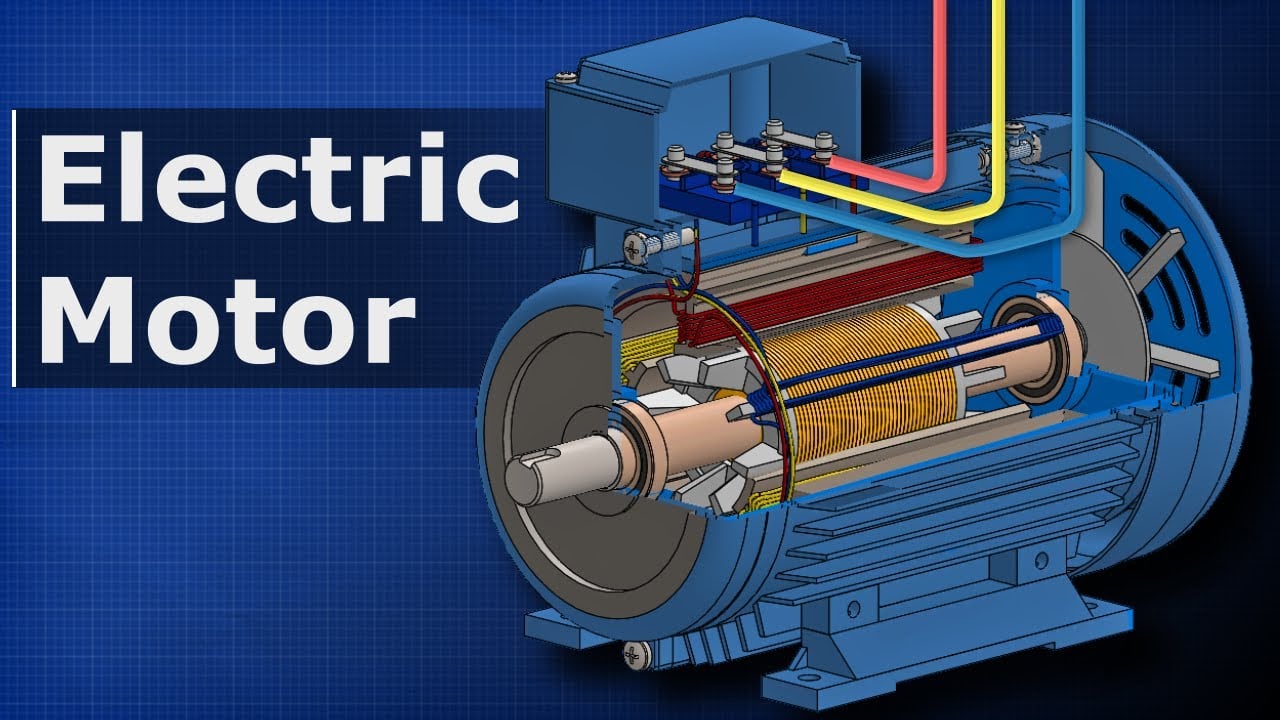
Educational video by The Engineering Mindset: How Electric Motors Work: Three-Phase AC Induction Motors. It explains background principles and does not replace project-specific instructions.
Frequently asked questions
Can I size the generator from pump horsepower alone?
No. Horsepower omits motor efficiency, power factor, starting current, starting method, auxiliaries, and site derating.
Should generator size be stated in kW or kVA?
Check both. Engine capability is commonly expressed in kW, while alternator current and motor starting are strongly related to kVA.
Does a VFD always allow a much smaller generator?
A VFD can reduce starting current, but its input harmonics, DC-bus charging, control behavior, and application approval still require supplier review.
What should be measured during commissioning?
Record voltage, frequency, motor current, minimum dip, recovery time, start duration, hydraulic condition, and other connected loads.
Final procurement checkpoint
Before order placement, reconcile the approved duty and drawings with the supplier curve, motor or driver, materials, dimensions, weights, connections, controls, accessories, tests, documentation, spare parts, delivery boundary, and destination requirements. Record every assumption that remains open. Installation, electrical work, hazardous-liquid handling, fire-protection work, excavation activity, and energized testing must be performed by qualified personnel under approved procedures and applicable rules.