
An irrigation booster pump installation should not start until source flow, largest-zone duty, suction conditions, and control logic are verified on paper and in the field. Landscape and farm sprinkler systems often need added pressure at the worst sprinkler or zone, not at the pump label maximum. This checklist helps contractors and project buyers confirm layout, controls, and equipment boundaries before energizing a booster on a pressurized irrigation supply.
Part 1. What Defines an Irrigation Booster Duty?
An irrigation booster pump installation serves zones where inlet pressure is inadequate during peak sprinkler demand. It is not a substitute for an empty source, a closed master valve, or undersized mainline piping.
| System signal | Likely need | First check |
|---|---|---|
| Weak spray at farthest heads when one zone runs | Zone pressure shortfall | Measure dynamic pressure at that zone |
| Acceptable pressure at pump, weak at remote manifold | Friction or elevation loss | Confirm pipe size and lift |
| Pressure drops when several zones overlap | Undersized source or boost | Verify simultaneous flow basis |
| Pump runs but heads barely operate | Closed valve, air lock, or wrong control | Trace suction and discharge path |
Distinguish this from open-source pumping where the equipment must lift water from a pond or canal — that may be a self-priming irrigation route rather than a pressurized-line booster. For the broader irrigation-versus-fire boundary, see booster pump for sprinkler systems.
Part 2. What Must Be Measured Before Mounting the Pump?
Installation planning should record dynamic conditions, not static pressure alone.
| Measurement | Why installers need it | Common field mistake |
|---|---|---|
| Dynamic inlet pressure at peak-ish flow | Sets required boost | Using static pressure with no flow |
| Largest simultaneous zone flow | Defines operating point | Adding every zone as if always open |
| Required pressure at worst head/nozzle | Sets residual target | Using pump shutoff pressure as design |
| Elevation from pump to highest outlet | Adds static lift | Ignoring hill or tank height |
| Mainline length, diameter, and fittings | Adds friction head | Assuming short garden-hose losses |
| Meter, filter, and backflow device loss | Reduces available pressure | Omitting device pressure drop |
Hunter’s irrigation design materials emphasize designing from the highest-demand zone outward. University extension irrigation guidance similarly treats simultaneous use y pressure at the emitter as core inputs rather than pump horsepower alone.
Part 3. Where Should the Booster Sit in the Irrigation Layout?
Location affects suction, service access, noise, freeze protection, and who owns each valve.
| Layout item | Pregunta de revisión | Typical issue |
|---|---|---|
| Suction source | Pressurized main vs tank/well header | Starved suction after long small pipe |
| Aislamiento | Can the booster be serviced without flooding the pad? | No valving for maintenance |
| Check valve placement | Prevents backflow to source when off | Water hammer or cycling |
| Master valve / relay logic | Pump starts only when a zone demands | Pump runs against closed discharge |
| Drain and freeze protection | Seasonal shutdown plan | Winter freeze split |
| Electrical disconnect | Within sight and code-compliant access | Remote panel with no local lockout |
This article does not prescribe a universal position relative to a backflow preventer. Device type, hazard classification, and local plumbing rules must be evaluated by qualified professionals for the jurisdiction. For general mechanical sequencing, also review the booster pump installation guide.
Part 4. Which Pre-Startup Mechanical Checks Apply?
Before first run, verify mechanical integrity and alignment with the approved duty.
| Pre-start check | Pass criteria | If it fails |
|---|---|---|
| Rotation / coupling | Matches motor and pump marking | Do not energize until corrected |
| Suction strainer or filter | Clean and sized for flow | Cavitation or flow starvation |
| Priming (if applicable) | Bowl filled per manufacturer method | Dry-run damage |
| Discharge isolation | Opens to intended header | Dead-head risk |
| Pressure gauge points | Installed where specified | Cannot verify boost |
| Expansion or surge control | Present if design requires | Water hammer or relief discharge |
| Anchor and alignment | No visible strain on nozzles | Seal or coupling wear |
Plot the expected flow and head on the pump curve before startup. Hydraulic Institute pump FAQs note that operating far left or right of the best-efficiency region increases noise, heat, and seal wear. If the calculated duty sits outside the stable portion of the curve, stop and resize or revise the system — a larger motor will not fix a wrong operating point.
Importante: A landscape irrigation booster must not be treated as fire sprinkler equipment. Similar pressure numbers do not establish fire-service suitability; fire protection requires a separate engineered path and authority review. (Recursos de la NFPA)
Part 5. What Control and Electrical Items Should Be Confirmed?
Irrigation boosters are often cycled by pressure switches, VFDs, pump-start relays, or controller interlocks.
| Control element | Verify | Miswiring symptom |
|---|---|---|
| Start signal source | Zone relay, pressure switch, or VFD setpoint documented | Pump never starts or runs continuously |
| Stop / low-pressure cutout | Protects against dry run where applicable | Seal or motor failure |
| Differential band | Wide enough to prevent short cycling | Rapid on/off at partial demand |
| VFD sensor location | Senses the pressure the design cares about | Stable at pump, weak at remote heads |
| Tank logic (if used) | Pre-charge and volume match control strategy | Pump cycles every few seconds |
| Grounding and disconnect | Matches local electrical practice | Safety and nuisance trips |
Do not copy pressure setpoints from another property. Setpoints belong to the measured system and approved design. If the booster is intended for building potable boosting, route the buyer to the booster pump cluster instead of treating landscape guidance as universal.
Part 6. Which BORRAPUMP Routes Fit Irrigation Inquiries?
BORRAPUMP supplies export pumping equipment; final model selection remains subject to verified duty data.
| Señal del proyecto | Ruta BORRAPUMP | Enviar con cotización |
|---|---|---|
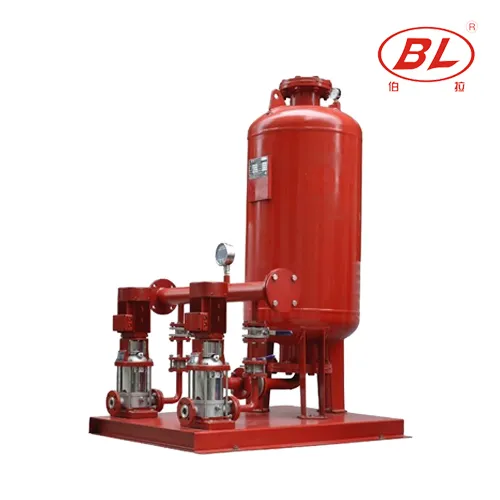
| Pressurized source with verified flow; packaged boost/regulate | Equipo de suministro de agua con regulador de refuerzo | Zone flow, inlet/outlet pressure, elevation, control method |
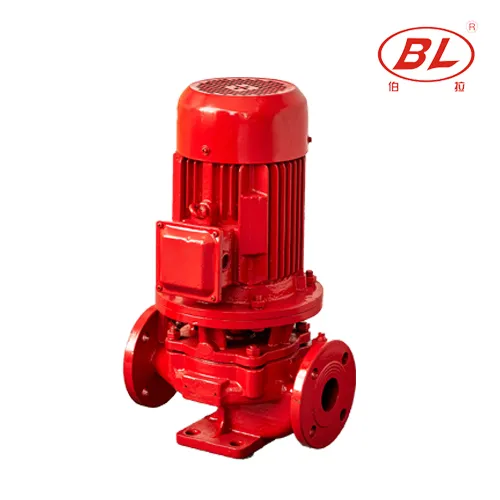
| Inline boost in a mechanical or pump room | Bomba de agua en línea vertical ISG | Duty point, suction condition, installation orientation |
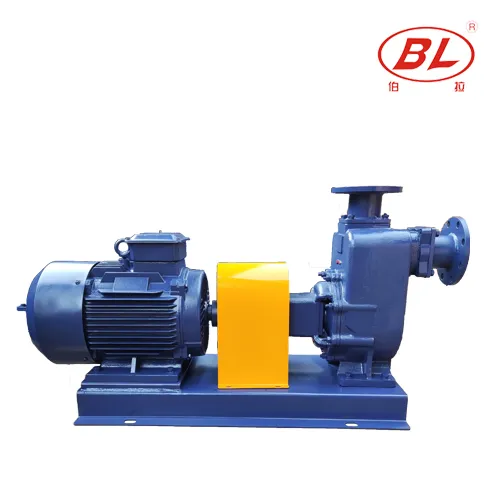
| Open-source lift from pond, tank, or canal | Bomba de agua autocebante ZX para riego | Suction lift, priming arrangement, seasonal duty |
Why not recommend fire-pump sets here: automatic fire sprinkler boosting requires engineered fire-protection equipment and approvals outside the scope of a landscape irrigation installation checklist.
Part 7. What Are the Fit Boundaries?
Se adapta a:
- Pre-startup verification for landscape or agricultural sprinkler pressure boosting where source flow exists.
- Routing an RFQ after measured zone duty is available.
No encaja:
- Fire sprinkler or life-safety pressure maintenance without a separate fire-system design path.
- Replacing source capacity, fixing clogged nozzles, or correcting zoning with a larger booster alone.
- Declaring backflow device type, location, or code compliance without local review.
Debe confirmarse antes de cotizar:
- Dynamic inlet pressure, largest zone flow, required head or pressure at the worst outlet, liquid quality, power supply, control architecture, installation environment, quantity, and destination.
For project matching, send the measured data through contactar con BORRAPUMP after completing this checklist.
Preguntas frecuentes
What is the first step in irrigation booster pump installation?
Confirm that the water source can deliver the required flow at the booster suction during peak zone demand, then measure dynamic inlet pressure and worst-zone requirements before mounting equipment.
Can a booster pump fix low pressure on the farthest sprinkler zone only?
It can if the source flow is adequate and the duty point is verified for that zone or the controlled simultaneous demand the design allows. It cannot fix an undersized mainline or closed valve by itself.
Does an irrigation booster always need a pressure tank?
Not always. Some VFD or wide-band pressure-switch designs operate without a large tank, while constant-speed systems may need tank volume to reduce short cycling. Match tank and control strategy to the measured load profile.
Should the booster be installed before or after the backflow preventer?
There is no single answer for every jurisdiction or device. The approved plumbing design and local rules govern placement; qualified professionals must confirm the arrangement for the specific site.
Why does an irrigation booster short-cycle when no sprinklers appear to be running?
Common causes include a leaking check valve, incorrect pressure differential, a tank with wrong pre-charge, small line leaks, or a control signal that does not match actual zone demand.
Can a landscape irrigation booster serve a fire sprinkler system?
No. Fire sprinkler pressure boosting requires engineered fire-protection equipment, controls, and approval paths that are separate from ordinary irrigation boosting.
Where should pressure be measured for tuning?
At the location the design protects — often the highest or most distant sprinkler or manifold — not only at the pump discharge flange.
What data should I send for an irrigation booster quote?
Send system type, source description, largest zone flow, dynamic inlet pressure, required outlet pressure, elevation and pipe losses, control method, power supply, installation environment, quantity, and destination.