
Irrigation pump intake screen sizing starts with the maximum intake flow and the applicable screen-velocity criterion. Divide flow by the specified velocity using the area definition required by that criterion, then check the installed screen geometry, submerged area, debris loading and cleaning method. Do not size a surface-water screen from the pump’s suction connection alone. A screen must protect the intake without creating an unacceptable suction restriction, and fish-protection requirements can impose conditions beyond those needed to keep large debris out of the pump.
This guide concerns an intake drawing surface water from a pond, canal, reservoir or river. A borehole well screen and a discharge-side irrigation filter serve different functions and need different design methods.
Define the intake duty before choosing mesh
Record the maximum simultaneous withdrawal, the intended operating schedule, seasonal water levels, source-water condition and the pump’s location. Identify whether one screen serves one pump or several units. The governing intake flow may be the combined duty of a station rather than the nominal capacity of one pump.
Use the expected operating range, not only the current irrigation zone. Future zones, flushing and planned expansion can change the intake duty. Keep those allowances explicit so that a supplier can distinguish the required present duty from an optional future arrangement.
Begin with the actual irrigation pump sizing basis. Intake-screen area is one part of that system calculation. It does not determine the required discharge pressure, emitter flow or the pump’s complete operating point.
Separate three different area definitions
The screen’s outside dimensions describe its gross surface area. Frames, solid end pieces and surfaces blocked by installation do not necessarily contribute useful flow area. The submerged, exposed portion may be smaller than the manufacturer’s overall cylindrical or box-shaped surface.
Open area is the portion occupied by actual openings rather than material. Some design criteria define a velocity relative to an effective screen surface, while others use the clear area of the openings. Read the criterion before applying an open-area correction. Using two different definitions in one calculation can produce a screen that appears adequate on paper but is based on the wrong denominator.
El Fisheries and Oceans Canada end-of-pipe screen procedure addresses screen geometry and fish-protection criteria. Its definitions and applicable conditions must be read together. It is a Canadian procedure, not automatic approval of an intake in another jurisdiction.
Use flow divided by velocity with consistent units
For a criterion expressed as flow divided by a defined area, the basic relation is A = Q / v. A is the area required by that criterion in square meters, Q is flow in cubic meters per second, and v is the selected velocity in meters per second. The equation is straightforward; choosing the correct velocity and area definition requires the actual design basis.
For an arithmetic example only, assume Q = 0.020 m³/s and an approved criterion that explicitly uses clear opening area at v = 0.10 m/s. The required clear opening area is 0.20 m². If a candidate screen has 50% open area, its contributing gross surface would be 0.40 m² before the designer addresses blocked faces, water level and other allowances.
These are hypothetical inputs, not a recommended velocity, product rating or fish-protection approval. If the selected criterion already defines an effective area differently, do not automatically divide by porosity again. Document that definition beside the calculation so the quotation and engineering review use the same basis.
Check the lowest water level and installed position
Draw the candidate screen at the minimum expected operating water level. Identify what remains submerged and exposed. A nominally large screen can lose useful area if one face rests against the bottom or if seasonal drawdown exposes its upper surface. Include supports and nearby obstructions in the drawing.
Review clearance from sediment, the direction of ambient flow and the arrangement of the suction connection. Do not assume uniform flow through every part of the screen simply because the total average velocity is low. The designer may need to assess how the intake pipe and internal geometry distribute flow.
El British Columbia sprinkler-irrigation manual’s pump chapter contains a screen-sizing example that distinguishes area and open-area allowance. Its example is tied to stated conditions. Use the method carefully and establish the criteria for the actual source, species and permit.
Include debris and cleaning in the design decision
List likely debris: leaves, aquatic growth, floating waste, sediment and seasonal organic material. Ask how the screen will be inspected and cleaned when that material accumulates. A screen that can only be accessed by unsafe lifting or entering the water has an unresolved maintenance problem even if its clean-area calculation is satisfactory.
Specify the intended cleaning arrangement and the permitted response to fouling. Manual cleaning, mechanical cleaning and other arrangements require different access and operating provisions. The designer should address the condition during cleaning and whether the station can continue operating through an alternative intake.
Do not present a simple percentage allowance as a universal solution to fouling. The example calculation above intentionally describes a clean screen. Dirty-screen performance and the operating trigger for cleaning need their own documented basis, supported by the actual screen supplier’s information and source-water conditions.
Protect the suction calculation
Screen restriction belongs in the complete suction assessment. Compare the available suction conditions at the lowest water level with the selected pump’s requirements and the project’s margins. Include the actual intake piping and valves instead of treating the screen as the only loss.
El documento relacionado suction-strainer pressure-drop guide explains the loss question in more detail. Screen opening size alone does not tell you the head loss at the design flow. Request the supplier’s applicable hydraulic data and the conditions under which it was obtained.
If poor intake conditions cause unstable flow, do not immediately select a larger pump. Review the screen condition and the available-versus-required NPSH assessment first. More pumping capacity can increase the withdrawal through an already inadequate intake arrangement.
Compare quotations using a common basis
The table below is a procurement checklist. It does not prescribe one screen velocity or opening size; those are project inputs that must be agreed before offers can be compared meaningfully.
| Inquiry item | Información para proporcionar | Información a solicitar |
|---|---|---|
| Flujo | Maximum combined withdrawal and operating range | cURL Too many subrequests by single Worker invocation. To configure this limit, refer to https://developers.cloudflare.com/workers/wrangler/configuration/#limits |
| cURL Too many subrequests by single Worker invocation. To configure this limit, refer to https://developers.cloudflare.com/workers/wrangler/configuration/#limits | cURL Too many subrequests by single Worker invocation. To configure this limit, refer to https://developers.cloudflare.com/workers/wrangler/configuration/#limits | cURL Too many subrequests by single Worker invocation. To configure this limit, refer to https://developers.cloudflare.com/workers/wrangler/configuration/#limits |
| cURL Too many subrequests by single Worker invocation. To configure this limit, refer to https://developers.cloudflare.com/workers/wrangler/configuration/#limits | cURL Too many subrequests by single Worker invocation. To configure this limit, refer to https://developers.cloudflare.com/workers/wrangler/configuration/#limits | cURL Too many subrequests by single Worker invocation. To configure this limit, refer to https://developers.cloudflare.com/workers/wrangler/configuration/#limits |
| Instalación | cURL Too many subrequests by single Worker invocation. To configure this limit, refer to https://developers.cloudflare.com/workers/wrangler/configuration/#limits | Drawing showing contributing surfaces in position |
| Hydraulics | Suction calculation and allowable loss allocation | Applicable clean and fouled-condition information |
| Environmental review | Location and governing approval conditions | Evidence addressing the specified criteria |
Require suppliers to explain differences in their area calculations. A lower-priced unit with a different denominator may not be an equivalent screen. Likewise, a larger overall enclosure may contain less effective area once supports and solid surfaces are accounted for.
Keep the intake distinct from discharge filtration
An intake screen protects the source-water withdrawal and limits material entering the suction system. A discharge filter may need to protect emitters and irrigation equipment against much finer contamination. Choosing one does not automatically eliminate the need for the other.
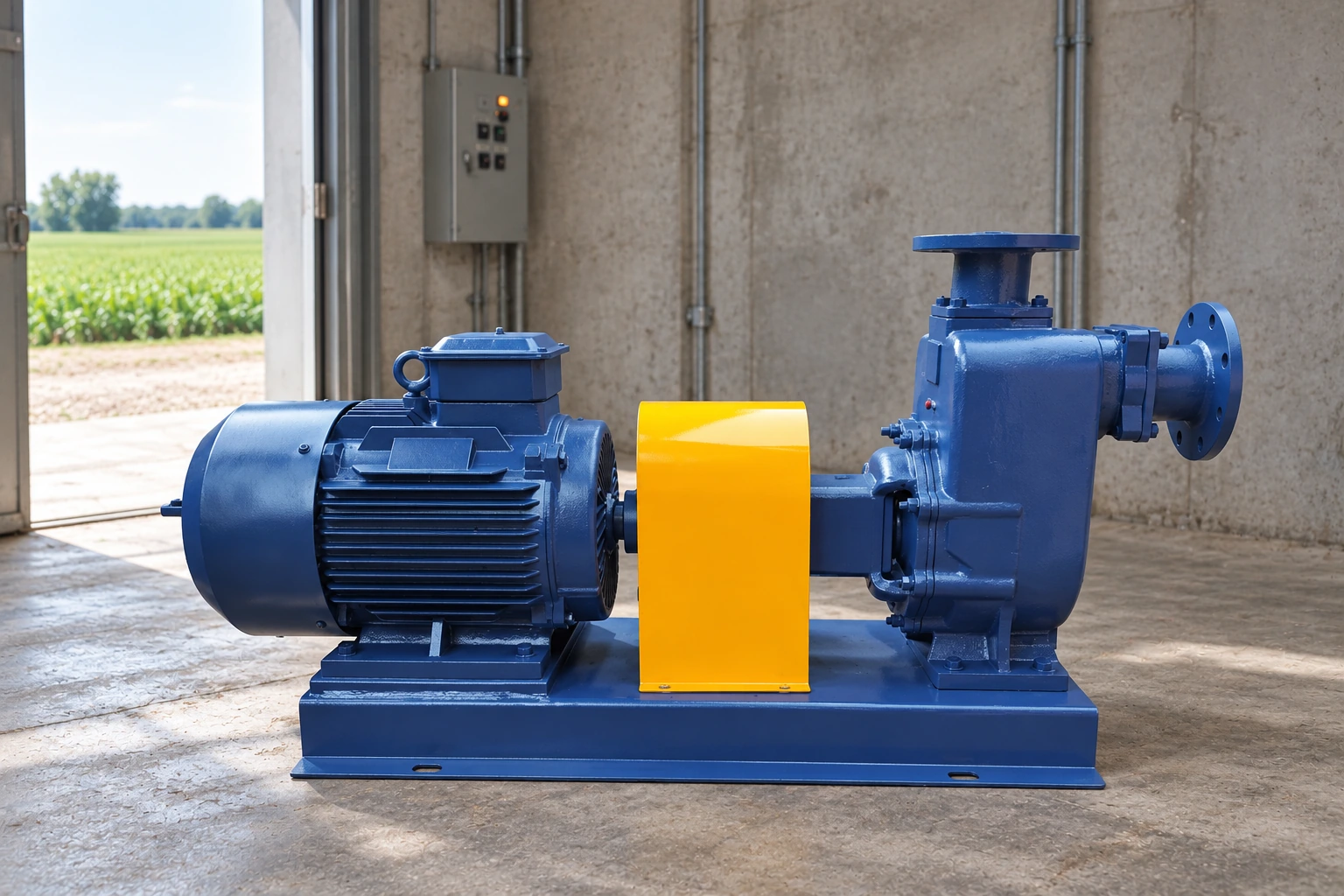
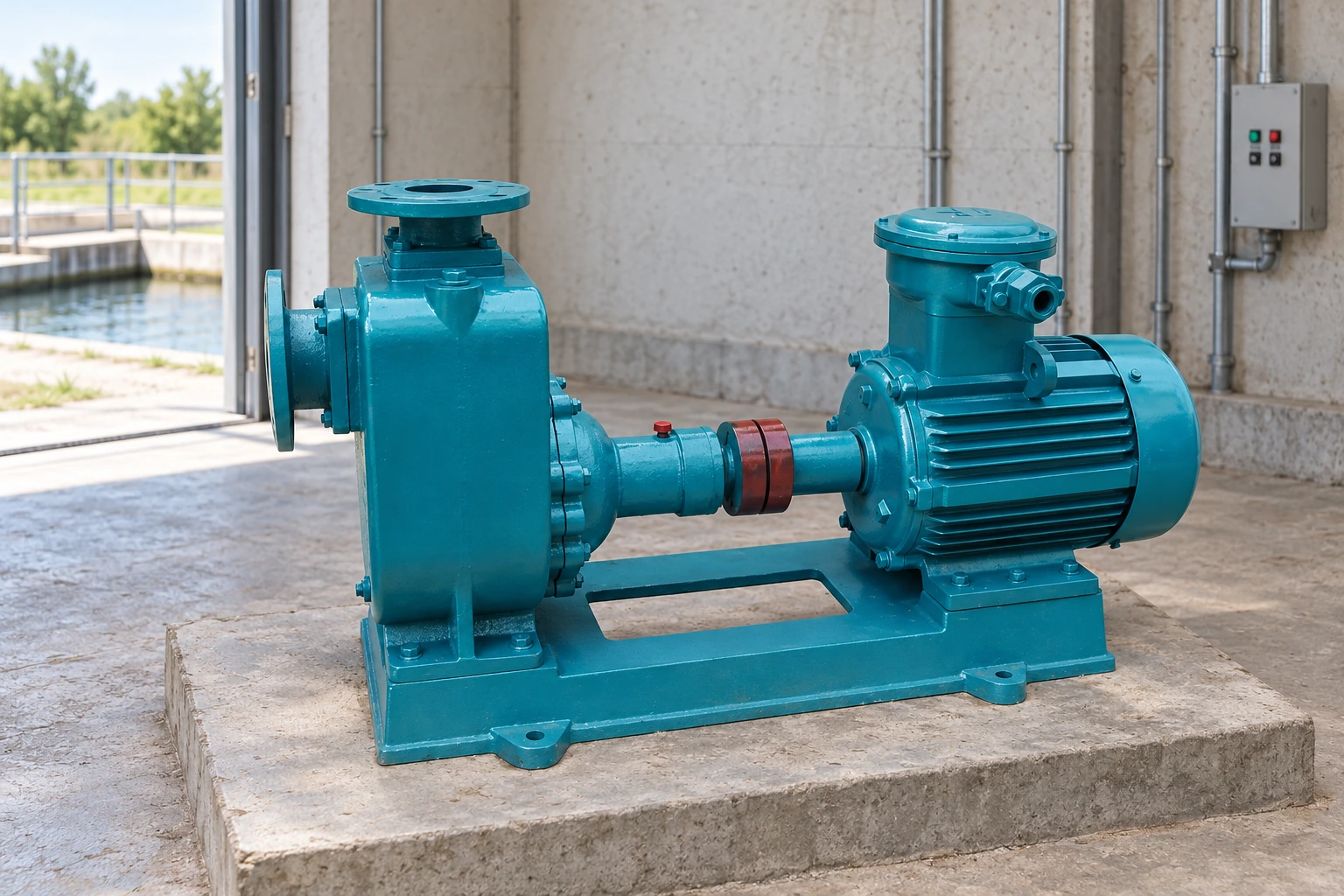
Utiliza el irrigation discharge-filter selection guide for that downstream decision. For a diesel self-priming agricultural pump inquiry, supply the intake drawing and water-level range alongside the required flow and discharge duty. The product photograph does not depict a verified screened installation.
Further learning: Practical Engineering’s lesson on flow and pressure in pipes helps explain why restrictions and system geometry affect delivered flow. It supports understanding the suction-system review without replacing a site-specific screen design or environmental assessment.
Preguntas frecuentes
Can the screen be the same diameter as the suction pipe?
Connection diameter alone does not establish enough screen area. Determine the required contributing area using the applicable velocity criterion, then check opening area, installation position and cleaning. A short screen with the same connection can have a very different hydraulic and maintenance outcome from a larger exposed surface.
Is open area the same as submerged surface area?
No. Submerged surface describes a geometric portion under water, while open area describes the actual openings within a contributing surface. The applicable design method determines which area belongs in its velocity equation. State the definitions explicitly to prevent either omission or double counting of an allowance.
Does a fine mesh provide better protection in every case?
Smaller openings may exclude smaller material, but the complete design must also address blockage, cleaning, hydraulic loss and environmental requirements. Do not choose mesh in isolation. Establish what the intake must exclude and how the screen will remain serviceable throughout the withdrawal period.
Can a fish-screen value from another country be copied?
Use it as technical background rather than project approval. Criteria can depend on species, life stages, flow conditions and the governing authority. Obtain the applicable requirements and use their definitions and conditions consistently. A pump supplier’s quotation does not replace that environmental decision.
What should be checked after installation?
Verify the installed geometry, submerged contributing area, access and cleaning arrangement against the approved drawing. Complete the specified hydraulic and environmental checks, retain the results, and establish an inspection record that responds to seasonal changes. A successful initial start does not demonstrate long-term resistance to fouling.