
Choosing a centrifugal vs gear pump for oil transfer starts with the liquid’s viscosity over its full operating temperature range, the required flow and pressure, suction conditions, and contamination. A centrifugal pump adds energy through an impeller; a gear pump moves liquid through repeated displacement between rotating gears and the casing. Neither mechanism is universally better. Low-viscosity bulk transfer may suit an appropriately selected centrifugal pump, while a gear pump may suit a different viscous-liquid or pressure duty. Compare actual supplier performance, power, materials, and protection at the specified conditions before choosing either design.
This guide compares mechanisms and procurement decisions. It does not establish that every oil, gear pump, or self-priming centrifugal model is suitable for a particular installation. Flammable liquids, hazardous areas, temperature extremes, and environmental containment require qualified project review.
Compare the pumping mechanisms before comparing prices
A centrifugal pump uses an impeller to transfer energy to the liquid, with the casing helping convert the resulting flow into useful pressure. The operating point depends on the interaction between the pump performance curve and the system. Changing resistance, speed, viscosity, or liquid level can change flow. A quoted maximum flow is therefore not the guaranteed delivery through a particular pipe and valve arrangement.
A gear pump is a rotary positive-displacement machine. Rotation carries liquid through spaces around the gears from the inlet side toward the outlet. Actual delivery depends on displacement, speed, internal leakage, and the liquid and pressure conditions. Calling the flow “constant” without those qualifications can mislead a buyer. Clearances, wear, viscosity, and pressure differential all matter.
Le Hydraulic Institute pump FAQs explain rotodynamic and positive-displacement principles and the protection considerations associated with displacement pumps. Use these principles to frame a comparison, then obtain the exact manufacturer’s curves and limits. A comparison of product-family labels cannot replace a duty-specific selection.
Use viscosity at operating temperature, not a generic oil name
“Oil” may describe a light hydrocarbon, a lubricating product, a cold stored liquid, or a mixture containing contamination. Obtain the actual viscosity and density at the lowest expected startup temperature and the normal and highest operating temperatures. Include concentration, water content, solids, additives, and any changeover liquids. Do not assume that a nominal grade identifies the complete process envelope.
Viscosity affects the two mechanisms differently. Centrifugal performance can require appropriate correction from water-based curves, including efficiency and absorbed power. Gear pump internal leakage and inlet behavior also depend on viscosity; higher viscosity does not automatically make every gear pump a better choice. A very viscous liquid may be difficult to supply through a long restrictive suction pipe even when the discharge duty appears modest.
The Hydraulic Institute discussion of how viscosity affects pumping provides the underlying distinction. Ask each supplier to state the viscosity basis, applicable correction method, operating speed, and power requirement. Avoid universal viscosity crossover values unless they come from a documented method applicable to the proposed equipment.
Match each mechanism to the complete transfer duty
Write the required flow at a defined destination pressure and level. Identify whether the liquid moves between open tanks, feeds a process, passes through filters, or must maintain a controlled quantity. State minimum, normal, and maximum demand. Include operating hours, starts, batch size, cleaning, and whether a blocked route or empty source is credible. These details can change the preferred mechanism and protection arrangement.
A centrifugal pump may be useful for a suitable bulk-transfer duty where the liquid and system permit efficient operation within its recommended range. A gear pump may be useful where its displacement behavior matches the required viscous-liquid duty. Neither statement is a promise for a specific model. Flow, differential pressure, inlet requirements, speed, materials, and driver capability must all fit together.
For an existing self-priming installation, use the self-priming oil transfer selection guide as a broader project checklist. That selection discussion addresses the liquid envelope, priming, and site requirements; this comparison focuses on choosing the mechanism. Self-priming describes a capability under specified conditions, not a separate exemption from viscosity or inlet limitations.
Use a qualitative comparison table, then request curves
The following comparison supports an initial technical enquiry. It contains no invented performance limits or universal cutoffs. The supplier must turn these questions into model-specific evidence at the required temperature and duty.
| Décision | Centrifugal candidate | Gear pump candidate |
|---|---|---|
| Flow behavior | Verify operating point against the system curve | Verify displacement, speed, and internal leakage |
| Viscosity | Obtain applicable viscosity-corrected performance | Check inlet filling, power, speed, and slip |
| Discharge restriction | Check permitted operating range and heat rise | Provide engineered overpressure protection |
| Suction arrangement | Verify priming and required suction margin | Verify inlet pressure requirements at viscosity |
| Contamination | Check passage and wear suitability | Check clearances, wear, and filtration requirements |
| Quantity control | Confirm measurement and control method | Do not equate nominal displacement with proven metering accuracy |
| Maintenance | Review seals, impeller, bearings, and duty history | Review gears, clearances, bearings, seals, and leakage trends |
Check suction piping and startup separately
Evaluate the lowest source level, longest suction path, highest startup viscosity, and condition of strainers, valves, hoses, and fittings. A pump cannot reliably deliver liquid that the inlet system cannot supply. Air ingress, restrictive pipework, excessive suction lift, or volatile liquid can undermine either candidate. Treat startup and normal running as separate cases where conditions differ.
A self-priming centrifugal model normally needs preparation according to its manual, including any required initial casing fill. Do not infer dry-running tolerance from the words self-priming. A gear pump likewise needs confirmation of priming capability, lubrication, seal requirements, and permitted dry-running conditions. The construction of one gear pump does not establish the limits of another.
Ask for the documented inlet requirement using the supplier’s terminology and measurement basis. Confirm the liquid properties used and the design allowance applied. A water-only suction calculation can miss the behavior of a colder, more viscous product. Resolve these questions before adding a larger motor or selecting a pump solely from a discharge-pressure rating.
Specify pressure protection and safe operating controls
A positive-displacement pump can create a dangerous pressure rise when its discharge path is blocked. The system needs an engineered relief arrangement appropriate to the liquid, rated components, operating pressure, and credible failure conditions. Do not use a shut valve as a flow-control method for a gear pump. Internal relief features, where supplied, must be reviewed for their intended role and limitations.
Centrifugal pumps also need an approved operating range and protection strategy. Operation at unsuitable low flow, loss of prime, or other off-design conditions can cause heating, vibration, or damage. The presence of a shutoff head does not make prolonged blocked-discharge operation acceptable. Specify minimum-flow needs, monitoring, and shutdown actions from the actual manufacturer’s requirements.
Review hazardous-area classification, electrical equipment, bonding, containment, ventilation, and emergency isolation with responsible specialists. Mechanism choice alone does not establish suitability for flammable oil. Relief discharge and leakage collection must lead to an approved destination; returning heated liquid through a small bypass without proper evaluation can create another problem.
Compare lifecycle evidence and supplier scope
Compare purchase cost only after both offers describe the same duty and scope. Include driver, coupling guard, base, seal system, required instrumentation, relief equipment, filtration where specified, installation work, spares, and acceptance testing. An inexpensive bare pump can appear attractive when the second offer includes the protection and accessories needed for a usable system.
Ask each bidder to document expected flow, power, efficiency where applicable, operating range, and maintenance needs at the stated liquid conditions. Review the Department of Energy pump systems resources for the importance of whole-system evaluation. Do not invent an energy-saving percentage or assume that one mechanism is always more efficient across different fluids and duty points.
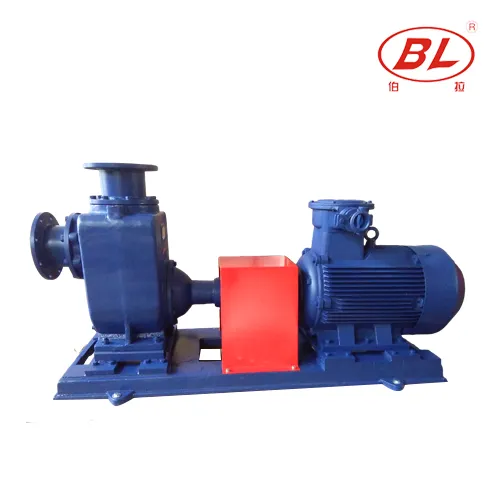
Le BorraPumps CYZ-A oil pump page provides a centrifugal product reference for an enquiry. The illustrations here show that product type; they do not depict a gear pump or prove chemical compatibility. Confirm the model’s documented limits directly. For supporting preparation, the motor starting guide addresses the electrical starting discussion, while the self-priming pump maintenance guide covers inspection records and maintenance planning.
Further learning: centrifugal operation
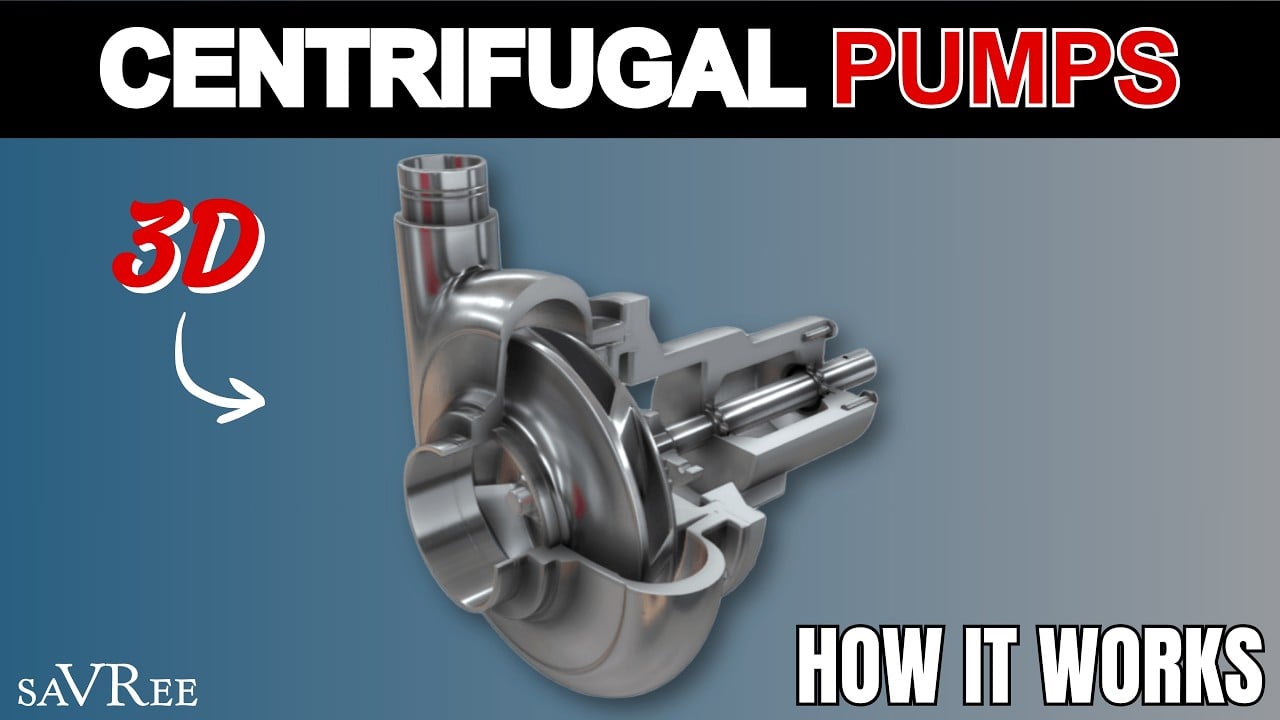
This saVRee educational animation explains centrifugal operation. It is background learning rather than a gear-pump selection certificate or evidence of the illustrated product’s performance.
Foire aux questions
Is a gear pump always better for oil?
No. The answer depends on viscosity, temperature, flow, pressure, inlet conditions, contamination, and the selected model. Compare supplier evidence for the actual duty.
Can a centrifugal water curve be used unchanged for viscous oil?
Do not assume so. Ask the supplier for the applicable correction method and resulting flow, head, efficiency, power, and operating limits at the stated viscosity.
Can a gear pump run against a closed discharge valve?
Do not use that as an operating method. A displacement system needs engineered pressure protection and approved controls for blocked-discharge conditions.
Does self-priming mean the pump can run dry?
No. Priming preparation, air evacuation, seal lubrication, and dry-running limits are separate model-specific requirements stated in the manufacturer’s instructions.
What information makes supplier quotations comparable?
Give every bidder the same liquid envelope, duty points, piping conditions, control requirements, protection scope, materials requirements, operating schedule, and acceptance-test criteria.