
Industrial fire pump selection starts with the site's approved fire scenarios, not a generic catalog duty. Determine which sprinkler, hydrant, monitor, deluge, foam, cooling-water, and exposure-protection demands can operate together; then compare that demand with each reliable water source. Select the pump, driver, materials, controls, and redundancy so the complete package can perform across the required curve while remaining testable and maintainable in the plant environment. Keep the calculation and acceptance record with the final project documents so future tests use the same basis.
Safety and scope: Fire pumps and their drivers are life-safety equipment. Hydraulic, electrical, diesel, fuel, battery, pressure, rotating-equipment, testing, and impairment work must follow the current approved design, manufacturer instructions, applicable standards, and the authority having jurisdiction. This guide explains the engineering decision path; it does not authorize field changes, bypasses, or operation by unqualified personnel.
Build the fire-scenario matrix
List credible events by process area and identify simultaneous water systems. Separate code minimums from insurer, owner, and process-safety requirements. Treat this as a system condition rather than an isolated component choice. Identify the source of every input, the unit used, the operating condition it represents, and the person responsible for approval. If information is preliminary, mark the assumption and test how the decision changes at a conservative boundary. This prevents a neat calculation from hiding an uncertain water level, pressure, valve position, driver condition, or simultaneous demand.
For industrial fire pump selection, verify this section against the selected pump curve, the actual site arrangement, manufacturer instructions, and the current requirements accepted by the authority having jurisdiction. Check the installed condition as well as the drawing because pipe routes, elevations, supports, controls, and access often change during construction. Record the result in a form that can be repeated during commissioning and later inspection. Do not change a safety-critical setting or isolate fire protection without the approved impairment and restoration process.
Define liquid and source conditions
Confirm water quality, temperature, corrosion, sediment, tank level, seawater or brackish exposure, and the dependable source curve. The most useful evidence is measured or approved project data, not a copied rule of thumb. Identify the source of every input, the unit used, the operating condition it represents, and the person responsible for approval. If information is preliminary, mark the assumption and test how the decision changes at a conservative boundary. This prevents a neat calculation from hiding an uncertain water level, pressure, valve position, driver condition, or simultaneous demand.
For industrial fire pump selection, verify this section against the selected pump curve, the actual site arrangement, manufacturer instructions, and the current requirements accepted by the authority having jurisdiction. Check the installed condition as well as the drawing because pipe routes, elevations, supports, controls, and access often change during construction. Record the result in a form that can be repeated during commissioning and later inspection. Do not change a safety-critical setting or isolate fire protection without the approved impairment and restoration process.
Calculate flow and head
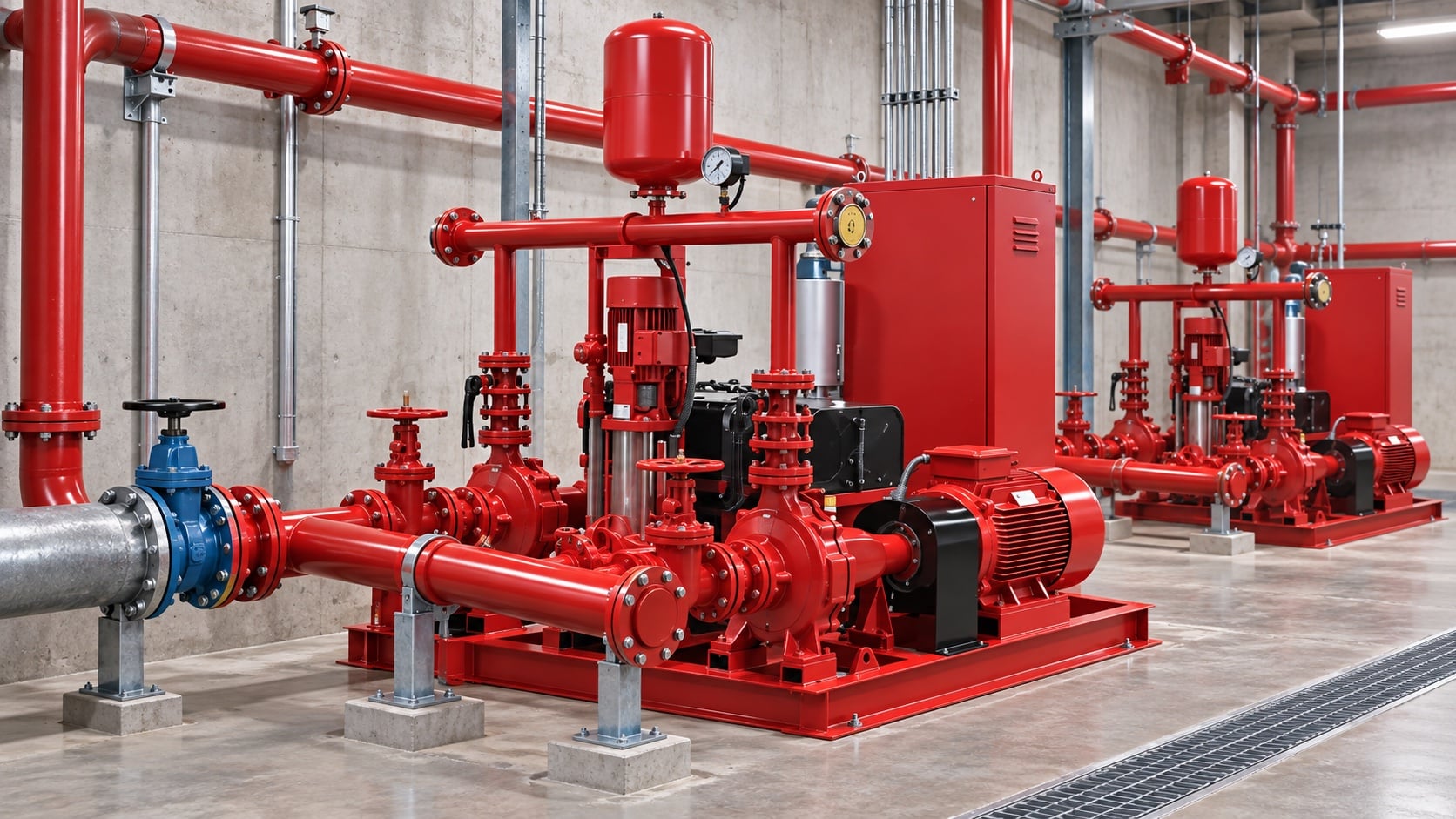
Use the controlling scenario, elevation, friction, residual pressure, and suction condition. Check changes caused by future units or network isolation. Review this condition at normal, test, and credible abnormal states before procurement. Identify the source of every input, the unit used, the operating condition it represents, and the person responsible for approval. If information is preliminary, mark the assumption and test how the decision changes at a conservative boundary. This prevents a neat calculation from hiding an uncertain water level, pressure, valve position, driver condition, or simultaneous demand.
For industrial fire pump selection, verify this section against the selected pump curve, the actual site arrangement, manufacturer instructions, and the current requirements accepted by the authority having jurisdiction. Check the installed condition as well as the drawing because pipe routes, elevations, supports, controls, and access often change during construction. Record the result in a form that can be repeated during commissioning and later inspection. Do not change a safety-critical setting or isolate fire protection without the approved impairment and restoration process.
Select pump construction
Match pump type, materials, seals, bearings, and arrangement to water quality, environment, duty, and maintenance capability without inventing universal materials. The design team should turn this point into a traceable calculation or drawing note. Identify the source of every input, the unit used, the operating condition it represents, and the person responsible for approval. If information is preliminary, mark the assumption and test how the decision changes at a conservative boundary. This prevents a neat calculation from hiding an uncertain water level, pressure, valve position, driver condition, or simultaneous demand.
For industrial fire pump selection, verify this section against the selected pump curve, the actual site arrangement, manufacturer instructions, and the current requirements accepted by the authority having jurisdiction. Check the installed condition as well as the drawing because pipe routes, elevations, supports, controls, and access often change during construction. Record the result in a form that can be repeated during commissioning and later inspection. Do not change a safety-critical setting or isolate fire protection without the approved impairment and restoration process.
Table de décision pratique
| Selection area | Industrial question | Deliverable |
|---|---|---|
| Fire scenarios | Which systems operate together? | Demand matrix |
| Source d'eau | What is dependable during an incident? | Supply curve and storage data |
| Environment | Is the area corrosive, hot, dusty, or hazardous? | Site conditions and area classification |
| Driver | Which energy source remains reliable? | Power or fuel study |
| Redundancy | What happens after one failure? | Availability analysis |
| Testing | Can full performance be verified safely? | Test and drainage plan |
Choose driver and controls
Review electric supply reliability, diesel fuel and ventilation, starting method, hazardous-area boundaries, alarms, and remote monitoring. Treat this as a system condition rather than an isolated component choice. Identify the source of every input, the unit used, the operating condition it represents, and the person responsible for approval. If information is preliminary, mark the assumption and test how the decision changes at a conservative boundary. This prevents a neat calculation from hiding an uncertain water level, pressure, valve position, driver condition, or simultaneous demand.
For industrial fire pump selection, verify this section against the selected pump curve, the actual site arrangement, manufacturer instructions, and the current requirements accepted by the authority having jurisdiction. Check the installed condition as well as the drawing because pipe routes, elevations, supports, controls, and access often change during construction. Record the result in a form that can be repeated during commissioning and later inspection. Do not change a safety-critical setting or isolate fire protection without the approved impairment and restoration process.
Plan redundancy and impairment
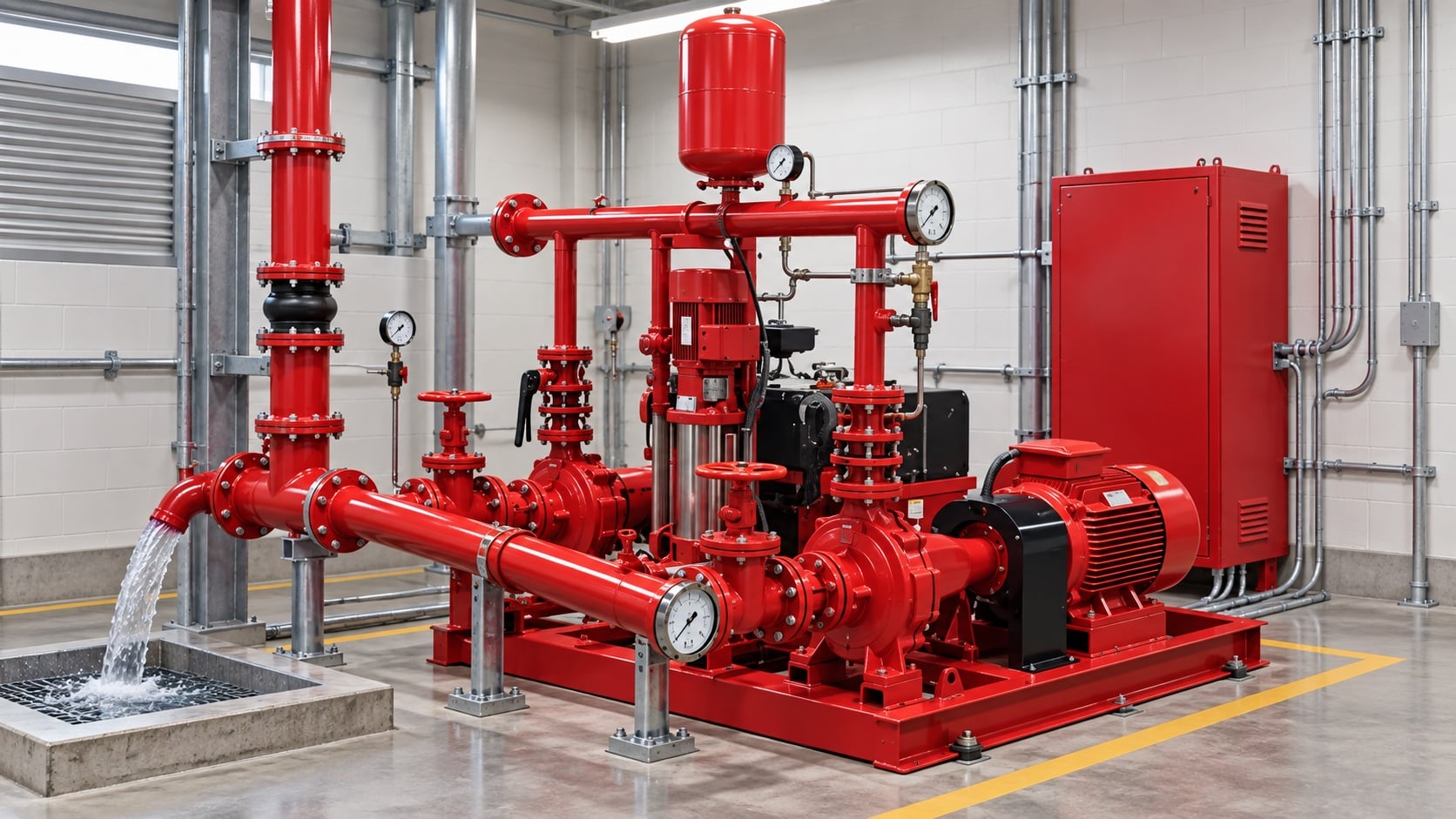
Analyze loss of one pump, one water source, power, fuel, controller, or critical header. Define how protection is maintained during maintenance. The most useful evidence is measured or approved project data, not a copied rule of thumb. Identify the source of every input, the unit used, the operating condition it represents, and the person responsible for approval. If information is preliminary, mark the assumption and test how the decision changes at a conservative boundary. This prevents a neat calculation from hiding an uncertain water level, pressure, valve position, driver condition, or simultaneous demand.
For industrial fire pump selection, verify this section against the selected pump curve, the actual site arrangement, manufacturer instructions, and the current requirements accepted by the authority having jurisdiction. Check the installed condition as well as the drawing because pipe routes, elevations, supports, controls, and access often change during construction. Record the result in a form that can be repeated during commissioning and later inspection. Do not change a safety-critical setting or isolate fire protection without the approved impairment and restoration process.
Integrate testing and drainage
Provide a safe full-flow test route, containment, drainage, and water management suitable for the industrial site. Review this condition at normal, test, and credible abnormal states before procurement. Identify the source of every input, the unit used, the operating condition it represents, and the person responsible for approval. If information is preliminary, mark the assumption and test how the decision changes at a conservative boundary. This prevents a neat calculation from hiding an uncertain water level, pressure, valve position, driver condition, or simultaneous demand.
For industrial fire pump selection, verify this section against the selected pump curve, the actual site arrangement, manufacturer instructions, and the current requirements accepted by the authority having jurisdiction. Check the installed condition as well as the drawing because pipe routes, elevations, supports, controls, and access often change during construction. Record the result in a form that can be repeated during commissioning and later inspection. Do not change a safety-critical setting or isolate fire protection without the approved impairment and restoration process.
Specify procurement evidence
Request certified curves, driver data, controller details, material records, drawings, inspection plans, spare parts, and witnessed test procedures. The design team should turn this point into a traceable calculation or drawing note. Identify the source of every input, the unit used, the operating condition it represents, and the person responsible for approval. If information is preliminary, mark the assumption and test how the decision changes at a conservative boundary. This prevents a neat calculation from hiding an uncertain water level, pressure, valve position, driver condition, or simultaneous demand.
For industrial fire pump selection, verify this section against the selected pump curve, the actual site arrangement, manufacturer instructions, and the current requirements accepted by the authority having jurisdiction. Check the installed condition as well as the drawing because pipe routes, elevations, supports, controls, and access often change during construction. Record the result in a form that can be repeated during commissioning and later inspection. Do not change a safety-critical setting or isolate fire protection without the approved impairment and restoration process.
How this relates to BORRAPUMP equipment
BORRAPUMP supplies engineered pump equipment for water and fire-protection projects. Review the relevant BORRAPUMP product configuration as a starting point, then submit the required flow, head, water source, driver, power, controls, site conditions, applicable requirements, quantity, and destination. Final selection must use the project hydraulic basis and approved submittal; this guide does not claim that one catalog arrangement fits every jurisdiction or risk.
Guides BORRAPUMP associés
- fire fighting pump selection
- diesel versus electric fire pumps
- sélection d'un groupe motopompe incendie
Authoritative references
The following sources establish the standards boundary, fire-safety context, and pump-system principles used in this guide. Always apply the edition and local adoption accepted for the project.
- NFPA 20 standard development page
- U.S. Department of Energy pump systems resources
- NIST fire protection research
Educational video
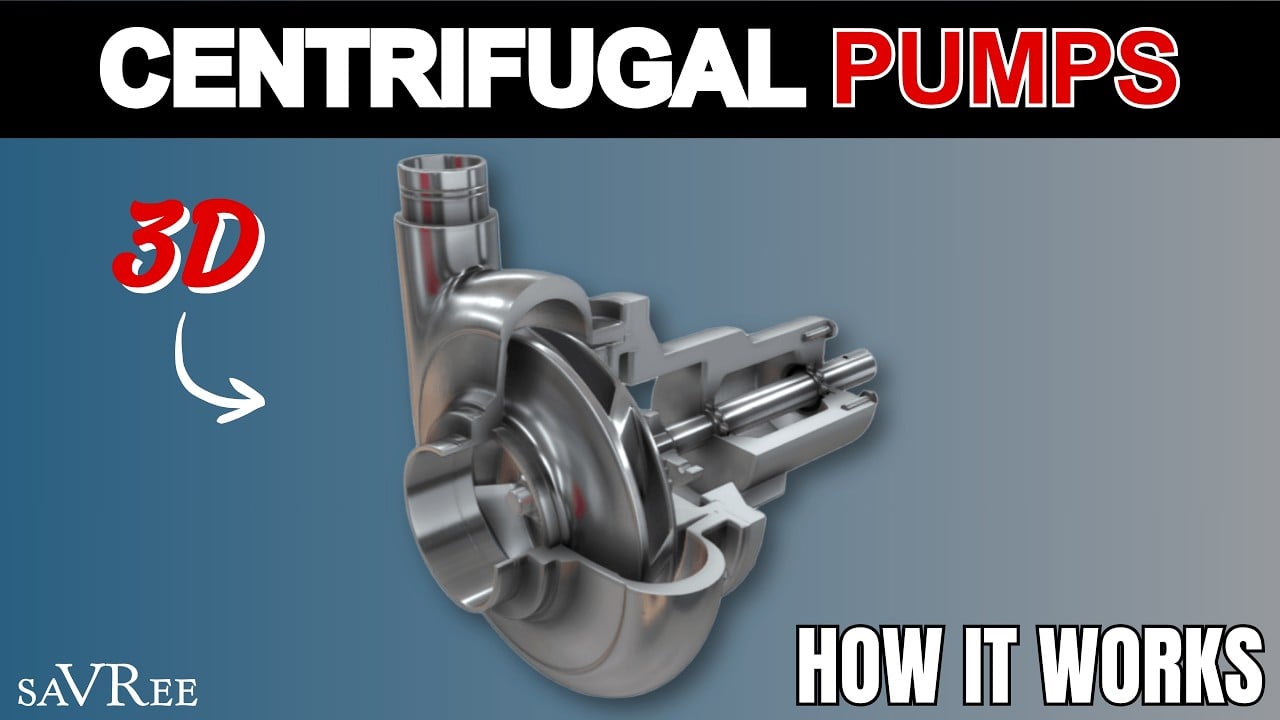
Educational background by saVRee: Comment fonctionnent les pompes centrifuges. The video supports the underlying engineering concept and does not replace project-specific fire-protection requirements.
Foire aux questions
Is one fire pump enough for an industrial plant?
It depends on the approved scenarios, water sources, reliability requirements, and consequences of one failure.
Can process cooling pumps serve as fire pumps?
Only an approved design can determine shared use. Fire protection availability, controls, and impairment management must remain clear.
When is diesel preferred?
Diesel may help where electrical reliability is inadequate, but fuel, ventilation, cooling, exhaust, maintenance, and starting reliability must be addressed.
What belongs in an industrial fire pump RFQ?
Include hydraulic duty, source, liquid, environment, driver, controls, materials, testing, documentation, destination, and applicable requirements.
Final verification checklist
Before approval, confirm the hydraulic basis, water-source condition, selected pump curve, driver and controller data, component pressure ratings, valve arrangement, test method, access, drainage, alarms, and restoration procedure. Resolve differences between drawings and the installed system. During commissioning, use calibrated instruments and record suction pressure, discharge pressure, flow, speed, driver condition, alarms, and abnormal observations at every required point. Keep the accepted results with the pump-room records so later inspections compare like with like.