
A manual water transfer pump belongs in short, attended moves where power is unavailable or undesirable and the required volume is modest — and the decision still starts from distance, elevation change, liquid character, and how long a person can sustain the work. Sites that skip those inputs often discover mid-shift that the hand route cannot finish the job. This rebuild upgrades the live selection guide for United States B2B buyers comparing manual transfer against powered alternatives.
Part 1. When Manual Transfer Is a Duty Boundary, Not a Default
Manual transfer means a person supplies the energy. That fact bounds flow, duration, and safety expectations before any brand comparison begins. If the site needs continuous relocation, multi-hour campaigns, or high volume, a powered transfer discussion should start early rather than after operators are exhausted.
| Signal | Manual route may still fit | Escalate toward powered |
|---|---|---|
| Volume | Modest batch moves | Continuous or large campaigns |
| Power availability | None or restricted | Reliable power on site |
| Attendance | Operators present and authorized | Unattended need |
| Accès | Safe working space | Confined or remote hazard |
Buyers searching for a manual water transfer pump usually need a screening checklist that prevents forcing hand equipment into powered-duty envelopes. Broader transfer vocabulary sits in the Guide de la pompe de transfert d'eau BORRAPUMP et une pompe de transfert d'eau.
Part 2. Which Distance, Lift, and Line Inputs Must Be Written Down
Record horizontal run, elevation change, hose or pipe diameter, and fittings. Hand pumps cannot overcome undocumented losses simply because the label says transfer. Distance slogans without flow and head conditions are not specifications.
| Entrée | Manual review question | Escalader quand |
|---|---|---|
| Distance | Is the run short enough for practical hand work? | Long hose runs with high losses |
| Lift | Is elevation change within verified unit capability? | Repeated high-lift cycles |
| Line diameter / fittings | Are losses acknowledged? | Undersized hose assumed “fine” |
| Duration | Can operators sustain the time needed? | Multi-hour continuous duty |
| Endpoints | Source and destination levels known? | Vague “move water across site” |
For long-route powered questions after manual screening fails, see Quelle distance une pompe de transfert peut-elle pomper de l'eau ? — that page owns distance variables for powered duties.
Part 3. How Liquid Character Changes Manual Feasibility
Clean water, silted water, and chemically aggressive liquids change feasible designs and materials. A hand unit selected for clean water and fed dirty water fails the duty quickly and can create safety problems for operators.
| Liquid note | Pourquoi c'est important | Action |
|---|---|---|
| Clean water confirmation | Matches many hand-unit materials | Proceed with model data check |
| Silt or debris | Wear and clogging risk | Escalate materials / powered solids route |
| Temperature | Affects seals and operator exposure | Record and verify |
| Chemistry | Compatibility unknown without data | Ne présumez pas |
Important : Do not force a manual water transfer pump into continuous or high-lift service based on convenience. Escalate to a powered transfer route when attendance limits or duty data say the hand envelope is too small. (Source: Institut Hydraulique / site safety procedures.)
Part 4. Why Attendance and Ergonomics Often Decide First
Who operates the pump, for how long, and under what site safety rules? Attendance planning often eliminates a manual route before hydraulics do. Write the authorized operator plan, PPE expectations, and stop criteria before purchasing.
| Élément d'évaluation | Preuve | Propriétaire |
|---|---|---|
| Duty description | Volume, endpoints, schedule | Project / site lead |
| Hose or pipe plan | Length, diameter, fittings | Installer |
| Safety procedure | Authorized operators and PPE | Site safety |
| Fallback plan | Powered option if manual fails | Procurement |
If priming steps are unclear for a powered fallback unit, use comment amorcer une pompe de transfert d'eau for that separate procedure — do not copy priming habits across unrelated machine families.
Part 5. How Manual Routes Compare With Powered Transfer Options
When distance, lift, or duration exceed practical manual work, move to documented powered transfer options with verified duty data. Construction portable duties may also point to portable water transfer pump construction after the manual screen fails.
| Comparison lens | Manual emphasis | Powered emphasis |
|---|---|---|
| Energy source | Human effort | Electric or engine drive |
| Duration | Short attended batches | Continuous or long shifts |
| Flow | Modest | Higher design rates |
| Documents | Unit instructions + safety plan | Curve, power, installation plan |
Write the planned duration, operator count, hose diameter plan, and the fallback powered option if attendance fails — those notes prevent last-minute improvisation.
Part 6. Which RFQ Paths Apply When Manual Duty Is Insufficient
If manual duty is insufficient, send controlled transfer inputs for clean-water or self-priming powered routes rather than forcing a hand pump beyond its workable envelope.
| Signal | Next route | Envoyer avec devis |
|---|---|---|
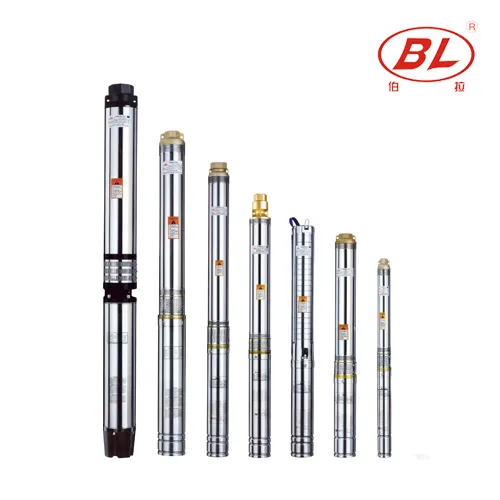
| Manual duty insufficient; clean transfer | Pompe centrifuge à eau propre IS | Endpoints, flow, head, liquid, power, documents |
| Open-source lift needing self-prime | Pompe à eau auto-amorçante ZX pour irrigation | Lift, liquid, duty, suction notes |
| Well source depth | QJ deep-well discussion after duty is clear | Depth, flow, power, documents |
Why not recommend diesel fire packages for ordinary manual transfer duties: fire-pump sets address a different engineered path and document set; they are not a convenience substitute for hand or ordinary transfer work.
After the screen, contactez BORRAPUMP with the duty sheet and the fallback decision.
Part 7. What Fit Boundaries Protect Buyers
Convient pour :
- Screening whether a hand-operated transfer route is still workable for short attended moves.
- Routing RFQs to powered options when manual limits are exceeded.
Ne convient pas :
- Rating a universal gallons-per-minute for all hand pumps.
- Approving a site procedure from this article alone.
- Using manual transfer language for fire-flow or building pressure boosting.
Must be confirmed before quote or purchase:
- Endpoints, approximate volume and time, hose or pipe plan, liquid description, operator attendance plan, and whether a powered fallback is required.
FAQ
What is a manual water transfer pump used for?
Short, attended transfers of modest volume when powered equipment is unavailable or unnecessary, subject to verified capability for the specific unit.
Can a manual pump replace a powered transfer pump?
Only when distance, lift, duration, and liquid stay within practical manual limits. Otherwise select a powered route from documented duty data.
What limits how far a manual transfer can go?
Human power, line losses, elevation, and the specific unit’s verified capability — not a generic marketing distance.
Does liquid quality matter for hand pumps?
Yes. Solids and chemistry can make a clean-water hand unit unsuitable.
What should be recorded before buying?
Endpoints, approximate volume and time, hose plan, liquid description, and operator attendance plan.
When should the site switch to a powered transfer pump?
When continuous duty, higher flow, or unsafe attendance demands exceed the manual route.
Is priming different for manual transfer pumps?
Follow the manufacturer instructions for the specific unit; do not copy priming steps from unrelated powered centrifugals.
Does this guide approve a manual transfer method?
No. Site procedures and manufacturer documentation govern safe use.