
La fonction de transfert implique que l'eau doit se trouver ailleurs : d'une source vers un stockage, entre des réservoirs, d'un stockage vers un processus, ou d'une rivière ou d'un réservoir vers un réseau d'irrigation. La livraison a son importance, et la pression à l'arrivée doit simplement être adaptée au trajet…
Réponse directe
Une pompe de transfert d'eau est toute pompe utilisée pour déplacer de l'eau d'un point à un autre où l'objectif est de transférer du volume plutôt que de maintenir une pression de service ; ce terme désigne une fonction, et non un type de produit unique. Cet article est un outil d'aide à l'examen de projets destiné aux entrepreneurs, ingénieurs, distributeurs et équipes d'approvisionnement. Il ne remplace pas un ingénieur, une autorité, un plan de mise en service ou la documentation vérifiée du fabricant de l'équipement.
1. Définition dans les termes du projet
La fonction de transfert signifie que l'eau doit se trouver ailleurs : d'une source vers un stockage, entre des réservoirs, d'un stockage vers un processus, d'une rivière ou d'un réservoir vers un réseau d'irrigation. Le refoulement importe, et la pression à l'arrivée doit simplement convenir au trajet et à l'équipement récepteur. Cela distingue le transfert de la surpression, dont le but est de maintenir une pression de service pour les utilisateurs, et du drainage, dont le but est de protéger un espace contre des eaux indésirables.
Le transfert relevant d'une obligation plutôt que d'une conception, plusieurs familles de pompes y répondent, et le choix dépend de la source, du trajet et de l'eau plutôt que de l'appellation. Garder cette définition de l'obligation à l'esprit de l'équipe permet également de clarifier les demandes : un fournisseur qui reçoit les points d'aboutissement, les données de parcours et une description de l'eau peut proposer des candidats pertinents au lieu de deviner l'application.
2. Types courants applicables aux droits de mutation
Les familles ci-dessous couvrent la plupart des travaux de transfert ; la bonne dépend de la situation d'installation.
| Type | Arrangement | Première question classique |
|---|---|---|
| Centrifuge à aspiration en bout | Monté en saillie avec aspiration en charge ou en aspiration modérée selon la conception. | La géométrie source fournit-elle la condition d'aspiration dont le modèle a besoin ? |
| Centrifuge in-line | Monté dans la canalisation, encombrement réduit. | La conception de la tuyauterie convient-elle à une unité en ligne et à son accès pour la maintenance ? |
| Auto-amorçant | Monté en surface au-dessus de la source, rétablit l'amorçage dans les limites indiquées. | L'élévation est-elle conforme aux données vérifiées du fabricant pour le modèle ? |
| Submersible | Installé dans l'eau d'alimentation. | Une installation immergée et son plan de récupération sont-ils viables à cette source ? |
| Puits artésien | Installé dans un forage ou un puits. | La profondeur de la source nécessite-t-elle un agencement de type puits selon la conception ? |
3. Utilisations typiques dans tous les projets
Les chantiers de construction acheminent l'eau vers et depuis les zones de stockage pour les besoins du site. Les exploitations agricoles acheminent l'eau de source vers les systèmes d'irrigation. Les usines industrielles effectuent des transferts entre les étapes de traitement, les réservoirs et les processus. Les équipes municipales et les équipes de gestion des installations remplissent, vide et déplacent l'eau dans le cadre de travaux de maintenance. Le point commun est une source définie, une destination définie et un acheminement contrôlé par le projet ; les différences résident dans la nature même de l'eau et dans le caractère permanent de l'installation.
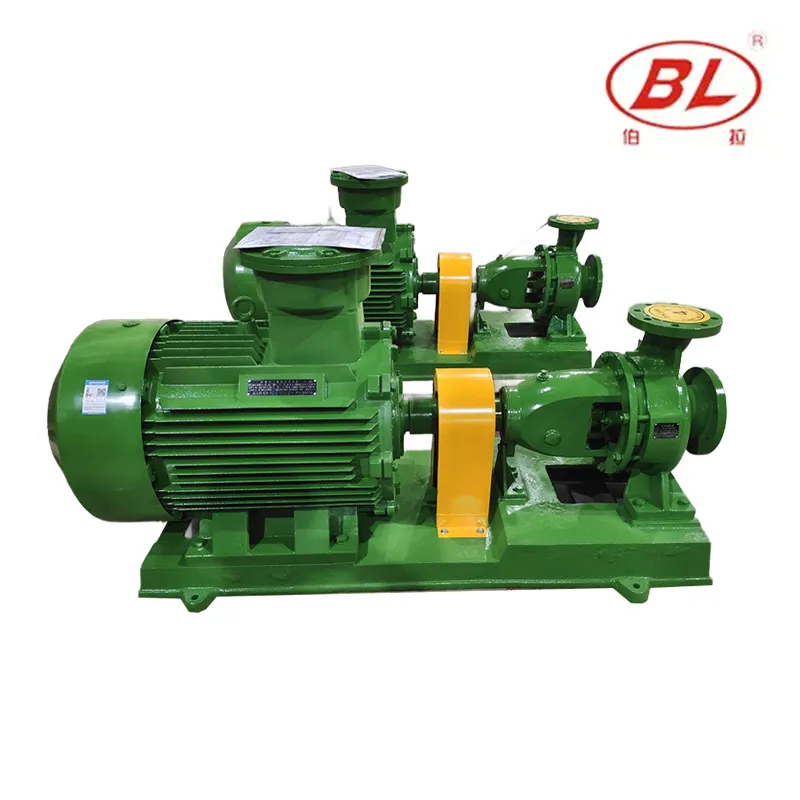
Nommer le cas d'utilisation tôt aide les fournisseurs à répondre avec des familles pertinentes plutôt qu'avec des listes génériques.
4. Ce dont a besoin une spécification de droit de mutation
Un service de pompage est défini par ses points d'origine et d'arrivée ainsi que par son tracé : le point de départ de l'eau et sa plage de niveau, le lieu de livraison et l'altitude correspondante, la longueur de la canalisation, son diamètre et les accessoires intermédiaires, le débit requis et sa source, ainsi que les caractéristiques de l'eau, notamment sa température et sa teneur en matières solides. Une fois ces paramètres fixés, les besoins en hauteur manométrique et les types d'équipements candidats se déduisent d'une étude technique basée sur les données du fabricant.
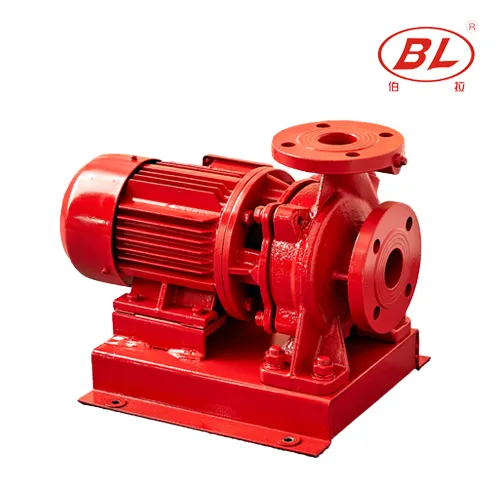
Les distances, les altitudes et les débits doivent figurer dans le dossier du projet avec leur base de mesure, car ce sont précisément les chiffres dont on se souvient mal au comptoir.
5. Limites par rapport aux autres tâches de pompage
Garder le transfert séparé des tâches avoisinantes évite une mauvaise liste de candidats.
| Devoir | Objectif | Là où la sélection commence |
|---|---|---|
| Transfert | Déplacer le volume de la source vers la destination. | Points d'extrémité, itinéraire et description de l'eau. |
| Renforcement | Maintenir la pression de service pour les utilisateurs. | Profil de demande et pression requise aux points de raccordement. |
| Drainage | Protéger un espace contre l'eau indésirable. | Point de prélèvement, nature de l'eau et conditions de rejet. |
| Protection contre l'incendie | Fournir de l'eau pour un système de protection. | La conception de protection contre l'incendie approuvée et ses autorités. |
6. Questions relatives aux achats
Une demande de cahier des charges de transfert comporte les données de point d'aboutissement et de trajet, l'exigence de débit et sa source, la description de l'eau, la situation électrique, si l'installation est permanente ou temporaire, le plan de service et les documents requis. Demandez aux fournisseurs d'identifier le modèle spécifique et les données vérifiées derrière tout cahier des charges qu'ils chiffrent, et comparez les offres par rapport au cahier des charges documenté plutôt qu'entre elles.
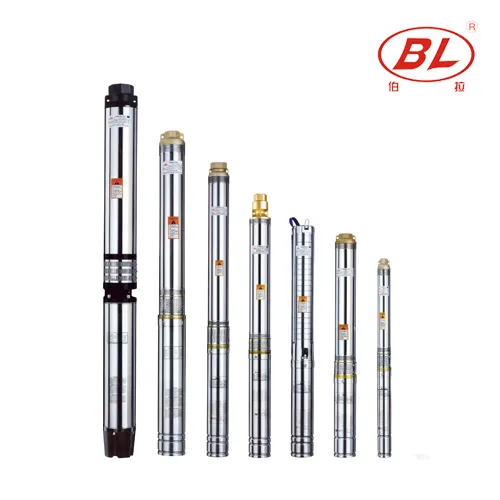
Voir le Guide de la pompe de transfert d'eau BORRAPUMP pour des ressources associées, ou contactez BORRAPUMP avec des données de projet contrôlées pour une discussion sur les lots.
7. Limites d'adéquation et de conformité
Cet article ne certifie aucun système, ne dimensionne aucun équipement et ne revendique aucune approbation par rapport à une norme, une homologation ou une autorité locale mentionnée. Il s'agit d'une aide à l'examen. Le choix final, l'installation, les essais et la réception nécessitent les documents du projet en cours, les professionnels responsables, les autorités applicables et les données vérifiées du fabricant pour l'équipement spécifique fourni.
FAQ
Une pompe de transfert d'eau est-elle un type de produit spécifique ?
Non. Le transfert est une obligation. Les conceptions à aspiration terminale, en ligne, auto-amorçantes, submersibles et à puits profond le servent toutes, sélectionnées à partir des données de la source, de la voie et de l'eau.
Quelle est la différence entre une pompe de transfert et une pompe de surpression ?
Le transfert déplace le volume entre les points ; le renforcement maintient la pression de service pour les utilisateurs. Les tâches partent de données différentes et sont examinées différemment.
Une pompe de transfert peut-elle gérer de l'eau sale ?
Seulement si les données vérifiées du modèle spécifique couvrent les solides décrits et la nature de l'eau. L'étiquette de service n'établit pas de tolérance.
Quelles données corrigent un droit de mutation ?
Niveaux de source et de destination, longueur de route et raccords, débit requis avec sa source, description de l'eau, et situation de puissance et d'installation.
Une mutation temporaire nécessite-t-elle le même examen qu'une mutation permanente ?
Les mêmes entrées s'appliquent. Les installations temporaires ajoutent des questions de mobilité, de fixation et de rétablissement plutôt que d'éliminer les questions d'ingénierie.
Qui confirme quel type de pompe convient à un service de transfert ?
Le réviseur responsable du projet, assumant la tâche documentée par rapport aux données vérifiées par le fabricant pour des modèles spécifiques.