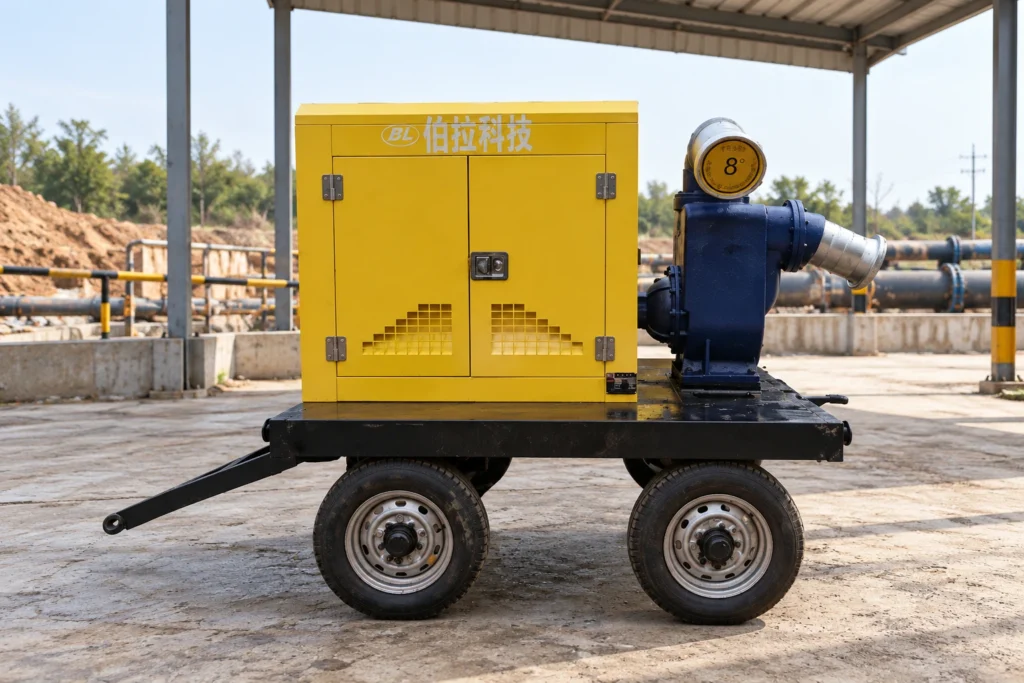
How to Select a Pump for Cofferdam Dewatering
Select a cofferdam dewatering pump using staged drawdown, continuing seepage, head, hose routing, sediment controls, alarms and standby capacity.

Salle de rédaction
Mises à jour récentes de Borra couvrant la livraison de produits, les applications techniques et les histoires de projets du côté du marché.
Select a cofferdam dewatering pump using staged drawdown, continuing seepage, head, hose routing, sediment controls, alarms and standby capacity.
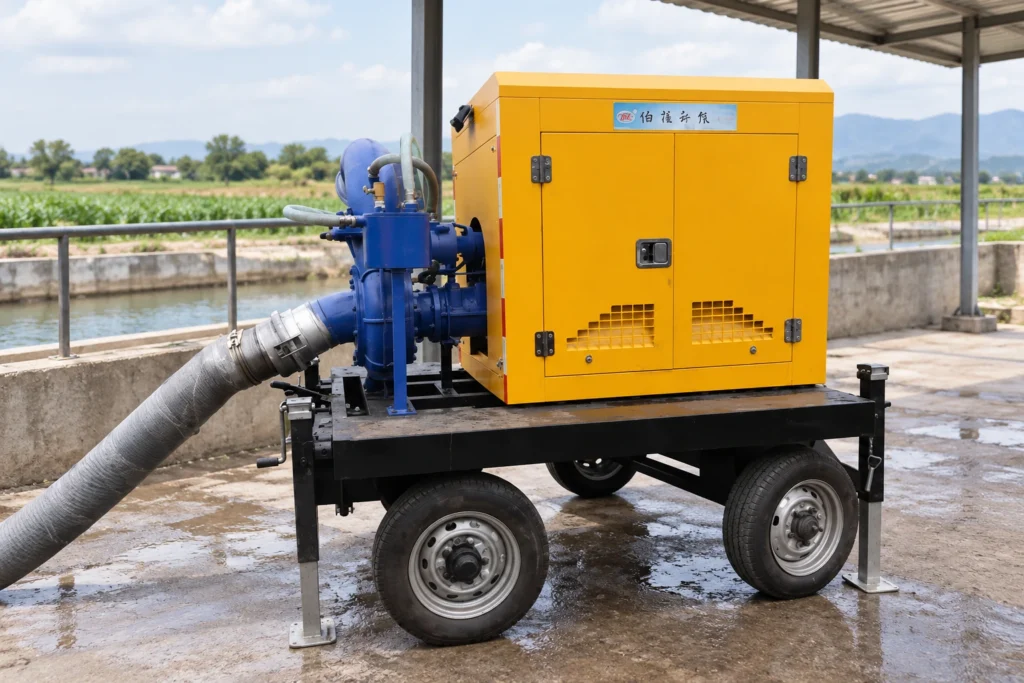
Planifier la dérivation d'eau d'urgence de manière sécuritaire : vérifier l'alimentation électrique et la structure, estimer le volume d'eau, choisir la pompe la plus adaptée, vérifier la hauteur de dévers et le trajet d'évacuation.
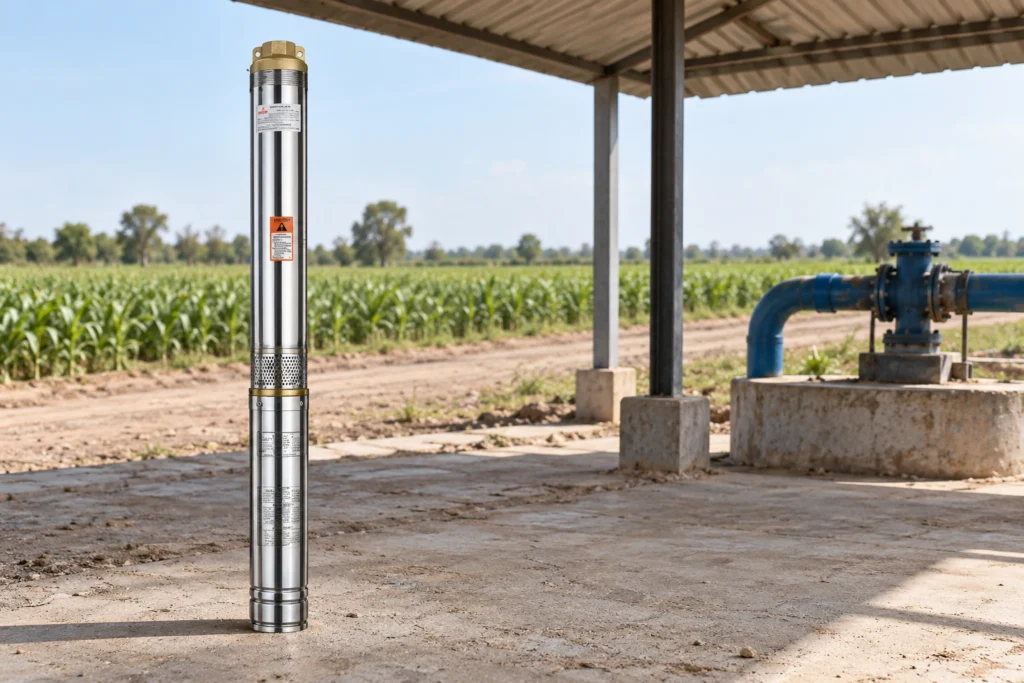
Size an irrigation deep-well pump from zone demand, tested well yield, pumping water level, total head and the selected model performance curve.
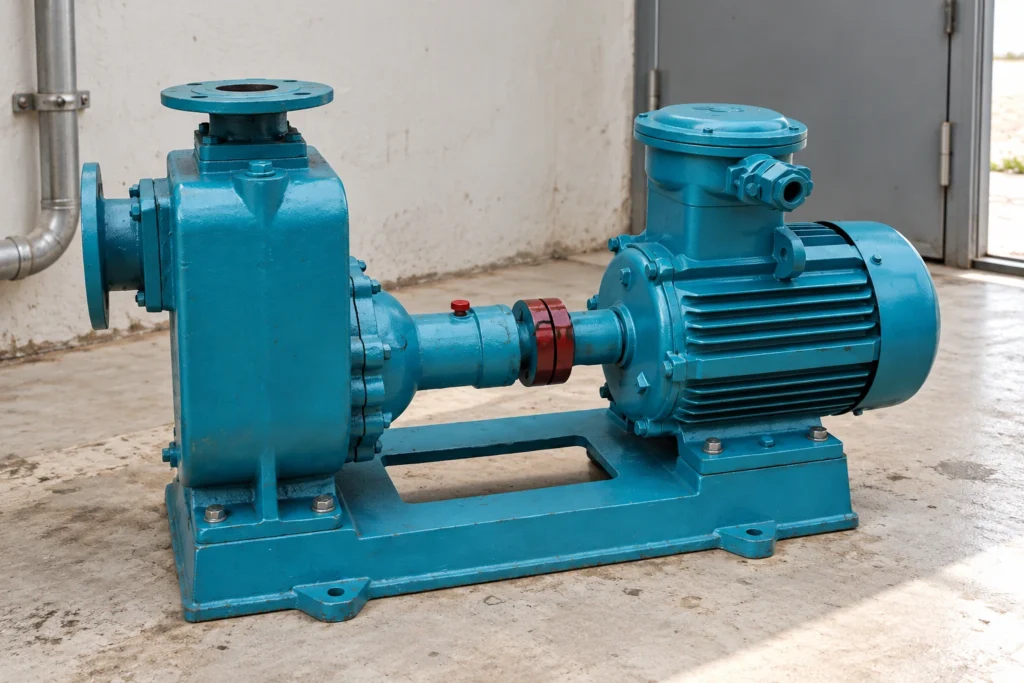
A single-stage centrifugal pump uses one hydraulic stage, while a multistage pump uses successive stages to add head through the assembly. The appropriate choice depends on the required flow, head, liquid, installation and operating range. More stages do not automatically mean more flow, higher efficiency or better suitability. Select the duty from verified performance data, then compare mechanical and service requirements. This guide addresses clean-water transfer and boosting without assigning undocumented pressure, stage counts or operating limits to a Borra product. Separate...
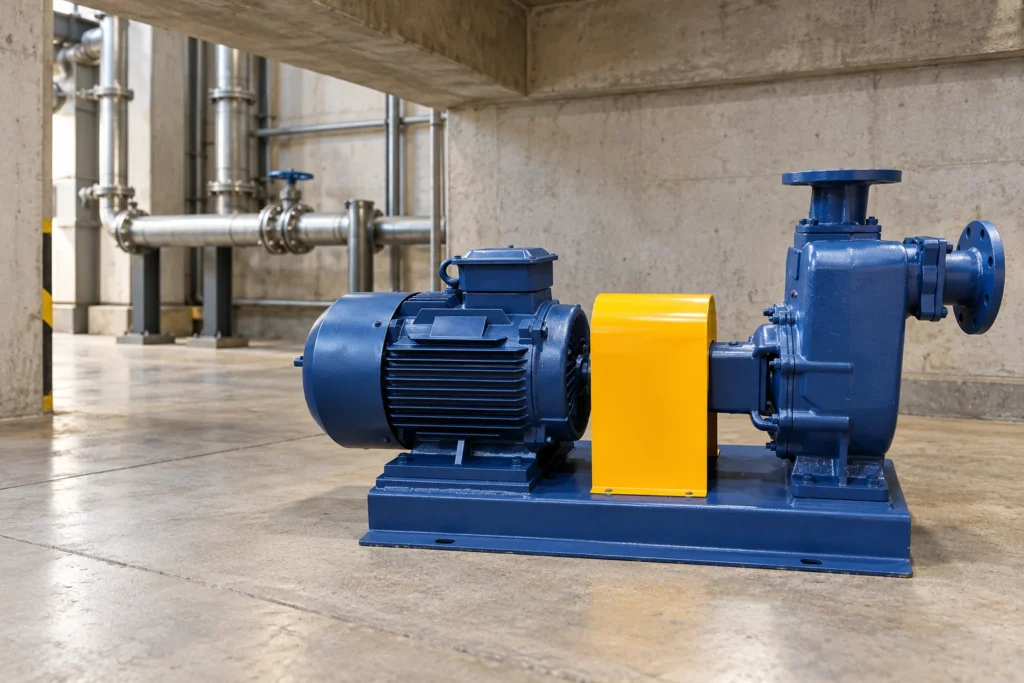
Compare close-coupled and frame-mounted pumps by shaft arrangement, alignment, service access, replacement parts and the same hydraulic duty.
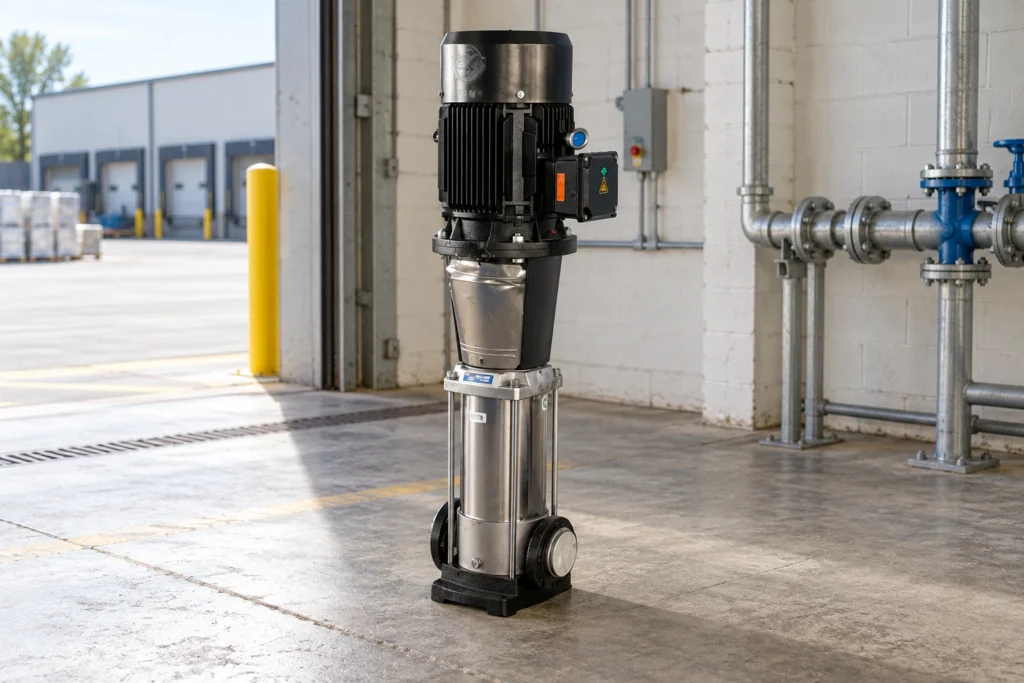
Compare NPSH available and required using suction pressure, level, temperature and losses, and verify the documented margin for the actual duty.
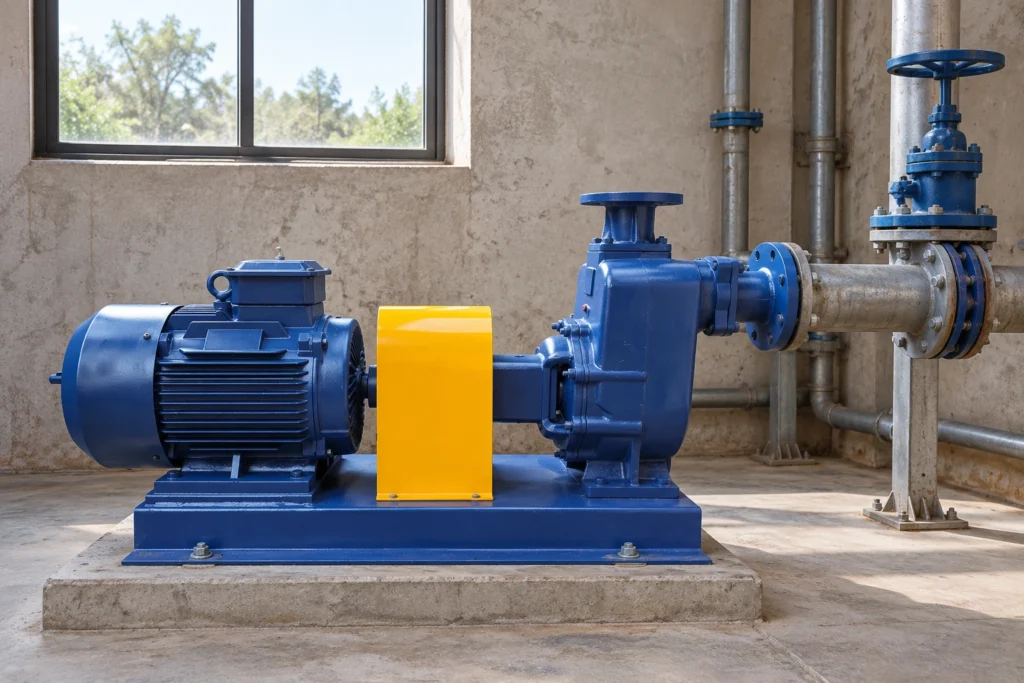
Find pump duty point from pump and system curves. Follow an illustrative calculation, compare operating cases and verify installed flow and head.
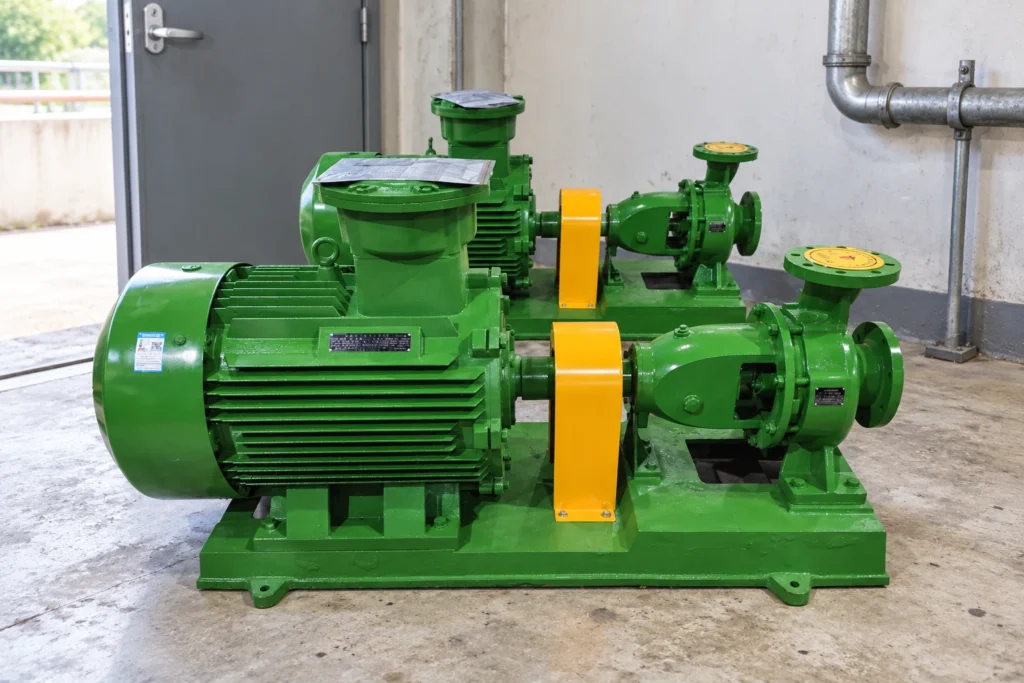
Read centrifugal pump head, flow, efficiency, power and NPSH curves, confirm their test conditions and check the installed system operating point.