
Pump bearing housing drain plug inspection checks the plug, its sealing connection and any material collected at the bottom of an oil-lubricated bearing sump. Identify the correct connection, isolate the equipment, collect the lubricant safely, photograph deposits before cleaning and compare findings with previous records. A magnetic deposit alone does not prove bearing failure, and a clean magnet does not prove healthy oil. The useful outcome is a documented decision about the connection and whether the evidence warrants further investigation.
This guide concerns a bearing lubrication compartment, not a process casing drain. It does not apply automatically to grease-lubricated, sealed-for-life or oil-mist arrangements. Use the supplied assembly drawing to establish whether the pump has an accessible oil sump and what plug it requires.
Establish which compartment the plug serves
A connection near the bottom of a pump may drain process liquid, lubricant, a seal chamber or another space. Similar-looking plugs can have different materials and sealing systems. Match the item number and connection location to the correct drawing before loosening anything. If identification is uncertain, stop and resolve it with the equipment supplier.
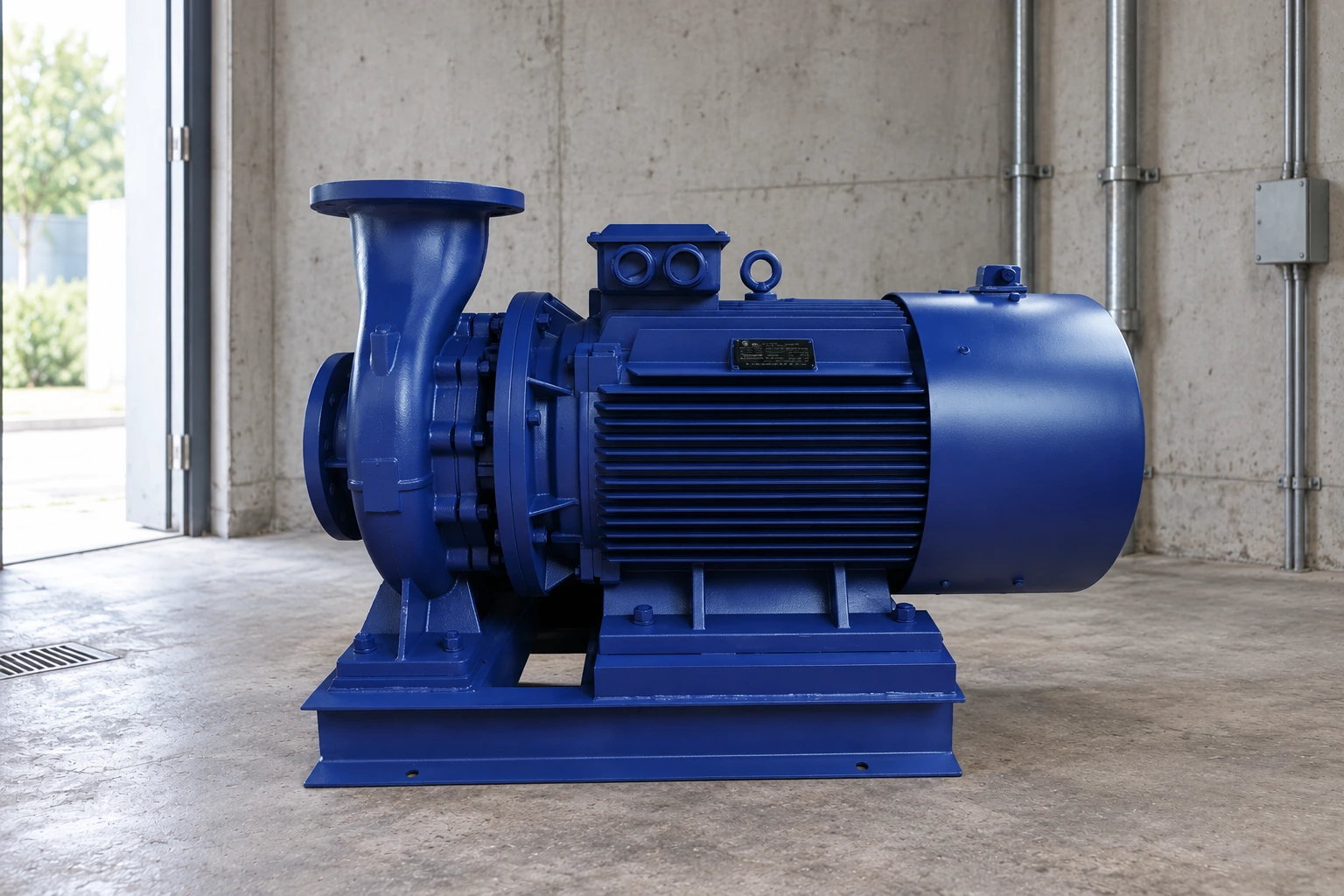
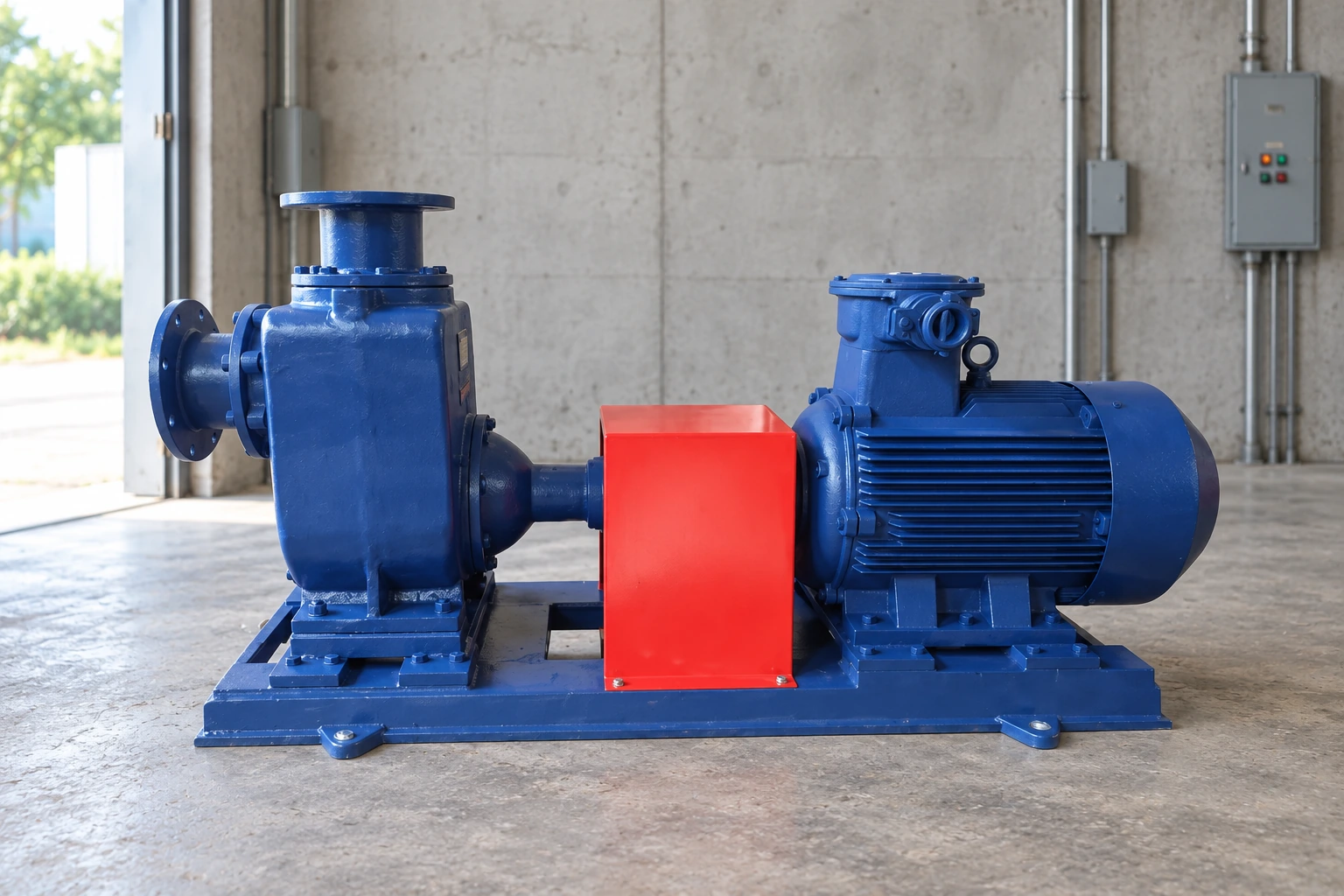
Pour un Borra est une pompe centrifuge pour eau propre, request the actual bearing arrangement and lubrication instructions for the supplied assembly. A product-family photograph is useful for recognizing the equipment category, but cannot confirm an internal sump, magnetic plug or accessory configuration. Avoid ordering parts from photographs alone.
Prepare a safe, clean inspection
Plan the shutdown under the site’s energy-control procedure. Prevent automatic starts, isolate the driver and account for stored energy, hot surfaces and any connected lubrication system. Confirm the condition is safe before opening the compartment. HSE’s pressure-systems safety guidance explains the hazards of pressure equipment. Apply the site energy-control procedure and the equipment-specific instructions to establish the required isolation.
Prepare compatible containers, a labeled sample bottle, clean wipes, suitable tools and spill control. Clean loose dirt from around the connection without forcing it into the sump. Decide in advance whether oil analysis is required, because a drain-pan sample may not represent the circulating lubricant. Coordinate the sampling method with the laboratory rather than improvising after all the oil has been discarded.
Record the equipment tag, operating hours, lubricant identity, last oil change and reason for inspection. Note any recent bearing-temperature, vibration or oil-level concern. These observations give the collected material context without requiring the operator to diagnose a bearing from the drain plug alone.
Record the plug as found
Photograph the connection before removal, including any staining around it. A stained housing may indicate a current leak, an earlier spill or oil traveling from another connection. Cleanliness and a controlled follow-up observation help distinguish these possibilities. Do not compensate for uncertainty by repeatedly tightening the plug.
Once removal is authorized and the lubricant is safely contained, photograph the plug and deposits before wiping or handling them. Include a scale and the equipment tag in the record where practical. Keep loose fragments in a labeled clean container if the investigation requires them. Do not grind, scrape or dissolve evidence before deciding whether further examination is needed.
Separate observations from conclusions
Describe what is visible: fine paste, flakes, distinct fragments, rust-colored material, fibers or sealant residue. Record whether the material adheres to a magnet, but do not treat that response as a complete material identification. Nonmagnetic particles and water may remain in the oil even when a magnetic plug appears clean.
Le rapport de maintenance de l’EPRI describes lubricant condition assessment as part of condition-based maintenance. That supports relating debris observations to a wider investigation rather than treating a cleaned plug as proof that a bearing is healthy. It does not provide a universal allowable deposit quantity or authorize a generic magnetic-plug conversion. Confirm any replacement against the actual component drawing.
A new fragment, abrupt increase in deposits or simultaneous abnormal operating trend deserves investigation. The inspection report should say why the unit was held or referred for assessment. It should not claim that every dark deposit is bearing steel, or that changing the oil has eliminated the cause.
Inspect threads, seal and seating surfaces
After the evidence has been preserved, clean the plug using the approved method and examine accessible threads, tool engagement surfaces and the sealing area. Look for mechanical damage, corrosion and signs that the part has previously been forced or repaired. Inspect the receiving connection without pushing dirt or loose sealant into the housing.
Determine whether sealing relies on a washer, gasket, O-ring, tapered thread or another specified arrangement. These systems are not interchangeable. Obtain the approved replacement seal and tightening instruction. A plug that enters the hole is not necessarily a correct replacement: thread form, length and sealing position matter as well.
Do not chase damaged threads, enlarge the opening or add a thread insert as a routine cleaning task. Those actions change the connection and require an assessed repair procedure. Similarly, do not use extra sealant to disguise damaged seating surfaces. Identify the defect and decide whether replacement or repair is required before refilling.
Use a practical inspection record
The table below is a decision aid rather than an acceptance standard. Numeric limits, replacement intervals and tightening values must come from the supplied instructions and approved maintenance program.
| Observation | Record before cleaning | Prochaine action appropriée |
|---|---|---|
| Fine deposit on the magnet | Photograph and compare with prior observations and service hours | Review trend; seek lubricant or bearing assessment if the condition has changed |
| Distinct flake or fragment | Preserve separately with equipment and date identification | Hold the finding for a competent maintenance decision before routine release |
| Oil around the connection | Location, extent and condition before wiping | Inspect the seal and threads, then verify the connection after restoration |
| Damaged plug threads or wrench surfaces | Photographs and drawing item reference | Confirm a matching approved replacement rather than forcing reuse |
| Uncertain plug identity | cURL Too many subrequests by single Worker invocation. To configure this limit, refer to https://developers.cloudflare.com/workers/wrangler/configuration/#limits | cURL Too many subrequests by single Worker invocation. To configure this limit, refer to https://developers.cloudflare.com/workers/wrangler/configuration/#limits |
cURL Too many subrequests by single Worker invocation. To configure this limit, refer to https://developers.cloudflare.com/workers/wrangler/configuration/#limits.
cURL Too many subrequests by single Worker invocation. To configure this limit, refer to https://developers.cloudflare.com/workers/wrangler/configuration/#limits
cURL Too many subrequests by single Worker invocation. To configure this limit, refer to https://developers.cloudflare.com/workers/wrangler/configuration/#limits.
cURL Too many subrequests by single Worker invocation. To configure this limit, refer to https://developers.cloudflare.com/workers/wrangler/configuration/#limits cURL Too many subrequests by single Worker invocation. To configure this limit, refer to https://developers.cloudflare.com/workers/wrangler/configuration/#limits cURL Too many subrequests by single Worker invocation. To configure this limit, refer to https://developers.cloudflare.com/workers/wrangler/configuration/#limits.
cURL Too many subrequests by single Worker invocation. To configure this limit, refer to https://developers.cloudflare.com/workers/wrangler/configuration/#limits constant-level oiler inspection guide addresses that separate component. A sound drain connection cannot correct an incorrectly configured oil supply.
Check the result after restart
Restore guards and energy controls under the approved restart procedure. Observe from a safe position and compare the connection with its clean baseline. Record oil level, leakage and the operating observations required by the maintenance plan. If a significant fragment or unexplained change remains unresolved, routine startup should not substitute for the required maintenance decision.
Choose a follow-up point appropriate to the finding and equipment duty. A repaired connection may need an early leak check, while an unusual debris trend may require a laboratory result and planned reinspection. Write the actual follow-up action and responsible person, not an arbitrary inspection interval copied from another pump.
For broader context, use the site’s centrifugal pump maintenance guide. This drain-plug task supports that program by preserving a small but potentially useful piece of condition evidence. It does not replace vibration assessment, bearing inspection or representative lubricant analysis.
Information to include in a replacement inquiry
Provide the equipment serial number, drawing revision, item number, photographs, thread identification and existing sealing arrangement. State whether a magnetic design is original equipment or a proposed change. Include the lubricant and service environment so the supplier can check compatibility rather than simply matching an outside diameter.
Ask for confirmation of the part and seal, installation requirements and any restrictions on reuse. If the housing connection is damaged, describe that separately from the plug request. A replacement plug does not automatically repair its mating threads. Keep the supplier response with the maintenance record so the next inspection starts with a verified component identity.
Further learning: oil analysis
The educational video below provides background on oil analysis. It helps explain why lubricant evidence needs careful interpretation; it is not a method for identifying particles or approving a particular drain plug. The written inspection and the equipment instructions remain the basis for this task.
Foire aux questions
Is a bearing drain plug the same as a pump casing drain?
No. They serve different compartments. Confirm the connection on the supplied drawing before removal, because process liquid and bearing lubricant may present different hazards and require different replacement parts.
Does metal on a magnetic plug always mean bearing failure?
No. Describe and preserve the material, then assess it with operating history and other evidence. A new fragment or changed trend needs a competent decision; its appearance alone does not identify the failed component.
Can an ordinary plug always be replaced with a magnetic one?
No. Verify the thread, seal, projection and compatibility for the actual housing. General inspection guidance is not authorization to modify every pump with a generic magnetic plug.
Should drained oil be used as the routine laboratory sample?
Only if that sampling method is appropriate to the investigation and agreed with the laboratory. A mixed drain-pan sample may contain settled debris or contamination and may not represent normal circulating oil.
What closes the inspection record?
A traceable finding, an approved component and seal decision, correct lubrication restoration and a documented follow-up or release. Cleaning the plug alone does not close an unresolved debris or leakage concern.