
Maintenance of a submersible pump starts with safe isolation and operating records. Track flow or drawdown, discharge pressure, motor current, voltage, runtime, starts, vibration or sound, alarm history, and liquid condition. A change from the established baseline often reveals blockage, wear, cable damage, control trouble, or changing system head before failure. Inspection frequency must follow the manufacturer, duty severity, criticality, liquid, and site procedure. Never lift by the power cable or enter a wet well without approved electrical, lifting, sanitation, and confined-space controls.
This guide is an early engineering and procurement framework, not a replacement for approved project design, current regulations, manufacturer instructions, or qualified site supervision. Electrical work, energized testing, lifting, confined-space entry, fire-protection work, excavation, hazardous liquids, wastewater, and pressurized systems require task-specific procedures and competent personnel. Preserve automatic protection and system availability while investigating faults. If the actual liquid, duty, site condition, or governing requirement differs from the assumptions, stop and obtain a revised technical review.
Create a duty-based maintenance plan
Classify the pump by liquid, solids, abrasiveness, temperature, starts, continuous or intermittent operation, criticality, accessibility, and standby provision. A clean-water well pump has different maintenance triggers from a sewage pump exposed to rags, grease, and corrosive gas. Use the manufacturer's schedule as the minimum framework, then adjust from measured condition and site risk. Identify checks that can be performed while installed, tests that require shutdown, and work that requires removal to a workshop. Define the responsible person, acceptable range, instrument, record location, and escalation limit for each task. Stock critical consumables and removal tools before a failure. Calendar intervals alone are weak when runtime varies; combine time, operating hours, starts, and condition indicators.
Inspect operation without disturbing the pump
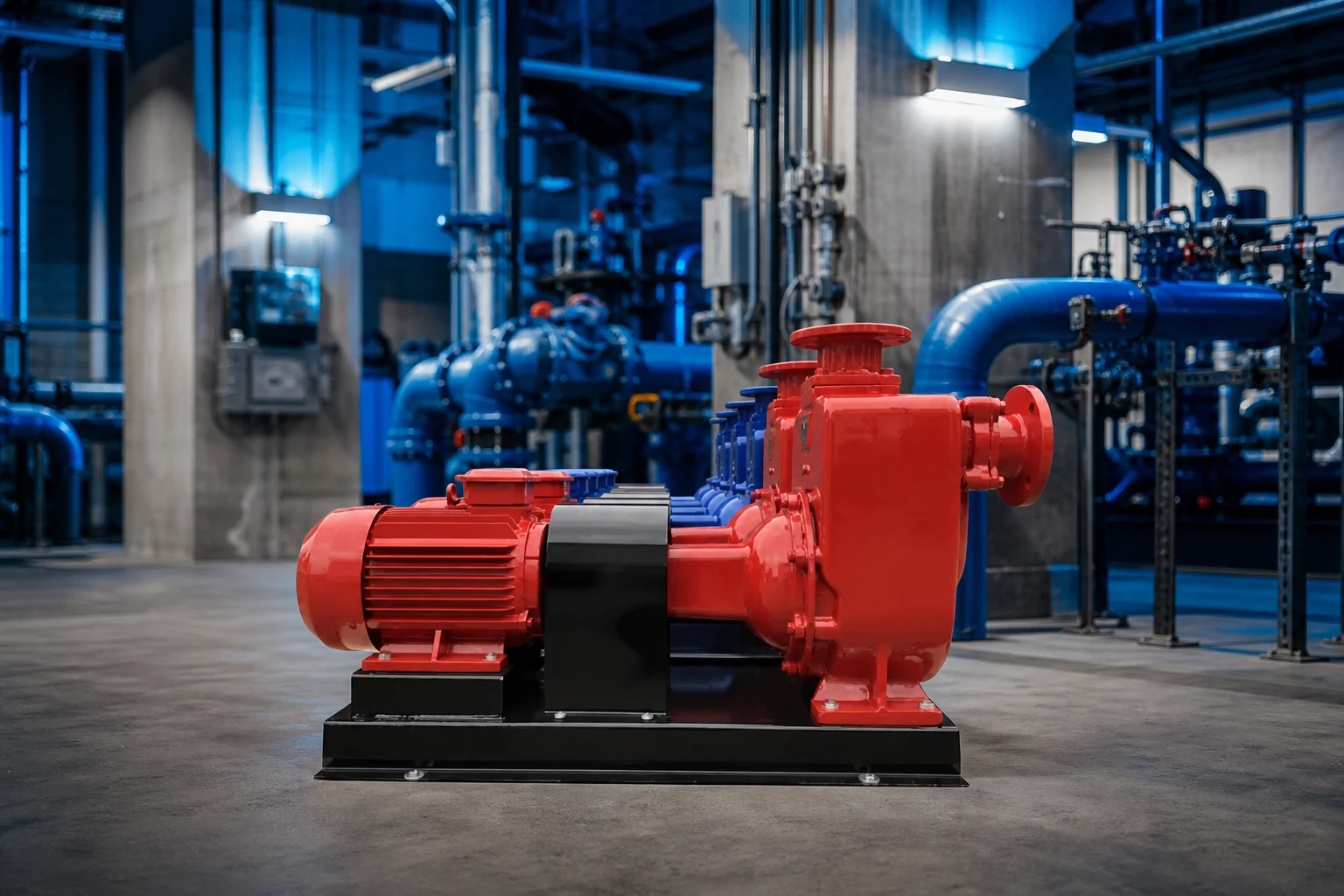
Review level behavior, drawdown time, flow estimate, discharge pressure, current, voltage, power, starts, runtime, alarm events, check-valve closure, leakage, odor, vibration transmitted to piping, and abnormal noise. Compare like operating conditions because liquid level and system resistance affect readings. Rising current can suggest overload, solids, bearing or hydraulic drag; falling current with poor flow can indicate air, dry running, worn hydraulics, wrong rotation, or blockage. Longer drawdown can result from impeller wear, restricted intake, discharge obstruction, lower speed, or increased head. Frequent starts can be a control or sump-volume issue rather than a pump defect. Do not reset overloads repeatedly without finding the cause.
Isolate, lift, clean, and inspect safely
Follow the approved shutdown, lockout, electrical verification, lifting, gas-testing, hygiene, and confined-space procedure. Confirm standby service before removing a critical pump. Use rated lifting points, chain, guide rails, and equipment; never pull on the cable or discharge hose. Clean and disinfect according to the liquid and facility procedure before detailed handling. Inspect inlet, strainer, impeller or cutter, volute, wear clearances, guide shoes, discharge connection, check valve, fasteners, lifting attachment, cable jacket, entry gland, and external corrosion. Photograph damage before cleaning it away. Foreign material can explain a blockage, while polishing, grooves, pitting, or asymmetric wear can identify abrasive, cavitation, or alignment conditions that will recur unless the system cause is corrected.
Table de décision du projet
| Maintenance evidence | Possible change indicated | Follow-up |
|---|---|---|
| Longer drawdown time | Wear, blockage or higher system head | Check flow, pressures, intake and piping |
| Higher current | Overload, solids, drag or voltage issue | Compare phases and inspect hydraulics |
| More starts per hour | Control spacing, leakage or small sump volume | Review levels, check valve and inflow |
| Moisture or insulation trend change | Cable, gland or seal problem | Use approved electrical diagnostic procedure |
| Vibration/noise change | Wear, debris, bearing or installation issue | Remove and inspect if limits are exceeded |
| Repeated high-level alarm | Capacity, blockage, controls or inflow change | Test lead, standby and discharge path |
Test electrical and sealing condition
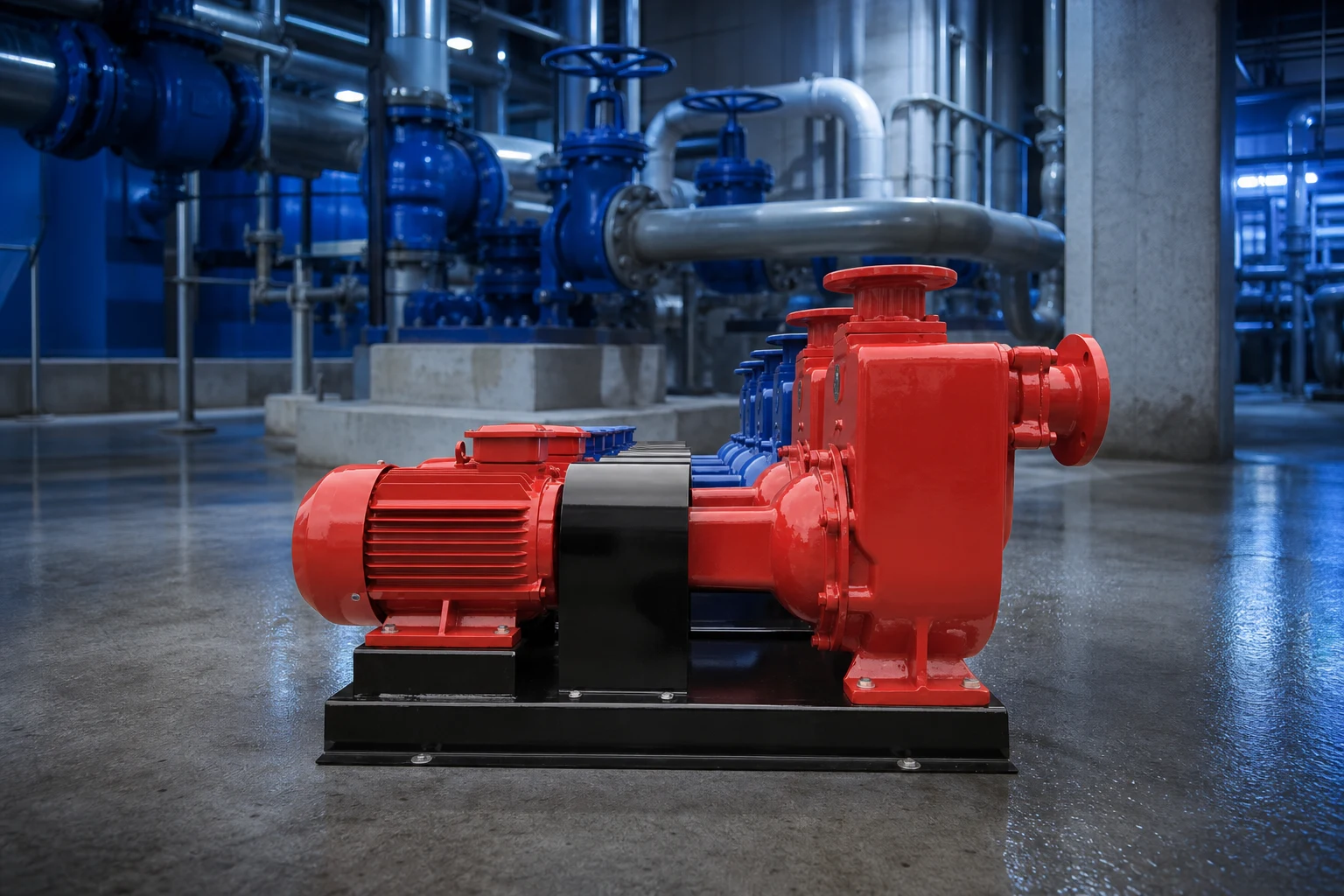
Qualified personnel should inspect connectors, junctions, cable, grounding, insulation, winding resistance, phase balance, moisture indication, motor protection, sensors, and controller history using the manufacturer's procedures and suitable instruments. Test voltage and current under representative load and compare phases and baseline. An insulation reading is meaningful only with the correct test voltage, temperature context, cable configuration, and trend; do not publish or apply a universal acceptance value without the specific motor data. Inspect seal oil or leakage chamber only where the design provides it and follow the stated sampling, quantity, and disposal method. Evidence of water, metal, overheating, or repeated moisture alarms requires investigation before return to service.
Restore clearances, seals, and controls
Measure wear parts against the manufacturer's limits and replace impeller, wear ring, cutter, bearings, seals, O-rings, fasteners, or cable components only with approved parts and procedures. Record part numbers and measurements rather than describing a general overhaul. Seal faces and elastomers require clean handling and correct orientation; shaft surfaces and bearing fits need inspection. Verify level sensors, float movement, start-stop spacing, alternation, overloads, phase protection, temperature or moisture inputs, alarms, and remote notification. A repaired pump can fail immediately if the check valve remains blocked or the controller still commands excessive starts. Review the sump and piping before reinstalling the unit.
Recommission and update the baseline
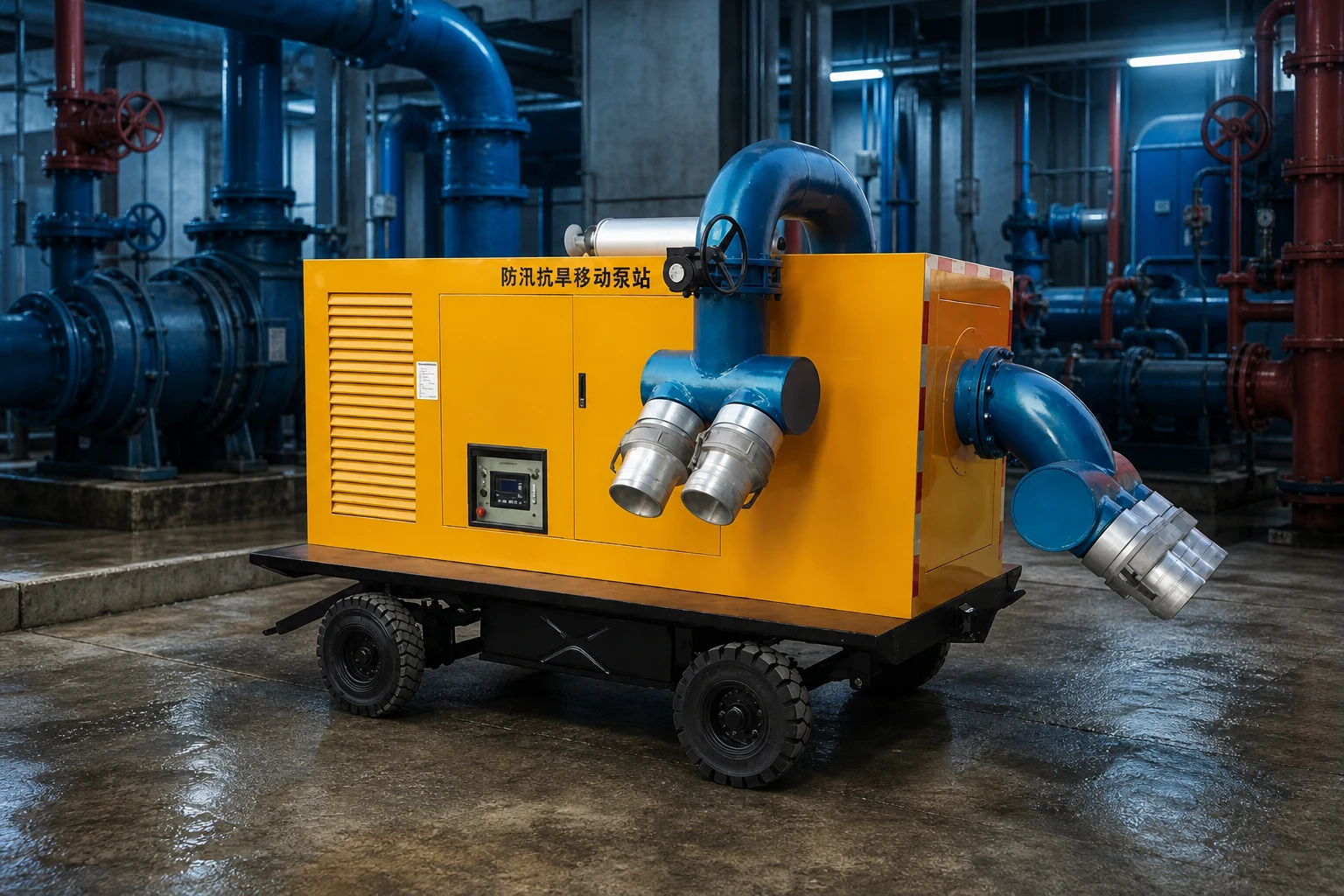
After installation, verify lifting gear removal, discharge engagement, valve positions, cable support, sensor position, pump submergence, guards, and controller automatic mode. Perform the approved functional test and record level, drawdown, flow or pressure, current, voltage, runtime, starts, alarms, vibration, sound, and leakage. Compare results with pre-maintenance values and the original commissioning baseline. If performance does not recover, investigate the system curve, pipe blockage, valve position, rotation, supply, parallel-pump interaction, and liquid condition before assuming new parts are defective. Update the asset history with findings, measurements, parts, photographs, technician, test instruments, next inspection, and any recommended system change. A maintenance record should make the next decision easier, not merely prove that work occurred.
Procurement and acceptance record
A complete supplier comparison should use one common data sheet. Put the design and alternate duty points, liquid, temperature, solids, site elevation, power, controls, installation, operating hours, quantity, destination, and required documents at the top. Normalize differences in scope before comparing price or efficiency. Request a certified curve or capacity data, absorbed power, operating limits, materials, dimensions, weight, connections, motor or driver, controller, accessories, tests, preservation, spare parts, installation instructions, and warranty boundary. Record every deviation and unresolved assumption. During technical review, trace each offered feature back to a project input instead of awarding points for features that the duty does not need. During commissioning, measure the same variables used for selection so the installed result can be compared with the original basis. If field conditions differ, update the calculation and obtain responsible approval before changing equipment or protection settings.
How this topic connects to BORRAPUMP equipment
This guide supports early review of the maintenance of submersible pump application route. It does not assign a final model or claim that one standard configuration fits every project. Send the duty points, liquid data, site drawing, power supply, controls, quantity, destination, required approvals, and inspection scope so the proposed product can be checked against the real service.
Guides d'ingénierie BORRAPUMP associés
Sources officielles et pour aller plus loin
OSHA control of hazardous energy; OSHA confined spaces; OSHA electrical safety. These sources provide general safety, environmental, or engineering context. The current adopted rules, project approvals, and equipment instructions remain controlling.
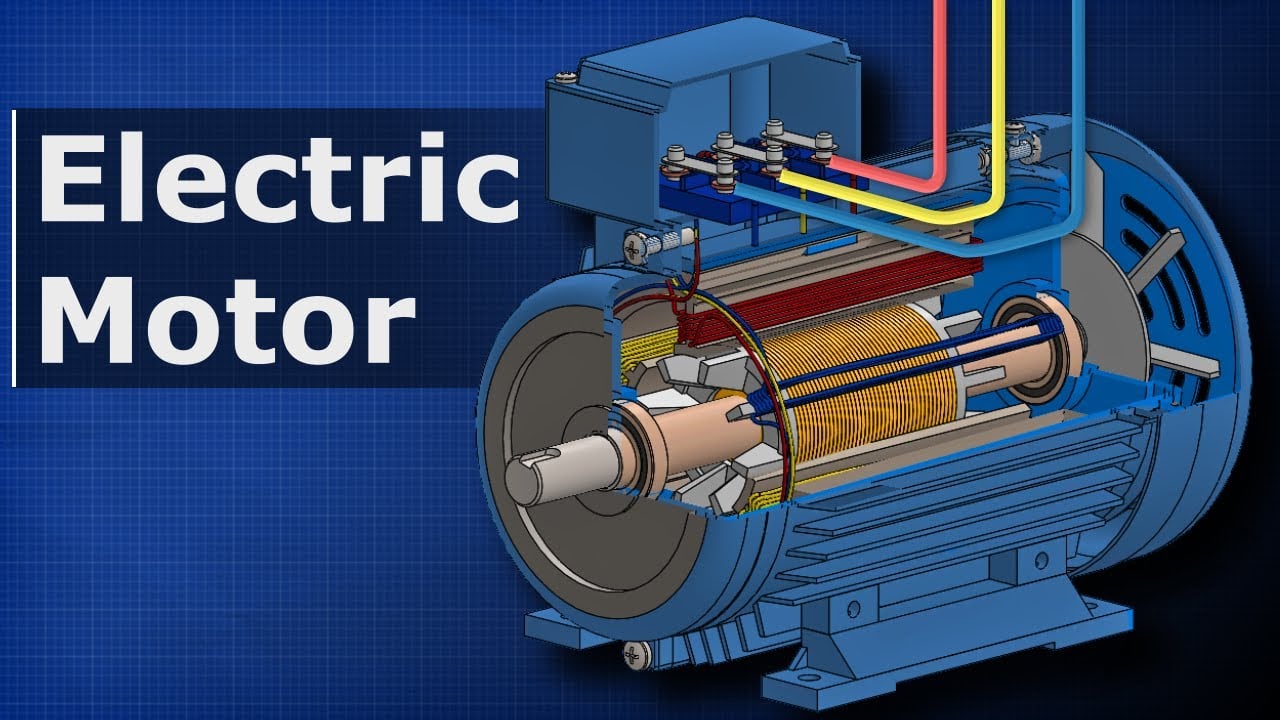
Educational video by The Engineering Mindset: How Electric Motors Work: Three-Phase AC Induction Motors. Il expose des principes de base et ne remplace pas les instructions spécifiques au projet.
Foire aux questions
How often should a submersible pump be maintained?
Use the manufacturer schedule, operating hours, starts, liquid severity, criticality, and condition trends. There is no single interval for every duty.
Can I lift a submersible pump by its cable?
No. Use the approved lifting point, chain, guide rails, and rated lifting equipment.
What operating data should be trended?
Track level or drawdown, flow or pressure, current, voltage, runtime, starts, alarms, vibration or sound, and liquid condition.
Why does a pump need maintenance again soon after overhaul?
The root cause may remain in the sump, piping, controls, power, duty point, solids, or installation rather than in the replaced parts.
Final project checkpoint
Before order placement or field change, reconcile the approved duty and drawings with the supplier data, materials, dimensions, weights, connections, driver, controls, accessories, protection, test scope, documentation, spare parts, installation method, maintenance access, and destination requirements. Record remaining assumptions and assign responsibility for closing them. The final accepted information should be the same basis used for installation, commissioning, and future maintenance.