
Transfer duty means water needs to be somewhere else: from a source to storage, between tanks, from storage to a process, from a river or reservoir to an irrigation network. Delivery matters, and the pressure at the receiving end only needs to suit the route…
Прямой ответ
A water transfer pump is any pump applied to move water from one point to another where the goal is relocating volume rather than maintaining service pressure; the term names a duty, not a single product type. Эта статья представляет собой пособие по обзору проектов для подрядчиков, инженеров, дистрибьюторов и групп закупок. Она не заменяет инженера, компетентный орган, план пусконаладочных работ или проверенную документацию производителя оборудования.
1. Definition in Project Terms
Transfer duty means water needs to be somewhere else: from a source to storage, between tanks, from storage to a process, from a river or reservoir to an irrigation network. Delivery matters, and the pressure at the receiving end only needs to suit the route and the receiving equipment. That distinguishes transfer from boosting, where the point is holding service pressure for users, and from drainage, where the point is protecting a space from unwanted water.
Because transfer is a duty rather than a design, several pump families serve it, and the selection turns on the source, the route, and the water rather than on the label. Keeping that duty definition in front of the team also keeps inquiries clean: a supplier who receives endpoints, route data, and a water description can respond with relevant candidates instead of guessing at the application.
2. Common Types Applied to Transfer Duties
The families below cover most transfer work; the right one follows from the installation situation.
| Тип | Arrangement | Typical first question |
|---|---|---|
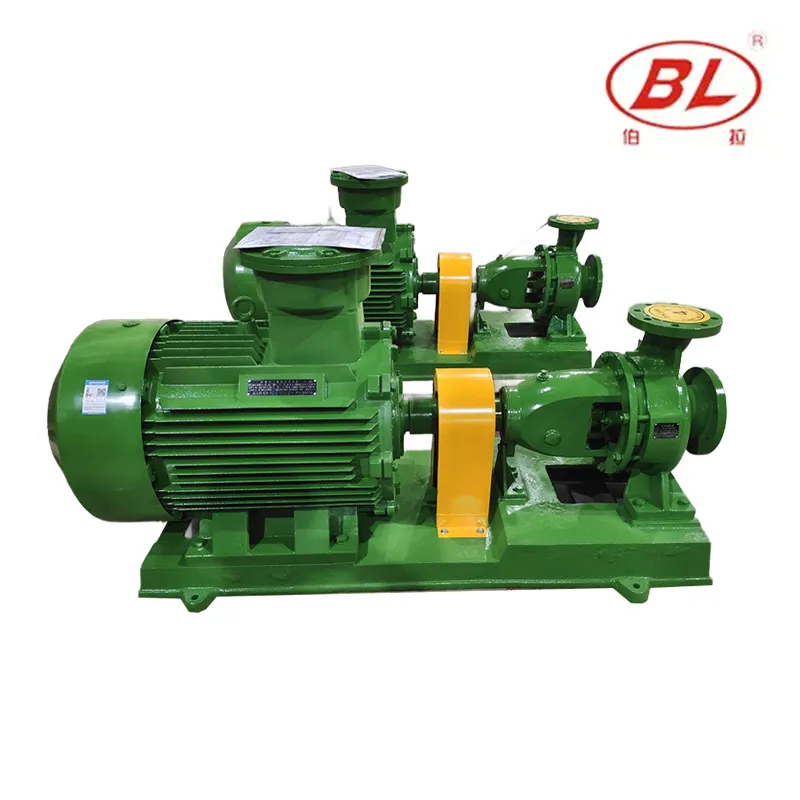
| End suction centrifugal | Surface-mounted with flooded or lifted suction per design. | Does the source geometry give the suction condition the model needs? |
| Inline centrifugal | Mounted in the pipe run, compact footprint. | Does the piping design suit an inline unit and its service access? |
| Self-priming | Surface-mounted above the source, re-establishes prime within stated limits. | Is the lift within the manufacturer’s verified data for the model? |
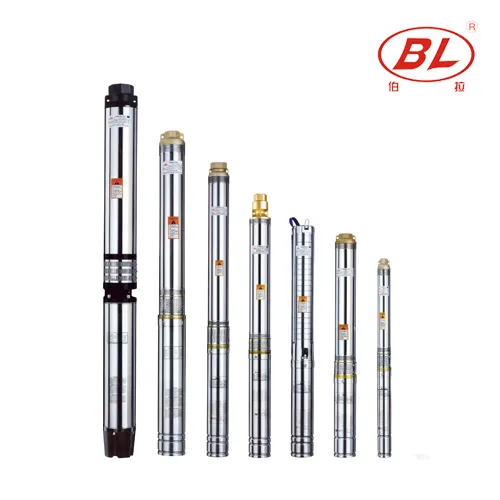
| Submersible | Installed in the source water. | Is a submerged installation and its retrieval plan workable at this source? |
| Deep-well | Installed in a bore or well. | Does the source depth require a well-type arrangement per the design? |
3. Typical Uses Across Projects
Construction sites move water to and from storage for site processes. Agricultural operations move source water into irrigation systems. Industrial plants transfer between treatment stages, tanks, and processes. Municipal and facility teams fill, empty, and relocate water around maintenance work. The shared pattern is a defined source, a defined destination, and a route the project controls; the differences are in the water itself and in how permanent the installation is.
Naming the use case early helps suppliers respond with relevant families instead of generic lists.
4. What a Transfer Duty Specification Needs
A transfer duty is specified by its endpoints and route: where the water starts and its level range, where it must arrive and at what elevation, the line length, diameter, and fittings between, the required flow and its source, and the water description including temperature and solids. With those fixed, head requirements and candidate types follow from engineering review against manufacturer data.
Distances, elevations, and flows belong in the project record with their measurement basis, because they are exactly the numbers that get remembered wrongly at the counter.
5. Boundaries With Other Pump Duties
Keeping transfer separate from neighboring duties prevents the wrong shortlist.
| Duty | Goal | Where selection starts |
|---|---|---|
| Transfer | Relocate volume from source to destination. | Endpoints, route, and water description. |
| Boosting | Maintain service pressure for users. | Demand profile and required pressure at fixtures. |
| Дренаж | Protect a space from unwanted water. | Collection point, water character, and discharge conditions. |
| Пожарная безопасность | Deliver water for a protection system. | The approved fire-protection design and its authorities. |
6. Procurement Questions
An inquiry for a transfer duty carries the endpoint and route data, the flow requirement and its source, the water description, the power situation, whether the installation is permanent or temporary, the service plan, and the documents required. Ask suppliers to identify the specific model and the verified data behind any duty they quote, and compare offers against the documented duty rather than against each other.
Смотрите Руководство по насосу для перекачки воды BORRAPUMP для связанных ресурсов или связаться с BORRAPUMP с контролированными данными проекта для обсуждения пакета.
7. Граница соответствия и применимости
Эта статья не сертифицирует систему, не определяет размеры оборудования и не претендует на соответствие какому-либо указанному стандарту, перечню или местному органу власти. Она является вспомогательным материалом для ознакомления. Окончательный выбор, монтаж, испытания и приемка требуют использования актуальной проектной документации, ответственных специалистов, применимых инстанций и проверенных данных производителя для конкретного поставляемого оборудования.
Часто задаваемые вопросы
Является ли насос для перекачки воды конкретным типом продукта?
Нет. Перекачка — это обязанность. Конструкции с односторонним всасыванием, с прямым подключением, самовсасывающие, погружные и скважинные — все они служат ей, выбираются из источника, маршрута и данных о воде.
В чем разница между перекачивающим насосом и повышающим насосом?
Передача перемещает поток между точками; поддержание обеспечивает давление в сети для потребителей. Функции отталкиваются от разных данных и по-разному оцениваются.
Может ли перекачивающий насос справляться с грязной водой?
Only if the specific model’s verified data covers the described solids and water character. The duty label does not establish tolerance.
Какие данные фиксируют переводной долг?
Уровни источника и назначения, длина трассы и фитинги, требуемый расход с его источником, описание воды, а также условия питания и установки.
Does a temporary transfer need the same review as a permanent one?
The same inputs apply. Temporary setups add mobility, securing, and reinstatement questions rather than removing engineering ones.
Who confirms which pump type fits a transfer duty?
The project’s responsible reviewer, holding the documented duty against manufacturer-verified data for specific models.