
Drainage work is frequently installed under schedule pressure, especially in excavations, pits, temporary works, and storm response. That makes connections and discharge routing easy to treat as temporary details.
Jawaban Langsung
A drainage pump installation is ready for authorized startup when the intake, pump support or placement, discharge route, power or driver interface, access, and records match the approved project arrangement. This is a project-review aid and does not replace approved documents, responsible professionals, applicable authorities, or verified manufacturer data.
Drainage work is frequently installed under schedule pressure, especially in excavations, pits, temporary works, and storm response. That makes connections and discharge routing easy to treat as temporary details. They are not: the pump is part of a water-management arrangement with a defined collection point, a defined discharge destination, and operating responsibilities that remain necessary even when the installation is mobile.
This checklist helps site, procurement, and maintenance teams review connection boundaries without fabricating a duty point, a discharge approval, or a product capability. The current drawings, environmental conditions, safety plan, and manufacturer documentation control the specific work.
1. Confirm the Drainage Duty and Documented Water Path
Identify where water is expected to collect, how it reaches the intake, where the project permits it to discharge, and who monitors the setup. Match the pump tag and arrangement to the approved drawing or temporary-works documentation. A drainage pump may move water effectively while the overall setup still fails its purpose if the intake misses the low point or the discharge reaches an unapproved location.
2. Review Intake Position and Pump Placement
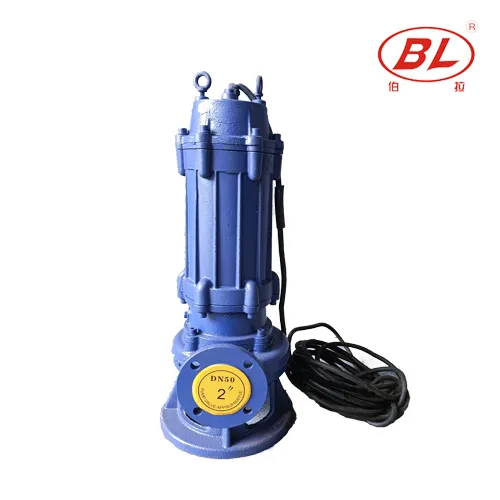
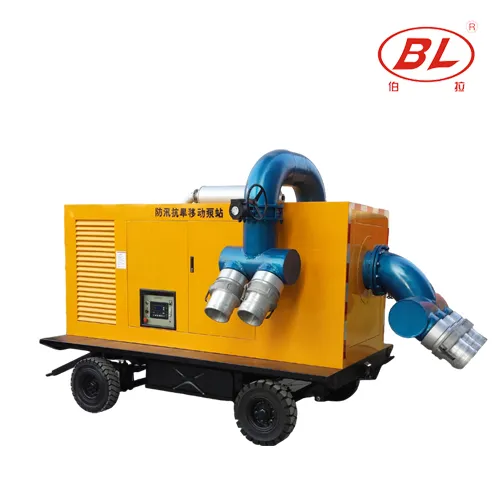
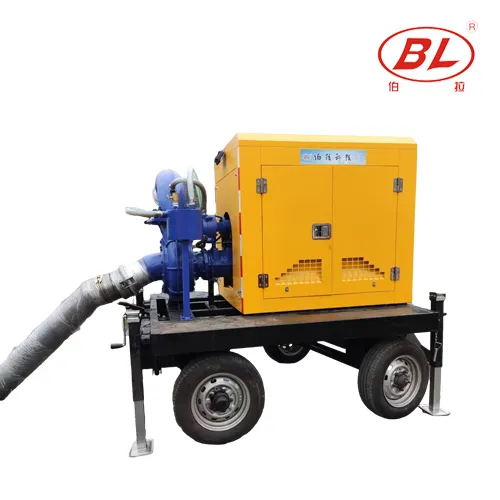
For a submersible route, confirm the intended support, intake clearance, retrieval arrangement, and cable path from the project information. For a surface or mobile route, confirm the base, stability, suction connection, and source access. Keep debris, settlement, source-level changes, and physical protection in the review record. Do not infer solids capability or submergence requirements from a product photograph.
| Area peninjauan | What the site team confirms |
|---|---|
| Controlled basis | Current drawing, equipment tag, supplier documentation, and scope boundary are available. |
| Physical path | The intake or suction side and the discharge route match the reviewed site arrangement. |
| Interfaces | Support, driver or power, controls, access, and connections are identified before startup. |
| Catatan | Baseline observations, exceptions, and responsible escalation path are retained. |
3. Trace the Discharge Connection to Its Destination
Walk the discharge hose or pipe from the pump to the documented destination. Check connection security, support, bends, crossings, mechanical protection, and the ability to observe leaks or displacement. Confirm that any screening, settlement, treatment, or routing controls specified by the project remain in place. A line that becomes loose after a weather event or vehicle movement is an operating exception, not a minor cosmetic defect.
4. Check Power, Driver, and Control Interfaces
Verify the electrical supply, cable route, isolation, controls, level devices where fitted, or engine and fuel interfaces against the equipment documentation and project scope. Review access for authorized operation and maintenance while following the site’s safety rules. This is not a direction to energize or run equipment; it is a connection check that helps authorized personnel begin with the correct documented configuration.
| Tahap peninjauan | Evidence retained |
|---|---|
| Observed change | Record equipment tag, time, condition, and the affected installation area. |
| Document review | Compare the as-found condition with the current drawing, procedure, and manufacturer documentation. |
| Controlled response | Route a discrepancy to the responsible reviewer; do not create an undocumented field fix. |
| Penyelesaian | File the decision, evidence, and any approved change with the equipment record. |
5. Establish Inspection and Weather-Response Routines
Drainage conditions can change quickly with debris, runoff, excavation progress, or rainfall. The site plan should identify who checks the intake, line route, discharge condition, and alarms or controls where fitted. Record a baseline at authorized startup and record deviations thereafter. A repeatable inspection routine gives the project team evidence to act on before an unattended setup becomes a flooding or discharge problem.
6. File Handover and Exception Records
Keep the pump identification, installation arrangement, drawings or temporary-works reference, discharge route, operating observations, and open issues together. When the equipment moves, update the record rather than assuming the prior setup still applies. At handover or demobilization, retain condition observations and any controlled changes so the next team understands both the equipment boundary and the water-management boundary.
FAQ
Apa yang dicakup oleh daftar periksa instalasi pompadrainase?
Ini mencakup asupan yang didokumentasikan, penempatan, jalur pemulangan, antarmuka penggerak atau daya, akses, observasi, dan catatan serah terima.
Bisakah selang pembuangan dipindahkan ke lokasi yang lebih mudah dijangkau?
Hanya melalui proses proyek, karena destinasi yang disetujui dan kontrol air yang diperlukan adalah bagian dari kewajiban drainase.
Apa saja yang harus diperiksa setelah hujan deras?
Periksa saluran masuk, kondisi kotoran, penempatan pompa, jalur pipa, sambungan, dan jalur pembuangan terhadap susunan yang didokumentasikan.
Apakah pompa bergerak memerlukan peninjauan sambungan yang sama?
Ya. Mobilitas menambah pertanyaan tentang penentuan posisi, bahan bakar atau daya, pengamanan, dan perubahan rute; hal tersebut tidak menghilangkan kebutuhan akan koneksi yang terkontrol.
Siapa yang memutuskan apakah pompa mampu menangani padatan di lokasi?
The project reviewer confirms the documented water description against verified manufacturer data for the specific model.
Does this checklist approve a dewatering system?
No. Final selection, installation, testing, environmental controls, and acceptance require the project documents, responsible professionals, authorities, and verified equipment data.
Referensi
Batas Kesesuaian dan Kepatuhan
For related selection and installation context, see the BORRAPUMP Drainage Pump guide or hubungi BORRAPUMP with controlled project data. This article does not size equipment, prescribe operating values, certify a system, or claim approval to a named standard, listing, or authority. Final selection, installation, testing, discharge controls, and acceptance require the current project documents, responsible professionals, applicable authorities, and verified data for the supplied equipment.