
Drainage work is frequently installed under schedule pressure, especially in excavations, pits, temporary works, and storm response. That makes connections and discharge routing easy to treat as temporary details.
إجابة مباشرة
A drainage pump installation is ready for authorized startup when the intake, pump support or placement, discharge route, power or driver interface, access, and records match the approved project arrangement. This is a project-review aid and does not replace approved documents, responsible professionals, applicable authorities, or verified manufacturer data.
Drainage work is frequently installed under schedule pressure, especially in excavations, pits, temporary works, and storm response. That makes connections and discharge routing easy to treat as temporary details. They are not: the pump is part of a water-management arrangement with a defined collection point, a defined discharge destination, and operating responsibilities that remain necessary even when the installation is mobile.
This checklist helps site, procurement, and maintenance teams review connection boundaries without fabricating a duty point, a discharge approval, or a product capability. The current drawings, environmental conditions, safety plan, and manufacturer documentation control the specific work.
1. Confirm the Drainage Duty and Documented Water Path
Identify where water is expected to collect, how it reaches the intake, where the project permits it to discharge, and who monitors the setup. Match the pump tag and arrangement to the approved drawing or temporary-works documentation. A drainage pump may move water effectively while the overall setup still fails its purpose if the intake misses the low point or the discharge reaches an unapproved location.
2. Review Intake Position and Pump Placement
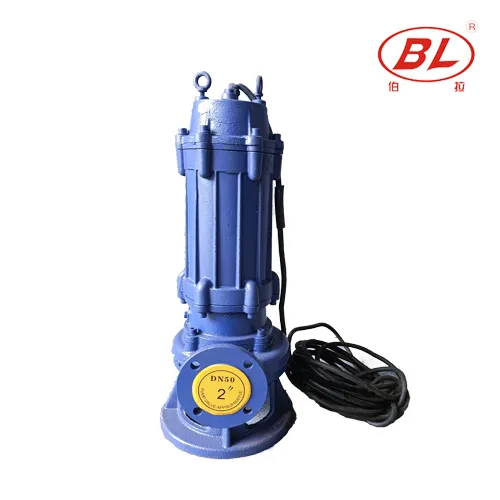
For a submersible route, confirm the intended support, intake clearance, retrieval arrangement, and cable path from the project information. For a surface or mobile route, confirm the base, stability, suction connection, and source access. Keep debris, settlement, source-level changes, and physical protection in the review record. Do not infer solids capability or submergence requirements from a product photograph.
| منطقة المراجعة | What the site team confirms |
|---|---|
| Controlled basis | Current drawing, equipment tag, supplier documentation, and scope boundary are available. |
| Physical path | The intake or suction side and the discharge route match the reviewed site arrangement. |
| Interfaces | Support, driver or power, controls, access, and connections are identified before startup. |
| سجلات | Baseline observations, exceptions, and responsible escalation path are retained. |
3. Trace the Discharge Connection to Its Destination
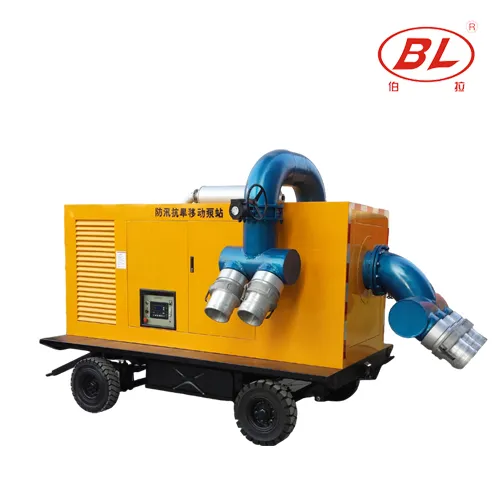
Walk the discharge hose or pipe from the pump to the documented destination. Check connection security, support, bends, crossings, mechanical protection, and the ability to observe leaks or displacement. Confirm that any screening, settlement, treatment, or routing controls specified by the project remain in place. A line that becomes loose after a weather event or vehicle movement is an operating exception, not a minor cosmetic defect.
4. Check Power, Driver, and Control Interfaces
Verify the electrical supply, cable route, isolation, controls, level devices where fitted, or engine and fuel interfaces against the equipment documentation and project scope. Review access for authorized operation and maintenance while following the site’s safety rules. This is not a direction to energize or run equipment; it is a connection check that helps authorized personnel begin with the correct documented configuration.
| مرحلة المراجعة | Evidence retained |
|---|---|
| Observed change | Record equipment tag, time, condition, and the affected installation area. |
| Document review | Compare the as-found condition with the current drawing, procedure, and manufacturer documentation. |
| Controlled response | Route a discrepancy to the responsible reviewer; do not create an undocumented field fix. |
| إغلاق | File the decision, evidence, and any approved change with the equipment record. |
5. Establish Inspection and Weather-Response Routines
Drainage conditions can change quickly with debris, runoff, excavation progress, or rainfall. The site plan should identify who checks the intake, line route, discharge condition, and alarms or controls where fitted. Record a baseline at authorized startup and record deviations thereafter. A repeatable inspection routine gives the project team evidence to act on before an unattended setup becomes a flooding or discharge problem.
6. File Handover and Exception Records
Keep the pump identification, installation arrangement, drawings or temporary-works reference, discharge route, operating observations, and open issues together. When the equipment moves, update the record rather than assuming the prior setup still applies. At handover or demobilization, retain condition observations and any controlled changes so the next team understands both the equipment boundary and the water-management boundary.
الأسئلة الشائعة
ما الذي تتضمنه قائمة تحقق تركيب مضخة التصريف؟
وهي تغطي المدخلات الموثقة، والتسكع، ومسار التفريغ، وواجهات التشغيل أو الطاقة، ووسائل الوصول، والملاحظات، وسجلات التسليم والتسلم.
هل يمكن نقل خرطوم التصريف إلى مكان أكثر ملاءمة؟
فقط من خلال عملية المشروع، لأن الوجهة المعتمدة وأي ضوابط مائية مطلوبة هي جزء من واجب التصريف.
ما الذي يجب فحضه بعد هطول الأمطار الغزيرة؟
فحص المأخذ، وحالة الرواطس، وموقع المضخة، ومسار الخط، والوصْلات، ومسار التصريف مقابل الترتيب المُوثَّق.
هل تحتاج المضخة المتنقلة إلى مراجعة الاتصال نفسها؟
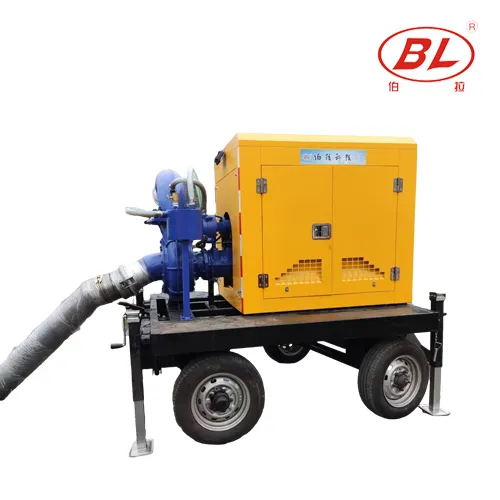
نعم. تضيف الحركة أسئلة تتعلق بالتموضع، والوقود أو الطاقة، والتأمين، وتغيير المسار؛ وهي لا تُلغي الحاجة إلى الاتصالات الخاضعة للسيطرة.
Who decides whether the pump can handle site solids?
The project reviewer confirms the documented water description against verified manufacturer data for the specific model.
Does this checklist approve a dewatering system?
No. Final selection, installation, testing, environmental controls, and acceptance require the project documents, responsible professionals, authorities, and verified equipment data.
المراجع
حدود الملاءمة والامتثال
For related selection and installation context, see the BORRAPUMP Drainage Pump guide or الاتصال بـ BORRAPUMP with controlled project data. This article does not size equipment, prescribe operating values, certify a system, or claim approval to a named standard, listing, or authority. Final selection, installation, testing, discharge controls, and acceptance require the current project documents, responsible professionals, applicable authorities, and verified data for the supplied equipment.