
Booster pump dry run protection should detect loss of a usable water supply, stop the affected pumps and prevent an unsafe restart. The right signal depends on the inlet: a break tank needs reliable level information, while a pressurized supply needs inlet-pressure monitoring and any protection required by the water authority. Motor-load monitoring can provide additional information, but it should not automatically replace source-side detection. Establish the actual failure path before choosing a device. This guide concerns ordinary building water boosting; fire-protection pumps require their own approved control arrangements.
Start with the source, not the alarm message
An alarm called “dry run” can describe several different events. An empty tank removes the source. A closed suction valve leaves water upstream but separates it from the pump. An air leak can interrupt delivery even though a tank level remains normal. A blocked inlet can starve the pump while the motor continues running. Each condition needs a response matched to its physical cause.
Write down the supply arrangement, normal inlet conditions, lowest expected tank level and all valves between source and pump. Mark where the proposed detector observes the process. A sensor cannot reliably protect against a condition outside the boundary it measures. For example, a tank float cannot prove that a downstream suction isolation valve is open.
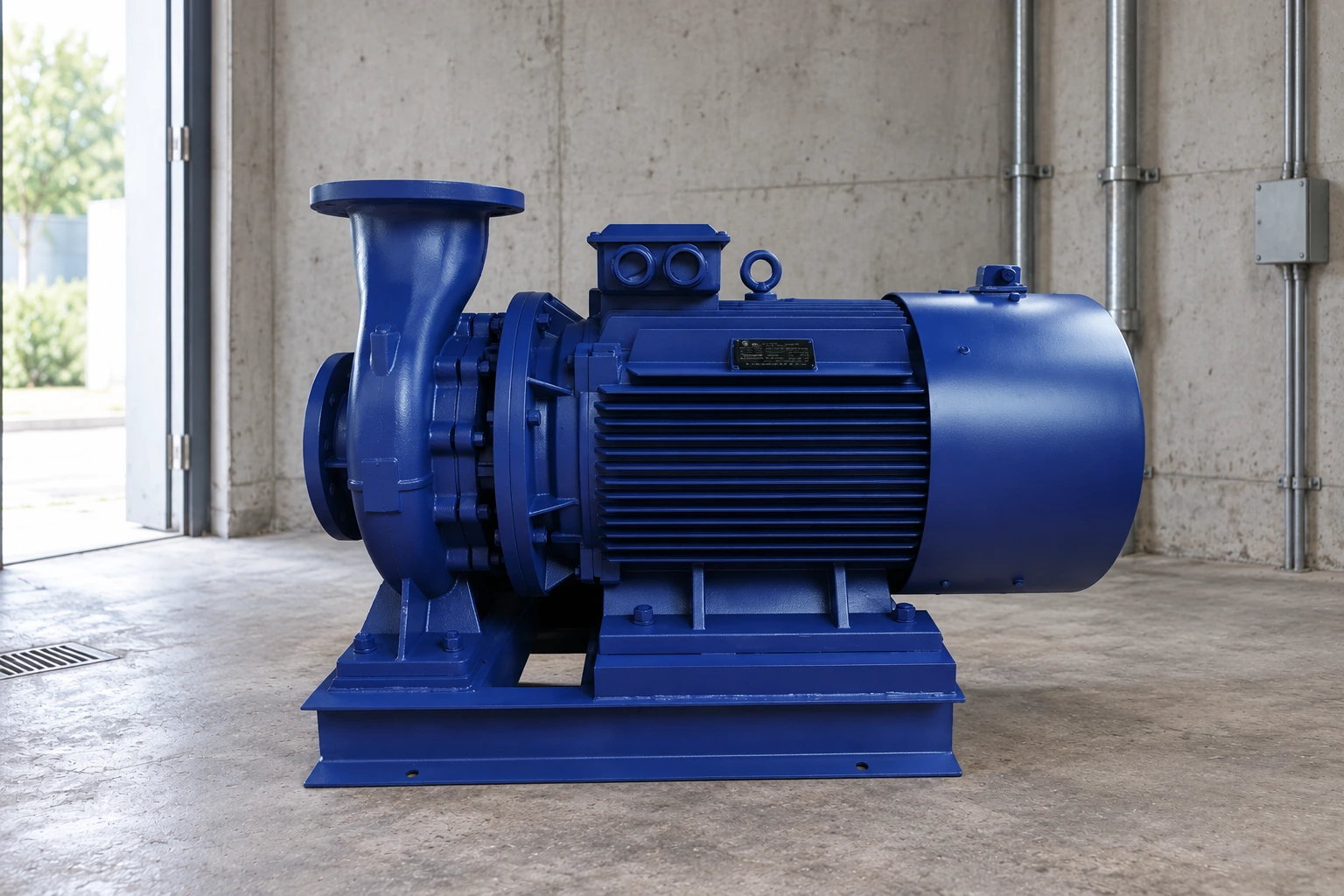
Treat the product and the control package as separate items during procurement. A photograph of a booster set does not establish its protection functions. Borra’s equipamento de abastecimento de água com regulador de pressão is a relevant product starting point, but the supplied drawing, controller schedule and order confirmation must identify the actual instruments and shutdown logic.
Distinguish three protection objectives
Avoid combining equipment protection, public-supply protection and service continuity into one vague requirement. A pump may still contain water when the public supply has fallen below its permitted pressure. Conversely, a normal municipal supply reading does not prove that a pump downstream of a closed valve has water available.
O Ohio Department of Commerce backflow prevention manual illustrates why direct-connected domestic boosters need specific low-suction controls. Its requirements are jurisdiction-specific and expressly distinguish potable boosting from fire suppression. Confirm local requirements rather than importing a threshold or delay from another jurisdiction.
For service continuity, decide what the building should do after shutdown. An alarm can notify operators, but it cannot create additional water. A standby pump sharing the same empty tank has the same source problem. Alternative supply arrangements must be designed and approved independently of the pump rotation sequence.
Choose detection that observes the failure
The following is a design-review checklist, not a universal device specification. Confirm each selection against the pump instructions, applicable plumbing rules and approved control narrative.
| Inlet or failure condition | Useful observation | What still needs checking |
|---|---|---|
| Booster supplied from a break tank | Tank level at the protective stop point | Sensor position, intake submergence, turbulence and usable reserve |
| Booster connected to a pressurized source | Pressure on the relevant suction side | Authority requirements, measuring location and instrument accuracy |
| Suction valve or strainer restricts supply | Local inlet pressure and valve or strainer condition | Whether the existing detector can see the restriction |
| Air enters a suction connection | Unstable delivery and source-path inspection | Leak location, priming requirements and safe restoration |
| Controller estimates dry running from load | Drive or motor operating information | Validity across speed, demand, pump staging and supply changes |
| Source recovers intermittently | Recovery signal plus controlled restart record | Hysteresis, reset policy and repeated-start limits |
For a tank-fed installation, locate the protective level relative to the intake geometry and the manufacturer’s submergence requirements. Do not choose a float position merely because it is convenient to reach. Check that the instrument remains accessible for maintenance without introducing contamination or allowing its cable to obstruct the intake.
For a pressure-fed system, identify the exact tapping location on the drawing. A discharge sensor serves pressure control; it does not automatically observe suction conditions. Compare this boundary with the overall Guia de instalação da bomba de reforço so the protective device is reviewed with the actual piping arrangement.
Specify the shutdown sequence clearly
cURL Too many subrequests by single Worker invocation. To configure this limit, refer to https://developers.cloudflare.com/workers/wrangler/configuration/#limits.
cURL Too many subrequests by single Worker invocation. To configure this limit, refer to https://developers.cloudflare.com/workers/wrangler/configuration/#limits.
cURL Too many subrequests by single Worker invocation. To configure this limit, refer to https://developers.cloudflare.com/workers/wrangler/configuration/#limits.
cURL Too many subrequests by single Worker invocation. To configure this limit, refer to https://developers.cloudflare.com/workers/wrangler/configuration/#limits
cURL Too many subrequests by single Worker invocation. To configure this limit, refer to https://developers.cloudflare.com/workers/wrangler/configuration/#limits.
cURL Too many subrequests by single Worker invocation. To configure this limit, refer to https://developers.cloudflare.com/workers/wrangler/configuration/#limits.
cURL Too many subrequests by single Worker invocation. To configure this limit, refer to https://developers.cloudflare.com/workers/wrangler/configuration/#limits.
cURL Too many subrequests by single Worker invocation. To configure this limit, refer to https://developers.cloudflare.com/workers/wrangler/configuration/#limits
cURL Too many subrequests by single Worker invocation. To configure this limit, refer to https://developers.cloudflare.com/workers/wrangler/configuration/#limits.
Record the simulated input, controller indication, stop command, actual motor response and restart inhibition. Then prove the restoration sequence and remove all temporary test arrangements. A screen displaying “low water” proves only part of the chain. The acceptance record should show that the pumps actually reached the intended safe state.
Pressure equipment also needs controlled isolation before physical work. The HSE pressure systems safety guide provides general safety context; it does not supply booster-specific wiring or test settings. Account for stored pressure, electrical energy and automatic restart when preparing the task.
Investigate trips in a consistent order
First preserve the event history. Note demand, pump staging, tank level, inlet pressure and recent utility interruptions. Compare the physical source with the controller reading before resetting. A false low-water indication and a genuine supply shortage can produce similar messages but require different repairs.
Next check changes since the last successful operation. A strainer may have been serviced, a valve partially closed, a float cable disturbed or a pressure transmitter replaced with the wrong range. Review maintenance records before condemning the pump. When safe and authorized, compare readings with a suitable independent instrument and document the instrument references.
If the source is healthy but delivery remains weak, continue with booster pump low-pressure troubleshooting. That investigation concerns hydraulic performance; it should not be replaced by disabling the protective input. Keep the original trip evidence so the hydraulic and controls teams can compare the same event.
Build a useful purchase and handover record
Request an instrument list, marked piping drawing, control narrative, alarm list, reset policy and witnessed test procedure. Identify which items are factory fitted and which are installed by others. A tank switch omitted from the supplier’s scope can become a major commissioning gap even when both parties believe the set is complete.
The final record should include the device identity, measuring range, approved settings, calibration information and test results. Add instructions for inspecting the source and escalating recurrent alarms. Put these records beside the booster pump commissioning checklist so future personnel can distinguish an approved setting from a later field change.
Aprendizagem adicional: pressão e fluxo
Practical Engineering’s “Do Pumps Create Pressure or Flow?” explains the relationship between a pump and its connected system. That background helps explain why a pressure-control command cannot compensate for an unavailable inlet supply. The video is general education, not a demonstration of the protection or controller supplied with a Borra product.
Perguntas frequentes
Is low discharge pressure enough to detect dry running?
Not by itself. Low delivery pressure can also result from excessive demand, an open outlet, an incorrect control signal or a hydraulic fault. Select protection that observes the source condition and validate its response on the actual installation.
Can a VFD replace a tank-level switch?
Only if the approved system design and equipment instructions establish that the drive-based method provides the required protection. Do not assume a generic load-monitoring feature detects every loss-of-water condition early enough.
Should the standby pump start after a low-water trip?
Review whether it shares the same source. Starting another pump on an empty tank or failed inlet can reproduce the fault. The approved sequence must define which pumps are inhibited and how service is restored.
Can the protection be tested by running the tank empty?
Use an approved simulation or test procedure instead. Acceptance needs evidence of detection, shutdown and restart control without deliberately exposing the pump to an unsafe water-supply condition.
What information should I send with a booster inquiry?
Provide the source arrangement, inlet-pressure or tank-level range, required duty, relevant authority requirements and desired alarm and reset behavior. Ask the supplier to confirm the actual protection scope in writing.