
Choose between a horizontal split case and a vertical turbine fire pump mainly from water-source geometry, suction conditions, required duty, site layout, maintenance access, driver arrangement, and approved listing. A horizontal split case pump normally needs a dependable flooded or otherwise acceptable suction arrangement and offers accessible casing inspection. A vertical turbine pump is suited to wet pits, wells, or tanks where the pumping element must remain submerged below the lowest usable water level. Keep the calculation and acceptance record with the final project documents so future tests use the same basis.
Segurança e âmbito: As bombas de incêndio e respetivos acionadores são equipamento de segurança de vida. Os trabalhos hidráulicos, elétricos, a diesel, de combustível, de bateria, de pressão, de equipamento rotativo, de ensaio e de anomalias devem seguir o projeto aprovado em vigor, as instruções do fabricante, as normas aplicáveis e a autoridade com jurisdição. Este guia explica o caminho de decisão de engenharia; não autoriza alterações em campo, desvios ou a operação por pessoal não qualificado.
Start with the water source
Define tank, reservoir, wet pit, well, or main; record minimum usable level, variation, sediment, water quality, and access. Treat this as a system condition rather than an isolated component choice. Identify the source of every input, the unit used, the operating condition it represents, and the person responsible for approval. If information is preliminary, mark the assumption and test how the decision changes at a conservative boundary. This prevents a neat calculation from hiding an uncertain water level, pressure, valve position, driver condition, or simultaneous demand.
For horizontal split case vs vertical turbine fire pump, verify this section against the selected pump curve, the actual site arrangement, manufacturer instructions, and the current requirements accepted by the authority having jurisdiction. Check the installed condition as well as the drawing because pipe routes, elevations, supports, controls, and access often change during construction. Record the result in a form that can be repeated during commissioning and later inspection. Do not change a safety-critical setting or isolate fire protection without the approved impairment and restoration process.
Compare suction conditions
A split case pump relies on a properly designed suction pipe and available pressure. A vertical turbine places bowls below water but requires correct submergence and intake design. The most useful evidence is measured or approved project data, not a copied rule of thumb. Identify the source of every input, the unit used, the operating condition it represents, and the person responsible for approval. If information is preliminary, mark the assumption and test how the decision changes at a conservative boundary. This prevents a neat calculation from hiding an uncertain water level, pressure, valve position, driver condition, or simultaneous demand.
For horizontal split case vs vertical turbine fire pump, verify this section against the selected pump curve, the actual site arrangement, manufacturer instructions, and the current requirements accepted by the authority having jurisdiction. Check the installed condition as well as the drawing because pipe routes, elevations, supports, controls, and access often change during construction. Record the result in a form that can be repeated during commissioning and later inspection. Do not change a safety-critical setting or isolate fire protection without the approved impairment and restoration process.
Match flow and head
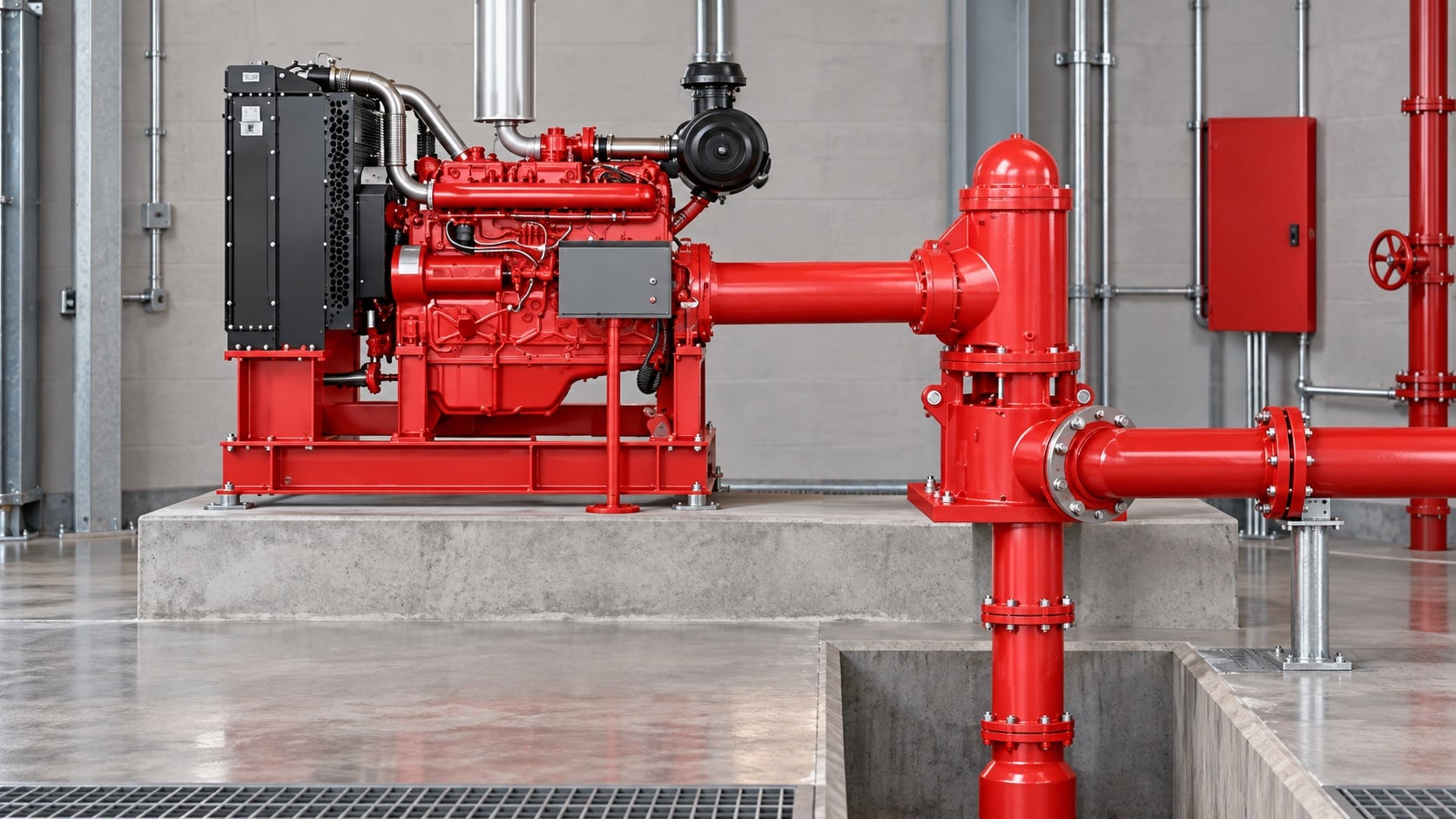
Use certified curves for the required duty and test range. Confirm driver power, speed, pressure limits, and suction or submergence criteria. Review this condition at normal, test, and credible abnormal states before procurement. Identify the source of every input, the unit used, the operating condition it represents, and the person responsible for approval. If information is preliminary, mark the assumption and test how the decision changes at a conservative boundary. This prevents a neat calculation from hiding an uncertain water level, pressure, valve position, driver condition, or simultaneous demand.
For horizontal split case vs vertical turbine fire pump, verify this section against the selected pump curve, the actual site arrangement, manufacturer instructions, and the current requirements accepted by the authority having jurisdiction. Check the installed condition as well as the drawing because pipe routes, elevations, supports, controls, and access often change during construction. Record the result in a form that can be repeated during commissioning and later inspection. Do not change a safety-critical setting or isolate fire protection without the approved impairment and restoration process.
Review footprint and structure
Split case units need horizontal floor space and pipe access. Vertical turbine units need a pit or well, vertical clearance, discharge head support, and a removal path. The design team should turn this point into a traceable calculation or drawing note. Identify the source of every input, the unit used, the operating condition it represents, and the person responsible for approval. If information is preliminary, mark the assumption and test how the decision changes at a conservative boundary. This prevents a neat calculation from hiding an uncertain water level, pressure, valve position, driver condition, or simultaneous demand.
For horizontal split case vs vertical turbine fire pump, verify this section against the selected pump curve, the actual site arrangement, manufacturer instructions, and the current requirements accepted by the authority having jurisdiction. Check the installed condition as well as the drawing because pipe routes, elevations, supports, controls, and access often change during construction. Record the result in a form that can be repeated during commissioning and later inspection. Do not change a safety-critical setting or isolate fire protection without the approved impairment and restoration process.
Tabela de decisão prática
| Fator de decisão | Horizontal split case | Vertical turbine |
|---|---|---|
| Typical source arrangement | Flooded or acceptable suction piping | Wet pit, tank, reservoir, or well |
| Pump element location | In pump room on base | Bowls submerged below water |
| Space demand | More horizontal floor space | More vertical and lifting clearance |
| Suction design focus | Pipe velocity, loss, fittings, air | Submergence, intake flow, vortices |
| Maintenance access | Casing split gives rotor access | Column and bowls may need lifting |
| Structural need | Base and aligned piping | Discharge head, pit, column support |
Planear a manutenção
Split casings can provide rotor access without removing all piping. Vertical turbines may require lifting the column and bowl assembly from the source. Treat this as a system condition rather than an isolated component choice. Identify the source of every input, the unit used, the operating condition it represents, and the person responsible for approval. If information is preliminary, mark the assumption and test how the decision changes at a conservative boundary. This prevents a neat calculation from hiding an uncertain water level, pressure, valve position, driver condition, or simultaneous demand.
For horizontal split case vs vertical turbine fire pump, verify this section against the selected pump curve, the actual site arrangement, manufacturer instructions, and the current requirements accepted by the authority having jurisdiction. Check the installed condition as well as the drawing because pipe routes, elevations, supports, controls, and access often change during construction. Record the result in a form that can be repeated during commissioning and later inspection. Do not change a safety-critical setting or isolate fire protection without the approved impairment and restoration process.
Coordinate drivers
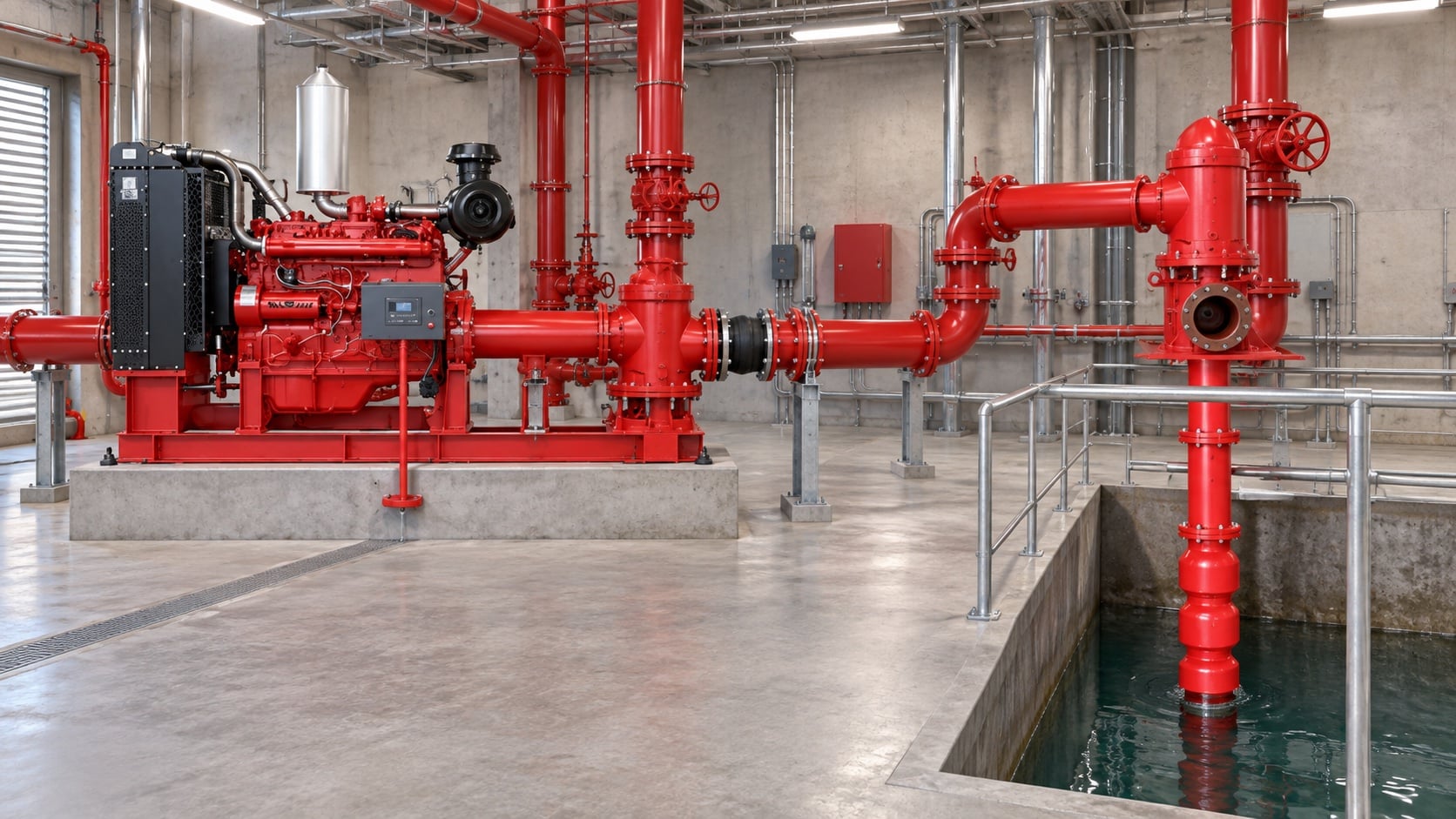
Both arrangements can use approved electric or diesel drivers in suitable configurations. Review shafting, gear drives where applicable, alignment, cooling, and controls. The most useful evidence is measured or approved project data, not a copied rule of thumb. Identify the source of every input, the unit used, the operating condition it represents, and the person responsible for approval. If information is preliminary, mark the assumption and test how the decision changes at a conservative boundary. This prevents a neat calculation from hiding an uncertain water level, pressure, valve position, driver condition, or simultaneous demand.
For horizontal split case vs vertical turbine fire pump, verify this section against the selected pump curve, the actual site arrangement, manufacturer instructions, and the current requirements accepted by the authority having jurisdiction. Check the installed condition as well as the drawing because pipe routes, elevations, supports, controls, and access often change during construction. Record the result in a form that can be repeated during commissioning and later inspection. Do not change a safety-critical setting or isolate fire protection without the approved impairment and restoration process.
Control intake hydraulics
Prevent vortexing, air entrainment, sediment pickup, uneven approach flow, and inadequate submergence through an approved intake design. Review this condition at normal, test, and credible abnormal states before procurement. Identify the source of every input, the unit used, the operating condition it represents, and the person responsible for approval. If information is preliminary, mark the assumption and test how the decision changes at a conservative boundary. This prevents a neat calculation from hiding an uncertain water level, pressure, valve position, driver condition, or simultaneous demand.
For horizontal split case vs vertical turbine fire pump, verify this section against the selected pump curve, the actual site arrangement, manufacturer instructions, and the current requirements accepted by the authority having jurisdiction. Check the installed condition as well as the drawing because pipe routes, elevations, supports, controls, and access often change during construction. Record the result in a form that can be repeated during commissioning and later inspection. Do not change a safety-critical setting or isolate fire protection without the approved impairment and restoration process.
Specify procurement and testing
Include source geometry, minimum water level, duty, materials, driver, installation drawings, certified performance, vibration checks, and witnessed testing. The design team should turn this point into a traceable calculation or drawing note. Identify the source of every input, the unit used, the operating condition it represents, and the person responsible for approval. If information is preliminary, mark the assumption and test how the decision changes at a conservative boundary. This prevents a neat calculation from hiding an uncertain water level, pressure, valve position, driver condition, or simultaneous demand.
For horizontal split case vs vertical turbine fire pump, verify this section against the selected pump curve, the actual site arrangement, manufacturer instructions, and the current requirements accepted by the authority having jurisdiction. Check the installed condition as well as the drawing because pipe routes, elevations, supports, controls, and access often change during construction. Record the result in a form that can be repeated during commissioning and later inspection. Do not change a safety-critical setting or isolate fire protection without the approved impairment and restoration process.
Como isto se relaciona com o equipamento BORRAPUMP
A BORRAPUMP fornece equipamento de bombagem concebido por engenharia para projetos de água e proteção contra incêndios. Reveja o relevante Configuração do produto BORRAPUMP como ponto de partida, submeta seguidamente o caudal, a altura manométria, a fonte de água, o acionador, a potência, os controlos, as condições do local, os requisitos aplicáveis, a quantidade e o destino. A seleção final deve utilizar a base hidráulica do projeto e a submissão aprovada; este guia não afirma que uma disposição de catálogo se adapta a todas as jurisdições ou riscos.
Guias BORRAPUMP relacionados
- guia de testes de aceitação da NFPA 20
- Guia de inspeção e ensaio da NFPA 25
- guia do grupo sobrepressor jockey
Referências fidedignas
As fontes seguintes estabelecem os limites normativos, o contexto de segurança contra incêndios e os princípios dos sistemas de bombagem utilizados neste guia. Aplique sempre a edição e a adoção local aceites para o projeto.
- Página de desenvolvimento da norma NFPA 20
- Recursos de sistemas de bombagem do Departamento de Energia dos EUA
- investigação sobre protecção contra incêndios do NIST
Vídeo educativo
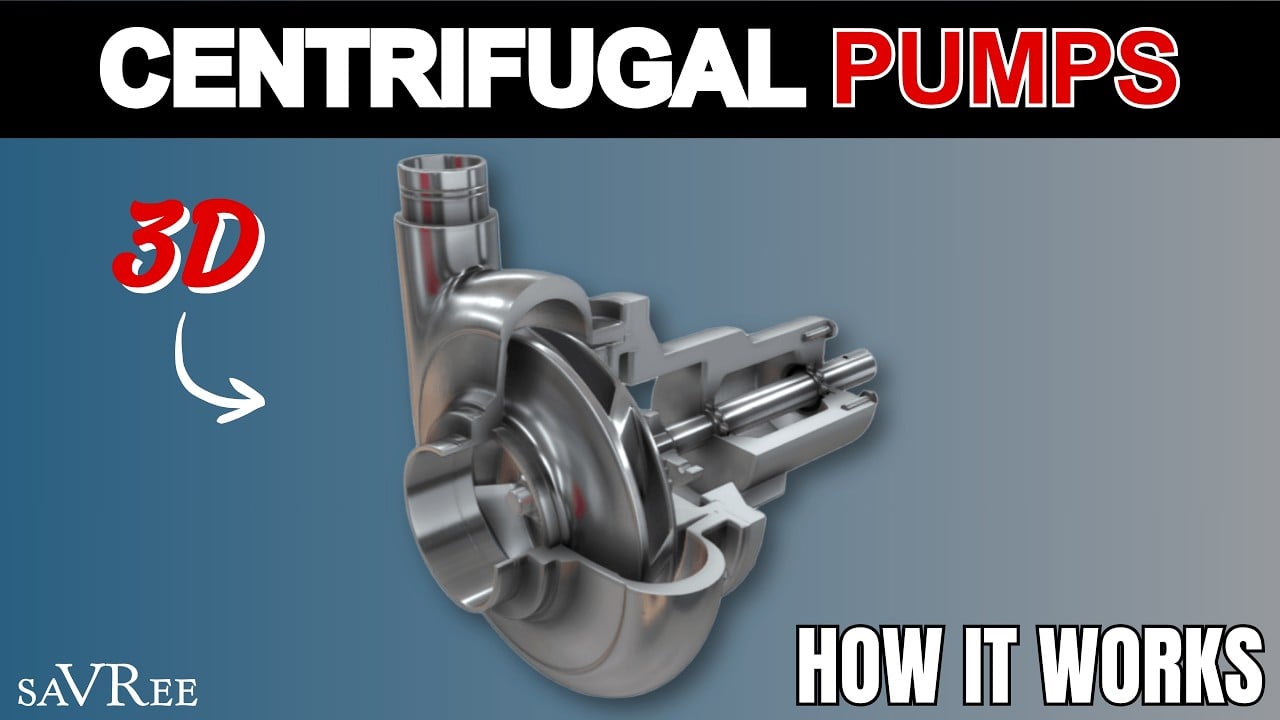
Formação académica por saVRee: Como Funcionam as Bombas Centrífugas. O vídeo apoia o conceito de engenharia subjacente e não substitui os requisitos de proteção contra incêndio específicos do projeto.
Perguntas frequentes
Is a vertical turbine pump always better for a tank?
No. The choice depends on tank geometry, minimum level, duty, access, structure, maintenance, and approved design.
Can a split case pump lift water from below?
Use only an acceptable suction arrangement supported by hydraulic analysis and applicable requirements; avoid unsupported assumptions.
Qual é a bomba mais fácil de manter?
Split case internals are often more accessible in the room, while vertical turbine maintenance needs lifting access; actual design matters.
What intake information does a vertical turbine supplier need?
Provide pit or tank geometry, water levels, submergence, approach flow, sediment, water quality, duty, driver, and site constraints.
Lista de verificação de verificação final
Antes da aprovação, confirme a base hidráulica, a condição da captação de água, a curva da bomba selecionada, os dados do acionador e do controlador, as pressões nominais dos componentes, o arranjo das válvulas, o método de ensaio, o acesso, a drenagem, os alarmes e o procedimento de restabelecimento. Resolva as divergências entre os desenhos e o sistema instalado. Durante a comissão, utilize instrumentos calibrados e registe a pressão de aspiração, a pressão de descarga, o caudal, a velocidade, a condição do acionador, os alarmes e as observações anómalas em cada ponto necessário. Mantenha os resultados aceites junto dos registos da casa de bombas para que inspeções posteriores comparem dados equivalentes.