
An ejector pump can mean two different things. In building plumbing, a sewage ejector pump lifts wastewater from fixtures below the gravity sewer into a higher discharge line. In well-pump language, an ejector is a nozzle-and-venturi assembly used with a jet pump to create suction and lift water; it may be at the surface or down the well. The two applications are not interchangeable. Identify the liquid, system drawing, flow, total head, solids, controls, venting, and applicable code before selecting equipment.
Este artigo é um guia prático de diagnóstico e aquisição, não um substituto para as instruções do fabricante da bomba, um projeto de sistema aprovado, as normas elétricas e de canalização em vigor, ou assistência técnica qualificada no local. Isole a energia e a pressão antes de abrir o equipamento. Os trabalhos em poços, elevação, espaços confinados, águas residuais, locais elétricos húmidos e testes com equipamento energizado exigem pessoal competente e controlos específicos para a tarefa.
Sewage ejector meaning
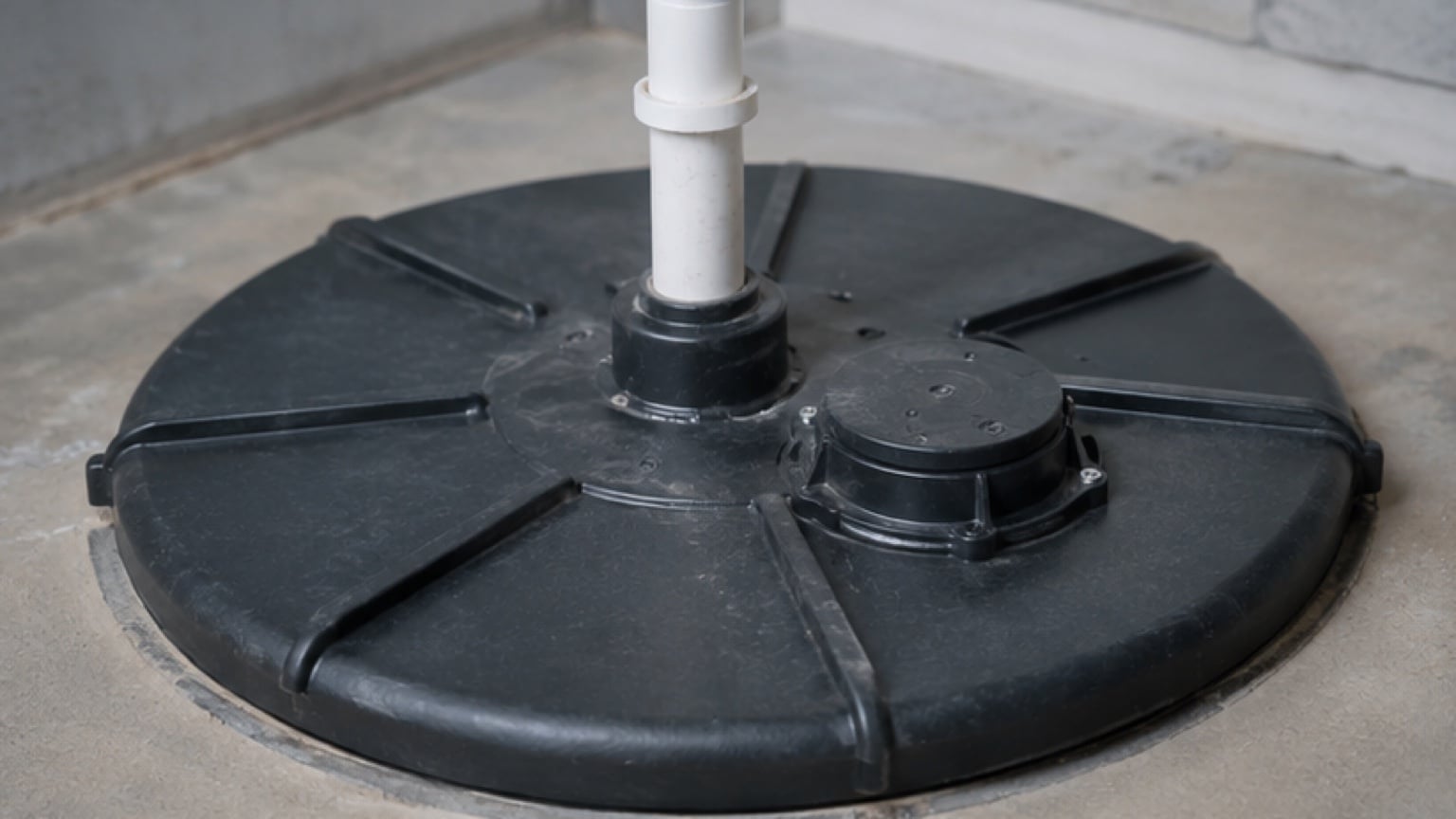
A sewage ejector system collects wastewater in a sealed basin and starts a solids-handling pump when the level rises. The pump discharges through a check valve and isolation valve toward the building sewer or other approved destination. The basin, cover, seals, vent, inlet elevations, pump-off, pump-on and alarm levels, passage, and access must be coordinated. A clear-water sump pump is not a sewage ejector merely because both sit in pits. Wastewater exposure adds gas, hygiene, corrosion, blockage, and maintenance requirements.
Jet-pump ejector meaning
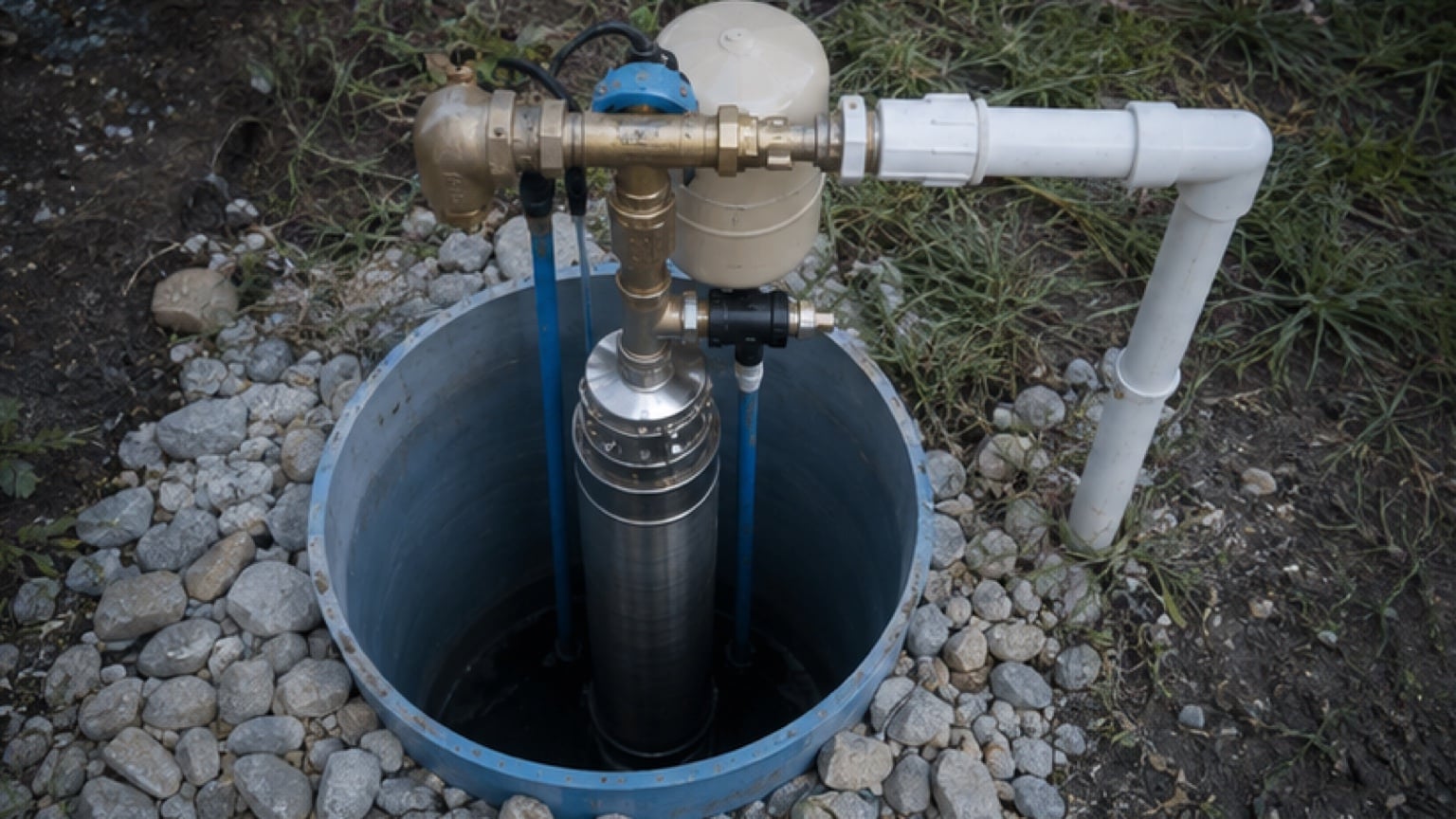
A water-well ejector uses a nozzle to accelerate drive water and a venturi to recover pressure, helping a surface jet pump lift water. Shallow-well arrangements often integrate the jet near the pump, while deep-well systems can place an ejector in the well with two pipes. Performance depends on nozzle and venturi match, setting, pumping level, recirculation, pipe losses, priming, and leak-tight piping. It contains no sewage cutting mechanism. Always use the pump manufacturer's approved ejector combination and performance data.
Size a sewage ejector from the waste duty
Establish fixture or process inflow, peak condition, basin storage, allowable cycle frequency, static lift, discharge friction, downstream pressure, solids and fibers, temperature, and chemical exposure. Plot normal and assisted or emergency cases on the curve. Confirm passage size, impeller type, connection, motor cooling, minimum submergence, starts, voltage, and controls. A grinder may be appropriate only when the approved pressure-sewer design requires it. Do not reduce pipe size or add a restrictive check valve without recalculating head and blockage risk.
tabela de decisão
| Use of “ejector” | Medium | Core components |
|---|---|---|
| Sewage ejector pump | Wastewater with specified solids | Basin, solids pump, levels, vent, valves, alarm |
| Shallow-well jet ejector | Clean well water | Nozzle/venturi near surface pump |
| Deep-well jet ejector | Clean well water | Down-well nozzle/venturi and two pipes |
Coordinate basin, vent, valves, and alarm
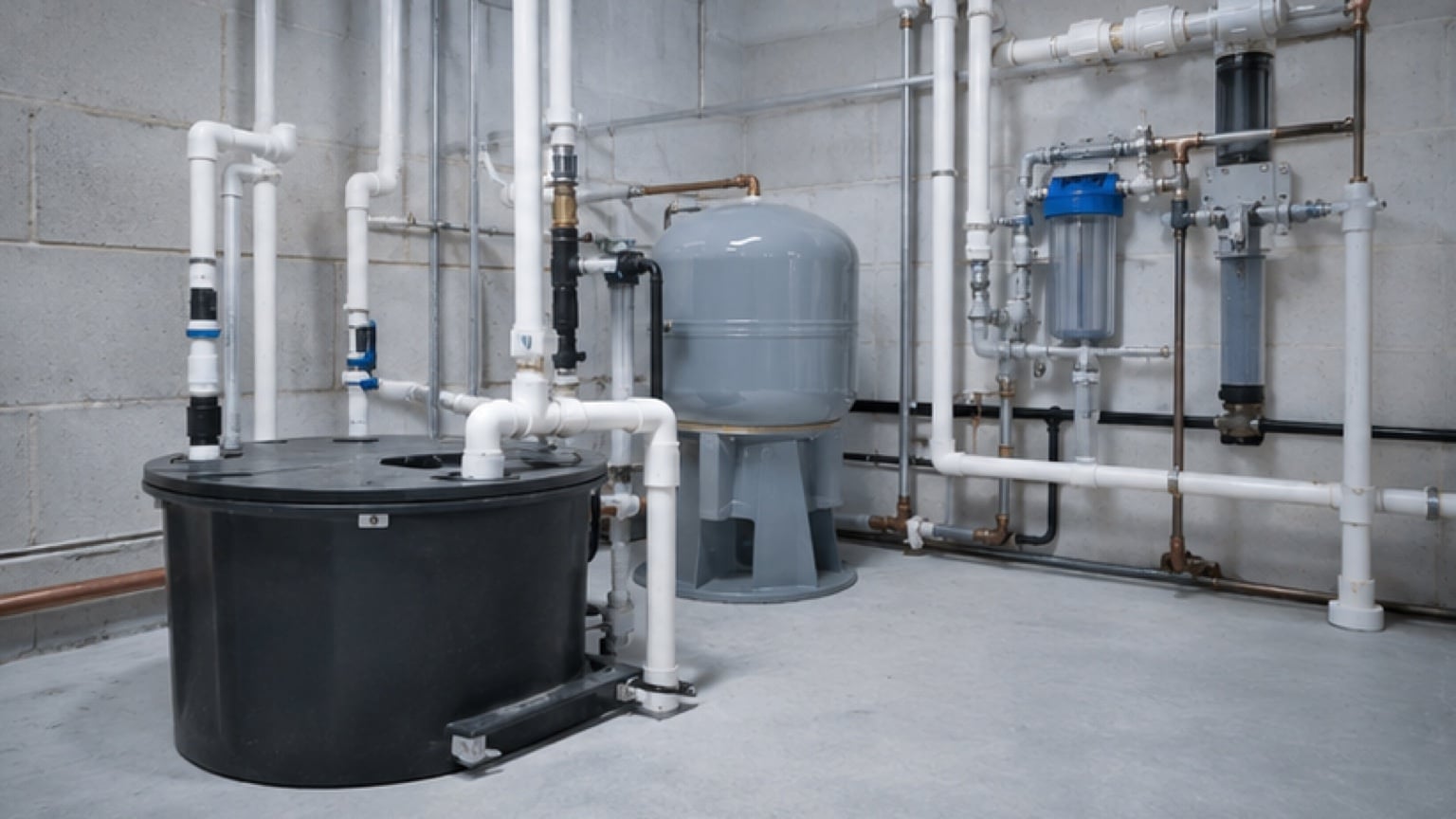
The basin cover should limit leakage and unauthorized access while permitting safe service. Venting follows the approved plumbing design and is not replaced by sealing the pit tightly without a route for displaced gas. Provide an accessible check valve, isolation valve, union or guide-rail arrangement, and lifting method. Set the high-level alarm above normal start with useful emergency storage remaining. Duplex systems should define lead, lag, alternation, failure, and alarm behavior. Keep floats clear of inlet turbulence, walls, cables, and piping.
Prevent common failures
Blockages come from unsuitable materials, small passages, poor pipe velocity, stuck check valves, or neglected basins. Rapid cycling can result from narrow level spacing or a small basin. Odor can indicate cover, seal, or vent problems rather than the pump. A jet ejector can lose performance through air leaks, wrong nozzle or venturi, scale, blocked passages, low water level, or failed foot valve. Diagnose the application-specific system rather than transferring troubleshooting steps from sewage to wells or vice versa.
Inspect and commission safely
Wastewater basins can contain pathogens and hazardous atmospheres; well systems require sanitary handling; both involve electricity and pressure. Use qualified personnel and isolation procedures. For sewage service, verify drawdown, start and stop levels, check-valve closure, alarm, standby sequence, vent and leakage. For a jet system, verify priming, stable pressure and flow, pumping level, motor load, and leak-tight piping. Record the exact meaning of ejector on drawings and asset lists so future parts and procedures are not confused.
System selection, evidence, and procurement record
Uma bomba de poço ou de águas residuais funciona como parte de um sistema de recolha. Reveja em conjunto o percurso de afluência, o volume da bacia, as cotas de desativação da bomba, de ativação da bomba e de nível alto, o tubo de descarga, a válvula de retenção, a válvula de corte, a localização da saída, a alimentação elétrica, o alarme, o sistema de reserva e a rota de remoção segura. A bomba deve adequar-se ao líquido e sólidos reais; uma bomba de poço de águas limpas, um ejetor de esgotos e uma bomba trituradora não são termos intercambiáveis. Confirme se o motor depende do líquido circundante para arrefecimento e se os controlos preservam a submergência mínima, evitando ciclagens rápidas.
As condições do local alteram a resposta. A precipitação, os lençóis freáticos, as ligações de drenagem, a ocupação do edifício, as restrições a jusante, as saídas congeladas ou obstruídas, as falhas de energia e as regras de descarga locais podem dominar o desempenho. Uma inspeção útil regista o tempo de funcionamento, os arranques, o tempo de rebaixamento, o afluxo estimado, o comportamento da descarga, o fecho da válvula, o movimento do controlo de nível, a função de alarme, o ruído, a vibração, a fuga, a corrosão, o estado dos cabos e os detritos. Não trabalhe num reservatório molhado, num espaço confinado ou num painel energizado sem as pessoas qualificadas e os procedimentos exigidos pelo local.
Para uma substituição ou nova instalação, envie aos fornecedores a descrição do líquido, os maiores sólidos esperados, o caudal de afluência normal e de emergência, a altura manométrica total, o desenho da bacia, as definições de nível, o traçado da tubagem, a tensão e a fase, o ciclo de funcionamento, os requisitos de alarme e de reserva, o ambiente de instalação, os limites de acesso, o destino e as aprovações necessárias. Solicite um âmbito completo que inclua a bomba, o dispositivo de guia ou elevação, os acessórios de descarga, as válvulas, os controlos, os sensores, o cabo, a proteção, os documentos de ensaio, as peças sobressalentes e o apoio à comissão de serviço. Guarde a curva aprovada e as leituras de arranque juntamente com os registos de manutenção. Uma bomba que funciona não é totalmente aceite até que os controlos de nível, o alarme, a resposta de reserva, a válvula de retenção, o traçado de descarga e a remoção segura também tenham sido demonstrados.
How this topic connects to BORRAPUMP equipment
This guide supports early review of what is an ejector pump applications. It does not assign a final model. Send the liquid, flow range, total head, source and destination levels, solids, duty cycle, power, controls, site conditions, quantity, destination, and required approvals so equipment can be checked against the real service.
Related BORRAPUMP engineering guides
Authoritative sources and further learning
U.S. EPA septic systems; U.S. EPA private drinking water wells; OSHA confined spaces. These sources provide general engineering, water, environmental, or safety context; current local rules, approved designs, and equipment instructions remain controlling.
Educational video by Practical Engineering: As bombas criam pressão ou caudal?.
Perguntas frequentes
Is an ejector pump a sewage pump?
In building plumbing it often means a sewage-lifting system, but in well terminology ejector can mean a jet nozzle-and-venturi assembly.
Can I use a sump pump as a sewage ejector?
Not unless it is approved for the actual wastewater, solids, head, controls, environment, and plumbing design.
Does a well ejector contain a cutter?
No. A jet-pump ejector uses a nozzle and venturi to transfer energy to water.
Why does a sewage ejector basin need a vent?
The approved vent manages displaced air and gases; requirements depend on the plumbing design and local rules.
Final checkpoint
Before changing equipment or settings, reconcile the actual duty and site conditions with the approved curve, drawings, materials, power, controls, protection, installation, testing, and maintenance access. Record remaining assumptions and assign responsibility for closing them. Preserve the final readings and documents as the baseline for future inspection.
A useful handover also states what was not tested, which assumptions still depend on site confirmation, and when the next inspection is due. Identify the person responsible for water-level, pressure, flow, electrical, alarm, and maintenance records. Keep photographs and instrument details with the results. If a later reading is taken at a different valve position, source level, speed, pressure setting, or demand, label that difference before comparing trends. This simple discipline prevents a normal operating change from being mistaken for damage and prevents real deterioration from being dismissed as normal variation. When safety, sanitation, water supply, or property damage is at stake, define the temporary protection and escalation route before returning the system to unattended service.
Use the first verified operating record as a baseline, then compare future checks under the closest practical conditions. Note weather, liquid level, demand, valve positions, speed, filter condition, and any temporary hose or bypass. Confirm that gauges and meters have an appropriate range and that readings are taken from the same locations. A change in one number should trigger a review of connected evidence rather than an immediate part replacement. If the pump, motor, control, tank, valve, pipe, or source is changed, update the drawing and selection record. This keeps maintenance decisions tied to the real system and gives suppliers enough context to evaluate a warranty question, replacement, or operating adjustment without starting the investigation from zero.