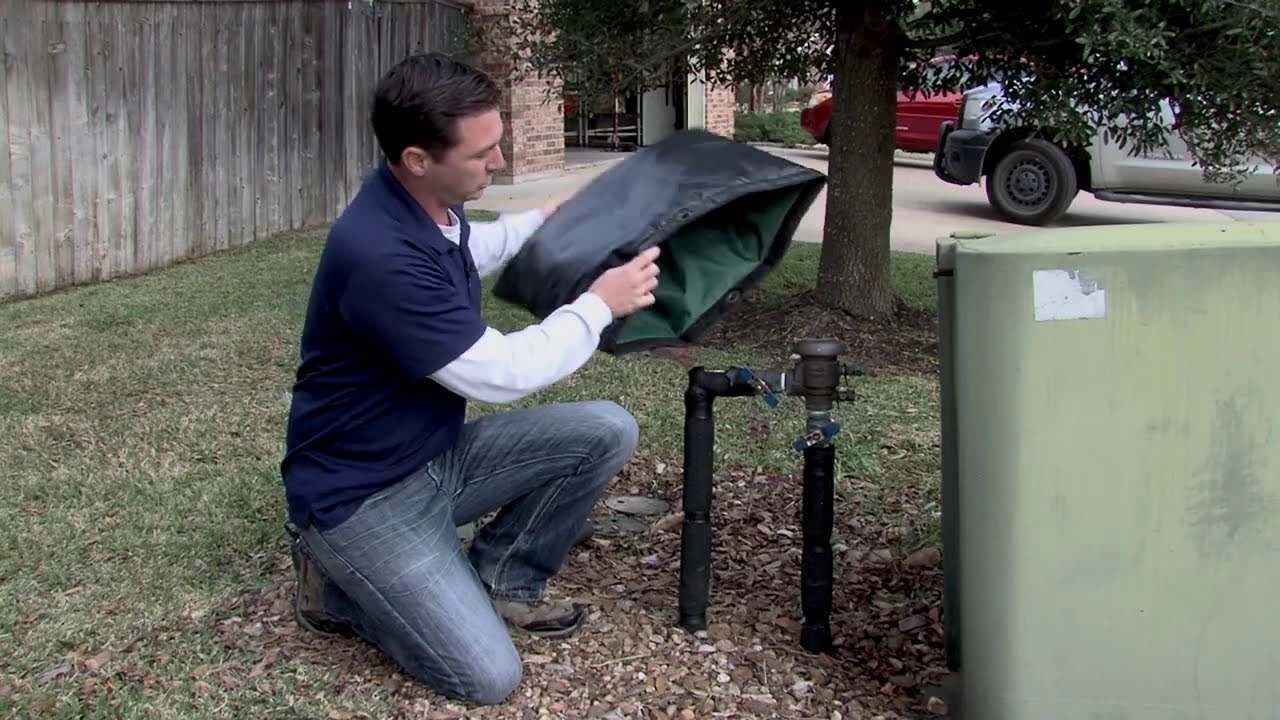
To winterize a self-priming water pump, shut it down safely, isolate power and the water source, relieve pressure, drain water from every component that can freeze, clean the casing and connected strainers, inspect seals and hoses, and store or protect the equipment according to its manual. The pump’s self-priming chamber is designed to retain liquid during normal service, so it can also retain water that expands and cracks a casing in freezing weather. A sheltered room is not necessarily frost free. Document every drain, valve and disconnected hose, then label the unit so nobody starts it dry before spring refilling. The precise procedure depends on the model, climate, fluid, and whether the pump remains installed or is moved indoors.
Decide whether winter shutdown is needed
Not every site shuts irrigation or transfer pumps down for the season. Some systems operate through winter, and others are in reliably heated rooms. Winterization is appropriate when any part of the pump, hose, valve, strainer, or pipe can be exposed to freezing while idle. Review the coldest credible temperature, power-loss risk, shelter ventilation, and the duration of inactivity. A small heater is not a complete plan if its power can fail unnoticed.
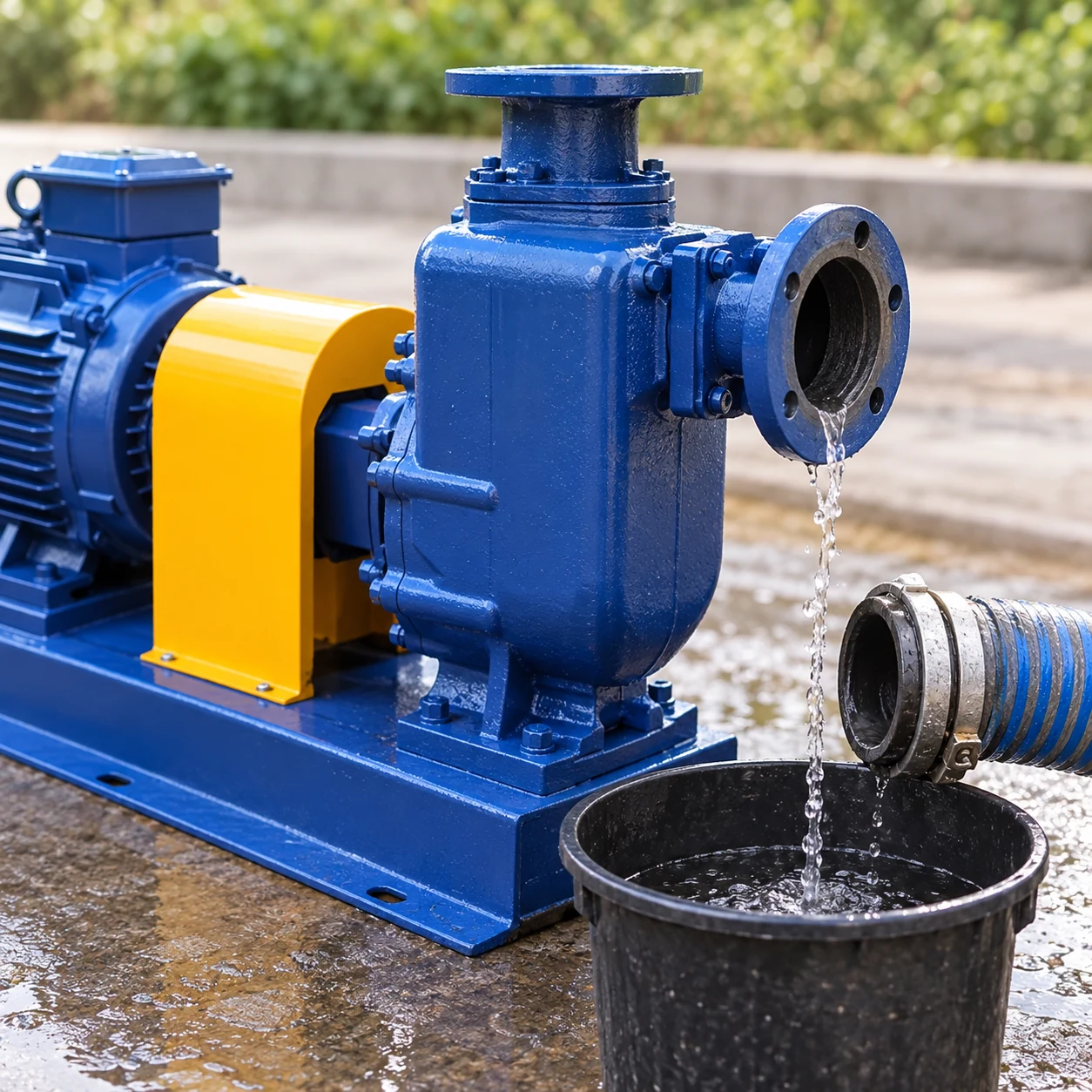
O BorraPumps ZX self-priming water pump for irrigation is the site product reference. Its blue casing, blue motor, yellow coupling guard, and skid are visible, but the photo does not show every internal cavity or drain point. Obtain the exact manual and locate the approved casing drain and fill points before work. The linha de bombas de drenagem contains other designs that may have different winter requirements.
Isolate the pump and release stored energy
Stop the driver, lock out and verify the power source, and close the relevant isolation valves. For a diesel-driven unit, follow the engine maker’s shutdown and fuel-storage procedure; for an electric motor, qualified staff should handle electrical isolation. Open the system only after pressure is safely relieved and water temperature is safe. A pipe or pressure vessel can retain pressure even when the pump is off. Provide a safe place for drained water and avoid releasing contaminated liquid onto the ground.
Record valve positions and take photographs of hose routing before disconnection. Tag disconnected connections so reassembly does not swap suction and discharge. Do not remove the yellow coupling guard for winter storage unless the maker’s service procedure requires it. Guard removal creates a separate restart hazard. Make sure the site operator knows the pump is unavailable and which backup route remains in service.
Drain the casing, not just the visible pipes
A self-priming chamber may retain water by design. Open the specified drain point and any vents needed to let the casing empty; catch the water in a suitable container. If the unit can be tilted or moved, do so only within the manufacturer’s handling rules. Do not assume that removing one hose empties every passage. Low pockets in the casing, seal chamber, priming chamber, valve body, strainer, and pressure gauge can hold water. A freeze can damage a component without making a leak visible until the next start.
The University of Georgia Extension’s drip-irrigation winterization checklist explicitly includes aboveground pump housings, filters, regulators, gauges, valves, pipes, and tanks. Its winterizing irrigation systems guide recommends draining pump casing water. Follow the pump manual for the exact drain location and whether plugs should be reinstalled loosely or stored separately.
Remove or protect the suction and discharge routes
Drain flexible hoses completely and store them without tight kinks. Remove a submerged intake or foot valve if it will freeze or become buried in sediment. Clean screens and check valves so trapped water or debris does not remain inside. Inspect hoses for cracks and collapse damage; a suction hose may look sound externally but admit air or collapse under vacuum next season. Cap open ports against dust and animals without sealing in moisture.
For fixed pipework, identify low points and components that cannot drain by gravity. A valve may trap water between two closed points. Use approved drain valves or a documented blow-out procedure suited to the piping and pressure rating. Do not inject compressed air into a pump or irrigation network at an improvised pressure. The water and air routes should be shown on the system drawing, and the person doing the work should verify flow from each drain rather than assuming a closed valve protects it.
| Componente | Winter action | Spring verification |
|---|---|---|
| Self-priming casing | Drain and confirm retained chamber is empty | Refill and vent before start |
| Suction hose and intake | Drain, clean, protect from damage | Check airtightness and submergence |
| Foot and check valves | Drain and clear debris if exposed | Verify orientation and seating |
| Strainer and filter | Empty, clean, inspect screen | Reinstall and monitor loss |
| Pressure gauge and sensor line | Drain or protect as specified | Compare readings with reference |
| Motor or engine | Isolate and protect from moisture and pests | Inspect wiring or engine service items |
| Records and tags | Mark drains, plugs and unavailable status | Remove tags only after recommissioning |
The table is a general checklist. The exact product manual, local climate, and site water quality determine which components must be drained or protected.
Clean and inspect before storage
Flush sediment from the pump and pipes with a liquid compatible with the service, as the maker permits. A pump that handled muddy water may retain grit around the casing or seal. Do not run the pump dry to “blow out” residual water. Inspect external gaskets, fasteners, flanges, coupling guard, base, and paint for corrosion or damage. Record leakage seen before shutdown so it is repaired during the off-season rather than discovered when water is urgently needed.
Oregon State University Extension’s irrigation system inspection guidance notes that water left in a pump can cause freeze damage and that drain plugs must be tracked between seasons. North Carolina State Extension’s off-season storage guidance emphasizes protecting irrigation equipment during inactivity. Use those resources as broad guidance, then follow the maker’s material and lubrication instructions.
Store the pump without creating a spring failure
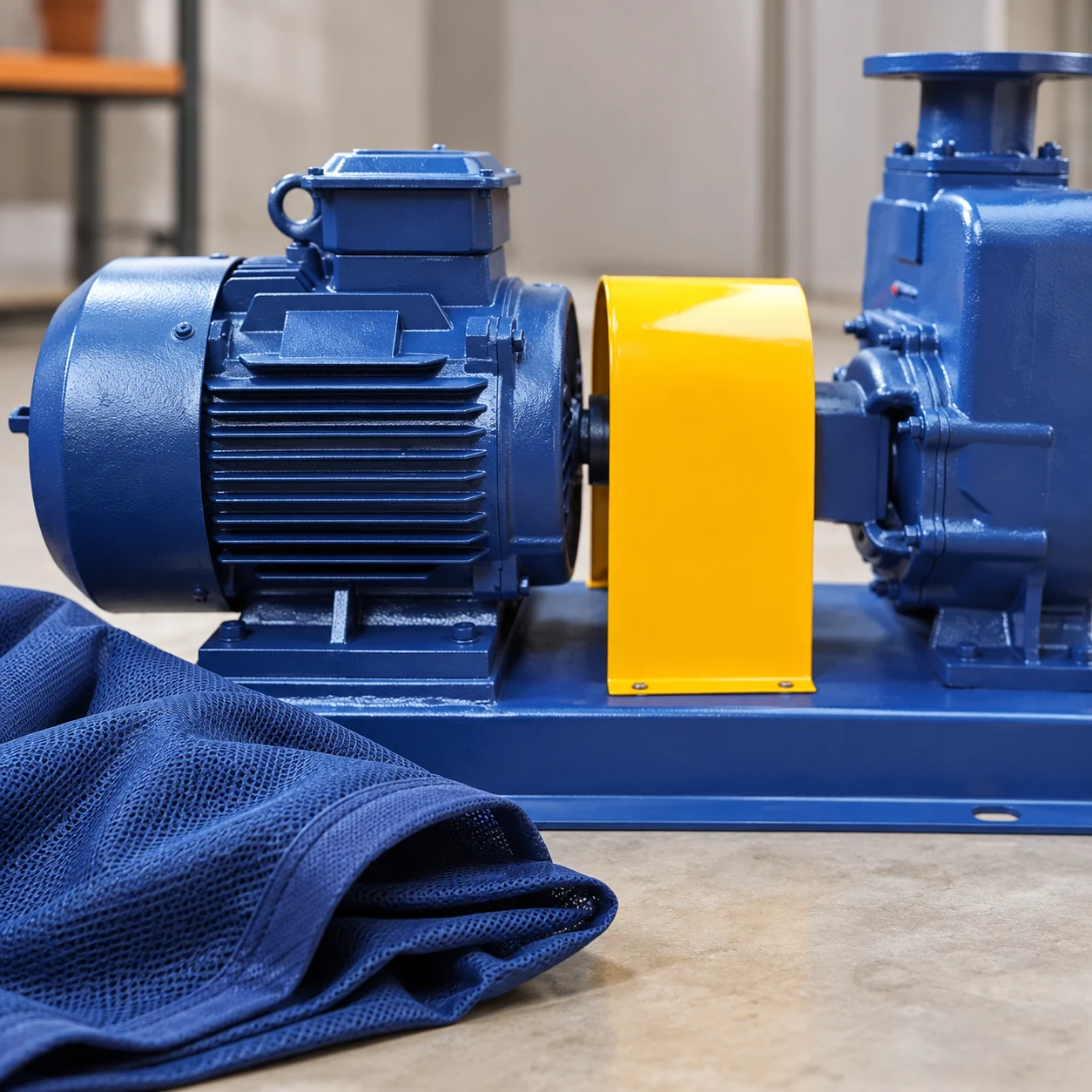
If the unit is portable, move it using rated lifting points or the approved skid route. Store it on a stable surface in a dry location, protected from flooding, pests, and accidental impact. Keep ventilation openings clear and do not wrap an electric motor so tightly that condensation remains trapped. A breathable cover can limit dust while allowing drying. If the motor or bearings require periodic attention during storage, follow the manual; do not invent a universal turning interval or lubricate a sealed bearing without instruction.
For a unit left installed outdoors, protect the casing and piping with a verified heat or insulation plan. Insulation slows cooling but does not generate heat. If heat tracing is used, check its electrical protection and monitoring. Record who will inspect after a power loss or extreme cold. A pump that is drained and disabled may be safer than one assumed to be heated but left full of water.
Plan the spring restart while winterizing
Make a restart checklist now: reinstall drains and plugs, restore valves, inspect wiring or engine, reconnect hoses, fill the self-priming chamber, vent as required, confirm source level, check rotation, and observe the first run. Put all removed parts in a labeled container linked to the pump. Do not re-energize automatically when a heater or site power returns if the casing was intentionally drained. The how-to-prime guide covers initial filling, and the priming-time guide explains how to evaluate the first start after storage.
Before full-duty operation, inspect for cracks or leaks that freezing may have caused. A pump can appear intact when dry and leak as soon as pressure rises. Test at controlled flow, record suction and discharge pressure, and inspect the seal and flanges. If a component was replaced, update the drawing and spare-parts list. The self-priming suction-lift guide remains relevant because a changed intake or hose route can alter priming behavior after winter.
Common winterization mistakes
Leaving water in the self-priming chamber is the most direct failure. Other mistakes include draining only the discharge pipe, forgetting a foot valve or gauge line, letting an empty pump restart automatically, covering a motor so tightly that it stays damp, using an unapproved antifreeze, or failing to record the removed drain plug. Some antifreeze products are unsafe for the service liquid or seals; do not add one unless the manufacturer and application permit it. Never substitute automotive coolant in a potable-water or irrigation route without explicit compatibility and regulatory review.
Winterization is complete only when each exposed water volume has been accounted for and the equipment’s status is clear to operators. A final walkdown should compare the actual valves, drains, caps, and tags with the checklist. Photograph the final state, record the date and personnel, and plan a spring inspection before irrigation demand rises.
Perguntas frequentes
Does a self-priming pump need to be drained for winter?
Yes if its casing or connected components can freeze while idle. The retained priming liquid that helps restart can expand and damage the casing.
Can I run the pump briefly to dry it out?
No. Running without adequate liquid can damage the mechanical seal and pump. Use the maker’s drain and storage procedure.
Is insulation alone enough for an outdoor pump?
Not necessarily. Insulation delays cooling but cannot replace an active, monitored heat source or proper draining where freezing is possible.
What is the most important spring reminder?
Reinstall drains, restore valves, inspect the unit, and refill and vent the self-priming chamber before starting. Then check for leaks under controlled operation.
Aprimoramento
The Texas Commission on Environmental Quality’s Take Care of Texas program offers Preparing Your Irrigation System for Winter. It explains system-level freeze preparation; the BorraPumps manual controls the pump-specific drain and restart steps.