
A self-priming oil transfer pump should be selected from the actual liquid and transfer system, not from a generic fuel label. Identify every product to be handled, density, viscosity at minimum and maximum temperature, vapor pressure or volatility, solids, lubricity, corrosiveness, flash-point information, required flow, static lift, pipe losses, discharge pressure, duty cycle, hazardous-area classification, seal requirements, and cleaning or changeover method. Self-priming describes the pump's ability to evacuate air from a correctly arranged suction line after initial filling; it does not mean the pump may run dry indefinitely or lift any oil from any distance. Final materials, seals, driver, grounding, and protection require project-specific review.
Это руководство представляет собой раннюю редакционную и закупочную основу. Проверяйте каждое рассчитанное значение, рабочий предел, требование безопасности и нормативное обязательство по актуальной проектной документации, утвержденным данным производителя и заключению ответственного инженера перед выбором оборудования или изменением установленной системы.
Define the liquid envelope
Oil transfer can mean light fuel, lubricating oil, waste oil, or a petrochemical product with very different behavior. Obtain a safety data sheet and process data for each liquid. Viscosity can rise sharply at low temperature, increasing friction and absorbed power while reducing the performance of a pump selected from water data. Volatile products can reduce suction margin and create hazardous vapor. Solids or sludge can block narrow passages or damage seals. Do not group incompatible liquids under one generic oil duty. If one pump must handle several products, evaluate the worst viscosity, vapor pressure, temperature, compatibility, and cleaning case individually. The supplier should state the liquid assumptions used for the offer and any prohibited media.
Calculate the complete transfer duty
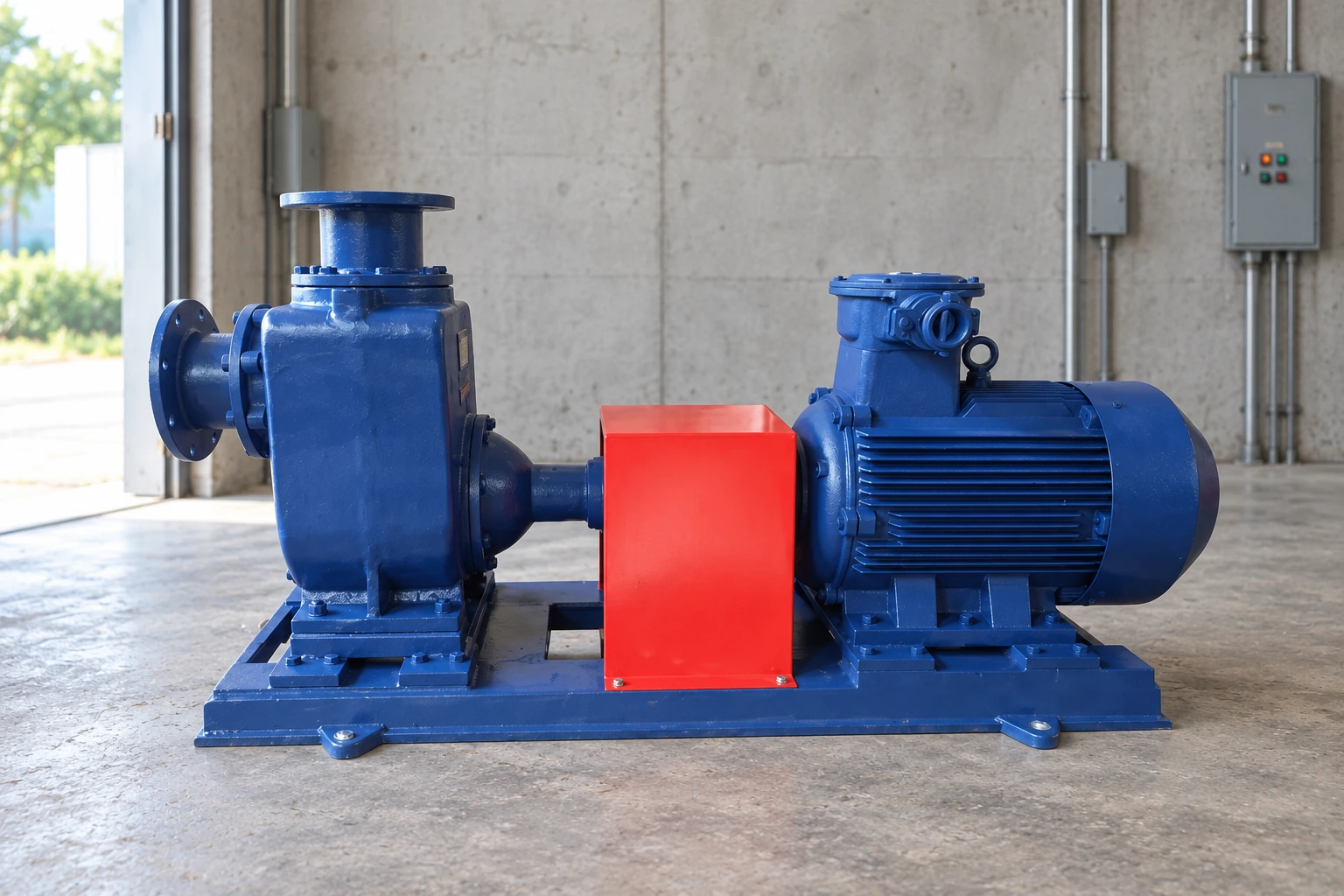
State suction vessel level range, pump centerline, discharge elevation, pipe diameter and length, fittings, valves, filters, meters, hoses, and required terminal pressure. Evaluate the lowest source level and the highest credible viscosity. A self-priming pump still needs a flooded casing before first start and an airtight suction path. Long suction piping, small diameter, high points, leaking connections, or a blocked strainer can prevent priming even when static lift appears acceptable. Check net positive suction head available against the manufacturer's requirement with a suitable margin across the operating range. Because vapor pressure and friction vary with product and temperature, a water-only calculation is not enough.
Choose pump type, materials, and seals
A self-priming centrifugal pump can suit many relatively low-viscosity transfer duties where rapid repriming and above-ground access are useful. More viscous products may require a positive-displacement approach; solids or abrasive contamination can change the choice again. Confirm casing, impeller, shaft, elastomer, gasket, and mechanical-seal compatibility from documented chemical and temperature data. Review whether the seal arrangement must contain hazardous or environmentally sensitive liquid and how leakage will be detected or collected. Material names alone do not prove compatibility. Ask the pump and seal suppliers to evaluate the exact product list, concentration, temperature, cleaning fluid, and expected upset conditions.
Таблица решений по проекту
| Ввод | Selection effect | Доказательство |
|---|---|---|
| Liquid and SDS | Compatibility and hazard controls | Current product/SDS list |
| Viscosity versus temperature | Friction, flow, and absorbed power | Supplier curve or viscosity data |
| Suction lift and pipe losses | Priming ability and NPSH margin | Piping isometric and calculations |
| Area classification | Driver and electrical construction | Hazardous-area dossier |
| Seal and containment needs | Leak control and maintenance | Seal plan and spill procedure |
| Duty cycle and changeover | Thermal load and contamination control | Operating narrative |
Control ignition and spill hazards
The area classification, motor and electrical equipment, static-control measures, bonding and grounding, ventilation, leak containment, and emergency isolation must be designed for the actual liquid and site regulations. A pump marketed for water transfer is not automatically suitable for fuel or flammable liquid. Flexible hoses need compatible construction, pressure rating, inspection, and secure connections. Provide a drip tray or contained drainage strategy where required, and prevent discharge against a closed valve unless the pump system has suitable relief or control. OSHA flammable-liquids requirements and EPA spill-prevention rules can apply in the United States, but the responsible engineer must determine the current project obligations and local approvals.
Plan priming, operation, and changeover
Document the initial casing-fill method, suction-valve position, discharge-valve startup position, priming-time limit, dry-run protection, and acceptable number of restart attempts. Operators should know what evidence shows successful prime: stable suction and discharge readings, expected flow, normal sound, and no seal overheating. If products are changed, define drain, purge, flush, recovery, and waste-handling steps. Cross-contamination can be a product-quality and safety problem. Do not use compressed air or improvised solvents unless the approved procedure and equipment permit them. A standby pump or bypass may be more reliable than relying on repeated emergency priming for a critical transfer duty.
Specify evidence and acceptance tests
An RFQ should include product data and SDS, temperature range, normal and maximum viscosity, duty points, suction geometry, pipe and hose details, required priming time, area classification, power supply, controls, seal and leakage requirements, materials, duty cycle, installation environment, and documentation needs. Request a performance curve corrected for the stated liquid where necessary, absorbed power, NPSH data, maximum permissible speed, priming limits, dry-run restrictions, and test scope. Site acceptance should verify direction of rotation, casing fill, leak tightness, prime and reprime time, flow, pressures, current, temperature, vibration observations, shutdowns, and containment. Test with a safe representative liquid only when the approved plan allows it.
Как сравнить предложения поставщиков
A supplier comparison should state the assumed oil beside every curve and power value. Check the viscosity and temperature used, correction method, maximum absorbed power, permitted speed, seal materials, elastomers, casing and impeller materials, priming condition, and maximum suction arrangement. Compare motor or engine construction with the hazardous-area dossier rather than accepting a generic explosion-proof statement. Review drain and vent points, isolation, relief or bypass needs, containment, coupling guard, base, lifting, hose and connection standards, and cleaning procedure. Ask how the pump is preserved and tested before shipment and which liquid is used for the test. If the duty includes several products, require a compatibility matrix and a clearly stated excluded-liquids list. These details prevent an offer optimized for a low-viscosity test liquid from being accepted for a colder, heavier, or more volatile service without evidence. Agree on inspection documents, spare seals and gaskets, preservation period, commissioning supervision, and the procedure for reporting leakage or unsuccessful priming before the purchase order is released.
Как это руководство связано с оборудованием BORRAPUMP
Эта статья поддерживает раннее проектное рассмотрение для self priming oil transfer pump линейка продукции. Она не определяет конкретную модель. Отправьте рабочие параметры, характеристики жидкости, электропитание, установочные чертежи, систему управления, количество и пункт назначения, чтобы конфигурацию изделия можно было проверить на соответствие конкретному проекту.
Связанные технические руководства BORRAPUMP
- how to prime a transfer pump
- высота всасывания самовсасывающего насоса
- проверка кавитации самовсасывающего насоса
Авторитетные источники и дальнейшее изучение
OSHA Flammable Liquids U.S. EPA Oil Spill Prevention and Preparedness NIOSH Pocket Guide to Chemical Hazards. Эти источники устанавливают общий инженерный, нормативный контекст или контекст безопасности; действующие принятые правила, руководства по оборудованию и проектные утверждения остаются определяющими.
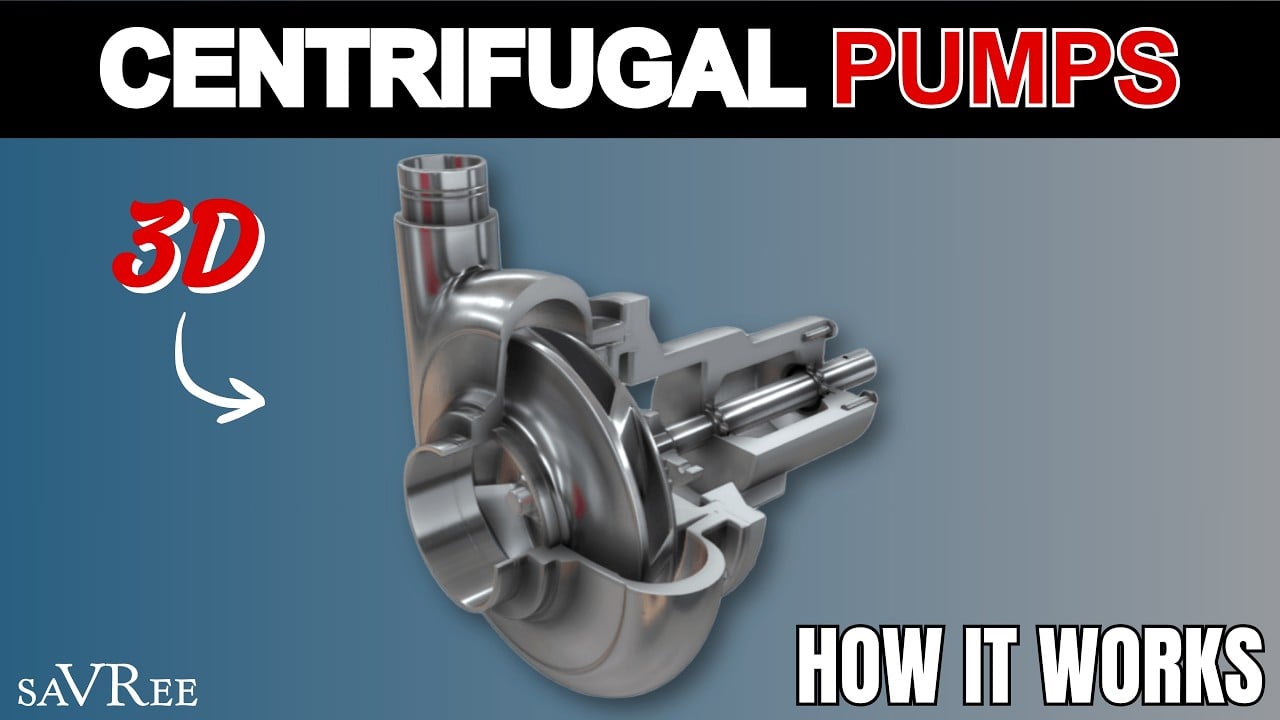
Обучающее видео от saVRee: Как работают центробежные насосы. В нем объясняются основные принципы, и он не заменяет проектно-специфические инструкции.
Часто задаваемые вопросы
Can a self-priming pump run dry?
Not automatically. Self-priming usually requires initial casing fill, and dry-run duration is limited by the specific pump and seal design.
Can one oil transfer pump handle diesel and lubricating oil?
Only after compatibility, viscosity, performance, contamination, and cleaning requirements are checked for both liquids.
Why does viscosity matter?
Higher viscosity increases piping losses, changes pump performance, and can increase absorbed power, especially at low temperature.
What information is essential for quotation?
Provide liquid/SDS, viscosity-temperature range, duty points, suction layout, area classification, seal requirements, controls, and operating cycle.
Финальная контрольная точка закупки
Перед размещением заказа согласуйте утвержденную пошлину и чертежи с кривой поставщика, двигателем или приводом, материалами, размерами, весами, подключениями, средствами управления, принадлежностями, испытаниями, документацией, запасными частями, границей поставки и требованиями к месту назначения. Зафиксируйте каждое остающееся открытым допущение. Монтаж, электротехнические работы, обращение с опасными жидкостями, работы по противопожарной защите, земляные работы и испытания под напряжением должны выполняться квалифицированным персоналом в соответствии с утвержденными процедурами и применимыми правилами.