
Site teams often receive a self-priming pump after the civil, piping, electrical, and package scopes have been separated. That separation is useful only when each handover point is visible on the current drawings.
Direct Answer
A self priming pump installation succeeds when the site team verifies the approved base, airtight suction path, supported discharge connection, safe access, and documented startup sequence before the pump is asked to perform. This is a project-review aid and does not replace approved documents, responsible professionals, applicable authorities, or verified manufacturer data.
Site teams often receive a self-priming pump after the civil, piping, electrical, and package scopes have been separated. That separation is useful only when each handover point is visible on the current drawings. The pump is not a stand-alone answer: its priming behavior depends on the installation around it, particularly the suction route and the liquid conditions the approved design assumed.
This checklist is organized for contractors, owners, distributors, and procurement teams who need to make installation observations traceable. It deliberately avoids universal dimensions, torque values, suction limits, setpoints, or operating times. Those belong to the approved design and the manufacturer documentation for the delivered model.
1. Confirm the Installation Basis Before Unloading
Begin with the current approved drawing, equipment schedule, supplier documentation, and delivery record. Match the pump tag, driver arrangement, connection orientation, accessories, and any lifting information to those controlled documents. Record missing parts or visible transit damage as a receiving exception; do not solve a scope gap by substituting a remembered arrangement from another site.
2. Review the Base, Position, and Service Access
The base or support must be the arrangement the project documents identify, with the pump positioned so piping can connect without forcing the casing or driver. Review access for inspection covers, routine observation, coupling or guard access where applicable, and removal paths for service. Nearby work can block a correct installation later, so compare the finished access route with the intended operating state, not only with the construction-stage view.
| Review area | What the site team confirms |
|---|---|
| Controlled basis | Current drawing, equipment tag, supplier documentation, and scope boundary are available. |
| Physical path | The intake or suction side and the discharge route match the reviewed site arrangement. |
| Interfaces | Support, driver or power, controls, access, and connections are identified before startup. |
| Records | Baseline observations, exceptions, and responsible escalation path are retained. |
3. Treat the Suction Side as a Separate System
A self-priming pump can only work within the suction conditions stated for its specific model. Walk the full route from source to pump: the source level range, pipe or hose condition, joints and gaskets, line supports, high points that may retain air, and the end arrangement. The review is not a calculation or a certification. It is evidence that the as-built suction side still matches the installation assumptions supplied for engineering review.
4. Connect and Support the Discharge Path
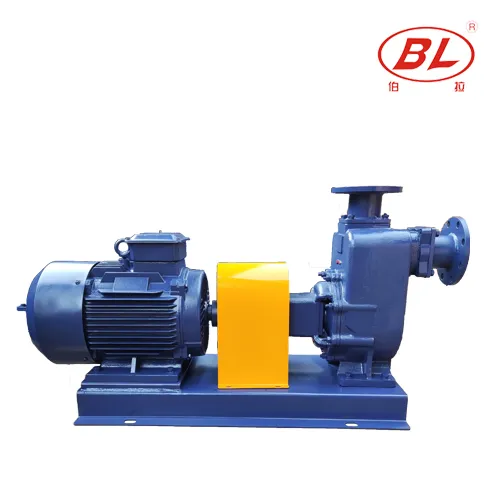
Trace the discharge line from the pump connection to the project-defined destination. Confirm that supports, flexible connections where designed, valves, drains, and transitions are identifiable in the approved information. Piping must not impose an undocumented load on the pump. Where field routing differs from the issued drawing, record the difference and route it to the responsible project reviewer before treating the installation as complete.
| Review stage | Evidence retained |
|---|---|
| Observed change | Record equipment tag, time, condition, and the affected installation area. |
| Document review | Compare the as-found condition with the current drawing, procedure, and manufacturer documentation. |
| Controlled response | Route a discrepancy to the responsible reviewer; do not create an undocumented field fix. |
| Closeout | File the decision, evidence, and any approved change with the equipment record. |
5. Prepare for Electrical, Driver, and Safety Interfaces
Check the driver, control, isolation, guarding, cable or fuel interfaces, and access clearances against the project documents and the manual for the supplied equipment. Keep safety controls within the site procedure and do not infer a start sequence from a similar pump. The objective is to establish that the equipment can be handed to authorized startup personnel with known interfaces, rather than to conduct an operating test from a generic article.
6. Record the Startup and Handover Evidence
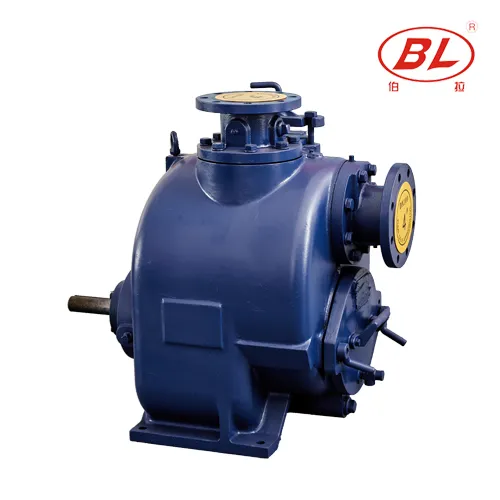
Before startup, assemble the drawing revision, pump tag, manual, installation observations, open exceptions, and the project startup procedure. During the authorized process, record the initial condition and any departure from the documented sequence. At handover, file the as-built route, maintenance access notes, and unresolved items with the equipment record. A repeatable record prevents the next team from rediscovering the installation assumptions.
FAQ
What is the first check for a self-priming pump installation?
Confirm the current approved documents and match the delivered pump, connections, and supplied scope before site work proceeds.
Can a generic checklist set the pump suction limit?
No. Suction capability is verified from manufacturer data for the specific model and the documented site conditions.
Why must suction joints be reviewed?
Air entering the suction path can prevent priming or change performance, so joints and the complete route are checked against the installation design.
Should piping be forced into alignment at the pump?
No. Record a mismatch and resolve it through the project process; imposed pipe loads are an installation concern.
Who carries out startup?
Personnel authorized by the project, following the site procedure and the manufacturer documentation for the supplied equipment.
Does this checklist certify the installation?
No. Acceptance and compliance are determined by the project documents, responsible professionals, applicable authorities, and verified equipment evidence.
References
Fit and Compliance Boundary
For related selection and installation context, see the BORRAPUMP Self-Priming Pump guide or contact BORRAPUMP with controlled project data. This article does not size equipment, prescribe operating values, certify a system, or claim approval to a named standard, listing, or authority. Final selection, installation, testing, discharge controls, and acceptance require the current project documents, responsible professionals, applicable authorities, and verified data for the supplied equipment.