
A well pump does not have one guaranteed service life. Its useful life depends on pump type and quality, operating point, starts per hour, cooling, water level, sand and chemistry, voltage, controls, installation, and maintenance. Calendar age alone is a weak replacement rule. A pump that still meets flow, pressure, current, insulation, and cycling expectations may remain serviceable, while a much newer unit can fail early if it runs dry, cycles rapidly, operates away from its curve, or handles abrasive water.
บทความนี้เป็นคู่มือการวินิจฉัยและจัดซื้อจัดจ้างเชิงปฏิบัติ ไม่ใช่สิ่งทดแทนคำแนะนำของผู้ผลิตปั๊ม การออกแบบระบบที่ได้รับการอนุมัติ กฎระเบียบด้านไฟฟ้าและประปาปัจจุบัน หรือบริการหน้างานโดยผู้เชี่ยวชาญที่มีคุณสมบัติเหมาะสม ให้ตัดแยกระบบพลังงานและแรงดันก่อนเปิดอุปกรณ์ งานบ่อน้ำ การยกของ พื้นที่อับอากาศ น้ำเสีย จุดที่มีไฟฟ้าเปียกชื้น และการทดสอบที่มีกระแสไฟฟ้า บุคลากรต้องมีความสามารถและต้องมีมาตรการควบคุมเฉพาะสำหรับงานนั้นๆ.
Why published lifespan numbers vary
Online lifespan estimates mix different pump types, well conditions, duty cycles, and definitions of failure. A shallow-well jet pump at the surface is not exposed to the same environment as a submersible motor hundreds of feet down a bore. Residential intermittent use differs from irrigation or continuous process duty. Some estimates describe the pump end, others the motor, pressure tank, controls, or the whole installation. Use any age range only as planning context. The model documentation, operating history, water analysis, well record, and current measurements provide a stronger basis for a specific system.
Conditions that shorten service life
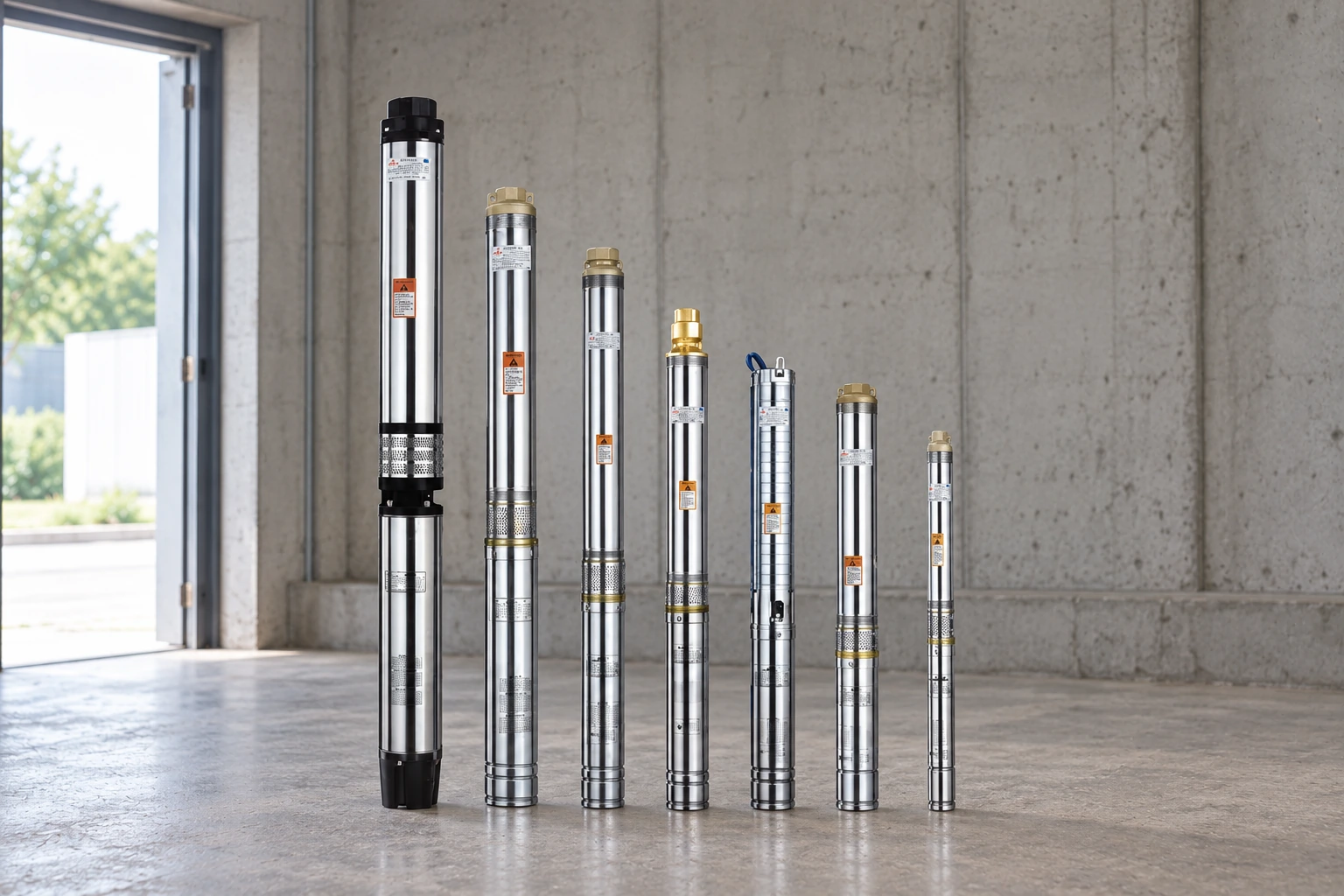
Rapid cycling repeatedly starts the motor and can result from a waterlogged or undersized pressure tank, narrow control differential, leaks, or mismatched flow. Low water level can reduce submergence and cooling or cause dry running. Sand and grit erode hydraulics, while corrosion or scale can attack wetted parts. Low or unbalanced voltage, loose connections, overload, damaged cable, lightning, and poor protection stress the motor. An operating point far from the intended curve can increase vibration, recirculation, power demand, or inadequate flow past the motor. Fixing these system causes often matters more than choosing a nominally longer-life pump.
Track evidence instead of age alone
Keep annual or condition-based records of static and pumping water levels, stabilized flow, pressure, drawdown, recovery, voltage, running current, starts, runtime, pressure-tank precharge under the approved procedure, control settings, water quality, and unusual noise. Compare readings at similar conditions. A gradual loss of flow with rising current suggests a different path from reduced flow caused by a declining water level or leaking rising main. An unexplained increase in starts can precede pump damage even when water delivery still feels normal. Trend changes are more actionable than a single inspection.
ตารางการตัดสินใจ
| หลักฐาน | What it may indicate | Decision use |
|---|---|---|
| Rising starts per day | Tank, leak, valve or control issue | Correct cycling before it damages the motor |
| Lower flow at comparable head | Wear, blockage, level or pipe leak | Test hydraulics and well level |
| Higher current or trips | Electrical or mechanical overload | Protect and diagnose promptly |
| Stable measured performance | Age alone is not failure | ทำการเฝ้าระวังตามที่บันทึกไว้ต่อไป |
Recognize warning signs
Warnings include air or sediment at fixtures, pressure that fluctuates, longer recovery, pump operation that becomes continuous, unusually frequent starts, breaker or overload trips, higher current, changed sound or vibration, loss of prime in a jet system, and reduced flow at the same pressure. None proves the pump itself is bad. A failed pressure tank, switch, check valve, underground leak, blocked screen, falling aquifer level, or electrical supply problem can create similar symptoms. Protect the equipment, record the conditions, and test the system before ordering a replacement.
Plan replacement before an emergency
Record the installed model, pump setting, cable, pipe, wellhead dimensions, controls, lifting route, and available service providers before failure. Decide what water storage or backup is needed while the well is out of service. When replacement becomes likely, repeat the well and system duty review instead of automatically buying the same horsepower. Demand, water level, pipework, pressure setting, and energy priorities may have changed. Preserve sanitation, cap integrity, and disposal procedures. A planned pull and inspection can also reveal pipe, cable, check-valve, and well issues that should be corrected together.
Decide between monitoring, repair, and replacement
Continue monitored service when performance is stable and tests remain within the approved limits. Repair controls, tank, wiring, accessible seals, valves, or piping when evidence identifies those items and the remaining equipment is sound. Consider pump or motor replacement when hydraulic performance, insulation, winding, bearings, corrosion, or repeated failures show that dependable service cannot be restored economically. Compare full installed cost, outage risk, efficiency at the real duty, parts support, and expected service access. Have a qualified well professional confirm the diagnosis and sanitary procedure.
การเลือกรูประบบ หลักฐาน และบันทึกการจัดซื้อจัดจ้าง
การตัดสินใจเรื่องปั๊มน้ำบาดาลควรเริ่มต้นจากบันทึกบ่อบาดาล แทนที่จะดูจากป้ายข้อมูลบนเครื่องที่เสีย บันทึกความลึกที่เจาะ เส้นผ่านศูนย์กลางปลอกบ่อ ระดับน้ำนิ่ง ระดับน้ำขณะสูบที่อัตราการไหลทดสอบที่กำหนด การฟื้นตัวของระดับน้ำ คุณภาพน้ำ ระยะความลึกที่ติดตั้งปั๊ม ขนาดท่อส่งน้ำขึ้น การตั้งค่าความดัน ปริมาตรการจัดเก็บ แรงดันไฟฟ้าที่จ่าย และลำดับการควบคุมในปัจจุบัน ระดับน้ำขณะสูบ—ไม่ใช่ก้นบ่อ—คือจุดเริ่มต้นสำหรับการคำนวณระยะยกน้ำ ให้เพิ่มแรงดันระบายและสูญเสียในท่อเพื่อกำหนดเฮดรวมทางพลศาสตร์ จากนั้นเปรียบเทียบช่วงการทำงานที่คาดหวังกับกราฟรับรองปัจจุบัน ผลผลิตที่ยั่งยืนของบ่ออาจต่ำกว่าความต้องการระยะสั้นของอาคาร ดังนั้นการจัดเก็บและระบบควบคุมจึงอาจมีความสำคัญมากกว่าการเลือกปั๊มขนาดใหญ่ขึ้น.
ให้ถือว่าหลักฐานทางไฟฟ้าและไฮดรอลิกเป็นบันทึกเดียวกัน แรงดัน การไหล ระดับน้ำ แรงดันไฟฟ้า กระแสขณะทำงาน พฤติกรรมการสตาร์ท สภาพฉนวน เวลาการทำงาน จำนวนครั้งการสตาร์ท และเหตุการณ์จากตัวควบคุม ช่วยแยกแยะความผิดปกติของปั๊มออกจากบ่อน้ำแห้งหรือน้ำลด ท่อรั่ว วาล์วกันกลับชำรุด ถังแรงดันมีน้ำขังมากเกินไป ท่ออุดตัน แรงดันไฟฟ้าต่ำ หรือการตั้งค่าตัวควบคุมที่ไม่ถูกต้อง การวัดค่าต้องทำด้วยเครื่องมือที่เหมาะสมโดยผู้ที่มีคุณสมบัติเหมาะสมสำหรับงานนั้น ๆ ห้ามเปิดอุปกรณ์ที่มีกระแสไฟฟ้า ดึงปั๊มจุ่ม หรือเข้าไปใน enclosure ของบ่อน้ำเด็ดขาด หากไม่มีการตัดตอนพลังงาน แผนการยก การควบคุมสุขอนามัย และขั้นตอนปฏิบัติงานนอกสถานที่ที่จำเป็น.
สำหรับการจัดซื้อ ให้ขอให้ซัพพลายเออร์ทุกคนเสนอราคาภายใต้ขอบเขตเดียวกัน ได้แก่ ปั๊มและมอเตอร์ สายไฟ ข้อต่อ สายส่งน้ำขึ้น วาล์วกันกลับ อุปกรณ์หัวบ่อ ถังแรงดัน เซนเซอร์ ชุดควบคุม ระบบป้องกัน การติดตั้ง การยก การทดสอบ เอกสาร การเดินระบบ และการกำจัดอุปกรณ์ที่รื้อถอน ให้เปรียบเทียบขอบเขตการติดตั้งแบบเบ็ดเสร็จแทนที่จะดูเฉพาะราคาปั๊ม กำหนดให้ต้องส่งข้อมูลมิติ วัสดุ กราฟสมรรถนะ กำลังไฟฟ้าที่ใช้ ข้อมูลมอเตอร์ ระยะจมน้ำขั้นต่ำ ข้อกำหนดการระบายความร้อน จำนวนครั้งที่อนุญาตให้สตาร์ท ระบบควบคุม คู่มือการติดตั้ง บันทึกการทดสอบ อะไหล่ และเงื่อนไขการรับประกัน ในขั้นตอนการเดินระบบ ให้บันทึกค่าพื้นฐาน (baseline readings) ไว้ เพื่อให้การวินิจฉัยปัญหาในอนาคตสามารถแยกระหว่างการเสื่อมสภาพตามปกติกับความผิดปกติของบ่อหรือระบบได้.
หัวข้อนี้เชื่อมโยงกับอุปกรณ์ BORRAPUMP อย่างไร
คู่มือนี้สนับสนุนการตรวจสอบเบื้องต้นของ how long does a well pump last การใช้งาน ซึ่งไม่ได้เป็นการระบุรุ่นสุดท้าย ส่งของเหลว, ช่วงการไหล, เฮดรวม, ระดับต้นทางและปลายทาง, ของแข็ง, วัฏจักรการทำงาน, กำลังไฟฟ้า, ระบบควบคุม, สภาพหน้างาน, ปริมาณ, ปลายทาง และการอนุมัติที่จำเป็น เพื่อให้สามารถตรวจสอบอุปกรณ์เทียบกับการใช้งานจริงได้.
คู่มือวิศวกรรม BORRAPUMP ที่เกี่ยวข้อง
แหล่งข้อมูลที่เชื่อถือได้และการศึกษาเพิ่มเติม
บ่อน้ำดื่มส่วนบุคคลของ EPA สหรัฐอเมริกา; USGS groundwater levels; ระบบปั๊มของกระทรวงพลังงานสหรัฐฯ. แหล่งข้อมูลเหล่านี้ให้บริบทด้านวิศวกรรมทั่วไป น้ำ สิ่งแวดล้อม หรือความปลอดภัย โดยกฎข้อบังคับท้องถิ่นในปัจจุบัน แบบที่ได้รับการอนุมัติ และคำแนะนำเกี่ยวกับอุปกรณ์ยังคงเป็นบรรทัดฐานที่ต้องยึดถือปฏิบัติ.
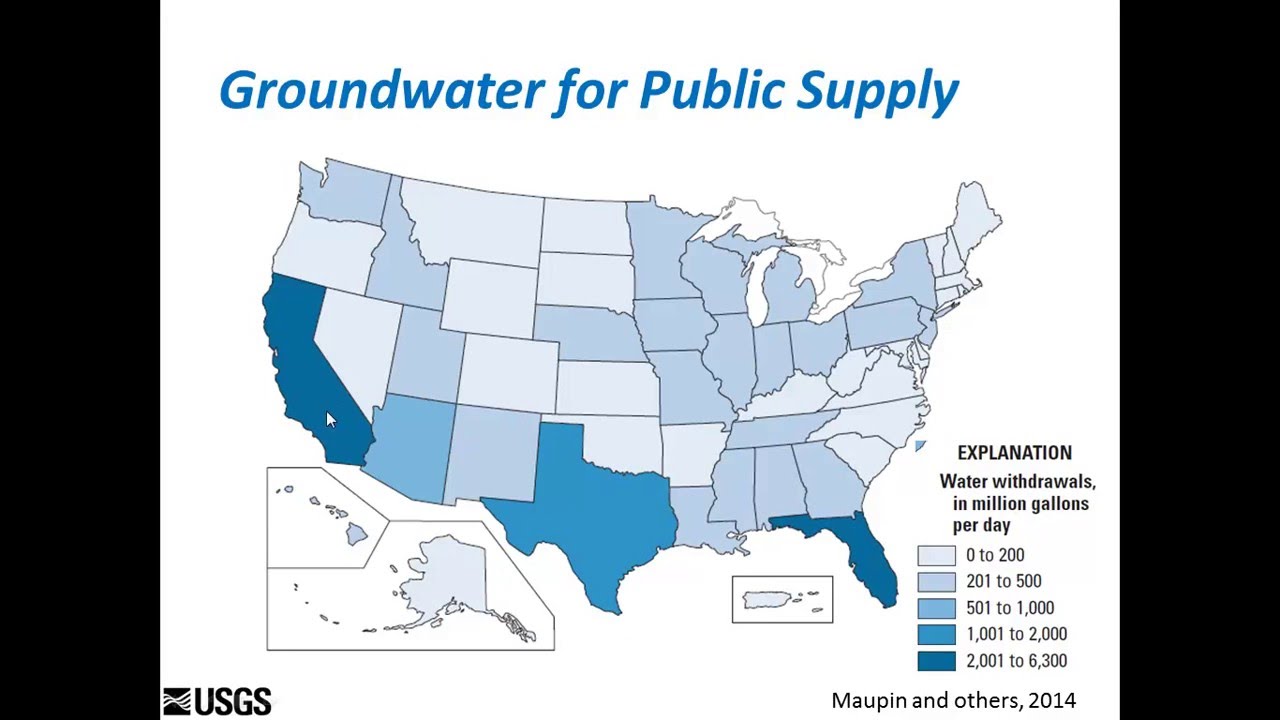
วิดีโอเพื่อการศึกษาโดยพิพิธภัณฑ์กระทรวงมหาดไทยสหรัฐฯ: น้ำบาดาล: ไขปริศนาทรัพยากรที่มองไม่เห็น.
คำถามที่มักถูกถาม
How many years should a well pump last?
There is no dependable universal number. Type, duty, cycling, cooling, water, power, installation, and maintenance determine actual life.
Should I replace an old pump that still works?
Use measured condition, reliability needs, service access, and failure risk rather than calendar age alone.
Can a pressure tank shorten pump life?
Yes. A waterlogged, undersized, or incorrectly maintained tank can cause rapid cycling and repeated motor starts.
What records help predict failure?
Flow, pressure, water levels, current, runtime, starts, control events, and water condition are especially useful.
จุดตรวจสุดท้าย
ก่อนเปลี่ยนอุปกรณ์หรือการตั้งค่า ให้ตรวจสอบภาระงานจริงและสภาพหน้างานให้สอดคล้องกับกราฟที่ได้รับการอนุมัติ แบบวาด วัสดุ พลังงาน การควบคุม การป้องกัน การติดตั้ง การทดสอบ และการเข้าถึงเพื่อการบำรุงรักษา บันทึกสมมติฐานที่ยังเหลืออยู่และมอบหมายความรับผิดชอบในการปิดประเด็นเหล่านั้น เก็บรักษาค่าที่อ่านได้ครั้งสุดท้ายและเอกสารต่างๆ ไว้เป็นเกณฑ์มาตรฐานสำหรับการตรวจสอบในอนาคต.
การส่งมอบงานที่มีประโยชน์จะต้องระบุด้วยว่าสิ่งใดยังไม่ได้ทดสอบ สมมติฐานใดยังต้องรอการยืนยันหน้างาน และกำหนดการตรวจสอบครั้งถัดไปคือเมื่อใด ให้ระบุผู้รับผิดชอบบันทึกข้อมูลระดับน้ำ ความแรงดัน การไหล ระบบไฟฟ้า สัญญาณเตือน และการบำรุงรักษา เก็บภาพถ่ายและรายละเอียดเครื่องมือไว้คู่กับผลการตรวจสอบ หากมีการอ่านค่าครั้งหลังในตำแหน่งวาล์ว ระดับแหล่งจ่าย ความเร็ว การตั้งค่าความแรงดัน หรือความต้องการที่แตกต่างออกไป ให้ระบุความแตกต่างนั้นให้ชัดเจนก่อนทำการเปรียบเทียบแนวโน้ม ระเบียบปฏิบัติที่เรียบง่ายนี้จะช่วยป้องกันไม่ให้ความเปลี่ยนแปลงในการปฏิบัติงานปกติถูกเข้าใจผิดว่าเป็นความเสียหาย และป้องกันไม่ให้ความเสื่อมสภาพที่แท้จริงถูกมองข้ามว่าเป็นความแปรผันตามปกติ เมื่อความปลอดภัย ด้านสุขอนามัย การประปา หรือความเสียหายต่อทรัพย์สินตกอยู่ในความเสี่ยง ให้กำหนดมาตรการป้องกันชั่วคราวและเส้นทางการยกระดับปัญหาให้ชัดเจนก่อนนำระบบกลับมาให้บริการแบบไม่มีผู้ดูแล.
ใช้บันทึกการทำงานที่ได้รับการตรวจสอบครั้งแรกเป็นเกณฑ์มาตรฐาน จากนั้นจึงเปรียบเทียบการตรวจสอบครั้งต่อ ๆ ไปภายใต้เงื่อนไขที่ใกล้เคียงความเป็นจริงที่สุด จดบันทึกสภาพอากาศ ระดับของเหลว ปริมาณความต้องการ ตำแหน่งวาล์ว ความเร็ว สภาพตัวกรอง และสายยางชั่วคราวหรือทางผ่านบายพาสใด ๆ ตรวจยืนยันว่าเกจและมิเตอร์มีช่วงการวัดที่เหมาะสม และมีการอ่านค่าจากตำแหน่งเดียวกัน การเปลี่ยนแปลงของตัวเลขเพียงตัวเดียวควรนำไปสู่การตรวจสอบหลักฐานที่เชื่อมโยงกัน แทนที่จะเป็นการเปลี่ยนชิ้นส่วนทันที หากมีการเปลี่ยนแปลงปั๊ม มอเตอร์ ระบบควบคุม ถัง วาล์ว ท่อ หรือแหล่งจ่าย ให้ทำการปรับปรุงแบบร่างและบันทึกการเลือกอุปกรณ์ให้เป็นปัจจุบัน การดำเนินการนี้ช่วยให้การตัดสินใจด้านการบำรุงรักษาผูกติดอยู่กับระบบจริง และให้ข้อมูลบริบทที่เพียงพอแก่ซัพพลายเออร์ในการประเมินปัญหาการรับประกัน การเปลี่ยนทดแทน หรือการปรับ ใช้งานโดยไม่ต้องเริ่มการตรวจสอบจากศูนย์.