
A well pump does not have one guaranteed service life. Its useful life depends on pump type and quality, operating point, starts per hour, cooling, water level, sand and chemistry, voltage, controls, installation, and maintenance. Calendar age alone is a weak replacement rule. A pump that still meets flow, pressure, current, insulation, and cycling expectations may remain serviceable, while a much newer unit can fail early if it runs dry, cycles rapidly, operates away from its curve, or handles abrasive water.
Эта статья представляет собой практическое руководство по диагностике и закупке и не заменяет инструкции производителя насоса, утвержденный проект системы, действующие правила электромонтажников и сантехников или квалифицированное обслуживание на месте. Перед вскрытием оборудования отключите подачу энергии и сбросьте давление. Работы с колодцами, подъемные работы, работа в замкнутых пространствах, со сточными водами, во влажных электроустановках и испытания под напряжением требуют наличия компетентного персонала и средств контроля, соответствующих конкретным задачам.
Why published lifespan numbers vary
Online lifespan estimates mix different pump types, well conditions, duty cycles, and definitions of failure. A shallow-well jet pump at the surface is not exposed to the same environment as a submersible motor hundreds of feet down a bore. Residential intermittent use differs from irrigation or continuous process duty. Some estimates describe the pump end, others the motor, pressure tank, controls, or the whole installation. Use any age range only as planning context. The model documentation, operating history, water analysis, well record, and current measurements provide a stronger basis for a specific system.
Conditions that shorten service life
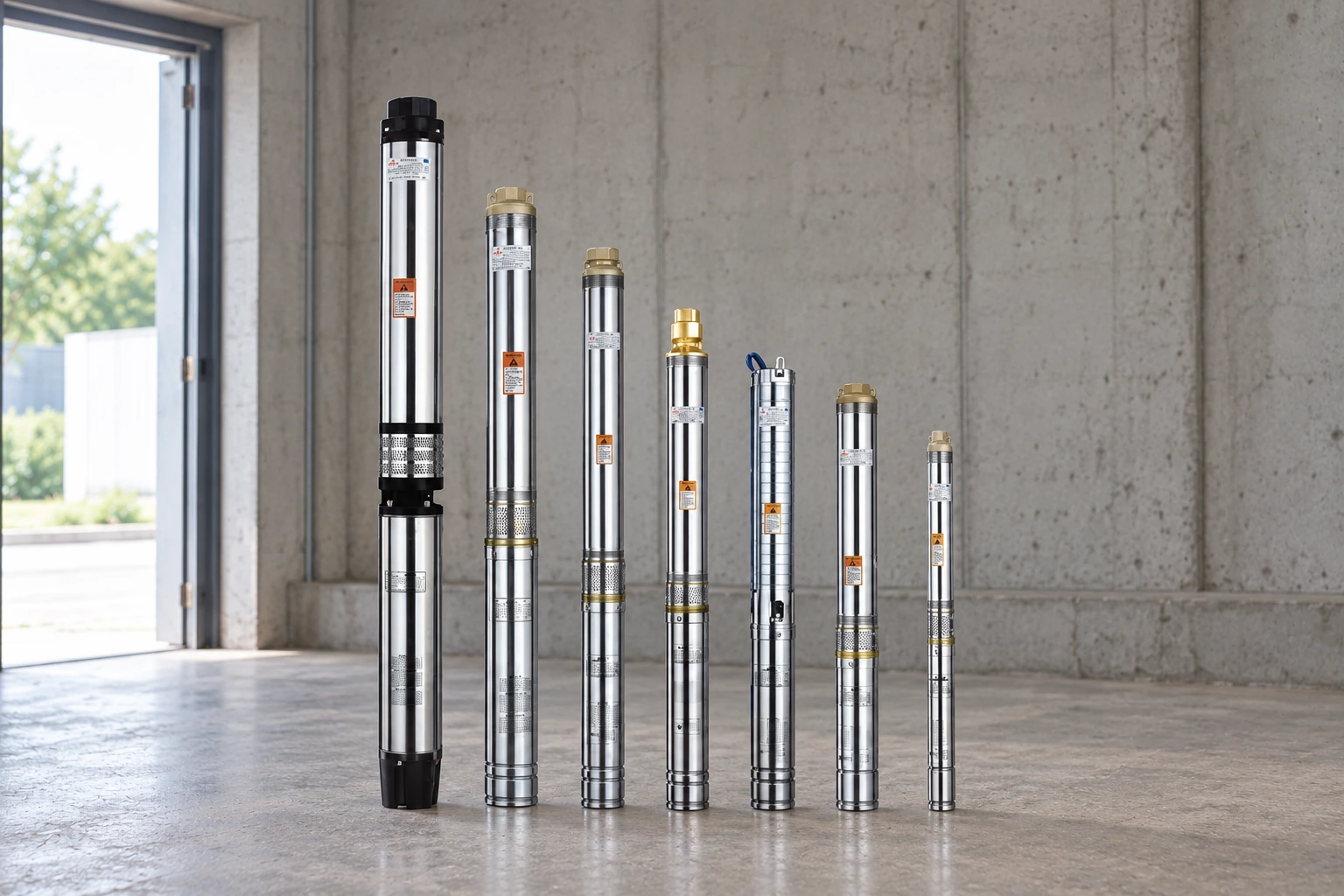
Rapid cycling repeatedly starts the motor and can result from a waterlogged or undersized pressure tank, narrow control differential, leaks, or mismatched flow. Low water level can reduce submergence and cooling or cause dry running. Sand and grit erode hydraulics, while corrosion or scale can attack wetted parts. Low or unbalanced voltage, loose connections, overload, damaged cable, lightning, and poor protection stress the motor. An operating point far from the intended curve can increase vibration, recirculation, power demand, or inadequate flow past the motor. Fixing these system causes often matters more than choosing a nominally longer-life pump.
Track evidence instead of age alone
Keep annual or condition-based records of static and pumping water levels, stabilized flow, pressure, drawdown, recovery, voltage, running current, starts, runtime, pressure-tank precharge under the approved procedure, control settings, water quality, and unusual noise. Compare readings at similar conditions. A gradual loss of flow with rising current suggests a different path from reduced flow caused by a declining water level or leaking rising main. An unexplained increase in starts can precede pump damage even when water delivery still feels normal. Trend changes are more actionable than a single inspection.
Таблица решений
| Доказательство | What it may indicate | Decision use |
|---|---|---|
| Rising starts per day | Tank, leak, valve or control issue | Correct cycling before it damages the motor |
| Lower flow at comparable head | Wear, blockage, level or pipe leak | Test hydraulics and well level |
| Higher current or trips | Electrical or mechanical overload | Protect and diagnose promptly |
| Stable measured performance | Age alone is not failure | Продолжать документированный мониторинг |
Recognize warning signs
Warnings include air or sediment at fixtures, pressure that fluctuates, longer recovery, pump operation that becomes continuous, unusually frequent starts, breaker or overload trips, higher current, changed sound or vibration, loss of prime in a jet system, and reduced flow at the same pressure. None proves the pump itself is bad. A failed pressure tank, switch, check valve, underground leak, blocked screen, falling aquifer level, or electrical supply problem can create similar symptoms. Protect the equipment, record the conditions, and test the system before ordering a replacement.
Plan replacement before an emergency
Record the installed model, pump setting, cable, pipe, wellhead dimensions, controls, lifting route, and available service providers before failure. Decide what water storage or backup is needed while the well is out of service. When replacement becomes likely, repeat the well and system duty review instead of automatically buying the same horsepower. Demand, water level, pipework, pressure setting, and energy priorities may have changed. Preserve sanitation, cap integrity, and disposal procedures. A planned pull and inspection can also reveal pipe, cable, check-valve, and well issues that should be corrected together.
Decide between monitoring, repair, and replacement
Continue monitored service when performance is stable and tests remain within the approved limits. Repair controls, tank, wiring, accessible seals, valves, or piping when evidence identifies those items and the remaining equipment is sound. Consider pump or motor replacement when hydraulic performance, insulation, winding, bearings, corrosion, or repeated failures show that dependable service cannot be restored economically. Compare full installed cost, outage risk, efficiency at the real duty, parts support, and expected service access. Have a qualified well professional confirm the diagnosis and sanitary procedure.
Выбор системы, подтверждающие материалы и закупочная документация
Выбор скважинного насоса следует начинать с паспорта скважины, а не с заводской таблички (шильдика) вышедшего из строя агрегата. В паспорт заносятся следующие данные: глубина бурения, диаметр обсадной колонны, статический уровень воды, динамический уровень воды при заданном испытательном расходе, скорость восстановления уровня, качество воды, глубина погружения насоса, диаметр водоподъемной колонны, настройки реле давления, объем гидроаккумулятора, напряжение питания и текущая схема управления. Динамический уровень воды (а не дно скважины) является отправной точкой для расчета высоты подъема. Для определения общего напорного напора (TDH) добавьте давление на нагнетании и потери в трубопроводе, а затем сопоставьте ожидаемый рабочий диапазон с актуальной сертифицированной напорной характеристикой. Допустимый дебит скважины может быть ниже кратковременного водопотребления здания. В связи с этим наличие накопительной емкости и системы управления может оказаться более важным, чем выбор более мощного насоса.
Рассматривайте электрические и гидравлические данные как единую запись. Давление, расход, уровень воды, напряжение, рабочий ток, пусковые характеристики, состояние изоляции, время работы, количество пусков и события контроллера помогают отличить неисправность насоса от осушения или истощения скважины, утечки в трубопроводе, выхода из строя обратного клапана, перенасыщения гидроаккумулятора водой, засорения линии, низкого напряжения или неверной настройки управления. Измерения должны выполняться с помощью подходящих приборов лицами, имеющими квалификацию для выполнения таких работ. Никогда не открывайте находящееся под напряжением оборудование, не извлекайте погружной насос и не входите в помещение скважины без надлежащего отключения, плана подъема, мер санитарного контроля и соблюдения процедур на объекте.
Для закупок попросите каждого поставщика рассчитать стоимость единого объема поставки: насос и электродвигатель, кабель, муфта, водоподъемная колонна, обратные клапаны, устьевое оборудование, гидроаккумулятор, датчики, контроллер, защита, монтаж, подъемно-транспортные работы, испытания, документация, пусконаладочные работы и утилизация демонтированного оборудования. Сравнивайте полный объем поставки с учетом монтажа, а не только цену насоса. Требуйте предоставления габаритных чертежей, материалов, характеристики, потребляемой мощности, данных электродвигателя, минимальной глубины погружения, требований к охлаждению, допустимого количества пусков, элементов управления, инструкций по монтажу, протоколов испытаний, ЗИП и условий гарантии. При пусконаладке зафиксируйте базовые показатели, чтобы в дальнейшем можно было отличить естественный износ от изменений в скважине или системе.
Как эта тема связана с оборудованием BORRAPUMP
Это руководство способствует раннему рассмотрению how long does a well pump last приложений. Она не назначает окончательную модель. Отправьте данные о жидкости, диапазоне расхода, общем напоре, уровнях источника и назначения, содержании твердых частиц, рабочем цикле, мощности, средствах управления, условиях на объекте, количестве, пункте назначения и требуемых согласованиях, чтобы оборудование можно было проверить на соответствие реальным условиям эксплуатации.
Связанные технические руководства BORRAPUMP
Авторитетные источники и дальнейшее изучение
Частные колодцы с питьевой водой Агентства по охране окружающей среды США; USGS groundwater levels; Насосные системы Министерства энергетики США. Эти источники содержат общие инженерные, водные, экологические или защитные сведения; действующие местные правила, утвержденные проекты и инструкции к оборудованию остаются приоритетными.
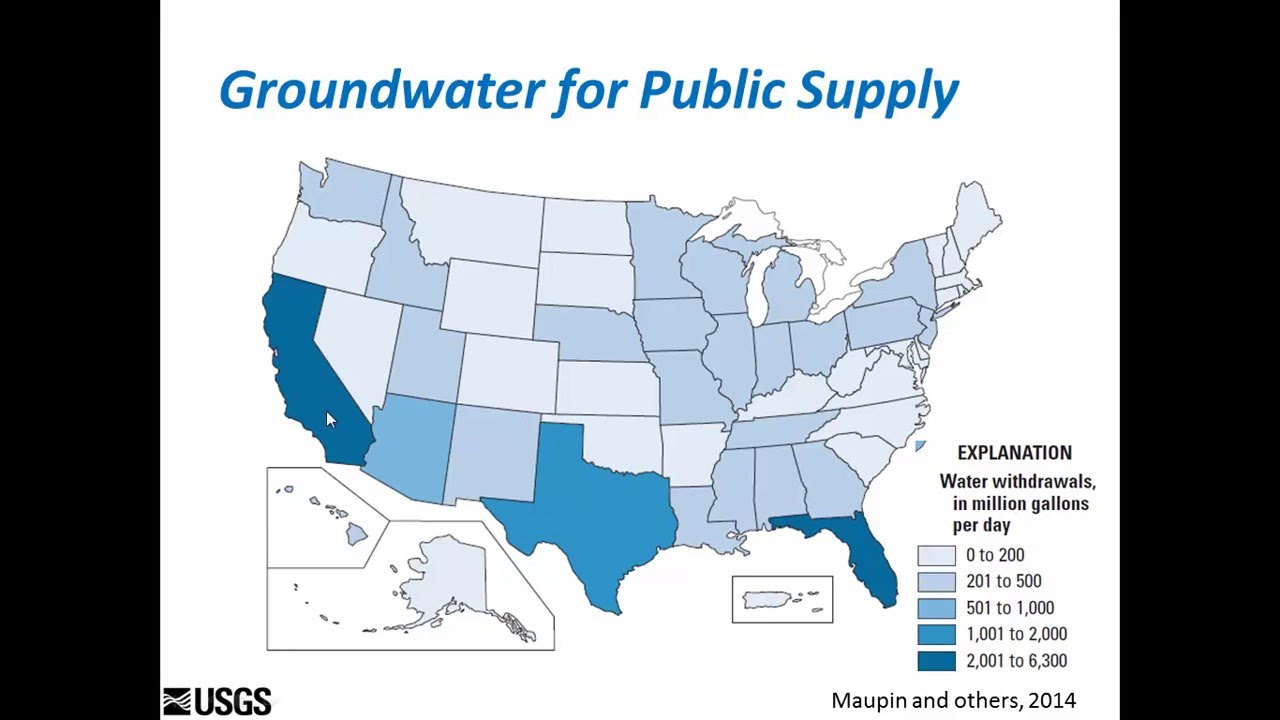
Обучающее видео Музея Министерства внутренних дел США: Подземные воды: Раскрытие тайны невидимого ресурса.
Часто задаваемые вопросы
How many years should a well pump last?
There is no dependable universal number. Type, duty, cycling, cooling, water, power, installation, and maintenance determine actual life.
Should I replace an old pump that still works?
Use measured condition, reliability needs, service access, and failure risk rather than calendar age alone.
Can a pressure tank shorten pump life?
Yes. A waterlogged, undersized, or incorrectly maintained tank can cause rapid cycling and repeated motor starts.
What records help predict failure?
Flow, pressure, water levels, current, runtime, starts, control events, and water condition are especially useful.
Последняя контрольная точка
Перед изменением оборудования или параметров согласуйте фактический режим работы и условия на объекте с утвержденной характеристикой, чертежами, материалами, электропитанием, средствами управления, защитой, монтажом, испытаниями и доступом для технического обслуживания. Зафиксируйте оставшиеся допущения и назначьте ответственных за их закрытие. Сохраните конечные показания и документы в качестве исходных данных для будущих проверок.
Полезная передача дел также указывает, что не было протестировано, какие предположения по-прежнему зависят от подтверждения на объекте и когда назначена следующая проверка. Определите лицо, ответственное за учет уровня воды, давления, расхода, электрических параметров, сигналов тревоги и технического обслуживания. Храните фотографии и сведения об инструментах вместе с результатами. Если последующее снятие показаний выполняется при другом положении клапана, уровне источника, скорости, настройке давления или водоразборе, отметьте это различие перед сравнением тенденций. Эта простая дисциплина предотвращает ошибку, при которой нормальное изменение режима работы принимается за повреждение, и не позволяет списать реальное ухудшение состояния на обычные колебания. Если на карту поставлены безопасность, санитария, водоснабжение или ущерб имуществу, определите временную защиту и порядок эскалации до возвращения системы в режим работы без присмотра.
Используйте первую проверенную рабочую запись в качестве базовой линии, а затем сравнивайте будущие проверки в максимально близких практических условиях. Фиксируйте погоду, уровень жидкости, нагрузку, положение клапанов, скорость, состояние фильтра и наличие любых временных шлангов или байпасов. Убедитесь, что манометры и измерительные приборы имеют подходящий диапазон и что показания снимаются в одних и тех же точках. Изменение одного показателя должно вызывать необходимость анализа связанных данных, а не немедленную замену деталей. Если насос, электродвигатель, система управления, резервуар, клапан, трубопровод или источник заменяются, обновите чертеж и учетную карту выбора оборудования. Это позволяет принимать решения по техническому обслуживанию на основе реальной системы и дает поставщикам достаточно контекста для оценки гарантийного случая, замены или регулировки режима работы без необходимости начинать расследование с нуля.