
Diesel generator fuel consumption for pumping applications should be estimated from the exact generator’s fuel-use data at the actual electrical load, then checked against measured water delivery. Pump motor nameplate power alone does not establish litres per hour. The pump duty, motor and drive losses, other connected loads, operating hours and generator condition all affect the result. Build a load-and-time schedule, use documented fuel rates for each operating state, and compare litres per cubic metre at the required delivery pressure. Treat generic fuel calculators as preliminary estimates rather than BorraPumps performance data.
Identify whether diesel drives the pump directly or generates electricity
A diesel engine mechanically coupled to a pump and a diesel generator feeding an electric pump are different systems. In the generator arrangement, fuel energy passes through the engine, alternator, electrical equipment, motor and pump before useful water delivery. A fuel chart for a direct-drive pumpset should not be copied into an electric generator calculation without accounting for the different equipment and measurement boundary.
Write the boundary at the top of the worksheet: generator plus the listed electrical loads, or complete pumping station delivering water to a specified point. For procurement, obtain the generator model, rating category, voltage, frequency, ambient-rating conditions and published fuel rates. Confirm whether those rates describe electrical output at the terminals and which accessories are included. Keep litres, gallons and mass-based figures clearly separated.
The BorraPumps generator product reference provides a starting point for an inquiry. Its photographs do not establish fuel consumption, available phase, tank capacity or compatibility with a particular motor. Request the exact offered model’s documents before using a consumption figure in a quotation, water-delivery promise or emergency-runtime calculation.
Find the real electrical demand at the pumping duty
Start with the required flow and total head and identify where the chosen pump operates on its verified curve. A motor’s rated shaft output is a capacity label, not a measurement of the electrical demand at every operating point. The actual pumping duty and efficiencies determine the running input. Include the motor and any drive losses within the calculation boundary being used.
For a generator supplying several items, add the actual auxiliary demand: controls, lighting, treatment equipment or another pump may continue operating while the main pump cycles. Record loads that are continuous separately from occasional loads. A chart described as “50 percent load” is only useful when you know which generator rating and electrical output the percentage represents.
The US Department of Energy’s pump systems resources support reviewing the pumping system as a whole. Our water-transfer pump duty guide explains the hydraulic inputs. Avoid assuming that reducing motor nameplate size will reduce fuel use if the installation still needs the same water duty and starts unreliably.

Build a load-and-time fuel worksheet
Divide the operating day into meaningful states: preparation, pumping each permitted zone or duty, waiting with the engine running, and shutdown. For each running state, record the electrical load and the associated hourly fuel rate from the selected generator’s data. Multiply fuel rate by hours, then add the state totals. Keep planned shutdown periods distinct from engine-running idle periods.
When a required load lies between published data points, ask the supplier how to estimate consumption and what uncertainty applies. A simple interpolation may be useful for an initial budget, but it should not silently become a guaranteed rate. Do not extrapolate below the lowest documented point or beyond the rated operating range without supplier approval.
Consider a hypothetical planning example with six pumping hours at 7 L/h and one waiting hour at 2 L/h. The estimated total is 44 litres: 6 × 7 plus 1 × 2. If the station delivers 600 m³ during that same period, the estimate is about 0.073 L/m³. These values are invented to demonstrate the worksheet; they are not product ratings or test results.
| Operating state | Ne kaydedilmeli | How to use the record |
|---|---|---|
| Steady pumping | Generator terminal kW, delivered flow, pressure and duration | Match the actual load to the model’s fuel data and calculate water-normalized use |
| Another pump or zone operating | Permitted load combination and separate delivery duty | Calculate this state separately instead of assuming unchanged consumption |
| Engine running while waiting | Waiting duration and documented low-load fuel rate | Include fuel used without useful water delivery |
| Generator stopped | Shutdown duration and safe restart plan | Exclude running fuel but assess availability and restart requirements separately |
| Refuelling or maintenance | Downtime, usable stock and approved procedure | Check that delivery and emergency availability remain achievable |
This qualitative table specifies the evidence needed. It does not prescribe a universal most-efficient load percentage or a minimum operating load for every diesel generator. Follow the selected engine and generator instructions for their permitted load, operating duration and maintenance requirements.
Use litres per cubic metre for comparable pumping duties
Hourly fuel consumption is useful for stocking fuel, but it can mislead when comparing two installations delivering different amounts of water. Divide fuel used by the volume delivered during the same measured period. Report the delivery pressure or head alongside that ratio. A lower fuel figure achieved by delivering less water or insufficient pressure is not an equivalent-duty improvement.
Keep the measurement point consistent. Water counted at a pump discharge can differ from useful water received at a field or storage tank because of leaks, bypasses or operational losses. Choose the point that matches the business decision and state it explicitly. For irrigation, also record which zones operated and whether filter cleaning or flushing was included.
When comparing with electric utility supply or solar pumping, use the same seasonal demand and delivery boundary. The direct-drive diesel trash-pump runtime guide addresses a different drive arrangement. Keep its purpose separate: it can help organize field fuel records, but its engine and pump figures do not replace the selected generator’s consumption data.
Investigate changes in fuel use with matched records
If fuel per cubic metre rises, first ask whether the required duty changed. A falling water level, higher delivery pressure, blocked filter or different operating combination can increase the load. Compare the measured flow, head and terminal power before attributing the increase to engine wear. A fuel log without a duty record cannot distinguish these causes reliably.
Next inspect the system through the approved maintenance process. Penn State Extension’s diesel-engine maintenance discussion explains how restricted air supply and fuel-system condition can affect performance. Its general maintenance principles do not provide settings for the particular generator. Use the engine manufacturer’s specified filters, intervals and inspection procedures.
Do not adjust fuel injection, bypass protective devices or add unapproved additives to chase a lower spreadsheet number. Preserve evidence of the operating change and refer engine faults to qualified service personnel. Evaluate the resulting water duty after any approved repair; a successful engine repair and an efficient pumping system are related but separate acceptance questions.
Turn a fuel estimate into an honest runtime plan
Calculate planning runtime from usable fuel and the relevant consumption schedule, not simply the tank’s nominal capacity divided by one optimistic rate. Confirm the unusable portion, operating reserve, replenishment arrangements and any transfer equipment requirements with the supplier and site operator. A reserve is a site decision tied to risk and response time; this article does not set a universal percentage.
For variable duty, calculate the fuel needed for the intended sequence and compare that requirement with usable stock. Include waiting, exercising and other engine-running periods. State whether refuelling interrupts operation and how that interruption affects water delivery. Fuel planning must also respect ventilation, fire safety, environmental controls and the approved refuelling procedure; do not infer installation suitability from an open-frame product photograph.
Starting performance remains a separate equipment-selection check. Consult the generator sizing input guide before accepting a unit that appears economical at steady load. A consumption calculation does not prove that the source can accelerate the motor or maintain supply to sensitive controls during a start.
Verify the estimate during commissioning
Agree an observation period representing the intended duty. Record starting and ending fuel inventory using an approved method, elapsed engine-running time, generator electrical output, water volume, pressure and relevant operating conditions. Account for fuel added during the period. Avoid improvised fuel-system modifications or unsafe live measurements to improve the apparent precision of the test.
Compare the observed result with the estimate and explain differences before revising the operating budget. Save the source chart, calculation assumptions and measurement method with the result. If two vendors provide figures at different loads or conditions, request comparable data rather than ranking them directly. Separate a measured site result from a supplier estimate in the procurement record.
A useful inquiry includes the required flow and head, motor and starter documents, load schedule, daily and seasonal operating hours, site conditions and intended fuel-storage arrangements. Ask the supplier to state the consumption basis and its limits. This gives the buyer a reviewable fuel budget while avoiding unsupported promises about a specific model’s hourly consumption.
Learning resource
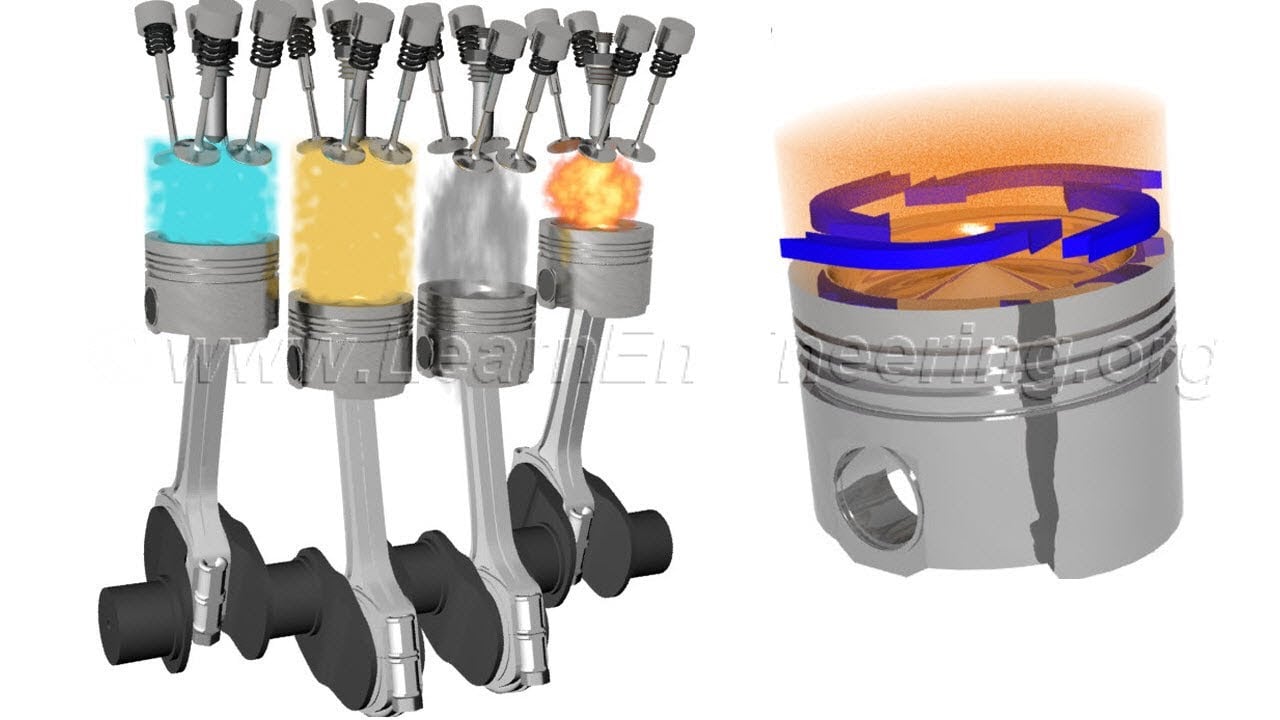
Sabin Civil Engineering’s Diesel Engine, How it works? animation explains the conversion of fuel energy into mechanical work. It is general engine background, not a generator fuel chart, site efficiency test or pump installation procedure.
Sık sorulan sorular
Can pump motor kW alone tell me generator fuel consumption?
No. You need actual electrical load, generator model data, operating duration and any other connected demand. Motor nameplate output alone is insufficient.
Can I use a direct-drive diesel pump’s fuel chart for a generator?
No. The drive arrangements and losses differ. Use data for the exact generator and measure delivery across a clearly stated system boundary.
Why compare litres per cubic metre rather than only litres per hour?
Litres per cubic metre relates fuel to water delivered. Report the required pressure or head too, so a lower figure does not hide reduced service.
Does a generic optimal-load percentage apply to every generator?
No. Follow the selected model’s fuel data and permitted operating requirements. Do not turn a general rule of thumb into a guaranteed operating point.
What should I retain from a field fuel-use check?
Retain the fuel balance, time, electrical output, water volume, pressure, operating conditions and measurement method, together with the estimate being compared.