
A generator voltage drop when a pump starts can come from the motor’s starting demand, the generator’s transient response, losses in the feeder, or a fault that delays acceleration. Diagnose it by recording voltage, frequency, current and time at defined measurement points during the same starting event. Do not assume that low voltage automatically means a defective voltage regulator or that a larger generator alone will solve the problem. Compare the event with the actual motor, controls and generator limits before choosing a repair or changing settings.
Separate the starting dip from the steady running condition
A brief change when a motor is connected is different from voltage remaining low after the pump reaches speed. Record when the event begins, its minimum voltage, how long it lasts and the recovery pattern. Also record whether the motor accelerates normally, hesitates, trips or repeatedly attempts to restart. These observations help define the question before anyone starts changing equipment.
Write down the generator and motor models, rated voltage and frequency, starting method, operating loads and cable route. Record whether the symptom occurs on every start or only with another load connected. Distinguish an installation that never operated correctly from one whose performance changed after a repair, cable extension, load addition or period of storage.
For well installations, document the operating duty using the deep-well head calculation guide alongside the electrical record. The acceptable disturbance is a project requirement tied to the actual equipment. Motor acceleration, contactor retention, electronic control operation and other connected loads can impose different limits. A single generic voltage-dip percentage does not establish acceptance for all of them. Ask the responsible designer and equipment suppliers to define the limits and how they will be measured.
Understand the motor’s demand without diagnosing from a multiplier
An induction motor normally draws a temporary starting demand while accelerating. The generator must respond to that load step as well as carry the steady loads already connected. Obtain the motor’s starting data and the generator’s relevant transient-performance assessment. Neither the motor’s running kW nor the generator’s continuous kW label describes the complete starting event.
Natural Resources Canada’s electric motor reference guide explains the relationship between motor characteristics, supply and starting controls. Apply those general principles to the exact motor’s approved data. Avoid replacing missing locked-rotor or acceleration information with a universal current multiplier and then treating the result as verified.
The generator selection input guide covers the broader procurement decision. This troubleshooting article addresses an observed event: its purpose is to locate the limitation before specifying a correction. A generator that is suitable for another pump or for a smaller connected-load sequence is not automatically suitable for the installation being investigated.

Measure at the source and motor using an approved test plan
A source measurement and a motor-terminal measurement answer different questions. If the generator output remains satisfactory but the motor receives inadequate voltage, investigate the path between them. If both points experience the disturbance, investigate the source response and the applied load while still allowing for additional feeder loss. Use synchronized measurements or a controlled repeatable test sequence so unrelated starts are not compared as though they were identical.
Electrical measurements must be planned and performed by qualified personnel using suitable instruments and the site’s safe working method. The HSE safe working practices guide addresses control of electrical hazards. This article does not instruct readers to open live enclosures, connect improvised probes or bypass protection. Record the measurement location and method with every result.
Capture voltage and current on the relevant phases, frequency at the generator and acceleration time. Note the recorder’s ability to capture a short event; a handheld display observed after startup may miss the minimum. Keep original traces where available. The timing of a frequency change, voltage dip and current persistence is more informative than three isolated maximum or minimum values.
| Observed pattern | What to investigate | Talep edilecek kanıt |
|---|---|---|
| Low voltage at motor while source voltage remains satisfactory | Feeder length, connections, cable suitability and voltage loss under starting current | Source and motor records plus verified cable and connection information |
| Source voltage dips with frequency change | Engine load response, applied load step and operating condition | Generator event trace, load sequence and supplier service assessment |
| Source voltage dips without a comparable frequency change | Alternator, excitation response and reactive starting demand | Generator-specific starting assessment and qualified diagnostic record |
| High current persists and pump fails to accelerate | Available motor torque, starting settings, mechanical condition and actual supply | Current-time record, motor limits and safe driven-equipment inspection |
| Controls drop out despite successful motor acceleration | Control supply and equipment disturbance tolerance | Control event log and approved retention or ride-through requirements |
The patterns organize an investigation; they do not identify a failed component by themselves. Several causes can coexist. Have the responsible specialist interpret the complete record against the actual equipment documents before authorizing a repair.
Check the feeder before blaming the generator
Record the complete cable route, conductor material and size, joints, connectors and installation arrangement. A temporary extension or changed connection can introduce a problem even when the generator itself is unchanged. Inspect and test connections under the approved isolation procedure. Do not assume that an undamaged outer sheath establishes a satisfactory electrical connection.
For submerged motors, include the installed drop cable and its approved connections in the review. Our submersible pump cable guide identifies the required selection inputs. Confirm the selected motor’s voltage limits and cable guidance instead of borrowing a distance limit from another motor’s chart.
Keep running-voltage checks separate from starting checks. A feeder that meets the agreed running condition may still need review during acceleration. Correcting a feeder problem also does not establish that the generator can support every proposed load combination. Repeat the relevant starting test after an approved correction and compare the same measurement locations.
Review the engine, alternator and connected-load sequence
Have generator service personnel review documented maintenance condition, fuel supply, ventilation, rating conditions and recorded faults. A generator operating outside its approved site conditions should not be judged against a rating assumed to apply everywhere. Compare the observed frequency and voltage response with the manufacturer’s assessment rather than adjusting the governor or regulator experimentally.
Review which loads start together and which are already running. A changed sequence can create a larger step without any increase in the individual pump’s nameplate power. Record permitted operating combinations and any automatic restart behavior after an interruption. A successful single-pump test does not approve simultaneous starting of several motors.
Where sequencing is an appropriate remedy, obtain the designer’s approval and verify that it meets the water-delivery and emergency requirements. Do not delay a required emergency function merely to improve a voltage trace. If the approved sequence still cannot meet the defined limits, ask for a revised source and starting assessment using the measured evidence.

Evaluate starter changes with torque and protection limits
A reduced-voltage starter can change the starting demand, but it also changes the torque available from a conventional induction motor. The pump must still accelerate within the permitted time. An aggressive current limit can produce a long unsuccessful start, making the supply disturbance and motor heating worse rather than solving them.
Review the actual motor’s approved starting methods, pump starting condition and protective coordination. A star-delta arrangement needs compatible winding ratings and connections; a soft starter needs the correct duty and settings. A variable-frequency drive requires an additional motor, cable and supply compatibility assessment. Treat these as engineered options, not interchangeable accessories.
Do not repeatedly restart a stalled or tripping motor to see whether it eventually runs. Follow the permitted start and cooling limits, preserve the event record and investigate the supported cause. Keep protective functions active. A successful start achieved by defeating protection does not meet commissioning requirements.
Define the correction and prove it under the intended duty
Write a correction proposal that identifies the evidence, change, expected effect and acceptance test. It may concern a connection repair, cable revision, approved sequence, starter adjustment, generator service or a revised equipment selection. Keep the proposal specific enough that the post-change test can confirm whether the identified problem was addressed.
Test the approved worst-case load combination and record source voltage, motor voltage, frequency, current, acceleration time and control behavior. Compare the results with the agreed limits. Retain the settings and test conditions so a later operator can reproduce the accepted sequence rather than unknowingly changing it.
The BorraPumps generator reference can support a replacement inquiry, but no photograph proves compatibility or transient performance. Provide the exact motor and event records to the supplier. Keep the purchase conditional on documented compatibility and an agreed acceptance process, rather than simply ordering a larger nameplate rating.
Learning resource
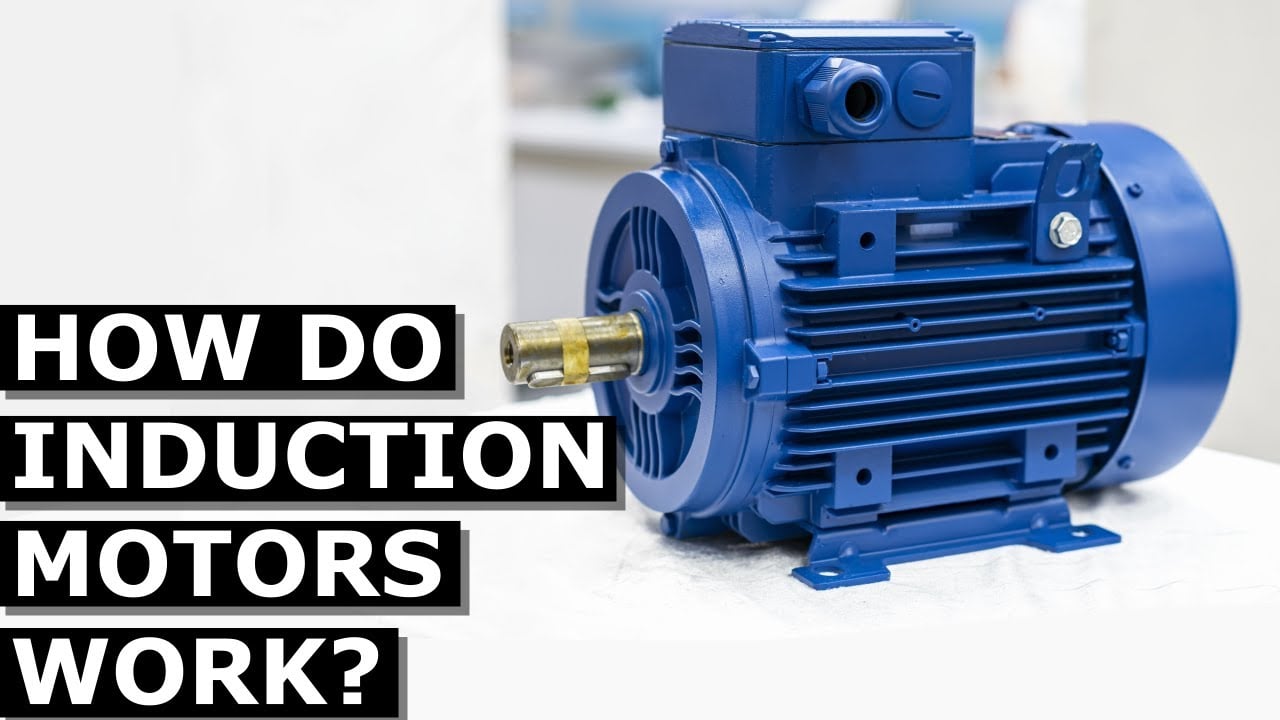
The Engineering Mindset’s Induction Motor Basics video explains the rotating magnetic field and motor operation underlying the starting event. It is background education, not a generator fault diagnosis or a safe live-measurement procedure.
Sık sorulan sorular
Does voltage dropping during a pump start prove the regulator is faulty?
No. Starting demand, source response, feeder loss and delayed acceleration can produce low voltage. Diagnose the complete event before assigning a failed component.
Why measure voltage at both the generator and motor?
The comparison helps distinguish a source disturbance from additional loss along the feeder. Use synchronized or carefully controlled measurements of the same operating condition.
Will a bigger generator always solve the problem?
No. It may not correct an unsuitable feeder, connection fault, incorrect starter setting or abnormal mechanical load. Identify the limitation first.
Can a soft starter be installed without further checks?
No. Confirm motor compatibility, accelerating torque, starter duty, settings and protection. Reduced starting current alone is not proof of an acceptable start.
What confirms that the correction worked?
An approved test under the intended load sequence must show acceptable motor acceleration, voltage and frequency behavior, control operation and protection, with records retained.