
To check whether a sump pump is working, inspect the basin and discharge from a safe position, confirm the power and alarm indicators, then raise the water level with clean water until the float or sensor starts the pump. Verify that the level drops, the pump stops at the intended point, the check valve closes, and water reaches the approved outlet without leaking or returning. Test the backup and high-level alarm separately. Never put a hand into a wet, energized, or contaminated basin.
Bu makale, pompa üreticisinin talimatlarının, onaylı bir sistem tasarımının, yürürlükteki elektrik ve tesisat kurallarının veya yetkili saha servisinin yerini almayan pratik bir arıza tespiti ve tedarik kılavuzudur. Ekipmanı açmadan önce enerji ve basınç izolasyonunu sağlayın. Kuyu çalışmaları, kaldırma, kapalı alanlar, atık su, ıslak elektrikli ortamlar ve enerjili testler yetkili personel ve göreve özel kontroller gerektirir.
Inspect before adding water
Look for a damaged cord or plug, tripped device, standing water near electrical connections, severe corrosion, loose pipe, blocked float, debris, oil sheen, burnt odor, or an obviously frozen or disconnected outlet. Keep the cover and barriers appropriate to the installation. Confirm that the discharge path is not buried, crushed, blocked by vegetation, or directed back toward the foundation. If electrical damage, sewage, hazardous atmosphere, or inaccessible moving parts are present, stop and use qualified service rather than performing a homeowner-style test.
Perform a controlled water test
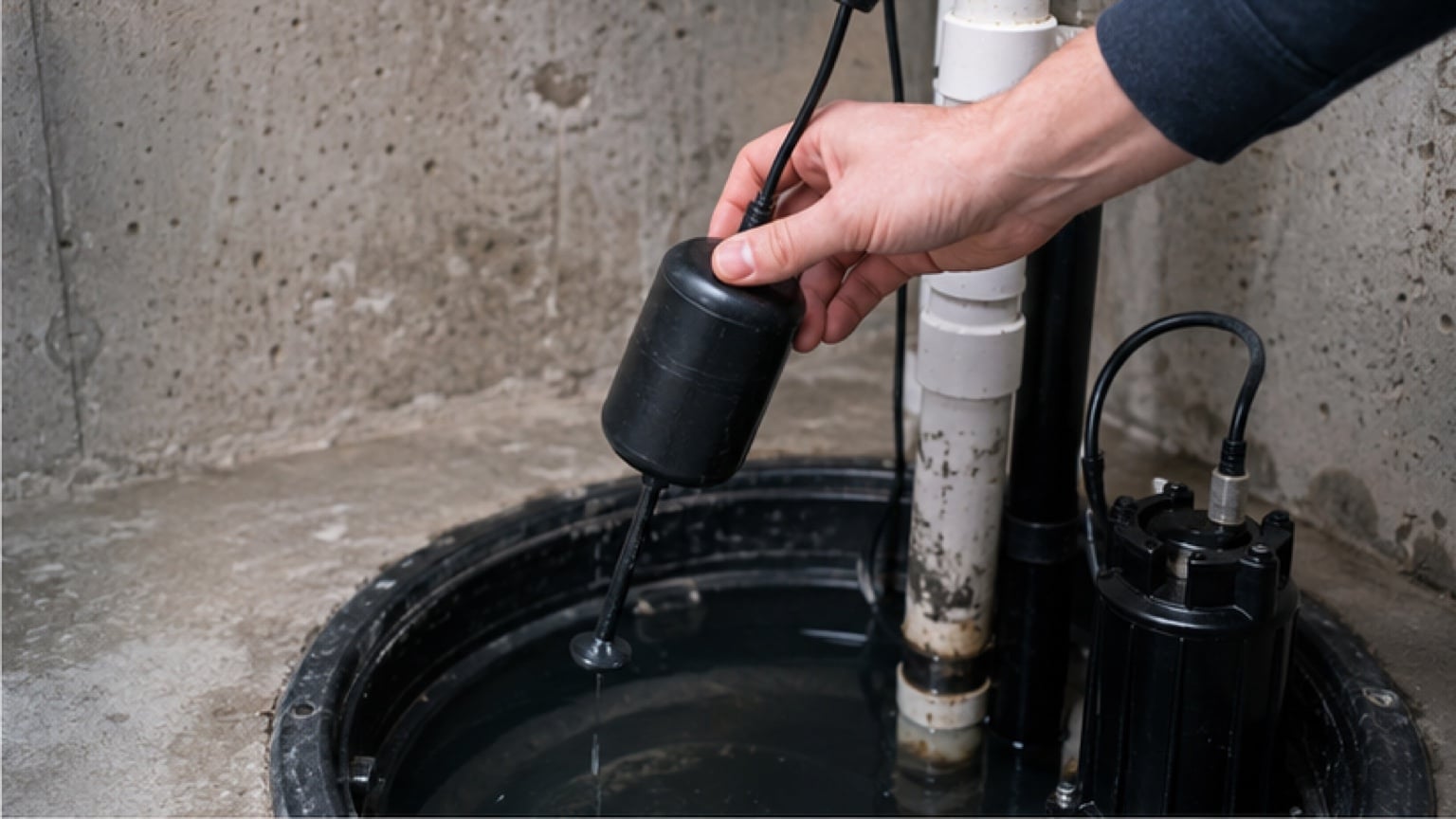
Pour clean water into the basin slowly, without splashing electrical equipment or forcing the float. Observe the exact start level. The pump should start smoothly, produce a steady discharge, lower the water, and stop at the intended off level. Do not continue filling if the level approaches an inlet, cover, or overflow. Time the drawdown between repeatable marks if practical. A dry manual switch test confirms only that the motor starts; it does not prove the basin, float, check valve, pipe, and outlet work together under water.
Watch the discharge and check valve
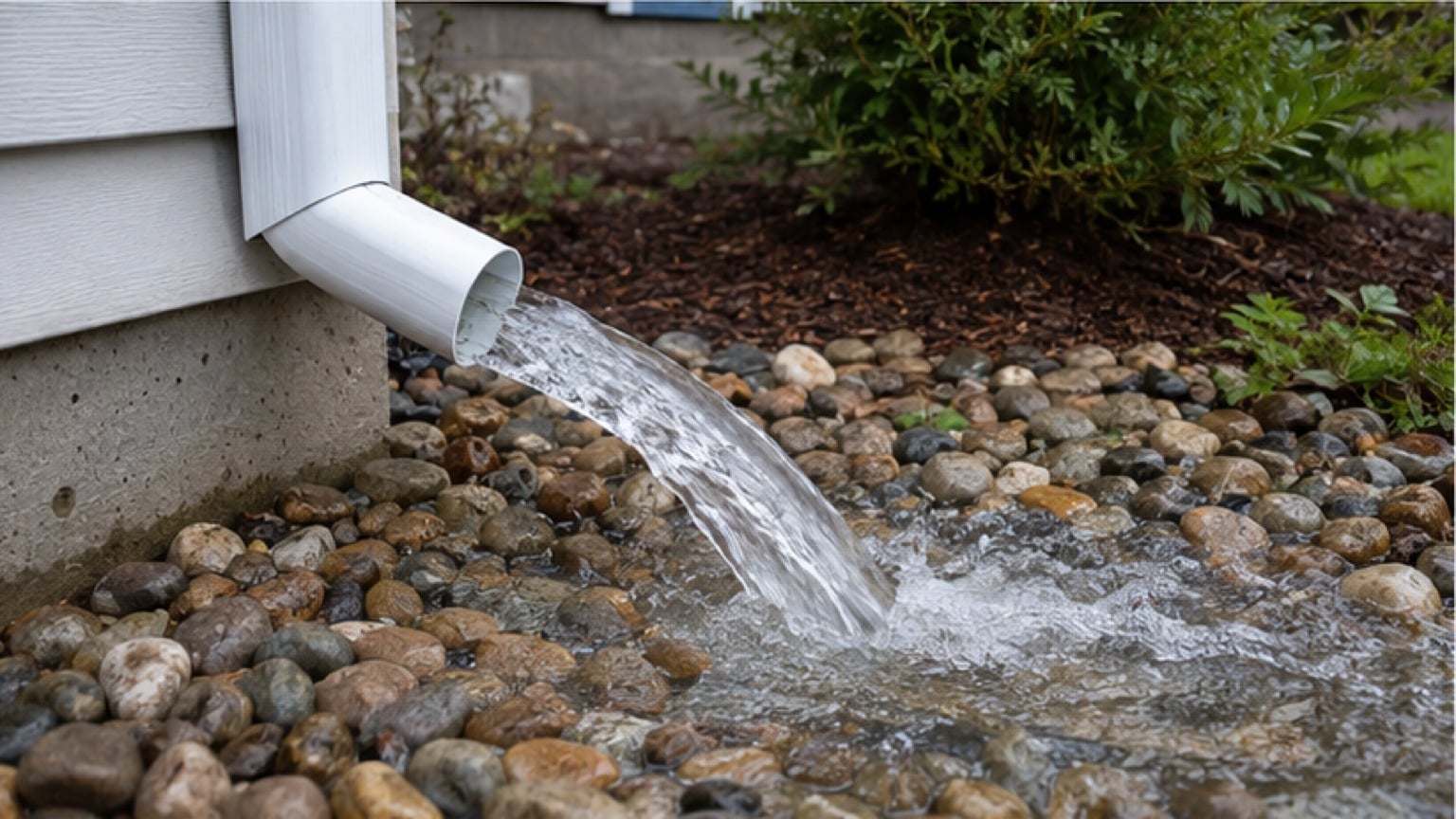
Confirm water actually exits at the approved destination. A running sound with little drawdown can indicate a blocked or frozen pipe, closed valve, damaged impeller, air lock, reversed check valve, pipe leak, excessive head, or recirculation. When the pump stops, listen for valve closure and watch whether the basin level rises rapidly from drain-back. Some return is normal depending on the pipe volume and layout, but immediate restarting points to a valve, level-spacing, or discharge-return problem.
Karar tablosu
| Test step | Pass evidence | Failure clue |
|---|---|---|
| Raise basin level | Pump starts at intended level | Stuck float, control or power issue |
| Observe drawdown | Level falls steadily | Blockage, air lock, wear or excessive head |
| Observe shutdown | Pump stops and level stays down | Check-valve or switch problem |
| Test alarm/backup | Independent response works | Battery, charger, alarm or second-pump issue |
Test alarm and backup independently
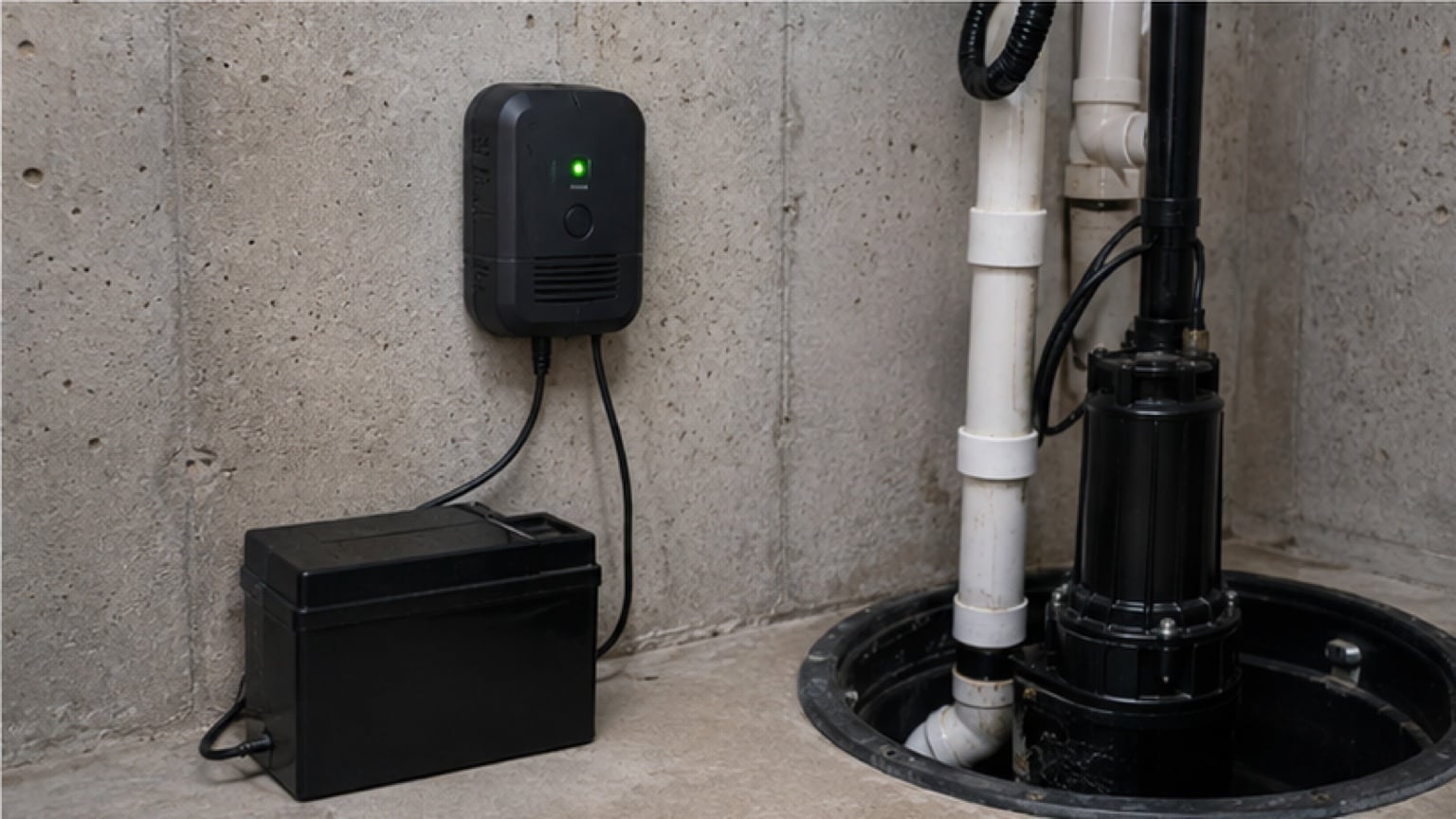
Raise the level only through the approved test method or use the controller's test function. Confirm that the high-level alarm is audible or transmitted and that its power source remains available when normal pump power fails, as designed. Test a backup pump, battery, charger, generator, transfer arrangement, and separate check valve under load. A green charger light does not prove battery capacity or pump flow. Restore every switch and valve to automatic service after the test and document the result.
Interpret abnormal sounds and cycling
Grinding, rattling, humming without flow, repeated starting, vibration, or a pump that never stops needs investigation. Debris can obstruct the inlet or impeller; the float can rub the wall or cable; a small basin or narrow switch range can short-cycle; high inflow can exceed capacity. Compare drawdown time and frequency with prior tests and weather. Disconnect and verify power before any accessible cleaning allowed by the manufacturer. Do not dismantle a pressurized discharge or reach into wastewater.
Record and schedule future checks
Log the date, water-test volume or level difference, start and stop levels, drawdown time, outlet condition, valve behavior, alarm, backup, sound, visible defects, and corrective action. Test before the wet season, after discharge work, and at the interval required by the manufacturer and site risk. Higher-consequence basements or facilities need more frequent and possibly monitored checks. Replace or repair based on condition and performance, then repeat the same test to prove the system is restored.
System selection, evidence, and procurement record
Bir sintine veya atık su pompası, bir toplama sisteminin parçası olarak çalışır. Giriş yolunu, hazne hacmini, pompama durdurma, pompama başlatma ve yüksek seviye kotlarını, tahliye borusunu, çek valfi, izolasyon vanasını, çıkış konumunu, elektrik beslemesini, alarmı, yedek düzenlemeyi ve güvenli söküm rotasını birlikte inceleyin. Pompa, gerçek sıvıya ve katı maddelere uygun olmalıdır; berrak su sintine pompası, kanalizasyon öğütücüsü (ejektörü) ve parçalayıcı (maceratör) pompa birbirinin yerine geçebilen etiketler değildir. Motorun soğutma için çevreleyen sıvıya bağımlı olup olmadığını ve kontrollerin, sık açılıp kapanmayı (hızlı çevrimleri) önlerken minimum batıklığı koruyup korumadığını teyit edin.
Saha koşulları yanıtı değiştirir. Yağış, yeraltı suyu, drenaj bağlantıları, bina doluluk oranı, mansap kısıtlamaları, donmuş veya tıkanmış çıkışlar, elektrik kesintileri ve yerel deşarj kuralları performansın belirlenmesinde önemli rol oynayabilir. Yararlı bir inceleme; çalışma süresini, devreye girme sayısını, su çekilme süresini, tahmini akışı, deşarj davranışını, vananın kapanmasını, seviye kontrol hareketini, alarm fonksiyonunu, gürültüyü, titreşimi, sızıntıyı, korozyonu, kablo durumunu ve kalıntıları kaydeder. Saha tarafından talep edilen yetkili kişilere ve prosedürlere sahip olmadan ıslak bir haznede, kapalı alanda veya enerjili bir panoda çalışmayın.
Değişim veya yeni kurulum için tedarikçilere sıvı tanımı, beklenen en büyük katılar, normal ve acil durum giriş debisi, toplam dinamik basma yüksekliği, havuz çizimi, seviye ayarları, boru güzergahı, voltaj ve faz, çalışma çevrimi, alarm ve yedekleme gereksinimleri, kurulum ortamı, erişim sınırları, varış yeri ve gerekli onaylar gönderilmelidir. Pompa, kılavuz veya kaldırma tertibatı, basma bağlantıları, vanalar, kontroller, sensörler, kablo, koruma, test belgeleri, yedek parçalar ve devreye alma desteğini içeren eksiksiz bir kapsam talep edin. Onaylanmış eğriyi ve ilk çalıştırma okumalarını bakım kayıtlarıyla birlikte saklayın. Çalışan bir pompa; seviye kontrolleri, alarm, yedek pompa tepkisi, çekvalf, basma güzergahı ve güvenli söküm işlemleri de gösterilene kadar tam olarak kabul edilmiş sayılmaz.
How this topic connects to BORRAPUMP equipment
This guide supports early review of how to check if a sump pump is working applications. It does not assign a final model. Send the liquid, flow range, total head, source and destination levels, solids, duty cycle, power, controls, site conditions, quantity, destination, and required approvals so equipment can be checked against the real service.
Related BORRAPUMP engineering guides
Authoritative sources and further learning
FEMA taşkın haritaları ve risk; OSHA elektrik güvenliği; OSHA tehlikeli enerji kontrolü. These sources provide general engineering, water, environmental, or safety context; current local rules, approved designs, and equipment instructions remain controlling.
Educational video by Practical Engineering: Pompalar Basınç mı Yoksa Akış mı Oluşturur?.
Sık sorulan sorular
Can I test a sump pump by lifting the float?
A manufacturer-approved manual test helps, but adding water verifies more of the basin, switch, pump, check valve, and discharge system.
How much water should I add?
Add slowly only to the normal start level, staying below unsafe or overflow conditions.
Why does it run but not remove water?
Check for a blocked or frozen outlet, valve problem, air lock, pipe leak, excessive head, or pump damage.
How do I test a battery backup?
Use the approved loaded test and verify charger, battery condition, pump flow, controls, valve, and alarm.
Final checkpoint
Before changing equipment or settings, reconcile the actual duty and site conditions with the approved curve, drawings, materials, power, controls, protection, installation, testing, and maintenance access. Record remaining assumptions and assign responsibility for closing them. Preserve the final readings and documents as the baseline for future inspection.
A useful handover also states what was not tested, which assumptions still depend on site confirmation, and when the next inspection is due. Identify the person responsible for water-level, pressure, flow, electrical, alarm, and maintenance records. Keep photographs and instrument details with the results. If a later reading is taken at a different valve position, source level, speed, pressure setting, or demand, label that difference before comparing trends. This simple discipline prevents a normal operating change from being mistaken for damage and prevents real deterioration from being dismissed as normal variation. When safety, sanitation, water supply, or property damage is at stake, define the temporary protection and escalation route before returning the system to unattended service.
Use the first verified operating record as a baseline, then compare future checks under the closest practical conditions. Note weather, liquid level, demand, valve positions, speed, filter condition, and any temporary hose or bypass. Confirm that gauges and meters have an appropriate range and that readings are taken from the same locations. A change in one number should trigger a review of connected evidence rather than an immediate part replacement. If the pump, motor, control, tank, valve, pipe, or source is changed, update the drawing and selection record. This keeps maintenance decisions tied to the real system and gives suppliers enough context to evaluate a warranty question, replacement, or operating adjustment without starting the investigation from zero.