
To check whether a sump pump is working, inspect the basin and discharge from a safe position, confirm the power and alarm indicators, then raise the water level with clean water until the float or sensor starts the pump. Verify that the level drops, the pump stops at the intended point, the check valve closes, and water reaches the approved outlet without leaking or returning. Test the backup and high-level alarm separately. Never put a hand into a wet, energized, or contaminated basin.
هذه المقالة هي دليل عملي للتشخيص والمشتريات، وليست بديلاً عن تعليمات الشركة المصنعة للمضخة، أو تصميم النظام معتمد، أو القواعد الحالية للكهرباء والسباكة، أو خدمة الموقع المؤهلة. قم بعزل الطاقة والضغط قبل فتح أي معدات. يتطلب العمل في الآبار، والرفع، والأماكن الضيقة، ومياه الصرف الصحي، والمواقع الكهربائية الرطبة، والاختبارات التي تتضمن طاقة، أفراداً أ kompetent (أكفاء) وتحكمات خاصة بالمهمة.
Inspect before adding water
Look for a damaged cord or plug, tripped device, standing water near electrical connections, severe corrosion, loose pipe, blocked float, debris, oil sheen, burnt odor, or an obviously frozen or disconnected outlet. Keep the cover and barriers appropriate to the installation. Confirm that the discharge path is not buried, crushed, blocked by vegetation, or directed back toward the foundation. If electrical damage, sewage, hazardous atmosphere, or inaccessible moving parts are present, stop and use qualified service rather than performing a homeowner-style test.
Perform a controlled water test
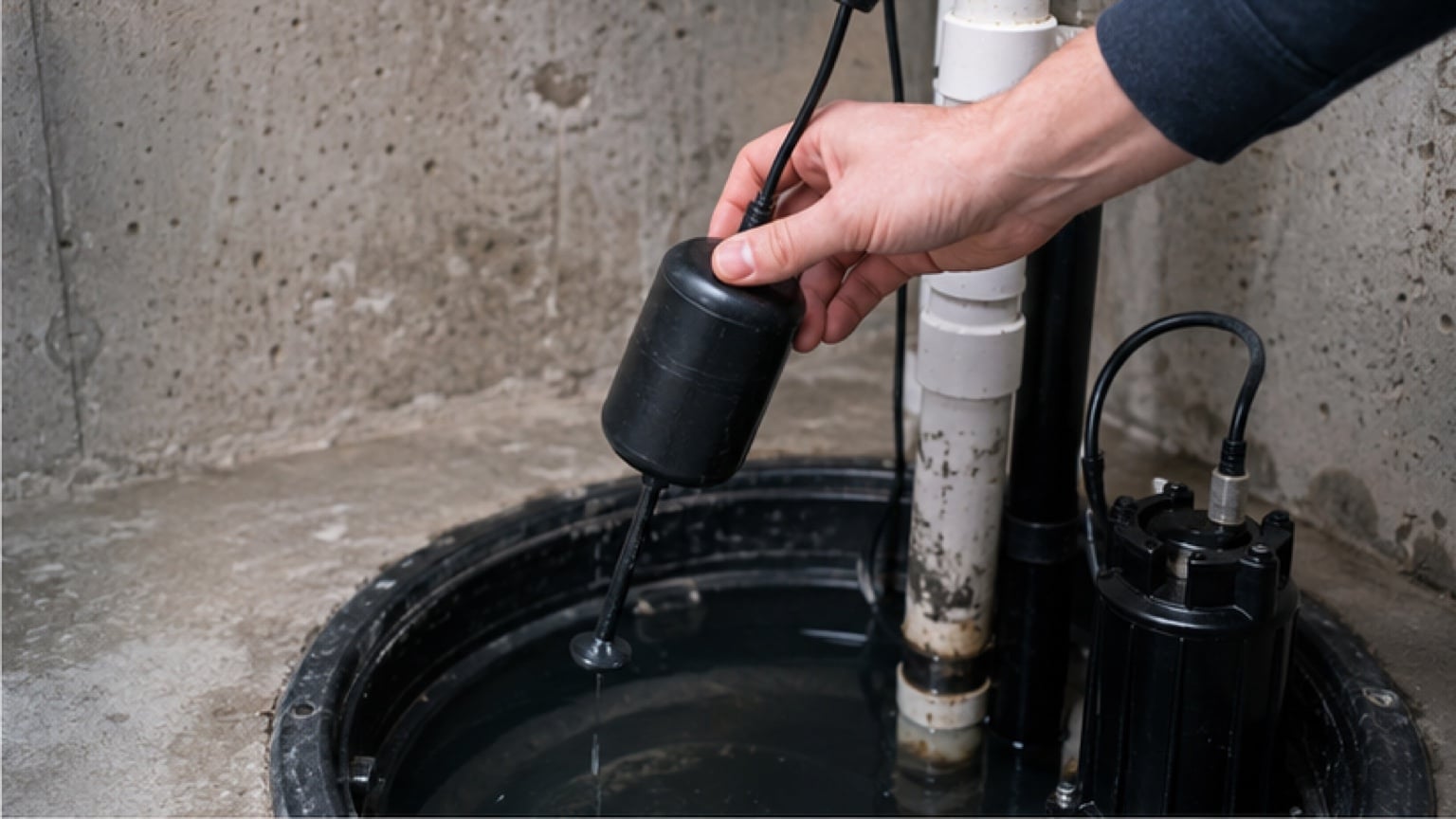
Pour clean water into the basin slowly, without splashing electrical equipment or forcing the float. Observe the exact start level. The pump should start smoothly, produce a steady discharge, lower the water, and stop at the intended off level. Do not continue filling if the level approaches an inlet, cover, or overflow. Time the drawdown between repeatable marks if practical. A dry manual switch test confirms only that the motor starts; it does not prove the basin, float, check valve, pipe, and outlet work together under water.
Watch the discharge and check valve
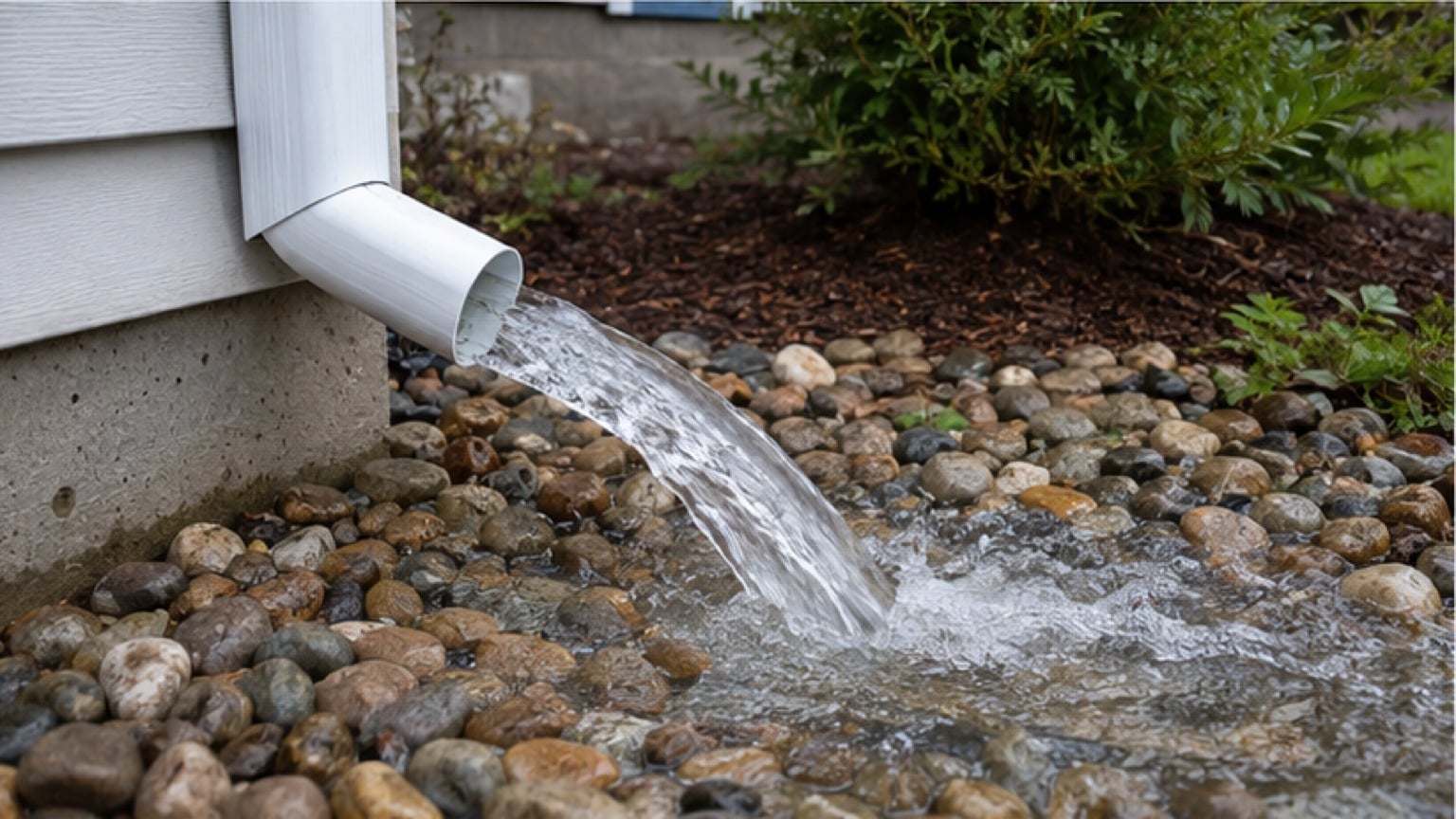
Confirm water actually exits at the approved destination. A running sound with little drawdown can indicate a blocked or frozen pipe, closed valve, damaged impeller, air lock, reversed check valve, pipe leak, excessive head, or recirculation. When the pump stops, listen for valve closure and watch whether the basin level rises rapidly from drain-back. Some return is normal depending on the pipe volume and layout, but immediate restarting points to a valve, level-spacing, or discharge-return problem.
جدول القرار
| Test step | Pass evidence | Failure clue |
|---|---|---|
| Raise basin level | Pump starts at intended level | Stuck float, control or power issue |
| Observe drawdown | Level falls steadily | Blockage, air lock, wear or excessive head |
| Observe shutdown | Pump stops and level stays down | Check-valve or switch problem |
| Test alarm/backup | Independent response works | Battery, charger, alarm or second-pump issue |
Test alarm and backup independently
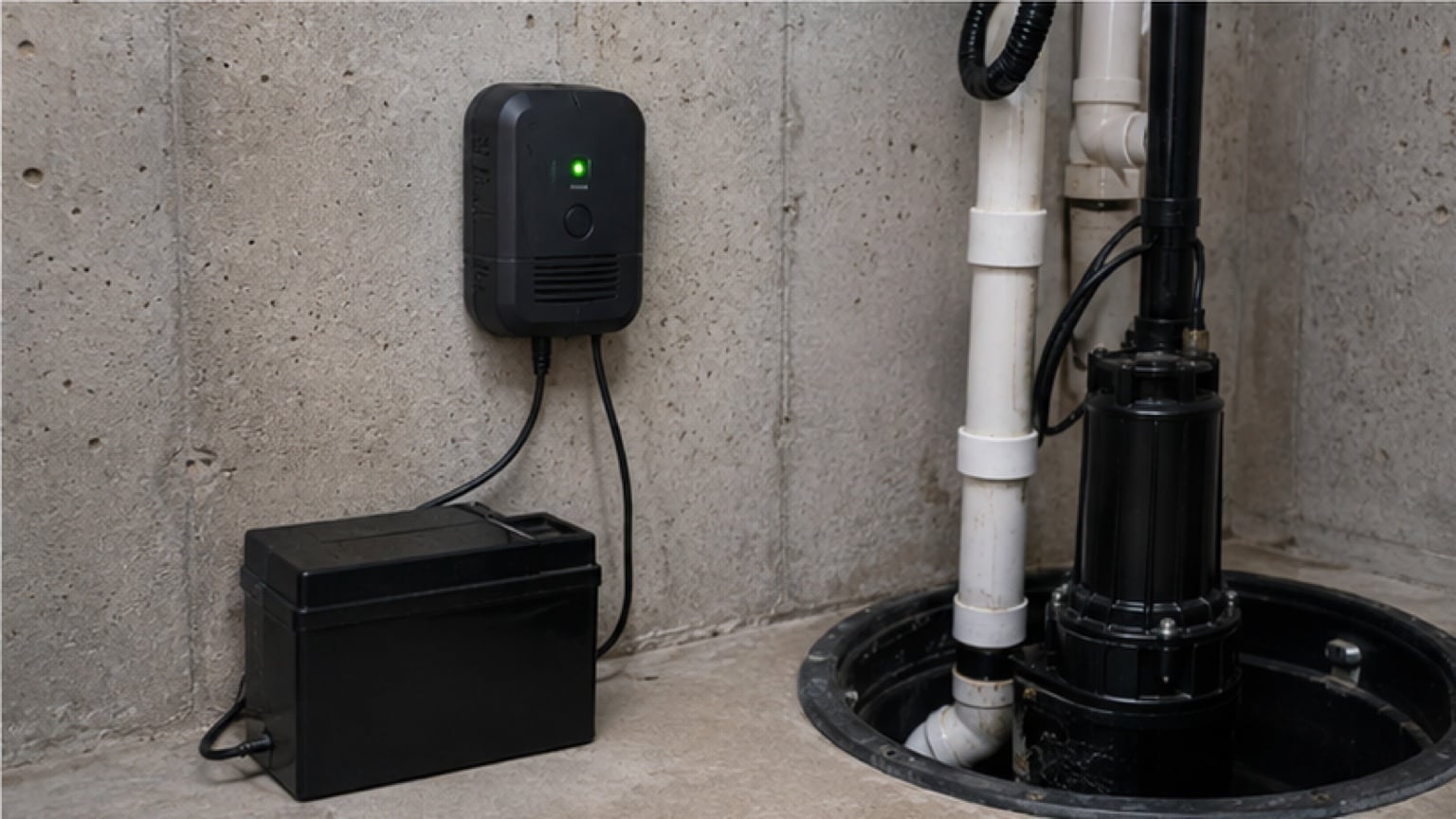
Raise the level only through the approved test method or use the controller's test function. Confirm that the high-level alarm is audible or transmitted and that its power source remains available when normal pump power fails, as designed. Test a backup pump, battery, charger, generator, transfer arrangement, and separate check valve under load. A green charger light does not prove battery capacity or pump flow. Restore every switch and valve to automatic service after the test and document the result.
Interpret abnormal sounds and cycling
Grinding, rattling, humming without flow, repeated starting, vibration, or a pump that never stops needs investigation. Debris can obstruct the inlet or impeller; the float can rub the wall or cable; a small basin or narrow switch range can short-cycle; high inflow can exceed capacity. Compare drawdown time and frequency with prior tests and weather. Disconnect and verify power before any accessible cleaning allowed by the manufacturer. Do not dismantle a pressurized discharge or reach into wastewater.
Record and schedule future checks
Log the date, water-test volume or level difference, start and stop levels, drawdown time, outlet condition, valve behavior, alarm, backup, sound, visible defects, and corrective action. Test before the wet season, after discharge work, and at the interval required by the manufacturer and site risk. Higher-consequence basements or facilities need more frequent and possibly monitored checks. Replace or repair based on condition and performance, then repeat the same test to prove the system is restored.
System selection, evidence, and procurement record
تعمل مضخة النضج أو مياه الصرف الصحي كجزء من نظام تجميع. راجع مسار التدفق الداخل، وحجم الحوض، ومنسوبي إيقاف وتشغيل المضخة والمستوى المرتفع، أنبوب التصريف، صمام عدم الرجوع، صمام العزل، موقع المخرج، التغذية الكهربائية، الإنذار، ترتيب النسخ الاحتياطي، ومسار الإزالة الآمن معاً. يجب أن تكون المضخة مناسبة للسائل الفعلي والمواد الصلبة؛ حيث إن مضخة نضج المياه النقية، وطاردة مياه الصرف الصحي، والمضخة المفتتة ليست مسميات قابلة للتبادل. تأكد مما إذا كان المحرك يعتمد على السائل المحيط للتبريد وما إذا كانت أدوات التحكم تحافظ على الحد الأدنى من الغمر مع تجنب التشغيل المتكرر السريع.
تؤثر ظروف الموقع على النتيجة. فكل من هطول الأمطار، والمياه الجوفية، ووصلات الصرف، ومعدل إشغال المبنى، والقيود المفروضة على مجرى المياه، والمخارج المتجمدة أو المسدودة، وانقطاعات التيار الكهربائي، وقواعد التصريف المحلية، كلها عوامل يمكن أن تؤثر بشكل كبير على الأداء. يجب أن يتضمن الفحص الفعال تسجيل مدة التشغيل، وعدد مرات التشغيل، ووقت انخفاض مستوى المياه، والتدفق التقديري، وسلوك التصريف، وإغلاق الصمامات، وحركة التحكم في المستوى، ووظيفة الإنذار، والضوضاء، والاهتزازات، والتسرب، والتآكل، وحالة الكابلات، والحطام. لا تقم بالعمل في حوض مبلل، أو في مكان ضيق، أو على لوحة كهربائية موصلة بالتيار دون وجود الأشخاص المؤهلين واتباع الإجراءات المطلوبة في الموقع.
بالنسبة للاستبدال أو التركيب الجديد، أرسل إلى الموردين وصف السائل، وأكبر المواد الصلبة المتوقعة، ومعدل التدفق الطبيعي والطوارئ، وإجمالي الرأس الديناميكي، ورسم حوض التجميع، وإعدادات المستوى، ومسار الأنابيب، والجهد الكهربائي والأطوار، ودورة التشغيل، ومتطلبات الإنذار والنسخ الاحتياطي، وبيئة التركيب، وقيود الوصول، والوجهة، والموافقات المطلوبة. اطلب نطاق توريد كاملاً يتضمن المضخة، أو ترتيب التوجيه أو الرفع، وتركيبات التصريف، والصمامات، وأجهزة التحكم، والمستشعرات، والكابلات، والحماية، ووثائق الاختبار، وقطع الغيار، ودعم التشغيل التجريبي. احتفظ بالمنحنى المعتمد وقراءات بدء التشغيل مع سجلات الصيانة. إن المضخة التي تعمل لا تُعتبر مقبولة بالكامل إلا بعد إثبات كفاءة أدوات تحكم المستوى، والإنذار، والاستجابة للاحتياطي، وصمام عدم الرجوع، ومسار التصريف، وإمكانية الإزالة الآمنة أيضاً.
How this topic connects to BORRAPUMP equipment
This guide supports early review of how to check if a sump pump is working applications. It does not assign a final model. Send the liquid, flow range, total head, source and destination levels, solids, duty cycle, power, controls, site conditions, quantity, destination, and required approvals so equipment can be checked against the real service.
Related BORRAPUMP engineering guides
Authoritative sources and further learning
خرائط ومخاطر الفيضانات الصادرة عن الوكالة الفيدرالية لإدارة الطوارئ (FEMA); السلامة الكهربائية لإدارة السلامة والصحة المهنية (أوشا); السيطرة على الطاقة الخطرة التابعة لإدارة السلامة والصحة المهنية (أوشا). These sources provide general engineering, water, environmental, or safety context; current local rules, approved designs, and equipment instructions remain controlling.
Educational video by Practical Engineering: هل المضخات تولد ضغطاً أم تدفقاً؟.
الأسئلة الشائعة
Can I test a sump pump by lifting the float?
A manufacturer-approved manual test helps, but adding water verifies more of the basin, switch, pump, check valve, and discharge system.
How much water should I add?
Add slowly only to the normal start level, staying below unsafe or overflow conditions.
Why does it run but not remove water?
Check for a blocked or frozen outlet, valve problem, air lock, pipe leak, excessive head, or pump damage.
How do I test a battery backup?
Use the approved loaded test and verify charger, battery condition, pump flow, controls, valve, and alarm.
Final checkpoint
Before changing equipment or settings, reconcile the actual duty and site conditions with the approved curve, drawings, materials, power, controls, protection, installation, testing, and maintenance access. Record remaining assumptions and assign responsibility for closing them. Preserve the final readings and documents as the baseline for future inspection.
A useful handover also states what was not tested, which assumptions still depend on site confirmation, and when the next inspection is due. Identify the person responsible for water-level, pressure, flow, electrical, alarm, and maintenance records. Keep photographs and instrument details with the results. If a later reading is taken at a different valve position, source level, speed, pressure setting, or demand, label that difference before comparing trends. This simple discipline prevents a normal operating change from being mistaken for damage and prevents real deterioration from being dismissed as normal variation. When safety, sanitation, water supply, or property damage is at stake, define the temporary protection and escalation route before returning the system to unattended service.
Use the first verified operating record as a baseline, then compare future checks under the closest practical conditions. Note weather, liquid level, demand, valve positions, speed, filter condition, and any temporary hose or bypass. Confirm that gauges and meters have an appropriate range and that readings are taken from the same locations. A change in one number should trigger a review of connected evidence rather than an immediate part replacement. If the pump, motor, control, tank, valve, pipe, or source is changed, update the drawing and selection record. This keeps maintenance decisions tied to the real system and gives suppliers enough context to evaluate a warranty question, replacement, or operating adjustment without starting the investigation from zero.