
Well pump drawdown measurement compares the water level before pumping with the level during pumping, using the same measuring point. When both readings are depths below that point, drawdown is pumping depth minus static depth. Record the pumping rate and elapsed time with every interpretation. A water-level number without those conditions cannot show whether the well or the pump is performing normally.
This guide is for irrigation owners, water-system buyers and technicians reviewing a pumping-test record. Opening a well and lowering instruments can create contamination, electrical and entanglement hazards. A qualified well professional should choose the access method and test procedure. The calculations below help evaluate the record; they are not instructions to improvise access to an operating well.
Distinguish the four levels that matter
The measuring point is a fixed reference, often a documented point on the well casing. Static water level is the stabilized non-pumping level under the conditions recorded. Pumping water level is the level at a stated time and discharge rate. Pump setting depth identifies the intake location and must come from the installation record.
Do not confuse the top of the pump, the bottom of the borehole and the water surface. A deep borehole does not automatically provide an equally deep water column above the intake. Likewise, the static water level is not the level the pump will experience after prolonged irrigation during a dry period.
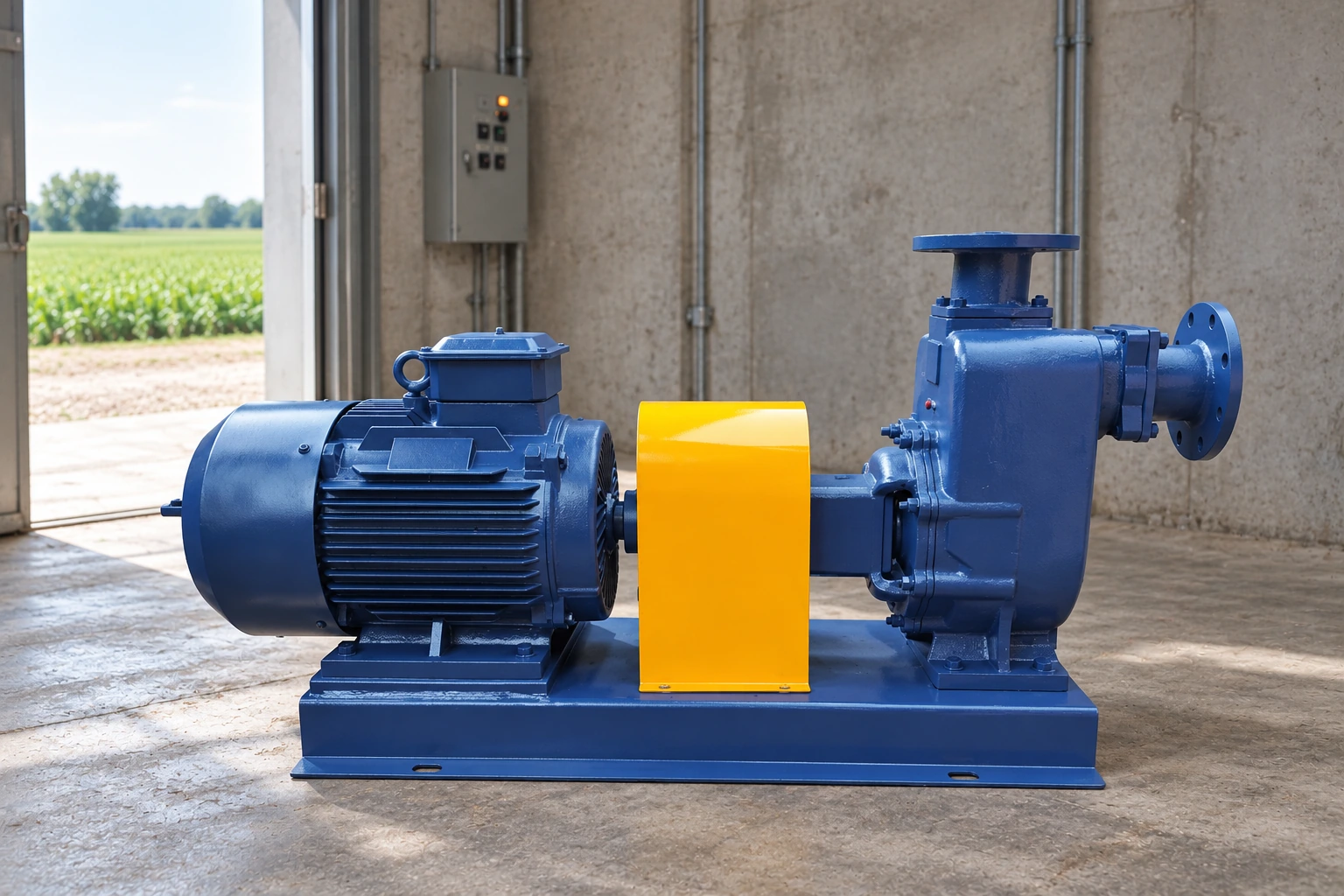
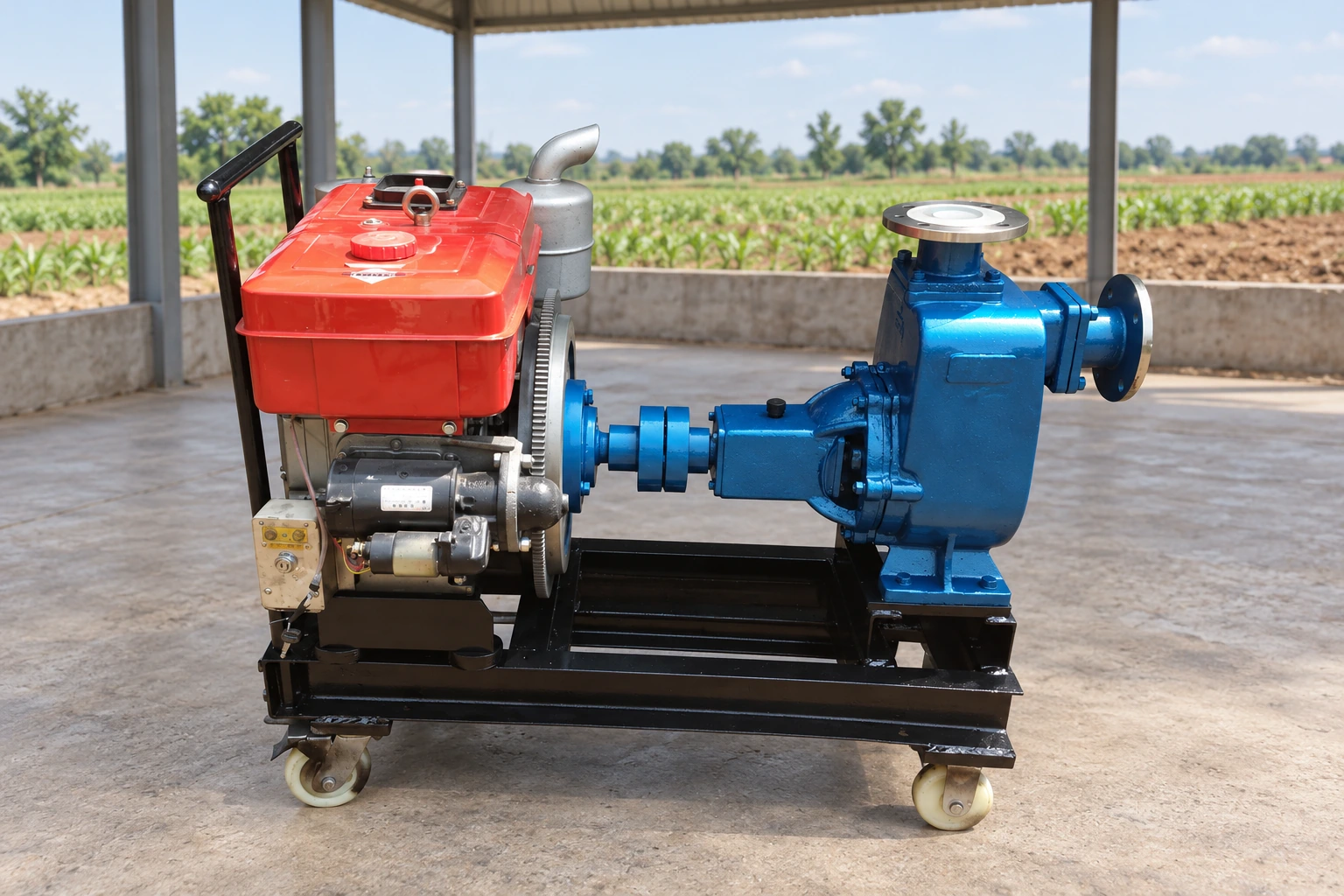
Cho một QJ deep-well irrigation pump, selection requires the actual pumping level, delivery requirement and supplied performance curve. A product image cannot establish an acceptable setting depth, minimum submergence or available well yield. Obtain those limits for the proposed model and installation.
Define the measurement datum and units
Record the measuring-point location and its height above ground where relevant. If the point changes between visits, correct the records before comparing depths. A casing extension or new well cap can create an apparent level change even when the groundwater level has not moved.
Use one convention throughout the worksheet. Depth below the measuring point increases as water falls. Elevation above a common datum decreases as water falls. Both conventions work, but mixing them reverses signs and creates misleading comparisons. Label every column explicitly rather than relying on the operator’s memory.
The British Columbia pumping-test guide describes test planning and level observation. Agriculture and Agri-Food Canada’s well-monitoring guidance emphasizes systematic records of time, discharge and drawdown. Apply the local legal and professional requirements for the actual site.
Select suitable instruments and sanitary access
Common professional methods include electric water-level instruments, pressure transducers and properly arranged sounding tubes. Instrument choice depends on available access, expected level range, accuracy and risk of interfering with cables or rising mains. Do not lower an improvised weighted line beside a running pump.
A pressure transducer measures water pressure at its installed location. Converting that reading into water level requires the instrument position, applicable pressure reference and any necessary correction. The sensor must remain within its measurement range throughout pumping and recovery. Retain independent checks where the professional procedure requires them.
Protect well sanitation when equipment enters the well. Use appropriate cleaning and disinfection procedures, preserve cap seals and document any disturbed fittings. A monitoring exercise should not create a new water-quality problem. Do not assume that equipment previously used in another borehole is ready for direct insertion.
Establish the pre-test condition honestly
Allow the well to recover according to the test plan and observe whether the level has stabilized. Record nearby pumping, recent rainfall, irrigation demand and any continuing use. A level measured shortly after another pumping cycle may be a partially recovered level rather than a defensible static reference.
The appropriate recovery period depends on the well and aquifer. Avoid a universal instruction such as waiting a fixed number of minutes for every installation. When recovery is slow or neighboring wells affect the level, the hydrogeologist or well professional should define how to establish the baseline.
Record the intended discharge route. Test water discharged too close to the well may infiltrate back toward the source and distort interpretation. The route also needs to avoid erosion, flooding and contamination. Confirm applicable permissions before a long-duration test rather than deciding where to send the water after pumping starts.
Record level, flow and time together
During the test, pair each water-level observation with elapsed time and the measured discharge rate. Record actual observation times. If the planned reading is missed, entering the scheduled time afterward hides the error and can distort the trend.
A constant-rate test requires monitoring the rate, not merely leaving a valve in the same position. Flow can change as the pumping level falls and total head increases. The professional test plan should define the allowable variation and any response. Distinguish intentional rate steps from unplanned drift.
Continue the record through shutdown and recovery where specified. Note the exact stopping time, then track the rising water level with a consistent datum. Recovery information can help distinguish a temporary pumping response from a persistent change, but interpreting aquifer properties needs appropriate professional analysis.
Calculate drawdown and specific capacity
For depth measurements below one reference, use s = PWL − SWL, where s is drawdown, PWL is pumping water-level depth and SWL is static water-level depth. All three lengths must use the same unit. A negative result should trigger a check of conventions, measurement conditions and reference points.
Specific capacity at a stated time is Q/s, with Q the measured pumping rate. It is useful for comparing well performance under comparable conditions. It is not the hydraulic efficiency of the pump, and one short test does not establish a guaranteed sustainable annual abstraction rate.
| Illustrative record | Giá trị | Diễn giải |
|---|---|---|
| Static depth below fixed point | 12 m | Pre-test reference under recorded conditions |
| Pumping depth after stated test period | 20 m | Level while delivering the recorded flow |
| Measured flow | 24 m³/h | Rate associated with the level observation |
| Drawdown | 20 − 12 = 8 m | cURL Too many subrequests by single Worker invocation. To configure this limit, refer to https://developers.cloudflare.com/workers/wrangler/configuration/#limits |
| cURL Too many subrequests by single Worker invocation. To configure this limit, refer to https://developers.cloudflare.com/workers/wrangler/configuration/#limits | cURL Too many subrequests by single Worker invocation. To configure this limit, refer to https://developers.cloudflare.com/workers/wrangler/configuration/#limits | cURL Too many subrequests by single Worker invocation. To configure this limit, refer to https://developers.cloudflare.com/workers/wrangler/configuration/#limits |
| cURL Too many subrequests by single Worker invocation. To configure this limit, refer to https://developers.cloudflare.com/workers/wrangler/configuration/#limits | cURL Too many subrequests by single Worker invocation. To configure this limit, refer to https://developers.cloudflare.com/workers/wrangler/configuration/#limits | cURL Too many subrequests by single Worker invocation. To configure this limit, refer to https://developers.cloudflare.com/workers/wrangler/configuration/#limits |
cURL Too many subrequests by single Worker invocation. To configure this limit, refer to https://developers.cloudflare.com/workers/wrangler/configuration/#limits.
cURL Too many subrequests by single Worker invocation. To configure this limit, refer to https://developers.cloudflare.com/workers/wrangler/configuration/#limits
For an open well delivering to an open tank, the pumping water surface is the relevant source elevation for static lift. Add delivery elevation, required terminal pressure where applicable and pipeline losses to establish total dynamic head. Do not use total borehole depth as the static lift.
As the water level falls, the required head can rise. A selected pump therefore needs review across the expected operating range, including seasonal low water conditions. The deep-well pump head calculation guide explains the broader head calculation.
Check the remaining water column above the intake against the supplied requirements, including cooling and submergence provisions. A measured level above the intake does not by itself prove adequate conditions. The acceptable margin depends on the actual equipment, well geometry and operating conditions; do not invent a universal minimum.
Investigate a changing trend methodically
Compare tests only after checking rate, duration, datum and source conditions. A larger drawdown at a larger flow is not directly comparable with a smaller drawdown at a lower flow. A short test and a long irrigation run may also show different behavior without a new equipment fault.
If the well response has changed under comparable conditions, involve a well professional to assess the possible causes and appropriate investigation. Do not increase pump capacity simply to hide declining well performance. That can worsen available submergence or exceed the abstraction conditions agreed for the source.
If level behavior is normal but delivery has fallen, review the pump curve, rising main, valves, electrical supply and surface distribution. The hướng dẫn chọn bơm giếng sâu và irrigation sizing guide help organize those separate checks.
Prepare a useful purchasing and maintenance record
Send the supplier the well log, intake setting, static and pumping levels, rate-time data, seasonal expectations, delivery route and required outlet conditions. Include water quality and any sand observations. Ask for a model-specific review of duty, operating range and installation requirements.
Keep raw observations alongside calculated results. Preserve instrument details, calibration information, datum photographs and the test conditions. A later reviewer should be able to recalculate drawdown without guessing whether a figure is depth below ground or elevation above a datum.
Set future monitoring intervals according to water use, local requirements and observed risk. Consistent records at meaningful conditions are more valuable than frequent isolated readings. The objective is to identify change early enough to protect supply and choose corrective work based on evidence.
Further learning: pump curves and changing lift
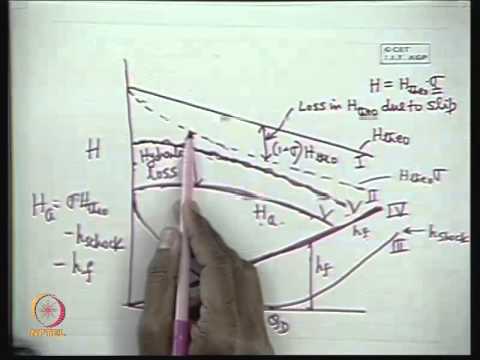
The NPTEL centrifugal-pump characteristics lecture below helps explain why changing source level can move the duty point. It supports the pump-side interpretation of a test; it does not replace a qualified groundwater assessment or authorize a particular extraction rate.
Các câu hỏi thường gặp
Is drawdown the same as well depth?
No. Drawdown is the change from the non-pumping water level to a pumping level under stated conditions. Well depth is a construction dimension. They describe different things and should never be substituted in a pump-head calculation.
Can I measure from a different point next time?
Only if the reference change is documented and corrected. Otherwise, the new datum can create an apparent groundwater change. Use a stable marked reference and record any casing or wellhead alterations.
Does a high specific capacity mean the pump is efficient?
No. Specific capacity describes measured discharge per unit drawdown at a stated time. Pump efficiency requires appropriate head and power information. The well indicator should not be advertised as an equipment-efficiency percentage.
Should a falling water level lead to a larger pump?
Not automatically. Review pumping rate, duration, seasonal conditions, well health and remaining submergence first. Increasing extraction can worsen the problem. A well professional and the pump supplier should assess the evidence together.
What is essential in a supplier inquiry?
Include the well log, intake depth, static and pumping levels with rate and time, expected seasonal range, water quality and delivery requirement. Those records let the supplier assess the actual duty instead of selecting from borehole depth alone.