
A macerator pump uses a cutting or macerating mechanism to reduce soft waste before moving it through a discharge line. The term appears in RV, marine, small plumbing, and some wastewater applications, but it does not describe one universal pump construction or solids capability. A macerator is not automatically the same as a sewage grinder pump, nor is it a substitute for correct drainage design. Select from the actual waste stream, permitted solids, flow, total head, pipe, duty cycle, materials, controls, access, and local discharge requirements.
Bài viết này là cẩm nang hướng dẫn chẩn đoán và mua sắm thực tế, không thay thế cho hướng dẫn của nhà sản xuất máy bơm, thiết kế hệ thống được phê duyệt, các quy định hiện hành về điện và hệ thống nước, hay dịch vụ kỹ thuật có chuyên môn tại công trình. Phải cô lập nguồn năng lượng và áp suất trước khi mở thiết bị. Các công việc liên quan đến giếng khoan, nâng hạ, không gian hạn chế, nước thải, khu vực điện ẩm ướt và kiểm tra khi có điện đòi hỏi nhân sự có năng lực và các biện pháp kiểm soát dành riêng cho từng công việc.
Understand the cutting-and-pumping sequence
Waste enters a chamber or inlet where rotating cutting elements reduce suitable soft solids before the pump moves the mixture onward. Exact mechanisms, clearances, screens, and hydraulics vary. The cutter does not make every object pumpable. Wipes, fibrous cloth, metal, stones, hygiene products, grease, and hard debris can jam, wrap, damage, or overload the unit. Review the manufacturer's allowed media and passage data. Upstream user guidance and screening are part of reliability; a stronger motor is not a solution to inappropriate waste.
Distinguish macerator, grinder, and sewage pumps
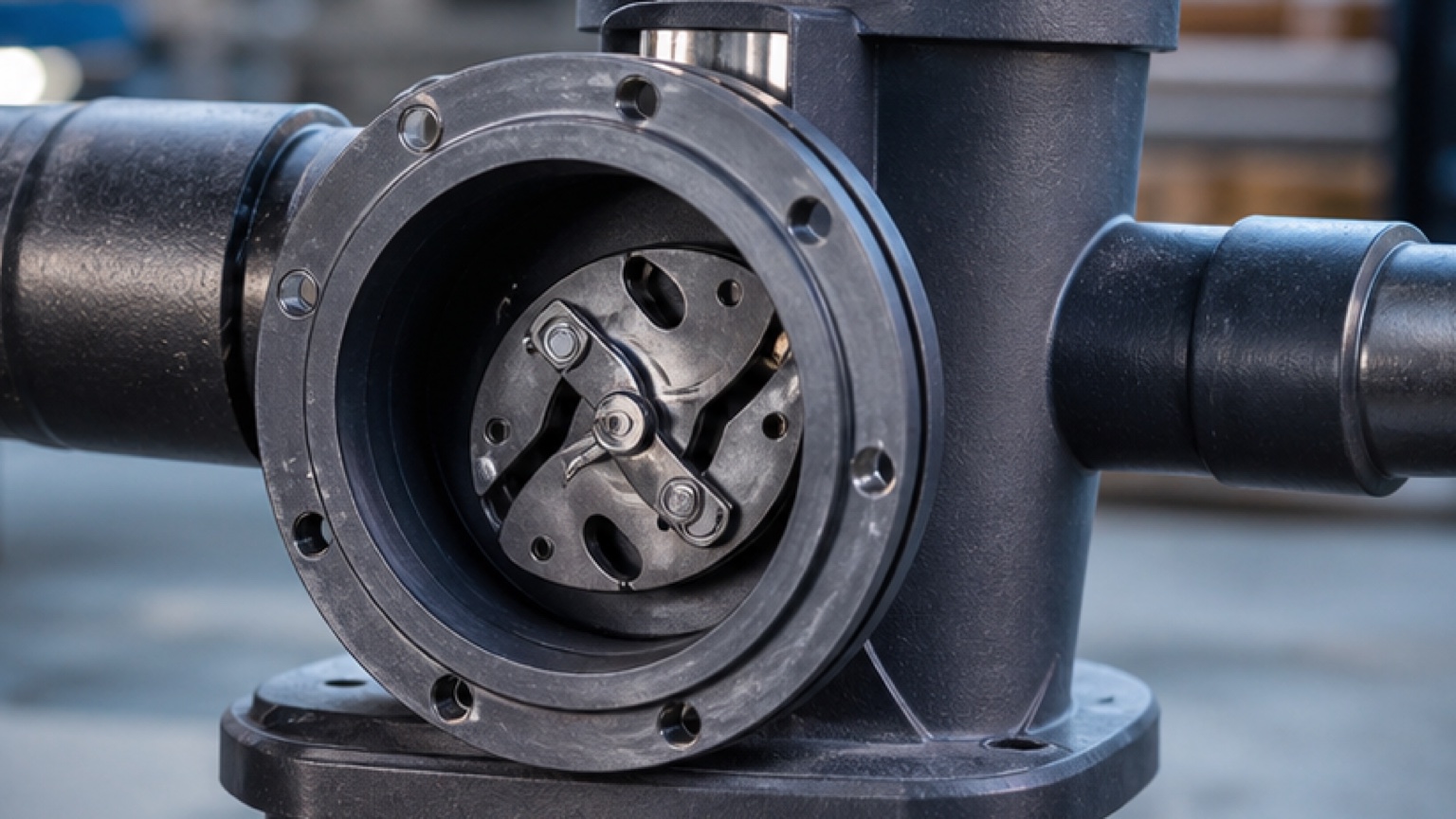
A conventional sewage pump may pass solids through a vortex or channel without deliberately cutting them. A grinder pump typically reduces sewage solids for a pressurized sewer arrangement and is selected with the system designer's requirements. A macerator may be a smaller transfer or plumbing device with different duty and discharge assumptions. Marketing language overlaps, so compare section drawings, allowed solids, continuous or intermittent duty, curve, shutoff behavior, motor cooling, and approved application. Never infer capability from the word macerator alone.
Calculate flow and total dynamic head
Determine the volume to transfer, required emptying time, static lift, discharge pressure, and friction through the real inside diameter, hose, fittings, valves, and any treatment or receiving connection. Small tubing can create significant loss. Plot the duty on the curve and review the whole operating range. Positive-displacement and centrifugal macerating designs respond differently to a blocked discharge, so the approved pressure relief or protection must match the design. Confirm that the destination can receive the peak flow and macerated waste.
Bảng quyết định
| Pump label | Main action | Selection caution |
|---|---|---|
| Macerator pump | Cuts suitable soft waste and transfers slurry | Allowed materials and duty vary widely |
| Grinder pump | Reduces sewage solids for designed pressure service | Must match the sewer-system design |
| Sewage pump | Passes specified solids without necessarily cutting | Check passage and impeller type |
| Sump/drainage pump | Moves drainage water | Not automatically suitable for sewage |
Check liquid, materials, and duty cycle
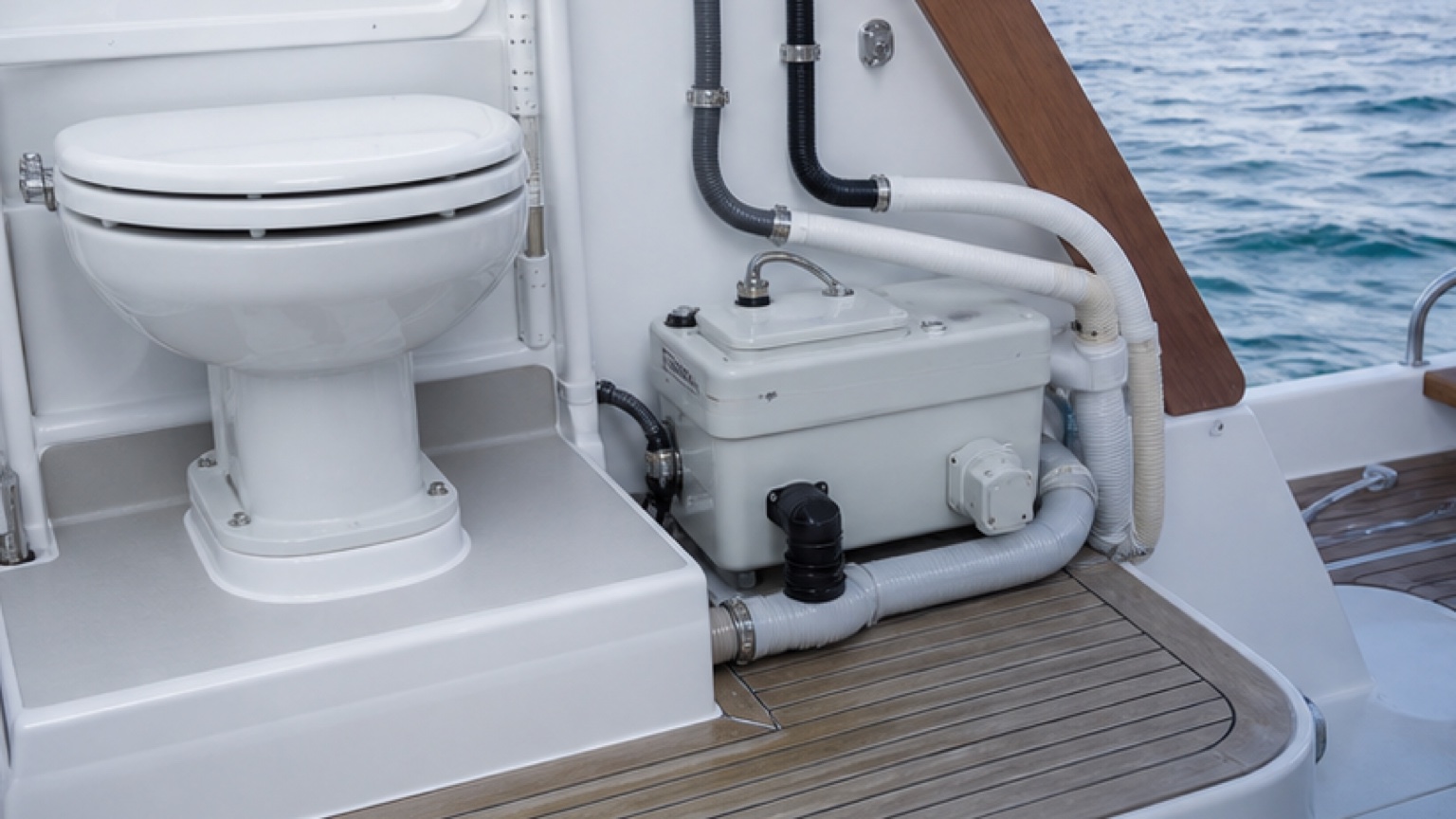
List solids type and size, fibers, grit, grease, chemicals, cleaners, temperature, pH, salinity where relevant, and upset conditions. Confirm wetted materials, elastomers, cutter material, shaft, seal, fasteners, cable, and enclosure. Many compact macerators are intermittent-duty devices and depend on liquid for cooling; exceeding runtime or running dry can cause rapid damage. State expected starts, duration, daily volume, and standby periods. In marine and RV systems, power supply, hose sanitation, winterization, and discharge legality also need explicit review.
Design for blockage removal and hygiene
Provide isolation, drain or flush arrangements, safe access, lifting or removal clearance, and a method to contain contaminated liquid. The operator should not need to dismantle a pressurized or energized unit to clear a routine blockage. Define personal protection, cleaning, disinfection, waste handling, and confined-space boundaries. Check valves and isolation valves must suit solids and remain accessible. If the system connects to a building sewer, tank, vessel, or public network, prevent backflow and follow the approved plumbing and environmental arrangement.
Commission controls and protection
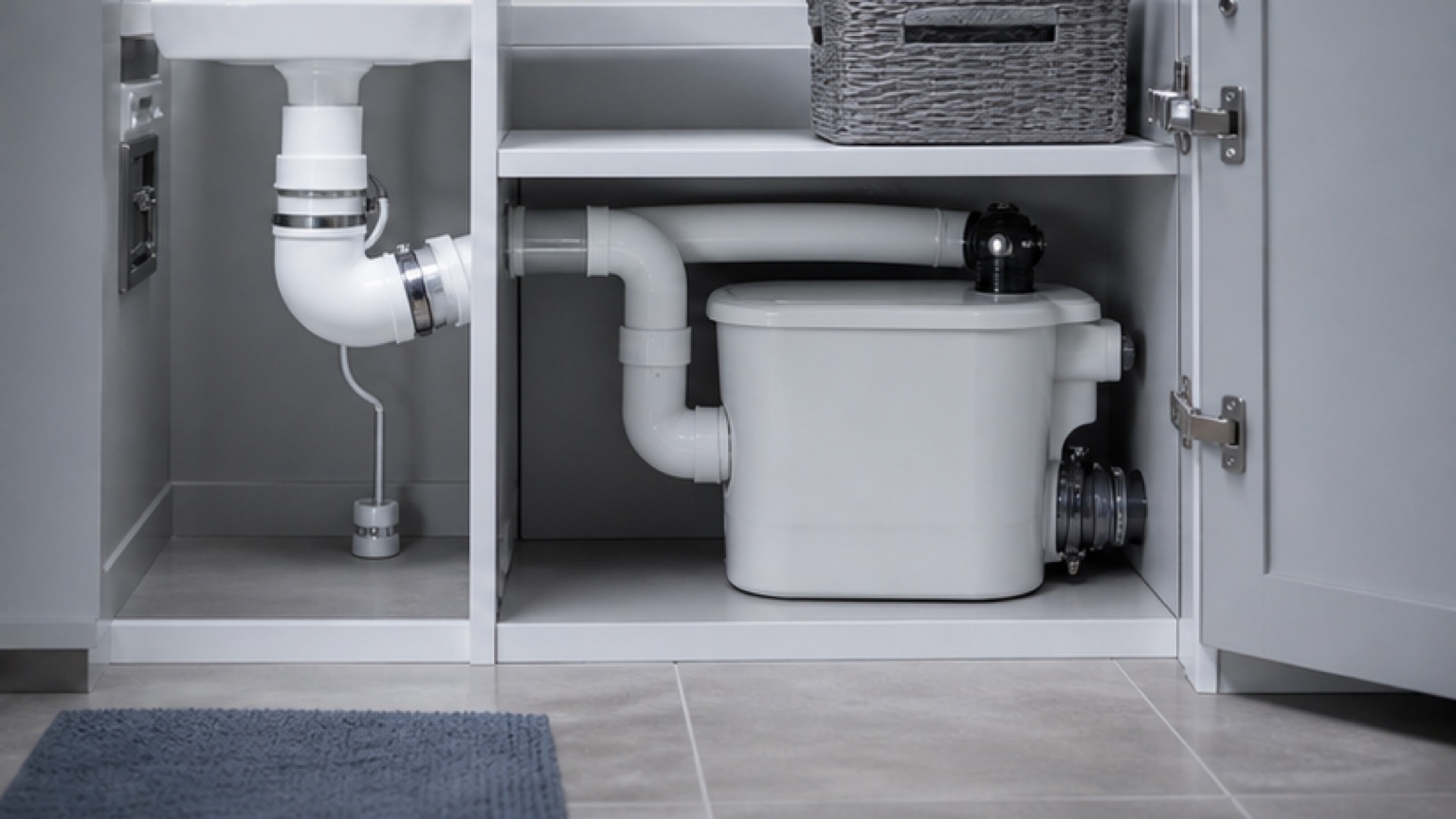
Verify rotation where applicable, valve lineup, cutter freedom under the approved procedure, level or demand controls, overload, dry-run or thermal protection, alarm, leakage, discharge, current, noise, and vibration. Test with the permitted medium or approved commissioning method; do not introduce inappropriate solids as a demonstration. Record drawdown or transfer time and the condition of the discharge. Train users on prohibited materials and the response to a jam. Keep spares for wear items identified by the manufacturer, not an improvised collection of generic blades and seals.
System selection, evidence, and procurement record
Bơm hố thu hoặc bơm nước thải hoạt động như một phần của hệ thống thu gom. Hãy xem xét đồng thời đường dòng chảy vào, thể tích bể chứa, các cao độ tắt bơm, bật bơm và mức cao, ống xả, van một chiều, van cách ly, vị trí đầu ra, nguồn điện, thiết bị báo động, hệ thống dự phòng và tuyến đường tháo dỡ an toàn. Bơm phải phù hợp với chất lỏng và chất rắn thực tế; bơm hố thu nước trong, bơm ép nước thải và bơm nghiền rác không phải là các tên gọi có thể thay thế cho nhau. Xác nhận xem động cơ có phụ thuộc vào chất lỏng xung quanh để làm mát hay không và các bộ điều khiển có duy trì độ ngập tối thiểu đồng thời tránh hiện tượng bật tắt liên tục nhanh hay không.
Điều kiện hiện trường làm thay đổi câu trả lời. Lượng mưa, nước ngầm, các kết nối thoát nước, tình trạng sử dụng tòa án, các hạn chế ở hạ lưu, các cửa xả bị đóng băng hoặc tắc nghẽn, mất điện và các quy định xả thải địa phương đều có thể chi phối hiệu suất. Một cuộc kiểm tra hữu ích sẽ ghi lại thời gian chạy, số lần khởi động, thời gian hạ mực nước, lưu lượng dòng vào ước tính, hành vi xả thải, việc đóng van, chuyển động điều khiển mực nước, chức năng báo động, tiếng ồn, độ rung, sự rò rỉ, ăn mòn, tình trạng cáp và cặn bẩn. Không làm việc trong bể chứa ẩm ướt, không gian hạn chế hoặc tủ điện đang có điện nếu không có đủ nhân sự đủ điều kiện và các quy trình theo yêu cầu của hiện trường.
Đối với việc thay thế hoặc lắp đặt mới, hãy gửi cho nhà cung cấp mô tả chất lỏng, chất rắn lớn nhất dự kiến, lưu lượng vào bình thường và khẩn cấp, tổng cột áp động, bản vẽ bể chứa, cài đặt mức, tuyến đường ống, điện áp và pha, chu kỳ làm việc, yêu cầu báo động và dự phòng, môi trường lắp đặt, giới hạn tiếp cận, điểm đến và các phê duyệt bắt buộc. Yêu cầu một phạm vi hoàn chỉnh bao gồm máy bơm, hệ thống dẫn hướng hoặc nâng, phụ kiện xả, van, bộ điều khiển, cảm biến, cáp, thiết bị bảo vệ, tài liệu thử nghiệm, phụ tùng và hỗ trợ vận hành. Giữ lại đường cong đã được phê duyệt và các chỉ số khởi động cùng với hồ sơ bảo trì. Một máy bơm hoạt động chưa được chấp nhận hoàn toàn cho đến khi các bộ phận kiểm soát mức, báo động, phản hồi dự phòng, van một chiều, đường xả và khả năng tháo dỡ an toàn cũng đã được chứng minh.
How this topic connects to BORRAPUMP equipment
This guide supports early review of what is a macerator pump applications. It does not assign a final model. Send the liquid, flow range, total head, source and destination levels, solids, duty cycle, power, controls, site conditions, quantity, destination, and required approvals so equipment can be checked against the real service.
Related BORRAPUMP engineering guides
Authoritative sources and further learning
U.S. EPA septic systems; OSHA sanitation; Kiểm soát năng lượng nguy hiểm theo tiêu chuẩn OSHA. These sources provide general engineering, water, environmental, or safety context; current local rules, approved designs, and equipment instructions remain controlling.
Educational video by Practical Engineering: Máy bơm tạo ra áp suất hay lưu lượng?.
Các câu hỏi thường gặp
Is a macerator pump the same as a grinder pump?
Not necessarily. Designs, duty, solids capability, pressure, and system roles differ.
Can it handle wipes?
Do not assume so. Follow the exact manufacturer list of permitted materials.
Can a macerator pump run continuously?
Only if the specific model and installation are approved for that duty and cooling condition.
Why is the discharge pipe small?
Some systems move processed waste through smaller lines, but friction and blockage risk must be calculated.
Final checkpoint
Before changing equipment or settings, reconcile the actual duty and site conditions with the approved curve, drawings, materials, power, controls, protection, installation, testing, and maintenance access. Record remaining assumptions and assign responsibility for closing them. Preserve the final readings and documents as the baseline for future inspection.
A useful handover also states what was not tested, which assumptions still depend on site confirmation, and when the next inspection is due. Identify the person responsible for water-level, pressure, flow, electrical, alarm, and maintenance records. Keep photographs and instrument details with the results. If a later reading is taken at a different valve position, source level, speed, pressure setting, or demand, label that difference before comparing trends. This simple discipline prevents a normal operating change from being mistaken for damage and prevents real deterioration from being dismissed as normal variation. When safety, sanitation, water supply, or property damage is at stake, define the temporary protection and escalation route before returning the system to unattended service.
Use the first verified operating record as a baseline, then compare future checks under the closest practical conditions. Note weather, liquid level, demand, valve positions, speed, filter condition, and any temporary hose or bypass. Confirm that gauges and meters have an appropriate range and that readings are taken from the same locations. A change in one number should trigger a review of connected evidence rather than an immediate part replacement. If the pump, motor, control, tank, valve, pipe, or source is changed, update the drawing and selection record. This keeps maintenance decisions tied to the real system and gives suppliers enough context to evaluate a warranty question, replacement, or operating adjustment without starting the investigation from zero.