
A submersible dewatering pump is selected by matching the required drawdown flow, total dynamic head, solids and abrasiveness, minimum operating depth, cable and power supply, and the site's duty cycle. It should not be chosen from outlet size or motor power alone. Establish how fast water enters, where it can legally discharge, and how the water level and hose route will change. Then plot normal and worst-case duties on a certified pump curve, verify motor loading and cooling, and specify level controls, strainers, lifting, electrical protection, standby capacity, and safe access.
هذا الدليل هو إطار هندسي ومشتريات مبكر، وليس بديلاً عن تصميم المشروع المعتمد، أو اللوائح الحالية، أو تعليمات الشركة المصنعة، أو إشراف الموقع المؤهل. تتطلب الأعمال الكهربائية، والاختبارات تحت الجهد، والرفع، والعمل في الأماكن المغلقة، وأعمال الحماية من الحريق، والحفر، والسوائل الخطرة، ومياه الصرف الصحي، والأنظمة المضغوطة إجراءات خاصة بالمهمة وأفراداً أثبتا كفاءتهم. حافظ على الحماية التلقائية وتوفر النظام أثناء التحقيق في الأعطال. إذا كان السائل الفعلي، أو الواجب، أو حالة الموقع، أو المتطلبات الحاكمة تختلف عن الافتراضات، فتوقف واحصل على مراجعة فنية معدلة.
Define inflow and allowable water level
Dewatering begins with the site water balance. Estimate groundwater seepage, rainfall runoff, process water, leaks, and any temporary diversion. Record normal, peak, and emergency inflow together with the maximum water level the excavation, basement, tunnel, or sump can tolerate. A pump rated for a short peak is not necessarily suitable for continuous groundwater control. Storage in the sump can reduce cycling, while an undersized sump can cause rapid starts and unstable level control. Critical sites need a standby pump, independent high-level alarm, and response plan. Revisit the estimate after heavy rain and excavation changes because the collection area and flow paths evolve. The pump selection should state the assumed inflow and drawdown target so operators know when actual conditions exceed the design basis.
Calculate every component of system head
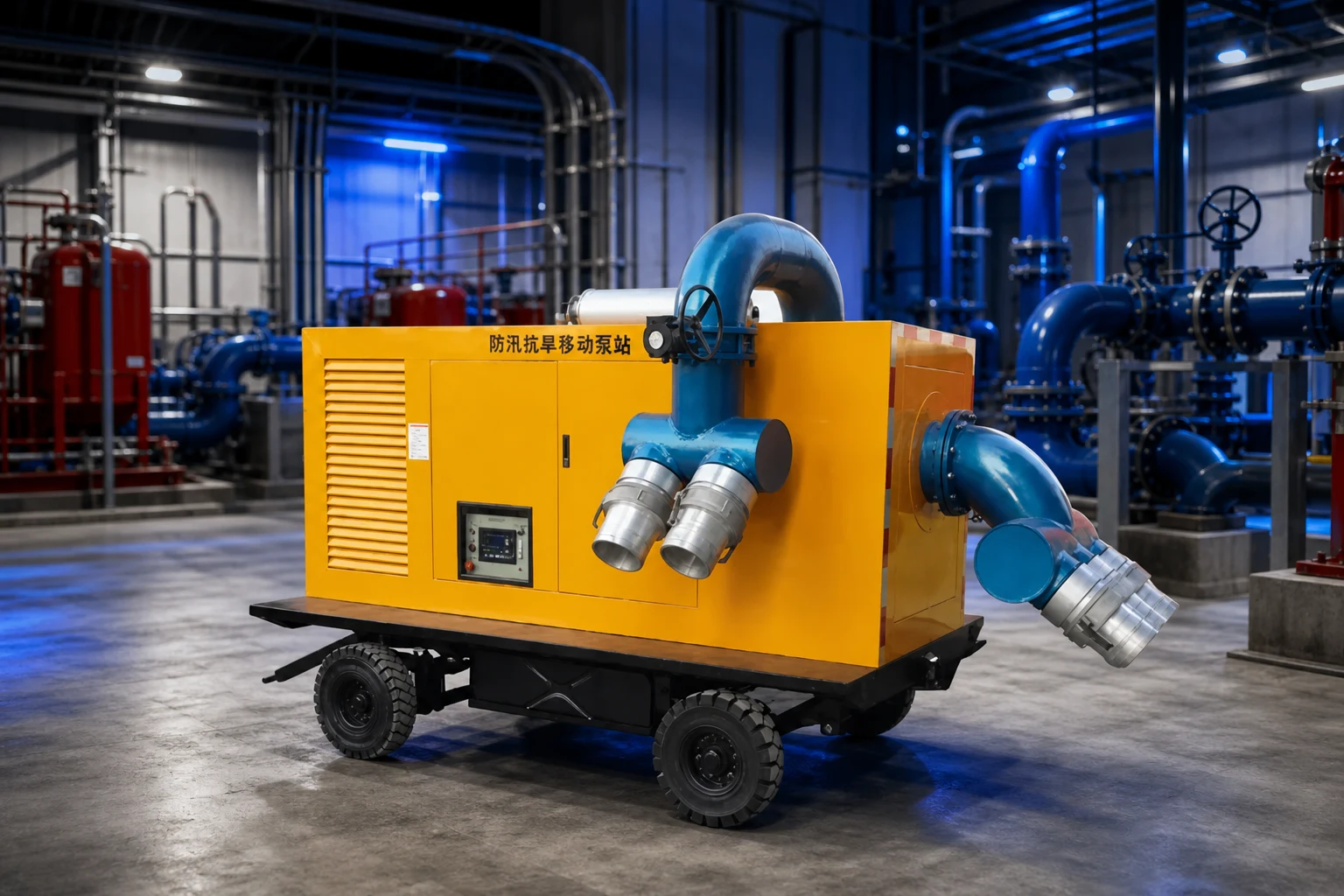
Measure vertical elevation from the lowest operating water level to the discharge outlet, not only from the pump base. Add hose and pipe friction, fittings, check valves, manifolds, filters, treatment equipment, and any required outlet pressure. Long flexible hose and small inside diameter can consume significant head, especially after bends, kinks, or sediment accumulation. Calculate at the intended flow and include alternate hose routes. As the water level falls, static lift rises; as multiple pumps share a header, friction and interaction change. Plot several credible points on the curve rather than relying on one nominal value. Confirm maximum pressure for hose, fittings, and treatment equipment, and ensure the discharge route remains stable when pumps start or stop.
Match solids, abrasiveness, and construction
Construction water may contain sand, silt, aggregate fines, mud, fibers, or debris. Record particle size, concentration, shape, hardness, and whether solids settle or remain suspended. Published solids passage describes a geometric capability but does not prove resistance to abrasive wear or clogging in every mixture. Compare impeller type, inlet strainer, wear components, clearances, casing and impeller materials, and access for cleaning. A wide passage can still suffer reduced performance when the intake is buried in sludge. Suspend or place the pump on a stable base where appropriate, and keep it out of loose sediment without preventing the sump from collecting water. If contaminated water is possible, involve the responsible environmental professional before selecting materials or approving discharge.
جدول قرار المشروع
| Site input | Selection or setup action | Risk controlled |
|---|---|---|
| Normal and peak inflow | Set lead and standby capacity | Uncontrolled flooding |
| Water levels and discharge elevation | Calculate changing static head | تدفق منخفض تم تسليمه |
| Hose route and diameter | Calculate friction and pressure | Curve mismatch or hose failure |
| المواد الصلبة والكشط | Choose passage and wear construction | انسداد أو تآكل سريع |
| Minimum water depth | Set stop level and cooling margin | Motor overheating or air entry |
| Outfall requirements | تخطيط العلاج والسيطرة على التعرية | Noncompliant discharge |
Check submergence, cooling, cable, and controls
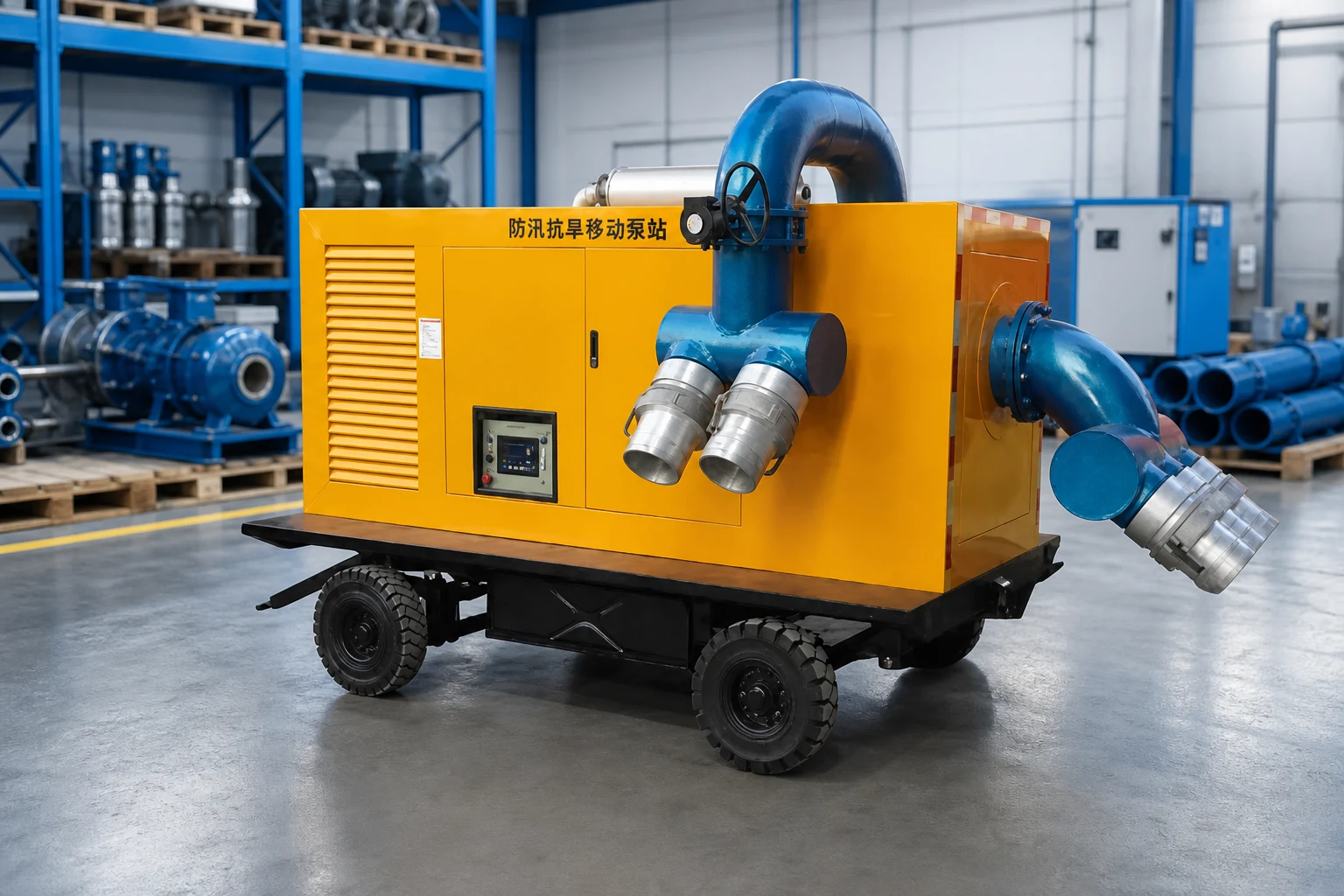
The motor and pump need the manufacturer's minimum operating depth and cooling conditions. Repeated operation below the permitted level can overheat the motor or draw air into the intake. Define pump-on, pump-off, assist, and high-alarm levels with enough spacing to control starts per hour. Floats need free movement; pressure or electronic sensors need protection from fouling and physical damage. Verify voltage, phase, frequency, cable length, voltage drop, connector and junction arrangements, grounding, overload, earth-leakage or ground-fault protection, and generator compatibility where used. Cable is not a lifting rope. Provide a rated chain, guide rail, or lifting device and keep electrical connections out of water unless specifically approved for submersion.
Plan discharge, erosion, and site safety
Identify the permitted discharge point before pumping. High-velocity water can erode soil, flood adjacent property, overload a drain, or carry sediment off site. Use settlement, filtration, energy dissipation, treatment, or controlled spreading when required by the permit and project plan. Route hoses away from traffic, sharp edges, trip paths, and excavation hazards; restrain pressurized connections using approved methods. Electrical equipment near water requires qualified installation and inspection. Excavation access, shoring, slopes, atmospheric hazards, and fall protection remain under the site's competent-person plan. Never lower a person into a wet sump to free a pump without an approved procedure. The dewatering layout should be included on the site plan and updated whenever the excavation or outlet changes.
Commission and monitor the temporary system
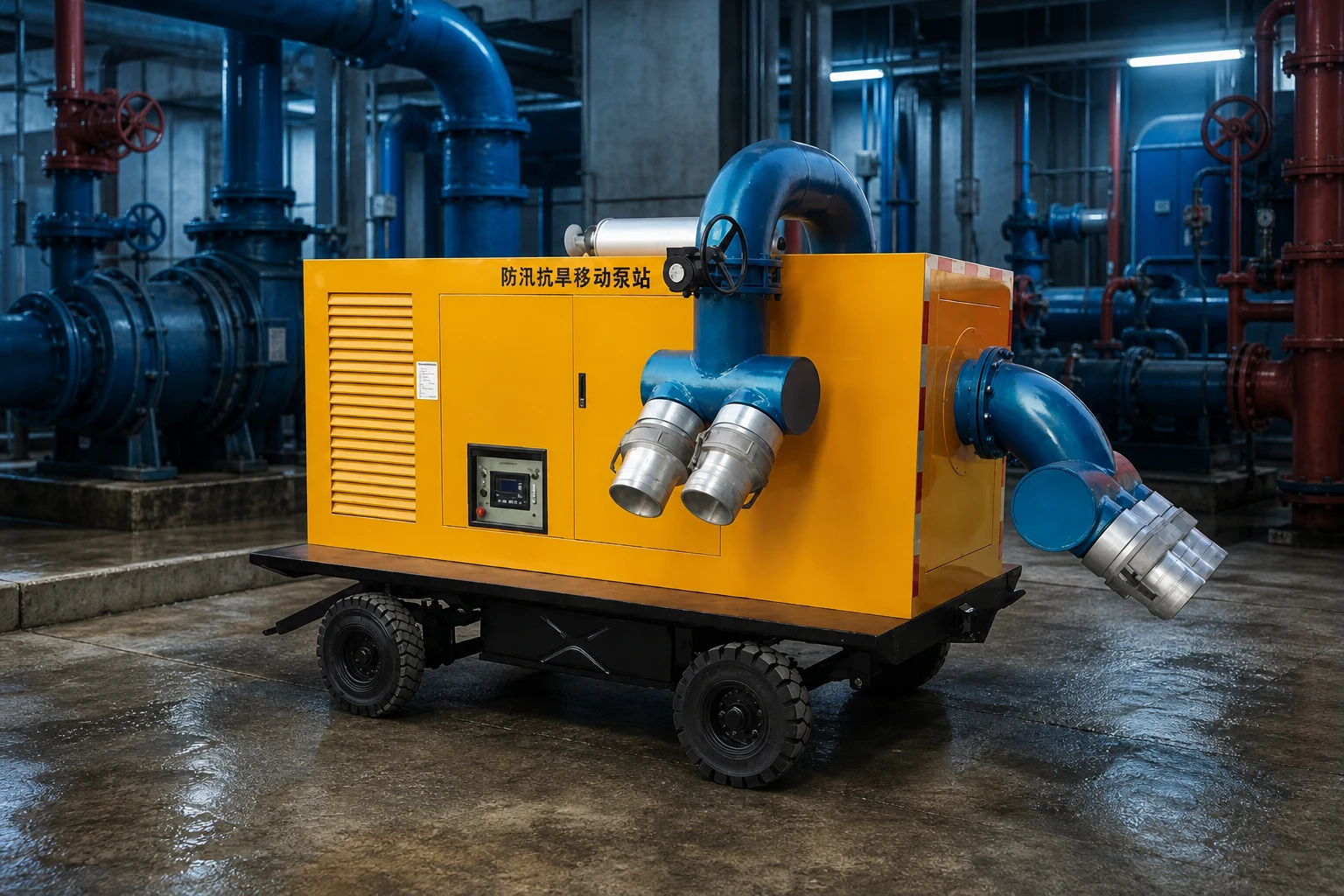
Inspect the pump, strainer, cable, lifting chain, hoses, clamps, valves, control panel, level devices, and discharge route before start. Confirm free rotation or other pre-start checks only by approved methods. Record water levels, drawdown time, estimated flow, discharge pressure where available, current, voltage, starts, vibration, noise, and visible sediment. Test automatic start, stop, assist, alarm, and standby functions. During operation, inspect for blocked strainers, buried intakes, damaged cable, leaking couplings, hose movement, erosion, cloudy discharge, overheating, and changing inflow. Clean and inspect equipment before moving it between sites to avoid carrying sediment or contamination. A monitoring log should trigger action when runtime, current, drawdown rate, or starts change materially from the baseline.
سجل الشراء والقبول
يجب أن تستخدم مقارنة الموردين الكاملة ورقة بيانات عامة واحدة. ضع نقاط التصميم والتشغيل البديلة، السائل، درجة الحرارة، المواد الصلبة، ارتفاع الموقع، الطاقة، أدوات التحكم، التركيب، ساعات التشغيل، الكمية، الوجهة، والمستندات المطلوبة في الأعلى. قم بتوحيد الاختلافات في النطاق قبل مقارنة السعر أو الكفاءة. اطلب منحنى معتمدًا أو بيانات سعة، والطاقة الممتصة، حدود التشغيل، المواد، الأبعاد، الوزن، الوصلات، المحرك أو المشغل، وحدة التحكم، الملحقات، الاختبارات، الحفظ، قطع الغيار، تعليمات التركيب، وحدود الضمان. سجل كل انحراف وافتراض غير محلل. أثناء المراجعة الفنية، تتبع كل ميزة معروضة وصولاً إلى مدخلات المشروع بدلاً من منح نقاط لميزات لا يحتاجها واجب العمل. أثناء التشغيل التجريبي، قس نفس المتغيرات المستخدمة في الاختيار بحيث يمكن مقارنة النتيجة المثبتة مع الأساس الأصلي. إذا كانت ظروف الموقع مختلفة، قم بتحديث الحساب واجصل على موافقة مسؤولة قبل تغيير المعدات أو إعدادات الحماية.
كيف يرتبط هذا الموضوع بمعدات BORRAPUMP
يدعم هذا الدليل المراجعة المبكرة لـ dewatering pump submersible مسار التطبيق. إنه لا يعين نموذجاً نهائياً أو يدعي أن تكوينًا قياسيًا واحدًا يناسب كل مشروع. أرسل نقاط التشغيل، والبيانات السائلة، ومخطط الموقع، ومصدر الطاقة، وأدوات التحكم، والكمية، والوجهة، والموافقات المطلوبة، ونطاق الفحص بحيث يمكن التحقق من المنتج المقترح مقابل الخدمة الحقيقية.
أدلة الهندسة الخاصة بـ BORRAPUMP ذات الصلة
مصادر موثوقة ومزيد من التعلم
OSHA trenching and excavation; U.S. EPA construction stormwater; m practices ممارسات العمل الكهربائي التابعة لإدارة السلامة والصحة المهنية (أوشا). توفر هذه المصادر سياقاً عاماً للسلامة أو البيئة أو الهندسة. تظل القواعد الحالية المعتمدة، ووافقات المشاريع، وتعليمات المعدات هي التي تحكم.
فيديو تعليمي من إنتاج براكتيكال إنجينيرينغ: هل المضخات تولد ضغطاً أم تدفقاً؟. إنه يوضح المبادئ الأساسية ولا يحل محل التعليمات الخاصة بالمشروع.
الأسئلة الشائعة
هل يمكنني تحديد حجم مضخة نزح المياه من قطر خرطوم التصريف؟
لا. حدد التدفق، والرأس الديناميكي الكلي، والمواد الصلبة، ودورة التشغيل، والغمر، والمنحنى أولاً؛ ثم اختر خرطومًا مناسبًا.
هل يجب أن تستقر مضخة نزح المياه الغاطسة في القاع؟
ليس تلقائياً. يمكن للرواسب السائبة أن تطمر أو تسد مدخل المياه. استخدم دليل الشركة المصنعة ومخطط الموقع لتحديد وضع مستقر.
متى تكون المضخة الاحتياطية مطلوبة؟
استخدم السعة الاحتياطية عندما تجعل عواقب الفيضان، أو عدم اليقين بشأن التدفق الوارد، أو الصيانة، أو وقت الاستجابة توفر مضخة واحدة أمراً غير مقبول.
هل يمكن تصريف المياه صافية المظهر في أي مكان؟
لا، يجب التحقق من التصاريح، والقواعد المحلية، والرواسب، والتلوث، والتعرية، وسعة نظام الاستقبال قبل التصريف.
نقطة تفتيش المشروع النهائي
قبل تأكيد الطلب أو إجراء أي تغيير ميداني، قم بمطابقة الواجب والمخططات المعتمدة مع بيانات المورد، والمواد، والأبعاد، والأوزان، والوصلات، ومشغل التشغيل، وأدوات التحكم، والملحقات، الحماية، ونطاق الاختبار، والوثائق، وقطع الغيار، وطريقة التركيب، وإمكانية الوصول للصيانة، ومتطلبات وجهة الوصول. قم بتسجيل الافتراضات المتبقية وتحديد المسؤولية عن إغلاقها. يجب أن تكون المعلومات النهائية المقبولة هي الأساس ذاته المستخدم للتركيب، والتشغيل التجريبي، والصيانة المستقبلية.