
Choose between a horizontal split case and a vertical turbine fire pump mainly from water-source geometry, suction conditions, required duty, site layout, maintenance access, driver arrangement, and approved listing. A horizontal split case pump normally needs a dependable flooded or otherwise acceptable suction arrangement and offers accessible casing inspection. A vertical turbine pump is suited to wet pits, wells, or tanks where the pumping element must remain submerged below the lowest usable water level. Keep the calculation and acceptance record with the final project documents so future tests use the same basis.
السلام والنشاط: مضخات الحريق ومحركاتها هي معدات للسلامة في الحياة. يجب أن تتوافق أعمال الأنظمة الهيدروليكية، والكهربائية، والديزل، والوقود، والبطاريات، والضغط، والمعدات الدوارة، والاختبار، وتعطيل الأنظمة مع التصميم الحالي المعتمد، وتتعليمات الشركة المصنعة، والمعايير المطبقة، والجهة المختصة ذات الصلاحية. يوضح هذا الدليل مسار القرار الهندسي؛ ولا يمنح الإذن بإجراء تعديلات ميدانية، أو تجاوزات، أو تشغيل بواسطة أشخاص غير مؤهلين.
Start with the water source
Define tank, reservoir, wet pit, well, or main; record minimum usable level, variation, sediment, water quality, and access. Treat this as a system condition rather than an isolated component choice. Identify the source of every input, the unit used, the operating condition it represents, and the person responsible for approval. If information is preliminary, mark the assumption and test how the decision changes at a conservative boundary. This prevents a neat calculation from hiding an uncertain water level, pressure, valve position, driver condition, or simultaneous demand.
For horizontal split case vs vertical turbine fire pump, verify this section against the selected pump curve, the actual site arrangement, manufacturer instructions, and the current requirements accepted by the authority having jurisdiction. Check the installed condition as well as the drawing because pipe routes, elevations, supports, controls, and access often change during construction. Record the result in a form that can be repeated during commissioning and later inspection. Do not change a safety-critical setting or isolate fire protection without the approved impairment and restoration process.
Compare suction conditions
A split case pump relies on a properly designed suction pipe and available pressure. A vertical turbine places bowls below water but requires correct submergence and intake design. The most useful evidence is measured or approved project data, not a copied rule of thumb. Identify the source of every input, the unit used, the operating condition it represents, and the person responsible for approval. If information is preliminary, mark the assumption and test how the decision changes at a conservative boundary. This prevents a neat calculation from hiding an uncertain water level, pressure, valve position, driver condition, or simultaneous demand.
For horizontal split case vs vertical turbine fire pump, verify this section against the selected pump curve, the actual site arrangement, manufacturer instructions, and the current requirements accepted by the authority having jurisdiction. Check the installed condition as well as the drawing because pipe routes, elevations, supports, controls, and access often change during construction. Record the result in a form that can be repeated during commissioning and later inspection. Do not change a safety-critical setting or isolate fire protection without the approved impairment and restoration process.
Match flow and head
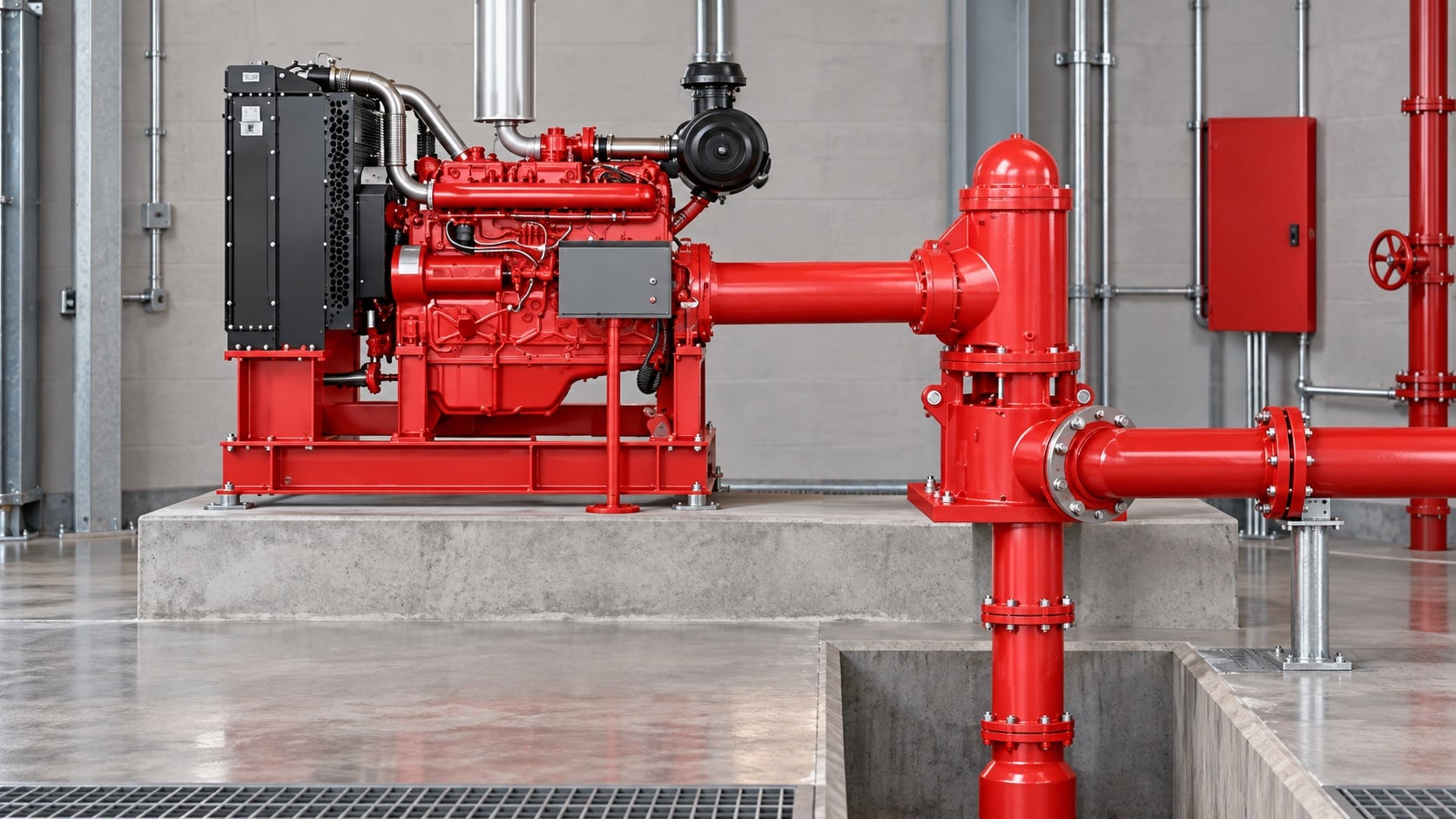
Use certified curves for the required duty and test range. Confirm driver power, speed, pressure limits, and suction or submergence criteria. Review this condition at normal, test, and credible abnormal states before procurement. Identify the source of every input, the unit used, the operating condition it represents, and the person responsible for approval. If information is preliminary, mark the assumption and test how the decision changes at a conservative boundary. This prevents a neat calculation from hiding an uncertain water level, pressure, valve position, driver condition, or simultaneous demand.
For horizontal split case vs vertical turbine fire pump, verify this section against the selected pump curve, the actual site arrangement, manufacturer instructions, and the current requirements accepted by the authority having jurisdiction. Check the installed condition as well as the drawing because pipe routes, elevations, supports, controls, and access often change during construction. Record the result in a form that can be repeated during commissioning and later inspection. Do not change a safety-critical setting or isolate fire protection without the approved impairment and restoration process.
Review footprint and structure
Split case units need horizontal floor space and pipe access. Vertical turbine units need a pit or well, vertical clearance, discharge head support, and a removal path. The design team should turn this point into a traceable calculation or drawing note. Identify the source of every input, the unit used, the operating condition it represents, and the person responsible for approval. If information is preliminary, mark the assumption and test how the decision changes at a conservative boundary. This prevents a neat calculation from hiding an uncertain water level, pressure, valve position, driver condition, or simultaneous demand.
For horizontal split case vs vertical turbine fire pump, verify this section against the selected pump curve, the actual site arrangement, manufacturer instructions, and the current requirements accepted by the authority having jurisdiction. Check the installed condition as well as the drawing because pipe routes, elevations, supports, controls, and access often change during construction. Record the result in a form that can be repeated during commissioning and later inspection. Do not change a safety-critical setting or isolate fire protection without the approved impairment and restoration process.
جدول قرارات عملي
| عامل القرار | Horizontal split case | Vertical turbine |
|---|---|---|
| Typical source arrangement | Flooded or acceptable suction piping | Wet pit, tank, reservoir, or well |
| Pump element location | In pump room on base | Bowls submerged below water |
| Space demand | More horizontal floor space | More vertical and lifting clearance |
| Suction design focus | Pipe velocity, loss, fittings, air | Submergence, intake flow, vortices |
| Maintenance access | Casing split gives rotor access | Column and bowls may need lifting |
| Structural need | Base and aligned piping | Discharge head, pit, column support |
Plan maintenance
Split casings can provide rotor access without removing all piping. Vertical turbines may require lifting the column and bowl assembly from the source. Treat this as a system condition rather than an isolated component choice. Identify the source of every input, the unit used, the operating condition it represents, and the person responsible for approval. If information is preliminary, mark the assumption and test how the decision changes at a conservative boundary. This prevents a neat calculation from hiding an uncertain water level, pressure, valve position, driver condition, or simultaneous demand.
For horizontal split case vs vertical turbine fire pump, verify this section against the selected pump curve, the actual site arrangement, manufacturer instructions, and the current requirements accepted by the authority having jurisdiction. Check the installed condition as well as the drawing because pipe routes, elevations, supports, controls, and access often change during construction. Record the result in a form that can be repeated during commissioning and later inspection. Do not change a safety-critical setting or isolate fire protection without the approved impairment and restoration process.
Coordinate drivers
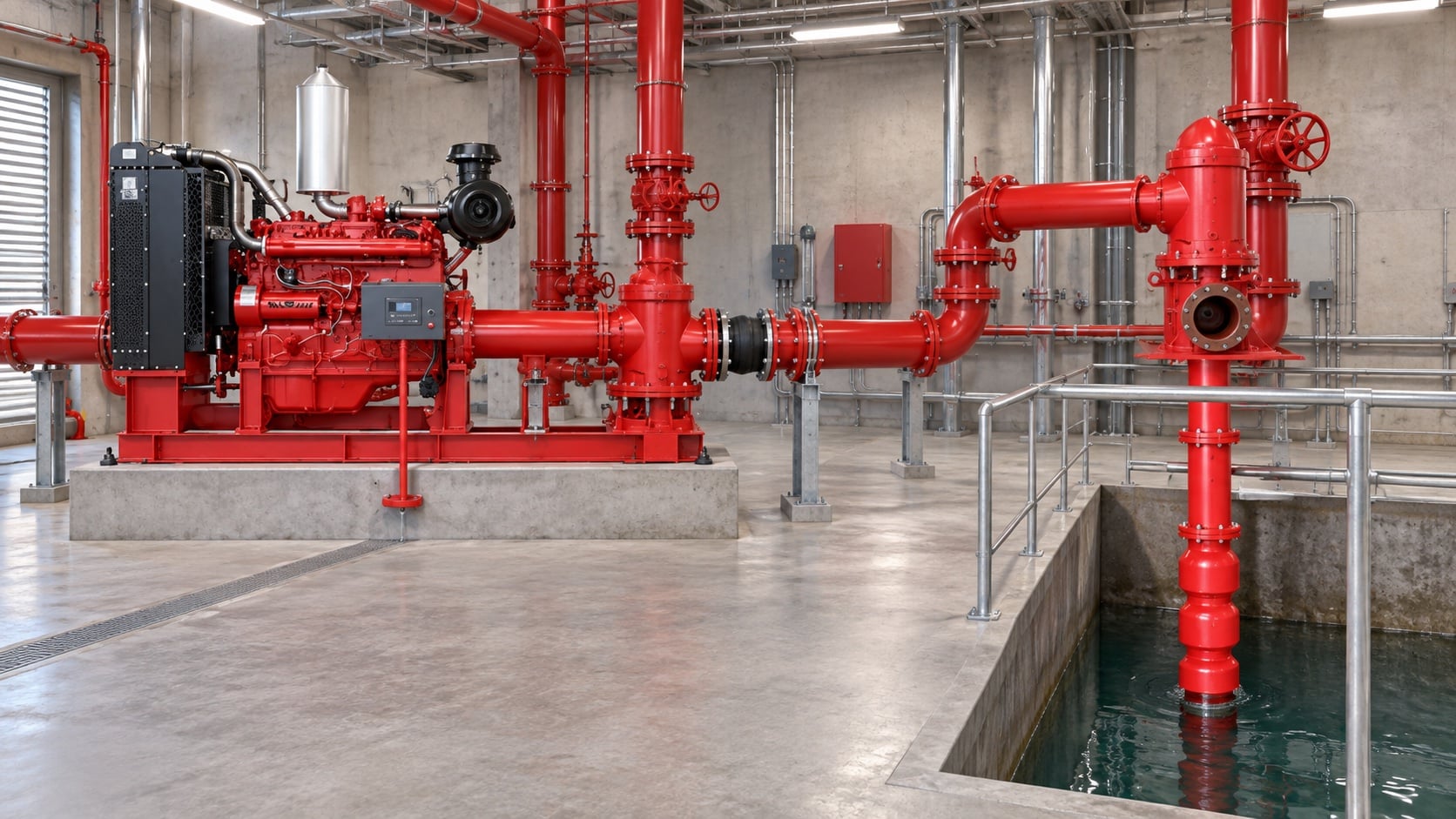
Both arrangements can use approved electric or diesel drivers in suitable configurations. Review shafting, gear drives where applicable, alignment, cooling, and controls. The most useful evidence is measured or approved project data, not a copied rule of thumb. Identify the source of every input, the unit used, the operating condition it represents, and the person responsible for approval. If information is preliminary, mark the assumption and test how the decision changes at a conservative boundary. This prevents a neat calculation from hiding an uncertain water level, pressure, valve position, driver condition, or simultaneous demand.
For horizontal split case vs vertical turbine fire pump, verify this section against the selected pump curve, the actual site arrangement, manufacturer instructions, and the current requirements accepted by the authority having jurisdiction. Check the installed condition as well as the drawing because pipe routes, elevations, supports, controls, and access often change during construction. Record the result in a form that can be repeated during commissioning and later inspection. Do not change a safety-critical setting or isolate fire protection without the approved impairment and restoration process.
Control intake hydraulics
Prevent vortexing, air entrainment, sediment pickup, uneven approach flow, and inadequate submergence through an approved intake design. Review this condition at normal, test, and credible abnormal states before procurement. Identify the source of every input, the unit used, the operating condition it represents, and the person responsible for approval. If information is preliminary, mark the assumption and test how the decision changes at a conservative boundary. This prevents a neat calculation from hiding an uncertain water level, pressure, valve position, driver condition, or simultaneous demand.
For horizontal split case vs vertical turbine fire pump, verify this section against the selected pump curve, the actual site arrangement, manufacturer instructions, and the current requirements accepted by the authority having jurisdiction. Check the installed condition as well as the drawing because pipe routes, elevations, supports, controls, and access often change during construction. Record the result in a form that can be repeated during commissioning and later inspection. Do not change a safety-critical setting or isolate fire protection without the approved impairment and restoration process.
Specify procurement and testing
Include source geometry, minimum water level, duty, materials, driver, installation drawings, certified performance, vibration checks, and witnessed testing. The design team should turn this point into a traceable calculation or drawing note. Identify the source of every input, the unit used, the operating condition it represents, and the person responsible for approval. If information is preliminary, mark the assumption and test how the decision changes at a conservative boundary. This prevents a neat calculation from hiding an uncertain water level, pressure, valve position, driver condition, or simultaneous demand.
For horizontal split case vs vertical turbine fire pump, verify this section against the selected pump curve, the actual site arrangement, manufacturer instructions, and the current requirements accepted by the authority having jurisdiction. Check the installed condition as well as the drawing because pipe routes, elevations, supports, controls, and access often change during construction. Record the result in a form that can be repeated during commissioning and later inspection. Do not change a safety-critical setting or isolate fire protection without the approved impairment and restoration process.
كيف يرتبط هذا بمعدات BORRAPUMP
توفر شركة BORRAPUMP معدات ضخ هندسية لمشاريع المياه والحماية من الحريق. راجع ما يخص ذلك تكوين منتج BORRAPUMP كمنطلق، ثم قم بتقديم التدفق المطلوب، والرأس، ومصدر المياه، والمشغل، والطاقة، وأدوات التحكم، وظروف الموقع، والمتطلبات المطبقة، والكمية، والوجهة. يجب أن يستخدم الاختيار النهائي الأساس الهيدروليكي للمشروع والتقديم المعتمد؛ لا يدعي هذا الدليل أن ترتيباً واحداً في الكتالوج يناسب كل اختصاص أو مخاطرة.
أدلة BORRAPUMP ذات الصلة
- دليل اختبار قبول المعيار NFPA 20
- دليل الفحص والاختبار وفقاً للمواصفة NFPA 25
- jockey pump package guide
مراجع موثوقة
تحدد المصادر التالية حدود المعايير، وسياق السلامة من الحرائق، ومبادئ نظام المضخات المستخدمة في هذا الدليل. قم دائماً بتطبيق الإصدار والاعتماد المحلي المقبول للمشروع.
- صفحة تطوير معيار NFPA 20
- موارد أنظمة المضخات التابعة لوزارة الطاقة الأمريكية
- أبحاث المعهد الوطني للمعايير والتقنية (نيست) للحماية من الحريق
فيديو تعليمي
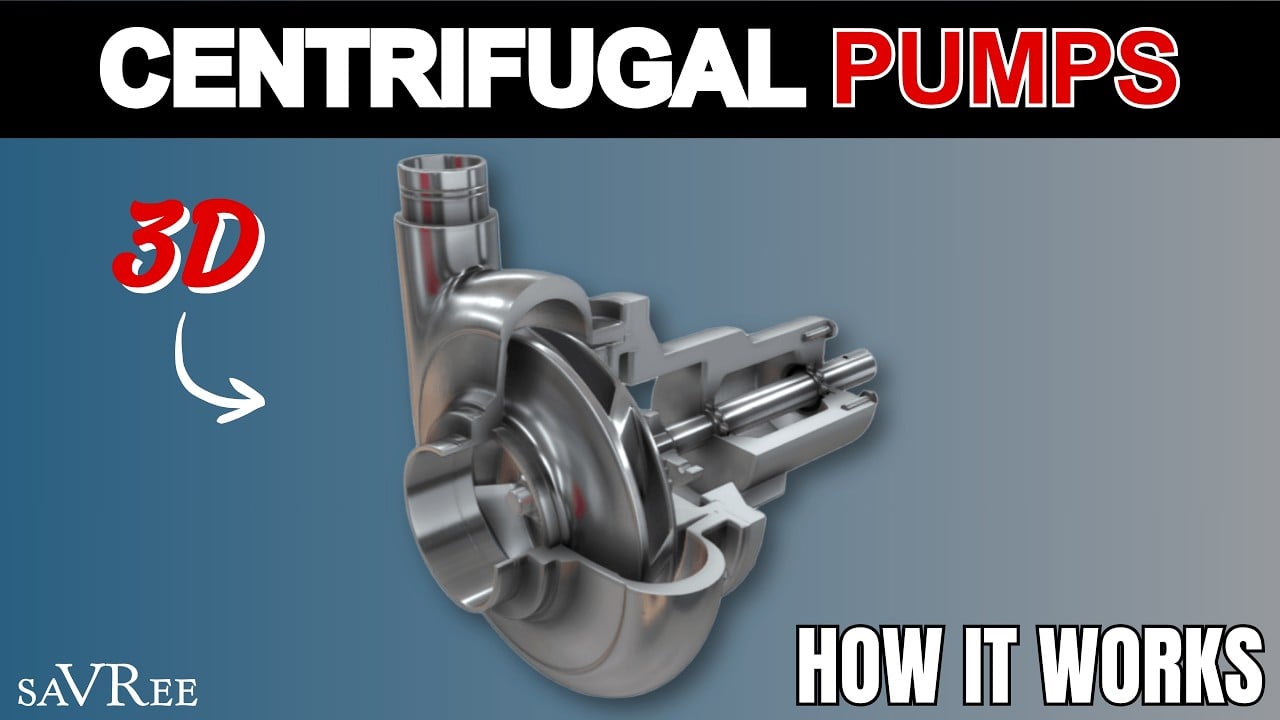
الخلفية التعليمية بواسطة saVRee: كيف تعمل المضخات الطاردة المركزية. يدعم الفيديو مفهوم الهندسة الأساسي ولا يحل محل متطلبات الحماية من الحريق الخاصة بالمشروع.
الأسئلة الشائعة
Is a vertical turbine pump always better for a tank?
No. The choice depends on tank geometry, minimum level, duty, access, structure, maintenance, and approved design.
Can a split case pump lift water from below?
Use only an acceptable suction arrangement supported by hydraulic analysis and applicable requirements; avoid unsupported assumptions.
أي مضخة أسهل في الصيانة؟
Split case internals are often more accessible in the room, while vertical turbine maintenance needs lifting access; actual design matters.
What intake information does a vertical turbine supplier need?
Provide pit or tank geometry, water levels, submergence, approach flow, sediment, water quality, duty, driver, and site constraints.
قائمة التحقق من التحقق النهائي
قبل الموافقة، قم بتأكيد الأساس الهيدروليكي، وحالة مصدر المياه، ومنحنى المضخة المختار، وبيانات المحرك ووحدة التحكم، وتصنيفات ضغط المكونات، وترتيب الصمامات، وطريقة الاختبار، وسُبل الوصول، والصرف، والإنذارات، وإجراءات إعادة التشغيل. قم بحل أي اختلافات بين المخططات والنظام المُركَّب. وأثناء التشغيل التجريبي، استخدم أدوات معايرة وسجّل ضغط السحب، وضغط الطرد، ومعدل التدفق، والسرعة، وحالة المحرك، والإنذارات، والملاحظات غير الطبيعية عند كل نقطة مطلوبة. احتفظ بالنتائج المقبولة مع سجلات غرفة المضخات لكي تُقارن عمليات الفحص اللاحقة النتائج المتشابهة ببعضها.