
In a centrifugal vs diaphragm pump comparison, centrifugal pumps are generally favored for continuous, relatively smooth high-flow service with low-to-moderate viscosity, while diaphragm pumps are favored for positive-displacement metering, intermittent transfer, self-priming arrangements, higher-viscosity liquids, or duties that benefit from dry-running and solids-handling capabilities available in the specific design. Neither type is universally better. Select from flow, pressure, viscosity, solids, shear sensitivity, suction conditions, leakage tolerance, pulsation, control range, materials, energy, air or electricity, and maintenance evidence for the actual liquid.
This guide is an early engineering and procurement framework, not a replacement for approved project design, current regulations, manufacturer instructions, or qualified site supervision. Electrical work, energized testing, lifting, confined-space entry, fire-protection work, excavation, hazardous liquids, wastewater, and pressurized systems require task-specific procedures and competent personnel. Preserve automatic protection and system availability while investigating faults. If the actual liquid, duty, site condition, or governing requirement differs from the assumptions, stop and obtain a revised technical review.
- Compare the operating principles
- Match flow, pressure, and system response
- Evaluate viscosity, solids, gas, and shear
- Compare suction, priming, and dry-run behavior
- Compare power, control, noise, and lifecycle work
- Choose materials and verify the procurement boundary
- Decision table
- Frequently asked questions
Compare the operating principles
A centrifugal pump uses a rotating impeller to add velocity and head. Its flow changes as system resistance changes, and it normally performs best within a defined curve range. A diaphragm pump cyclically changes chamber volume with a flexible diaphragm and check valves, moving a discrete volume each stroke. Many diaphragm designs are positive displacement, so they can build pressure against a restriction until a relief path, drive limit, or component limit is reached. Their flow can be more directly related to stroke rate or cycle rate but is pulsating unless damped. The exact behavior depends on whether the diaphragm pump is air-operated, mechanically driven, hydraulically driven, or metering type. The comparison must name the actual designs; broad type labels do not replace model data.
Match flow, pressure, and system response
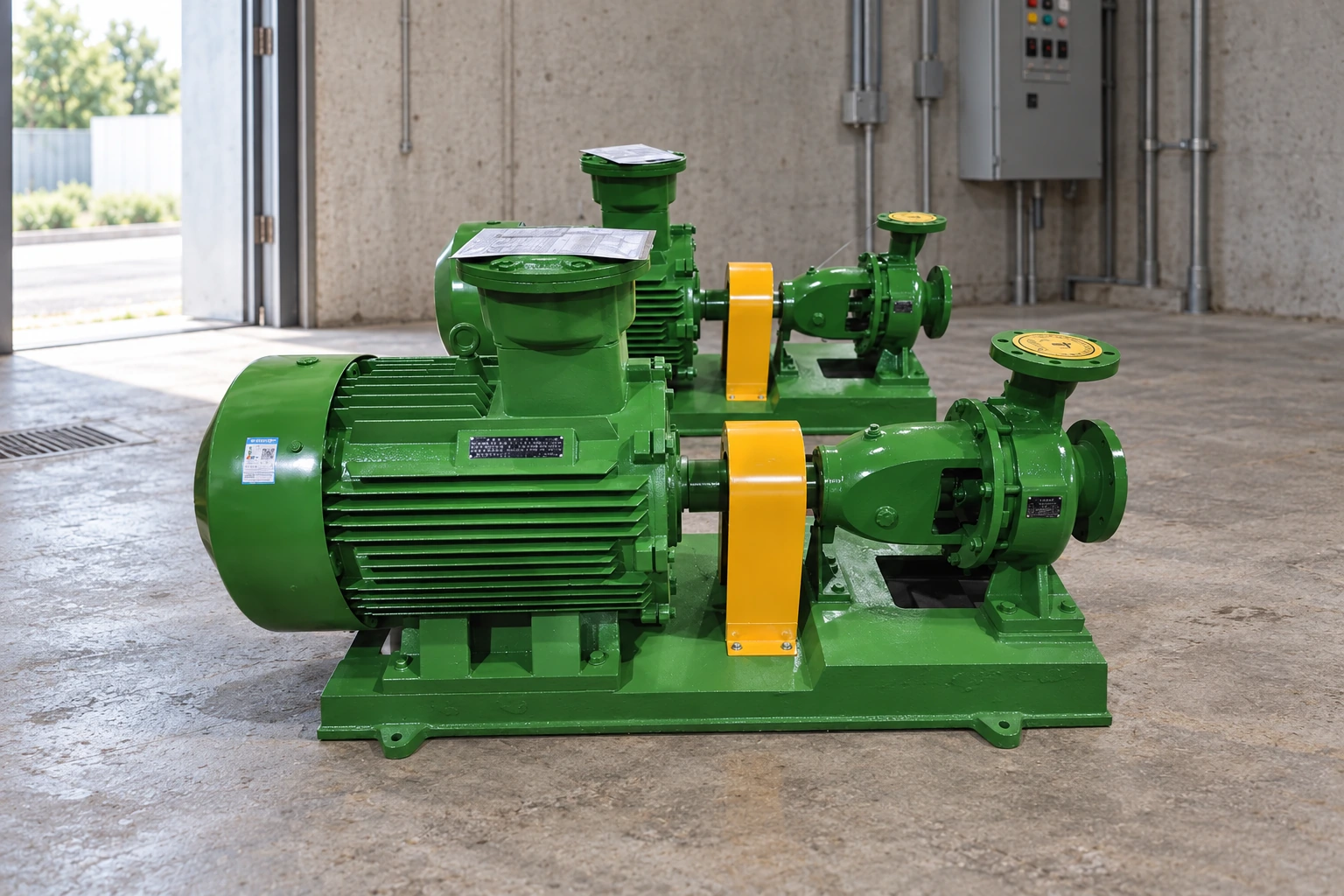
Centrifugal pumps commonly provide smooth flow and can be efficient at larger continuous duties when the operating point is near the intended region. Throttling or speed changes shift their operating point. Diaphragm pumps can maintain displacement over changing pressure within slip, compressibility, check-valve, and drive limits, which suits dosing or transfer with variable resistance. Their pulsation can affect piping, instruments, hoses, and process control; dampeners and proper pipe sizing may be required. Never close the discharge of a positive-displacement pump without an approved relief or pressure-control path. Build normal, minimum, maximum, startup, blocked-line, and cleaning cases. Compare required flow range and discharge pressure with each manufacturer's curves, capacity data, and permitted operating envelope.
Evaluate viscosity, solids, gas, and shear
Centrifugal pump performance can change materially as viscosity rises because friction and hydraulic losses increase. Standard designs may lose prime or performance when gas enters the suction, although specialized centrifugal configurations exist. Diaphragm pumps can handle many viscous, gas-containing, shear-sensitive, or solids-bearing liquids, subject to valve, passage, diaphragm, speed, and material limits. Solids can hold a diaphragm pump check valve open, while fibrous material can obstruct either type. Large particles, abrasiveness, settling behavior, and solids concentration should be stated, not summarized as dirty water. For sensitive emulsions, polymers, foods, slurries, or chemicals, ask for shear, contamination, and cleaning requirements. Test data on the actual liquid is more useful than a generic application list.
Project decision table
| Decision factor | Centrifugal pump tendency | Diaphragm pump tendency |
|---|---|---|
| Flow character | Smooth, system-curve dependent | Pulsating positive displacement |
| Typical strength | Continuous medium/high flow near design point | Metering, variable pressure, difficult liquids |
| Viscosity sensitivity | Performance often declines as viscosity rises | Can suit higher viscosity within valve/drive limits |
| Priming | Often flooded or separately primed | Many designs self-prime; verify actual lift |
| Blocked discharge | Moves toward shutoff; heat/minimum-flow limits matter | Requires approved pressure relief path |
| Maintenance focus | Seal, bearings, impeller, alignment | Diaphragm, checks, air valve or drive |
Compare suction, priming, and dry-run behavior
Many centrifugal pumps need flooded suction or a separate priming arrangement; ordinary end suction pumps are not self-priming. Net positive suction head available must exceed the required margin under the project criteria. Some diaphragm pumps can self-prime and tolerate dry operation, but lift, cycle rate, valve condition, elastomer temperature, and liquid vapor characteristics still limit performance. Air-operated diaphragm pumps also depend on clean, adequately sized compressed air and can ice or lose efficiency under some conditions. Suction hose collapse, air leaks, undersized piping, and high viscosity affect both types. Request priming performance at the real lift and liquid, not a water test at ideal conditions.
Compare power, control, noise, and lifecycle work
An efficient electric centrifugal pump can offer low energy cost for a stable continuous duty, especially under suitable variable-speed control. An air-operated diaphragm pump converts compressed air that may be expensive to generate and can be noisy, while offering simple stall behavior and hazardous-area advantages in some approved systems. Electrically or mechanically driven diaphragm pumps have different efficiency and control characteristics. Compare total utilities, motor or air system, controls, pulsation equipment, valves, relief protection, foundations, hoses, spares, and labor. Centrifugal maintenance often centers on seals, bearings, wear rings, and alignment; diaphragm maintenance centers on diaphragms, check balls or valves, seats, air valves, and fasteners. Use expected cycles and liquid compatibility to estimate service needs.
Choose materials and verify the procurement boundary
List every wetted material: casing or body, impeller, diaphragm, balls, seats, shaft, seal faces, gaskets, elastomers, fasteners, and coatings. Chemical names, concentration, temperature, cleaning fluids, solids, and upset conditions are required for compatibility review. A metal name alone does not establish seal or diaphragm suitability. Define connections, pressure ratings, relief, drain and vent, containment, leakage detection, grounding, guards, base or trolley, instruments, air treatment, motor, drive, controls, test liquid, and documentation. If the application includes hazardous or sanitary requirements, involve the responsible specialists and current approvals. The safest choice is the model supported by complete liquid and operating data, not the type with the longest list of theoretical advantages.
Procurement and acceptance record
A complete supplier comparison should use one common data sheet. Put the design and alternate duty points, liquid, temperature, solids, site elevation, power, controls, installation, operating hours, quantity, destination, and required documents at the top. Normalize differences in scope before comparing price or efficiency. Request a certified curve or capacity data, absorbed power, operating limits, materials, dimensions, weight, connections, motor or driver, controller, accessories, tests, preservation, spare parts, installation instructions, and warranty boundary. Record every deviation and unresolved assumption. During technical review, trace each offered feature back to a project input instead of awarding points for features that the duty does not need. During commissioning, measure the same variables used for selection so the installed result can be compared with the original basis. If field conditions differ, update the calculation and obtain responsible approval before changing equipment or protection settings.
How this topic connects to BORRAPUMP equipment
This guide supports early review of the centrifugal vs diaphragm pump application route. It does not assign a final model or claim that one standard configuration fits every project. Send the duty points, liquid data, site drawing, power supply, controls, quantity, destination, required approvals, and inspection scope so the proposed product can be checked against the real service.
Related BORRAPUMP engineering guides
Authoritative sources and further learning
U.S. Department of Energy pump systems; Hydraulic Institute resources; OSHA process safety management. These sources provide general safety, environmental, or engineering context. The current adopted rules, project approvals, and equipment instructions remain controlling.
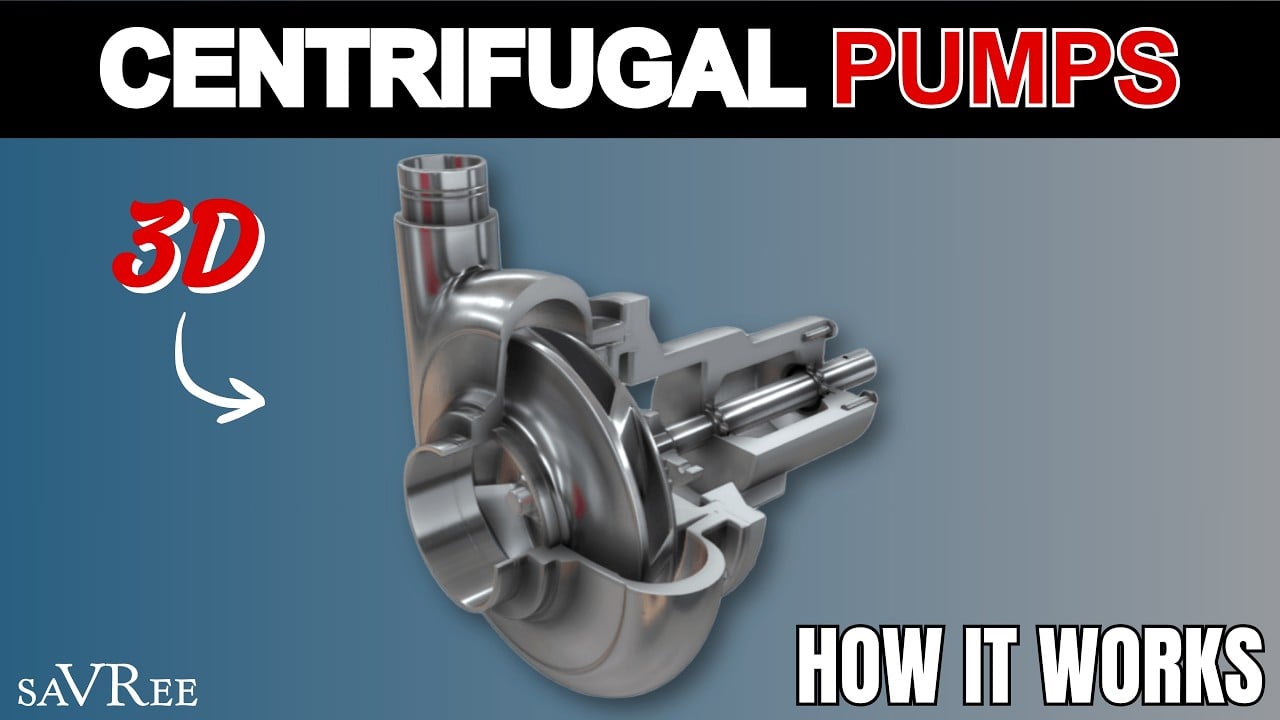
Educational video by saVRee: How Centrifugal Pumps Work. It explains background principles and does not replace project-specific instructions.
Frequently asked questions
Which pump is better for high flow?
A centrifugal pump often fits continuous high-flow service, but the actual duty, liquid, head, efficiency, and operating range must be checked.
Can a diaphragm pump run against a closed valve?
A positive-displacement pump can build damaging pressure. Provide the approved relief or pressure-control path and never assume stalling is sufficient.
Which type handles viscous liquids better?
Diaphragm pumps often suit higher viscosity, but valve passage, speed, suction, temperature, and material limits still apply.
Are all diaphragm pumps air operated?
No. Designs include air-operated, mechanical, hydraulic, and metering arrangements with different performance and controls.
Final project checkpoint
Before order placement or field change, reconcile the approved duty and drawings with the supplier data, materials, dimensions, weights, connections, driver, controls, accessories, protection, test scope, documentation, spare parts, installation method, maintenance access, and destination requirements. Record remaining assumptions and assign responsibility for closing them. The final accepted information should be the same basis used for installation, commissioning, and future maintenance.