
The phrase “self-priming pump vs non-self-priming pump” is useful for an early comparison, but it cannot choose equipment by itself. A project team needs the same documented suction context, operating record, interfaces, and open questions for both alternatives.
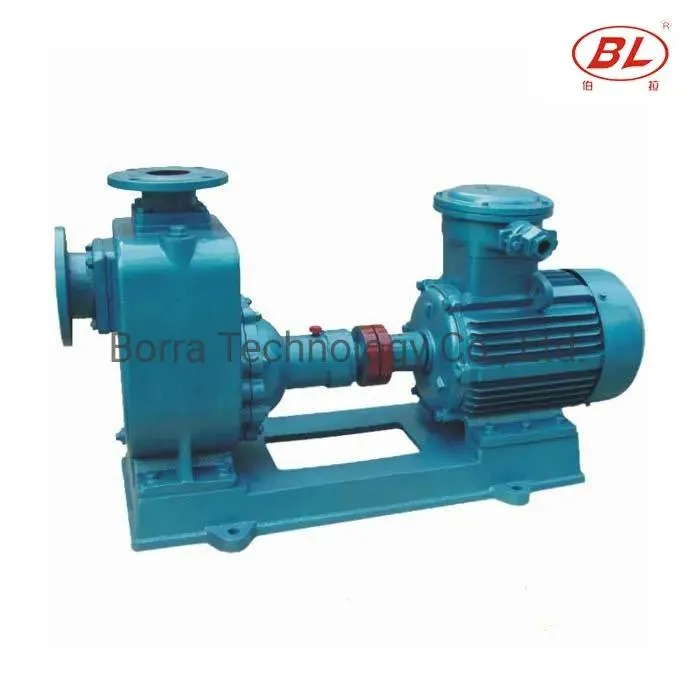
Part 1. Set a Comparison Boundary
The useful first question is not which label is better. It is whether both alternatives are being reviewed against the same documented system context. A comparison becomes meaningful only after the project team has named the boundaries of the review.
That boundary should include the available drawing or record, the source-side context, known interfaces, operating expectations, and questions that remain unanswered. This article organizes those records; it does not prescribe how to start, prime, install, or select a pump.
Part 2. Read Labels as Project Questions
Search results commonly frame the two labels around air, priming, restart context, and application differences. These signals can help a buyer ask better questions, but they do not establish a final operating conclusion for a particular site.
Important: A general comparison cannot confirm a final product fit, installation method, or safety outcome. Those matters depend on the project record and the controlled site process. The Hydraulic Institute provides pump-industry resources, while an individual project still needs its own documented review.
Use the labels to organize what must be checked. Do not convert a general explanation into an unverified assumption about a real system.
Part 3. Separate Labels From Operating Records
A product label is only one part of the review. The project record should show the context in which the alternative is being considered, the interfaces it must respect, and the information not yet supplied.
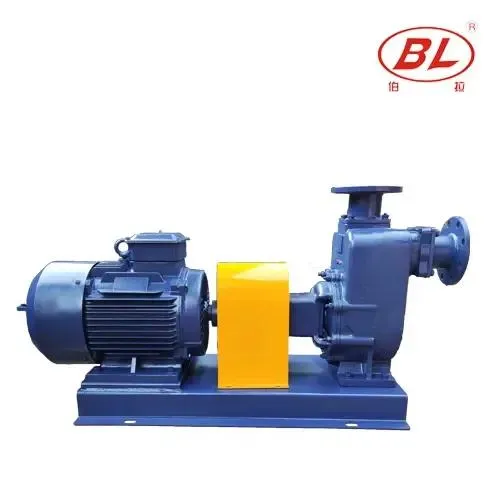
The self-priming pump definition guide is useful related reading for terminology. It is not a substitute for a project record or an instruction to apply a model.
Part 4. Use One Review Matrix
Use one comparison record for both alternatives. When an item is not supported by the documents, mark it open. This helps the team distinguish a stated condition from an assumption.
| Review heading | What to capture | Boundary to retain |
|---|---|---|
| Document context | Drawing, record, and revision supplied | Do not infer missing system facts. |
| Source-side context | Written description of the relevant interface | A label alone is not an operating conclusion. |
| Operating record | Stated duty context and known constraints | Do not assign performance values. |
| Open items | Questions for supplier or project reviewer | An unanswered point remains open. |
For a different document-reading lens, see the self-priming pump diagram guide. It helps with terminology but does not determine final fit.
Part 5. Put Comparison Inputs Into the RFQ
The RFQ should give the supplier sufficient material to state the scope of its response. This table is a document checklist, not a procedure, performance promise, or selection rule.
| Buyer should provide | Ask the response to state | Keep open until confirmed |
|---|---|---|
| Project reference and document revision | The scope being addressed | Unlisted operating conditions |
| Relevant interface information | Assumptions and document list | Final system fit |
| Required response format | Clarifying questions | Material, performance, and availability details |
| Known exclusions | Any boundary not covered | Approval or installation outcome |
The self-priming pump suction-lift article is related reading for project questions, not a calculation or operating instruction for this comparison.
Part 6. Use Product Pages as Inquiry Routes
The ZX Self-Priming Water Pump for Irrigation page is a route for a documented enquiry. It does not make the product a final recommendation for the project described by a general comparison search.
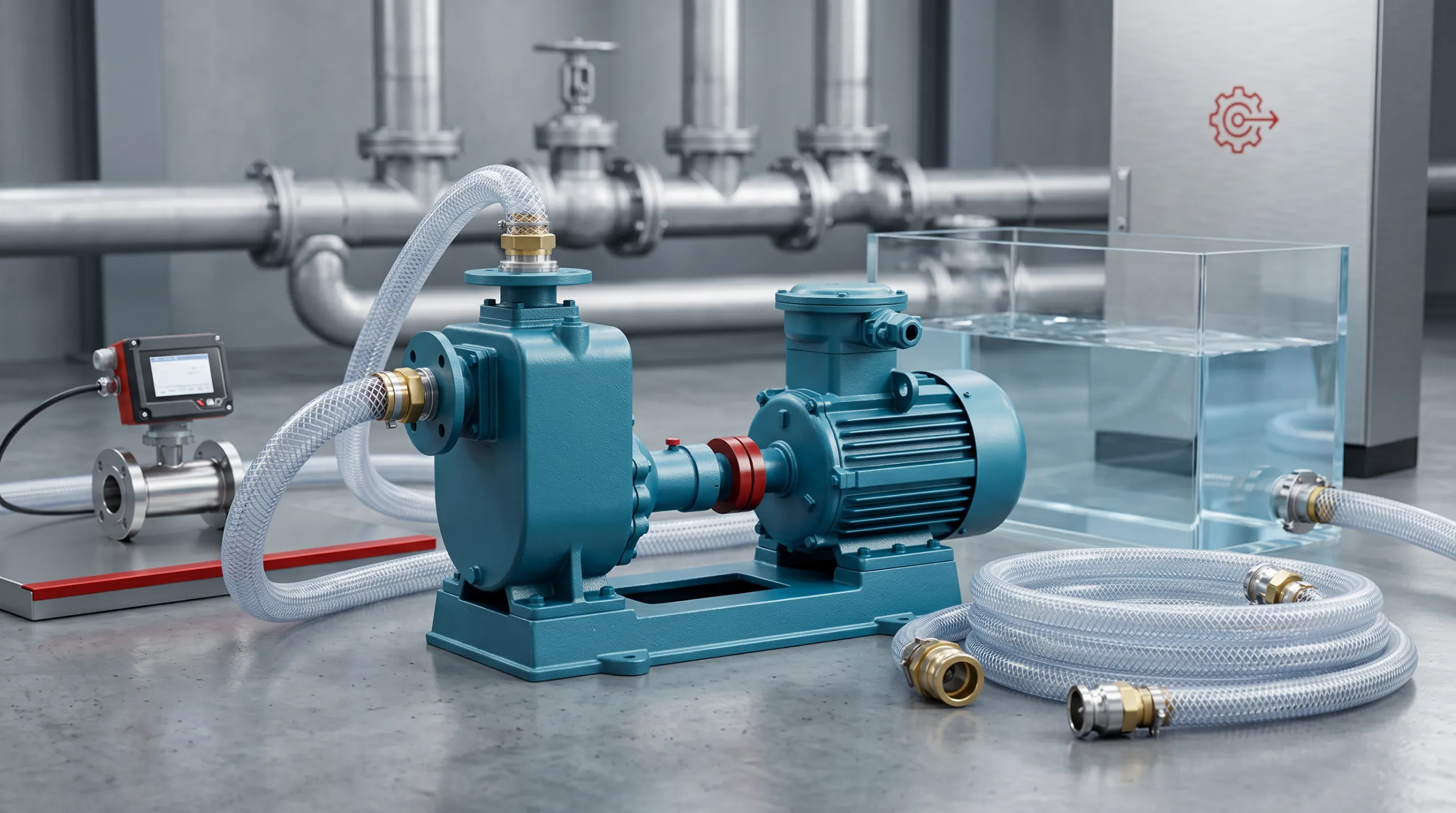
Product recommendation: use the ZX page to identify a family for discussion, then send documented project inputs for a scoped response. Do not recommend a final model from this article because no verified system conditions, approval basis, or complete operating record is available.
Part 7. Keep Unresolved Items Visible
When the comparison reaches procurement or project review, preserve the input documents, supplier statements, and questions that remain open in the same record. A short list of unresolved items is more useful than an unstated assumption.
The practical output is not a universal choice. It is a clearer handoff for the people who hold the project documents and need to confirm the next decision.
FAQs
What should a self-priming pump comparison review first?
Start with the shared project-document context, relevant interfaces, operating records, and open questions. Both alternatives should be reviewed against the same written basis.
What does non-self-priming mean in this comparison?
Here it is a comparison label that prompts the team to check the documented context. It does not provide an operating instruction or prove how a specific system will behave.
Does this article provide a priming procedure?
No. This page does not provide startup, priming, installation, or troubleshooting steps. Use controlled project procedures and the appropriate qualified review process.
Which documents support the review?
Provide the project reference, relevant drawing or record revision, interface information, required response format, and known exclusions. Keep missing information open for clarification.
Can this comparison select a product?
No. This article does not confirm performance, material, certification, approval, installation requirements, or final project fit. A product conclusion needs documented project inputs and supplier confirmation.
How should two alternatives be reviewed?
Use one matrix that records document context, written source-side information, operating records, and open items for both alternatives. Compare only the facts that are actually stated.