
A mobile pump service-test record should identify the unit, stated duty, source and discharge route, observed condition, responsible roles, stop criteria, and unresolved items before anyone treats a service activity as complete. This project-review guide does not provide a model-specific test method or a pass/fail result.
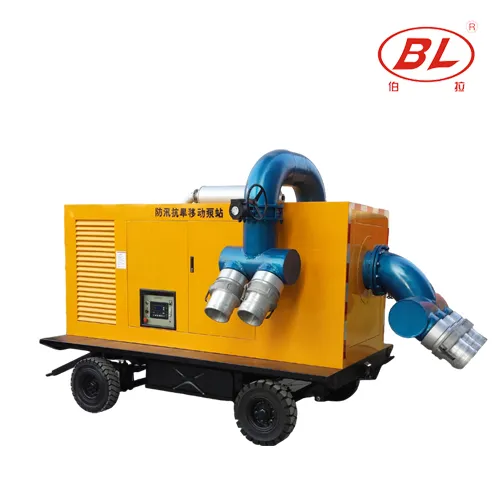
Part 1. Begin With a Controlled Service Record
Service testing is more useful when the team can state what unit was reviewed, what job it was meant to perform, and what was actually observed. A generic checklist without those fields can hide a changed route, different liquid, or incomplete handover. The BORRAPUMP Drainage Pump guide provides related cluster context.
| Record section | What to capture | Why it matters |
|---|---|---|
| Unit identity | Model reference, asset tag, and available documentation | Keeps the review tied to a real unit |
| Duty statement | Source, destination, liquid, and intended outcome | Prevents an undefined test |
| Responsible role | Operator, reviewer, and escalation contact | Makes decisions traceable |
| Closeout status | Completed observation and unresolved item | Avoids a false completion claim |
Part 2. Identify the Unit and Stated Duty
Before any service activity, record the intended application, source condition, discharge destination, route, driver context, and available documentation. This is not an invitation to invent performance values. It is the minimum context needed to compare the observed condition with the project’s stated duty.
| Review field | Record before service work | Escalate when |
|---|---|---|
| Application | Drainage, dewatering, trash-water, or another stated job | The job is unclear |
| Source and liquid | Access, visible debris, and known condition | Liquid conditions are unknown |
| Discharge route | Hose path, fittings, elevation notes, destination | The route has changed or is incomplete |
| Driver context | Stated power or engine context | Documentation does not match the unit |
| Documents | Current manual, job record, and prior observation | No controlling information is available |
For application selection rather than service records, see Mobile Drainage Pump for Construction Sites.
Part 3. Record the Route and Observed Condition
Document what is visible and verifiable at the time of review: connection condition, hose routing, access, leakage evidence, damage, labels, and the destination condition. Observation is not proof of model performance, but it helps the team know what must be corrected or escalated before a further decision.
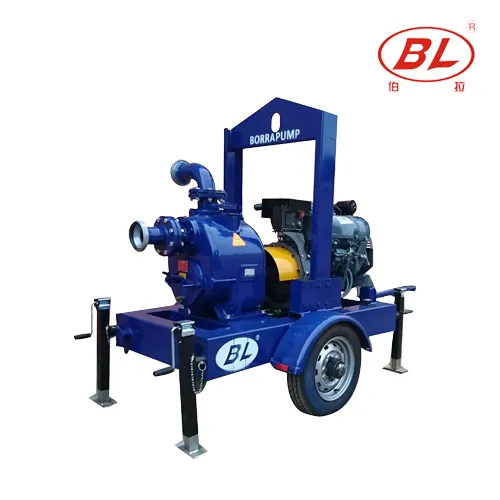
| Observation area | Record objectively | Do not conclude |
|---|---|---|
| Connections | Visible coupling, hose, and support condition | A hidden internal condition is acceptable |
| Route | Obstruction, protection, and destination notes | Straight-line distance defines duty |
| Unit exterior | Labels, guards, leaks, or visible damage | Performance or remaining life |
| Work area | Access, footing, traffic, and communication | Site safety approval |
The Dewatering Pump Discharge Hose article provides supporting route-review context. Use actual service documentation for the unit-specific decision.
Part 4. Define Stop Criteria and Escalation
A service record should state when the activity stops and who receives the issue. Examples include a changed liquid condition, incomplete route record, visible damage, loss of controlled access, or an unresolved documentation mismatch. The point is to make escalation timely, not to turn a blog checklist into a maintenance authorization.
| Trigger | Record action | Responsible review |
|---|---|---|
| Duty or liquid changed | Pause and update the record | Project or service lead |
| Route or connection concern | Mark location and prevent assumption | Responsible installer / reviewer |
| Documentation mismatch | Stop relying on generic guidance | Equipment documentation owner |
| Unresolved observation | Create an issue record | Assigned project contact |
Important: A visual review or a general checklist does not prove performance, certification, approval, or compliance. Hydraulic Institute resources provide general system context; use current product instructions and responsible site procedures for a real service decision.
Part 5. Send a Scoped Service Inquiry
When a service question requires supplier input, send the actual service record rather than a one-line request. That makes a mobile drainage or trailer-pump discussion more specific without asking anyone to guess the route, liquid, access, or observed condition.
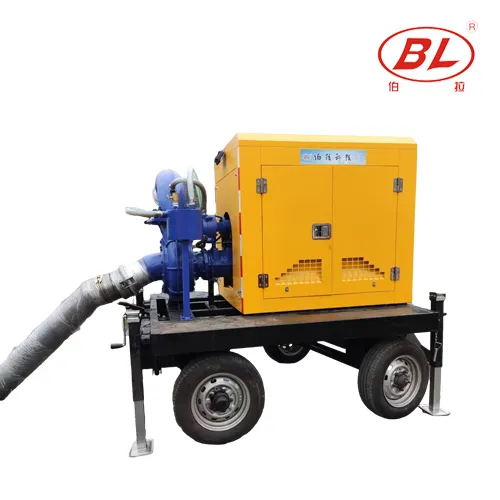
| Documented discussion | BORRAPUMP route | Send with quote or service inquiry |
|---|---|---|
| Mobile drainage review | CHWY Mobile Diesel Engine Drain Pump | Unit identity, stated duty, source/liquid, route, driver context, observations, documents, destination |
| Trailer trash-water review | SCPY Trash Water Trailer Pump | Application, debris description, route, access, observations, required documents, destination |
| Mobile trailer route review | ZBCY discussion after records are complete | Application, route, driver context, observations, destination |
Share the record with BORRAPUMP for a scoped discussion. It does not establish a service result or product suitability.
Part 6. Keep the Checklist Within Its Fit Boundary
Fits:
- Organizing a mobile pump service-review record before a project decision.
- Making unit identity, duty, route, observations, stop criteria, and unresolved items visible.
Does not fit:
- Giving model-specific performance, maintenance intervals, test methods, or pass/fail criteria.
- Certifying, approving, or declaring compliance for a mobile pump or site.
- Replacing current product instructions, safety procedures, or responsible service review.
FAQ
What is mobile pump service testing?
It is a controlled review of the unit, stated duty, route, observed condition, responsible roles, and unresolved items. The actual product documentation defines any model-specific service method.
What should be checked before service work?
Record the unit identity, application, source and liquid, discharge route, driver context, access, available documents, and responsible roles before relying on a general checklist.
Can a visual check prove pump performance?
No. It can document visible condition and route issues, but it does not prove performance, remaining life, certification, approval, or compliance.
What should cause an escalation?
Escalate when duty or liquid conditions change, the route is incomplete, visible damage appears, access is not controlled, or the available documentation does not match the unit or task.
What should be sent with a service inquiry?
Send the unit identity, stated duty, source/liquid, discharge route, driver context, observations, required documents, quantity if relevant, and destination or project location.
Does this page certify or approve a test?
No. It is a record-review guide. Actual service methods, acceptance criteria, and approvals depend on the product, site procedure, and responsible reviewers.
References
- Hydraulic Institute resources for general system and service-record context.