
Industrial fire pump selection starts with the site's approved fire scenarios, not a generic catalog duty. Determine which sprinkler, hydrant, monitor, deluge, foam, cooling-water, and exposure-protection demands can operate together; then compare that demand with each reliable water source. Select the pump, driver, materials, controls, and redundancy so the complete package can perform across the required curve while remaining testable and maintainable in the plant environment. Keep the calculation and acceptance record with the final project documents so future tests use the same basis.
Sicherheit und Geltungsbereich: Feuerlöschpumpen und deren Antriebe sind lebensrettende Einrichtungen. Arbeiten an Hydraulik, Elektrik, Diesel, Kraftstoff, Batterie, Druck, rotierenden Geräten, Prüfungen und Betriebsstörungen müssen dem aktuellen genehmigten Entwurf, den Herstelleranweisungen, den geltenden Normen und der zuständigen Behörde entsprechen. Dieser Leitfaden erläutert den ingenieurtechnischen Entscheidungsweg; er berechtigt nicht zu Änderungen vor Ort, Umgehungen oder zum Betrieb durch unqualifiziertes Personal.
Build the fire-scenario matrix
List credible events by process area and identify simultaneous water systems. Separate code minimums from insurer, owner, and process-safety requirements. Treat this as a system condition rather than an isolated component choice. Identify the source of every input, the unit used, the operating condition it represents, and the person responsible for approval. If information is preliminary, mark the assumption and test how the decision changes at a conservative boundary. This prevents a neat calculation from hiding an uncertain water level, pressure, valve position, driver condition, or simultaneous demand.
For industrial fire pump selection, verify this section against the selected pump curve, the actual site arrangement, manufacturer instructions, and the current requirements accepted by the authority having jurisdiction. Check the installed condition as well as the drawing because pipe routes, elevations, supports, controls, and access often change during construction. Record the result in a form that can be repeated during commissioning and later inspection. Do not change a safety-critical setting or isolate fire protection without the approved impairment and restoration process.
Define liquid and source conditions
Confirm water quality, temperature, corrosion, sediment, tank level, seawater or brackish exposure, and the dependable source curve. The most useful evidence is measured or approved project data, not a copied rule of thumb. Identify the source of every input, the unit used, the operating condition it represents, and the person responsible for approval. If information is preliminary, mark the assumption and test how the decision changes at a conservative boundary. This prevents a neat calculation from hiding an uncertain water level, pressure, valve position, driver condition, or simultaneous demand.
For industrial fire pump selection, verify this section against the selected pump curve, the actual site arrangement, manufacturer instructions, and the current requirements accepted by the authority having jurisdiction. Check the installed condition as well as the drawing because pipe routes, elevations, supports, controls, and access often change during construction. Record the result in a form that can be repeated during commissioning and later inspection. Do not change a safety-critical setting or isolate fire protection without the approved impairment and restoration process.
Calculate flow and head
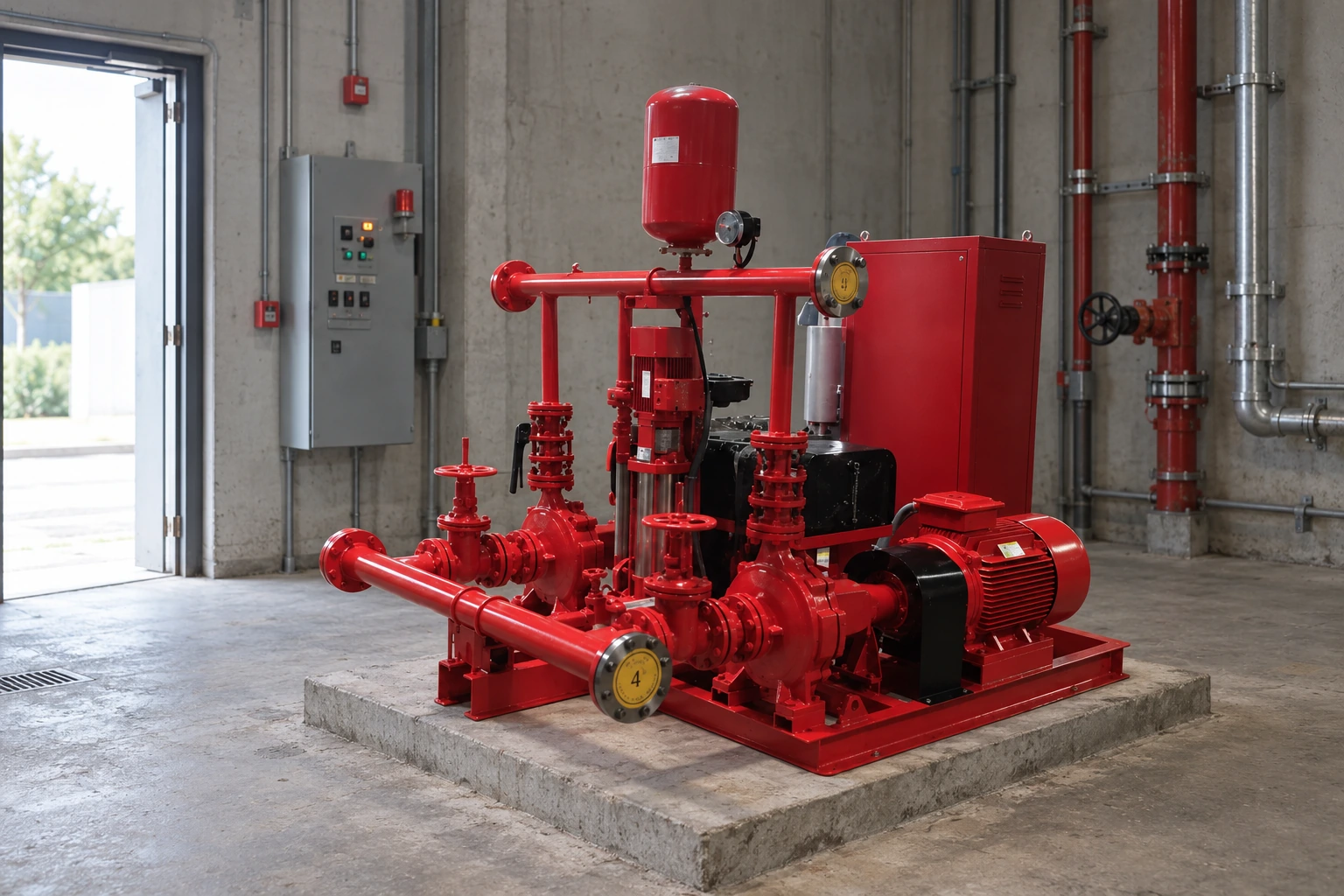
Use the controlling scenario, elevation, friction, residual pressure, and suction condition. Check changes caused by future units or network isolation. Review this condition at normal, test, and credible abnormal states before procurement. Identify the source of every input, the unit used, the operating condition it represents, and the person responsible for approval. If information is preliminary, mark the assumption and test how the decision changes at a conservative boundary. This prevents a neat calculation from hiding an uncertain water level, pressure, valve position, driver condition, or simultaneous demand.
For industrial fire pump selection, verify this section against the selected pump curve, the actual site arrangement, manufacturer instructions, and the current requirements accepted by the authority having jurisdiction. Check the installed condition as well as the drawing because pipe routes, elevations, supports, controls, and access often change during construction. Record the result in a form that can be repeated during commissioning and later inspection. Do not change a safety-critical setting or isolate fire protection without the approved impairment and restoration process.
Select pump construction
Match pump type, materials, seals, bearings, and arrangement to water quality, environment, duty, and maintenance capability without inventing universal materials. The design team should turn this point into a traceable calculation or drawing note. Identify the source of every input, the unit used, the operating condition it represents, and the person responsible for approval. If information is preliminary, mark the assumption and test how the decision changes at a conservative boundary. This prevents a neat calculation from hiding an uncertain water level, pressure, valve position, driver condition, or simultaneous demand.
For industrial fire pump selection, verify this section against the selected pump curve, the actual site arrangement, manufacturer instructions, and the current requirements accepted by the authority having jurisdiction. Check the installed condition as well as the drawing because pipe routes, elevations, supports, controls, and access often change during construction. Record the result in a form that can be repeated during commissioning and later inspection. Do not change a safety-critical setting or isolate fire protection without the approved impairment and restoration process.
Praktische Entscheidungstabelle
| Selection area | Industrial question | Deliverable |
|---|---|---|
| Fire scenarios | Which systems operate together? | Demand matrix |
| Wasserquelle | What is dependable during an incident? | Supply curve and storage data |
| Environment | Is the area corrosive, hot, dusty, or hazardous? | Site conditions and area classification |
| Fahrer | Which energy source remains reliable? | Power or fuel study |
| Redundancy | What happens after one failure? | Availability analysis |
| Testing | Can full performance be verified safely? | Test and drainage plan |
Choose driver and controls
Review electric supply reliability, diesel fuel and ventilation, starting method, hazardous-area boundaries, alarms, and remote monitoring. Treat this as a system condition rather than an isolated component choice. Identify the source of every input, the unit used, the operating condition it represents, and the person responsible for approval. If information is preliminary, mark the assumption and test how the decision changes at a conservative boundary. This prevents a neat calculation from hiding an uncertain water level, pressure, valve position, driver condition, or simultaneous demand.
For industrial fire pump selection, verify this section against the selected pump curve, the actual site arrangement, manufacturer instructions, and the current requirements accepted by the authority having jurisdiction. Check the installed condition as well as the drawing because pipe routes, elevations, supports, controls, and access often change during construction. Record the result in a form that can be repeated during commissioning and later inspection. Do not change a safety-critical setting or isolate fire protection without the approved impairment and restoration process.
Plan redundancy and impairment
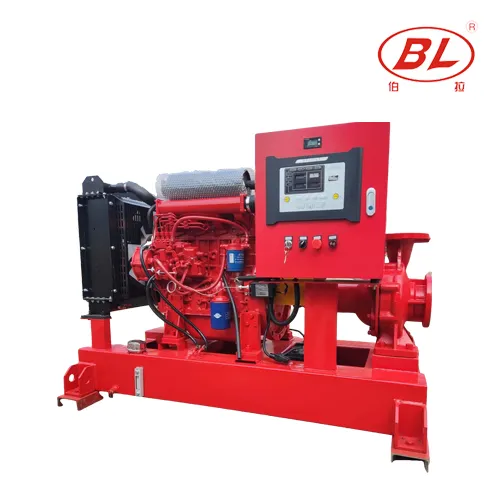
Analyze loss of one pump, one water source, power, fuel, controller, or critical header. Define how protection is maintained during maintenance. The most useful evidence is measured or approved project data, not a copied rule of thumb. Identify the source of every input, the unit used, the operating condition it represents, and the person responsible for approval. If information is preliminary, mark the assumption and test how the decision changes at a conservative boundary. This prevents a neat calculation from hiding an uncertain water level, pressure, valve position, driver condition, or simultaneous demand.
For industrial fire pump selection, verify this section against the selected pump curve, the actual site arrangement, manufacturer instructions, and the current requirements accepted by the authority having jurisdiction. Check the installed condition as well as the drawing because pipe routes, elevations, supports, controls, and access often change during construction. Record the result in a form that can be repeated during commissioning and later inspection. Do not change a safety-critical setting or isolate fire protection without the approved impairment and restoration process.
Integrate testing and drainage
Provide a safe full-flow test route, containment, drainage, and water management suitable for the industrial site. Review this condition at normal, test, and credible abnormal states before procurement. Identify the source of every input, the unit used, the operating condition it represents, and the person responsible for approval. If information is preliminary, mark the assumption and test how the decision changes at a conservative boundary. This prevents a neat calculation from hiding an uncertain water level, pressure, valve position, driver condition, or simultaneous demand.
For industrial fire pump selection, verify this section against the selected pump curve, the actual site arrangement, manufacturer instructions, and the current requirements accepted by the authority having jurisdiction. Check the installed condition as well as the drawing because pipe routes, elevations, supports, controls, and access often change during construction. Record the result in a form that can be repeated during commissioning and later inspection. Do not change a safety-critical setting or isolate fire protection without the approved impairment and restoration process.
Specify procurement evidence
Request certified curves, driver data, controller details, material records, drawings, inspection plans, spare parts, and witnessed test procedures. The design team should turn this point into a traceable calculation or drawing note. Identify the source of every input, the unit used, the operating condition it represents, and the person responsible for approval. If information is preliminary, mark the assumption and test how the decision changes at a conservative boundary. This prevents a neat calculation from hiding an uncertain water level, pressure, valve position, driver condition, or simultaneous demand.
For industrial fire pump selection, verify this section against the selected pump curve, the actual site arrangement, manufacturer instructions, and the current requirements accepted by the authority having jurisdiction. Check the installed condition as well as the drawing because pipe routes, elevations, supports, controls, and access often change during construction. Record the result in a form that can be repeated during commissioning and later inspection. Do not change a safety-critical setting or isolate fire protection without the approved impairment and restoration process.
Wie dies sich auf BORRAPUMP-Ausrüstung bezieht
BORRAPUMP liefert technische Pumpenausrüstung für Wasser- und Brandschutzprojekte. Überprüfen Sie die relevanten BORRAPUMP-Produktkonfiguration als Ausgangspunkt, reichen Sie dann den erforderlichen Volumenstrom, die Förderhöhe, die Wasserquelle, den Antrieb, die Leistung, die Steuerungen, die Baustellenbedingungen, die geltenden Anforderungen, die Stückzahl und den Bestimmungsort ein. Die endgültige Auswahl muss auf der hydraulischen Projektbasis und der genehmigten Einreichung basieren; dieser Leitfaden erhebt keinen Anspruch darauf, dass eine Kataloganordnung für jede Jurisdiktion oder jedes Risiko passt.
Ähnliche BORRAPUMP-Anleitungen
- Auswahl von Feuerlöschpumpen
- Diesel- versus Elektrojahrlöschanlagen
- Auswahl der Feuerlöschpumpen-Einheit
Maßgebliche Referenzen
Die folgenden Quellen legen den Normenbereich, den Brandschutzkontext und die Pumpensystemprinzipien fest, die in diesem Leitfaden verwendet werden. Wenden Sie stets die für das Projekt akzeptierte Ausgabe und lokale Einführung an.
- NFPA 20 Normenentwicklungsseite
- Ressourcen für Pumpensysteme des US-Energieministeriums
- NIST-Forschung zum Brandschutz
Lernvideo
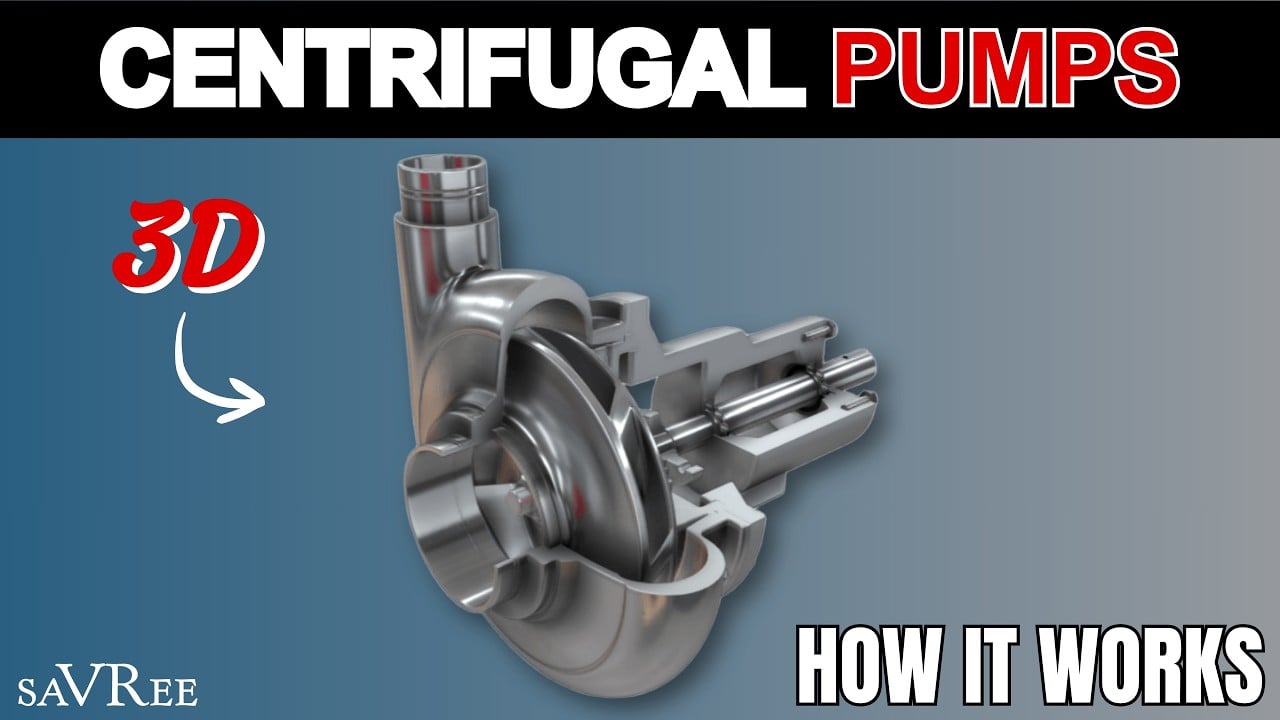
Bildungshintergrund von saVRee: Wie Zentrifugalpumpen funktionieren. Das Video unterstützt das zugrundeliegende ingenieurtechnische Konzept und ersetzt nicht die projektspezifischen Brandschutzanforderungen.
Häufig gestellte Fragen
Is one fire pump enough for an industrial plant?
It depends on the approved scenarios, water sources, reliability requirements, and consequences of one failure.
Can process cooling pumps serve as fire pumps?
Only an approved design can determine shared use. Fire protection availability, controls, and impairment management must remain clear.
When is diesel preferred?
Diesel may help where electrical reliability is inadequate, but fuel, ventilation, cooling, exhaust, maintenance, and starting reliability must be addressed.
What belongs in an industrial fire pump RFQ?
Include hydraulic duty, source, liquid, environment, driver, controls, materials, testing, documentation, destination, and applicable requirements.
Abschließende Prüfliste
Vor der Freigabe sind die hydraulischen Grundlagen, die Wasserquellenbedingungen, die ausgewählte Pumpenkennlinie, die Daten von Antrieb und Steuerung, die Nenndrücke der Komponenten, die Ventilanordnung, das Prüfverfahren, die Zugänglichkeit, die Entwässerung, die Alarme und das Wiederherstellungsverfahren zu bestätigen. Differenzen zwischen den Zeichnungen und dem installierten System sind zu berechnen. Während der Inbetriebnahme sind kalibrierte Instrumente zu verwenden und Saugdruck, Förderdruck, Durchfluss, Drehzahl, Antriebszustand, Alarme und abweichende Beobachtungen an jedem geforderten Punkt aufzuzeichnen. Die akzeptierten Ergebnisse sind bei den Pumpenraumprotokollen aufzubewahren, damit spätere Inspektionen vergleichbare Werte liefern.