
A self-priming centrifugal pump price search is useful only when it becomes a documented commercial request. A listing may name a pump, while a project enquiry needs the boundary, application records, and open items that make two supplier responses comparable.
- Preguntas frecuentes
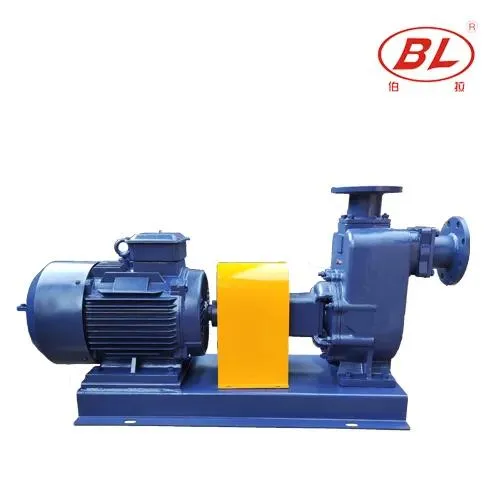
Part 1. Read the price query as a scope request
The search phrase does not define one product or one commercial response. Marketplace pages may place a pump-only item, a package, an engine-driven unit, and an application-specific request beside each other. Write the requested boundary before comparing any figure.
Part 2. Separate a listing from an offer
A public listing may help identify search language, but it does not state every project interface or responsibility. It cannot establish availability, delivery, approval, performance, or final suitability for a specific application.
Importante: Recursos del Hydraulic Institute provide industry context, not a substitute for documented project data; do not treat a web listing as a final selection record.
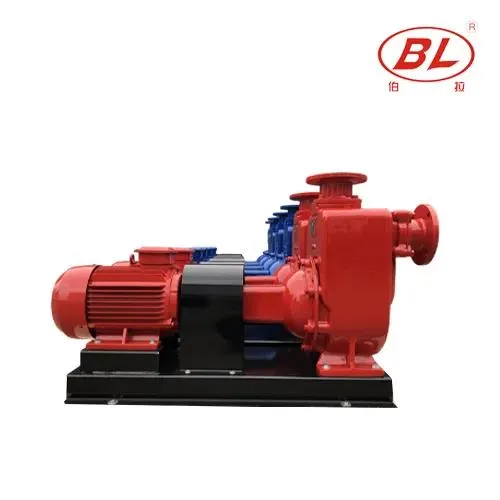
Part 3. Compare commercial boundaries
| Límite | Buyer should identify | No infieras |
|---|---|---|
| Equipo | Named item and document revision | Project suitability |
| Paquete | Stated components and interfaces | Complete scope |
| Respuesta del proyecto | Commercial basis and exclusions | Approval or final result |
The distinct Horizontal Self-Priming Pump Price article covers a horizontal-pump enquiry. This page stays at the centrifugal self-priming price-scope boundary.
Part 4. Keep fluid context visible
Fluid description, solids information if documented, and site context belong with the enquiry. They must not be invented from a product image. The EPA water reuse resource reinforces that water-related requirements depend on the application context.
Part 5. Build a usable RFQ
El comprador debe proporcionar
| Entrada de RFQ | Why it belongs in the request |
|---|---|
| Equipment or package boundary | Defines the commercial comparison |
| Fluid and site description | Makes application assumptions visible |
| Drawing or document revision | Identifies the record under review |
| Documented duty information | Separates stated data from estimates |
| Drive and control records if available | Reveals unconfirmed interfaces |
| Formato de respuesta solicitado | Lets suppliers state exclusions clearly |
Fit Boundary: this guide is not suitable for an undocumented immediate selection. It is for buyers who can send records and receive clarifying questions.
Parte 6. Utilizar las páginas de producto como rutas de consulta
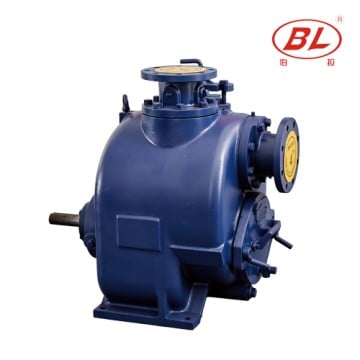
El Bomba de agua autoaspirante ZX page is a product recommendation inquiry route, not proof of fit. Review the broader Self-Priming Pump Diagram context, then enviar los datos de RFQ documentados.
Part 7. Preserve unresolved items
Leave unknown scope, fluid, interfaces, commercial terms, and project requirements visible. A clear question list is more useful than a price comparison built from unmatched listings.
Preguntas frecuentes
What does a self-priming centrifugal pump price enquiry identify?
It identifies the requested boundary, application records, documents, and unresolved items needed for a comparable response.
Why do public listings differ?
They can cover different products, package contents, records, and commercial assumptions.
Is a public listing a project quotation?
No. It does not by itself state the full scope, exclusions, or suitability boundary.
What records should accompany an RFQ?
Send the scope, fluid and site description, drawing revision, documented duty information, available interfaces, and requested response format.
Can a price prove final fit?
No. Fit requires application and project information that a generic web result does not establish.
Why link a product page if it does not confirm a selection?
It gives a product-family enquiry route for a documented discussion without claiming that a model is confirmed.