
Project teams use “booster pump station” for the assembly that raises water pressure for a measured demand profile — pumps, controls, isolation, sensing, and documented trade interfaces — rather than a single catalog pump name. Facility teams and contractors need that vocabulary before comparing skid packages or field-built rooms. This guide clarifies station scope for United States B2B buyers so quotations are judged against the same duty sheet.
Part 1. What Separates a Station From a Lone Booster Pump?
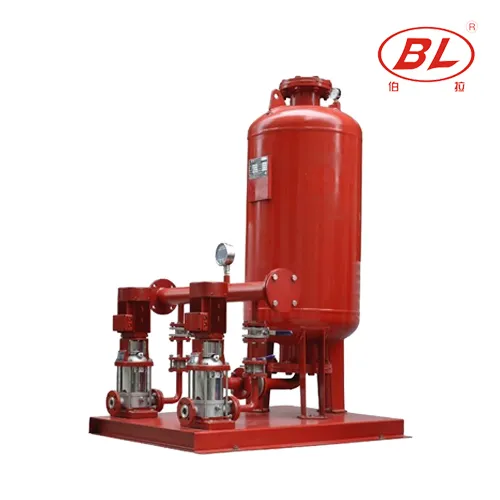
Treat a lone booster pump as one machine. A booster pump station usually combines one or more pumps with a control philosophy, isolation valves, sensing points, and written handoffs to piping and electrical trades.
Some stations arrive as factory skids; others are assembled in a plant room from separately purchased components. The approved project documents decide which path applies — not a marketing label.
| Language on the quote | What it may include | What it never proves alone |
|---|---|---|
| Single booster pump | One hydraulic machine and its driver | Station redundancy or control scope |
| Packaged booster set | Base, pumps, some valves, a panel | Field piping ownership |
| Booster pump station | Pumps + controls + interfaces as defined | Code acceptance without project review |
| Catalog sketch | Typical arrangement for discussion | As-built acceptance |
For buyers asking what is a booster pump station, keep the answer operational: which components share one control plan and which interfaces remain site work. For foundation vocabulary on boosting itself, see the BORRAPUMP Booster Pump guide and the related explainer qué es una bomba de refuerzo.
Part 2. Which Duty Inputs Belong on the Station Sheet?
Station selection starts with demand behavior, not horsepower slogans. Record the governing flow range, the pressure that must be held at the critical fixture or floor, how incoming supply pressure varies, liquid quality, and whether the service must continue during pump maintenance.
| Station input | Qué capturar | Why quotations diverge without it |
|---|---|---|
| Demand profile | Design flow and how it varies through the day | Pump count and staging logic |
| Critical pressure | Value and measurement location | Residual boost calculation |
| Incoming supply | Available pressure range under load | Whether boosting is even possible |
| Descripción líquida | Temperature, clean-water confirmation | Materials and seal family |
| Continuity expectation | Standby or dual-pump needs | Redundancy scope on the skid |
| Environment | Indoor plant room, outdoor pad, noise limits | Enclosure and access design |
Dynamic readings beat static snapshots. A quiet night reading at the meter does not describe morning peak demand. Instituto Hidráulico selection practice treats the operating point on the curve as the decision object; a station that never states that point cannot be compared honestly.
Part 3. How Should Controls and Standby Roles Be Reviewed?
Control review asks how the station starts, stops, modulates, rotates standby machines, and reports status. A quotation that is silent on those points leaves the field team inventing behavior at handover.
| Tema de control | Pregunta sobre el documento | Typical gap |
|---|---|---|
| Start/stop or VFD logic | Which signal owns pressure control? | Assumed switch settings |
| Standby rotation | Is lead/lag defined in writing? | One pump always idle without logic |
| Low-suction protection | Present when the design requires it? | Dry-run risk ignored |
| Remote status | Which points leave the panel? | Brand-generic lamp meanings |
| Setpoints | Owned by design documents? | Copied from another building |
Importante: Do not treat a booster pump station label as proof of redundancy, setpoints, or acceptance. Those belong to the approved design and verified product data. (Source: Instituto Hidráulico / project documents.)
If the inquiry is really about multistage machine selection rather than station packaging, move to selección de bomba vertical multietapa after the duty sheet is written.
Part 4. Which Mechanical and Electrical Interfaces Must Be Named?
Every station drawing should name suction and discharge connections, power and starter ownership, sensing locations, drains or relief terminations, and service access. Unlabeled features on a brochure photo are open questions, not accepted scope.
| Interfaz | Ask who supplies it | Common field surprise |
|---|---|---|
| Headers and connectors | Package vs site piping | Flexible connectors omitted |
| Power and starters | Skid panel vs house gear | Límite eléctrico silencioso |
| Sensing taps | Location that the design protects | Sensor only at the pump flange |
| Drains and relief | Termination point | Flooded pad after first trip |
| Access clearances | Pull space for each pump | Blocked by afterthought piping |
Also review booster pump design when the team is still shaping the control concept before packaging decisions.
Part 5. How Do Package Scope and Field Scope Get Split?
Write two lists: what ships on the base, and what the site pipes, wires, and commissions. Comparing station offers without that split rewards the quietest quotation, not the clearest one.
| Scope item | Package-side clarity | Field-side clarity |
|---|---|---|
| Pumps and drivers | Tags and curves attached | Alignment and rotation checks |
| Valves on the skid | Tag list included | Site isolation beyond the skid |
| Control panel | Document revision stated | Remote wiring by others |
| Instruments | Gauge and sensor list | Sensing line routing |
| Documentos | Manuals and curve set | As-built markups after install |
During receiving, file the drawing revision used, pump tags, and open interface questions. That record becomes the acceptance reference later.
Part 6. Which BORRAPUMP Routes Fit Station Inquiries?
When duty data are controlled, discuss packaged boost/regulate or inline boost routes. Final model selection still requires verified curves and site constraints.
| Señal del proyecto | Ruta BORRAPUMP | Enviar con cotización |
|---|---|---|
| Packaged boost/regulate duty | Equipo de suministro de agua con regulador de refuerzo | Demand profile, supply pressure range, control method, environment |
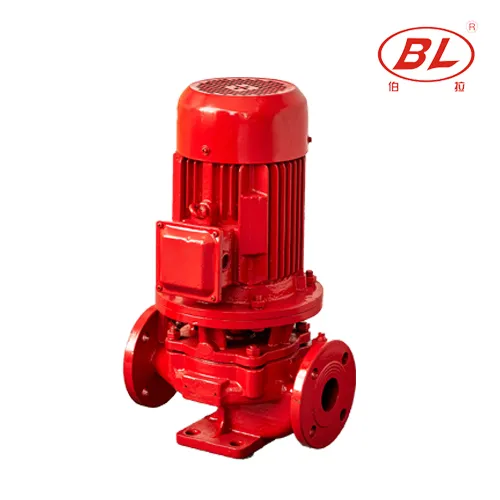
| Inline boost in a plant room | Bomba de agua en línea vertical ISG | Punto de operación, condición de succión, orientación, documentos |
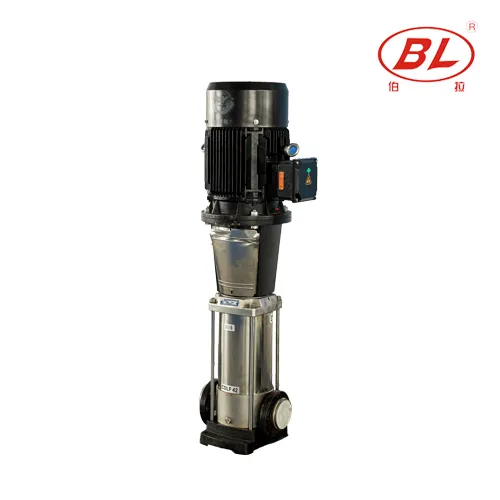
| Multistage pressure building block | CDLF family discussion after duty is clear | Flow, head, materials, redundancy expectation |
Why not recommend fire-pump packages here: fire-protection stations follow a separate engineered path and document set; a building potable or process booster station inquiry should not be answered with fire-set substitutions.
For project matching after the sheet is complete, contactar con BORRAPUMP.
Part 7. What Are the Fit Boundaries for Station Language?
Se adapta a:
- Clarifying station versus single-pump language for building or process pressure boosting where source flow exists.
- Preparing an RFQ after demand, supply, and control expectations are written down.
No encaja:
- Fire-protection or life-safety pressure stations without a separate fire design path.
- Replacing an undersized source by renaming equipment a station.
- Declaring setpoints, redundancy acceptance, or authority approval from this article.
Debe confirmarse antes de cotizar:
- Demand profile with source, critical pressure location, incoming supply under load, liquid quality, power data, control and standby expectations, package versus field split, quantity, and destination.
Preguntas frecuentes
What is a booster pump station?
It is a project-defined arrangement of pumps, controls, and interfaces that raises pressure for a documented demand — not a single universal product SKU.
Is a booster pump the same as a booster pump station?
Not always. A station may include multiple pumps, shared controls, and package interfaces; one pump may be only a component inside that arrangement.
What data is needed before comparing station quotations?
Demand profile, critical pressure and its measurement point, incoming supply behavior, water description, control and redundancy expectations, package/field split, and document requirements.
Can a catalog sketch replace the project drawing?
No. Supplier layouts explain typical package scope; the approved project documents define the accepted system.
Does a station always include a pressure tank?
Only when the approved design assigns that role. Tank presence is a design decision, not a default feature of the word station.
Who sets control setpoints for the station?
Responsible project design and verified equipment documentation. This article does not publish setpoints.
What belongs in a station RFQ?
Duty inputs with sources, package versus field scope, electrical and control expectations, materials, destination, and required documents.
Does this page certify a booster pump station?
No. Selection, installation, testing, and acceptance require project documents, responsible professionals, and verified equipment data.