
Pump bearing housing water jacket inspection checks the cooling passage, its connections and the boundary separating cooling water from the bearing housing. Identify the actual circuit, preserve leakage and deposit evidence, clean using an approved method, and complete any required integrity test before restoring service. Cooling-water flow alone does not prove that the housing is sound, and cloudy lubricant alone does not prove that the jacket has leaked. The inspection must distinguish a restricted passage, a leaking joint, a damaged wall and an unrelated water-entry route.
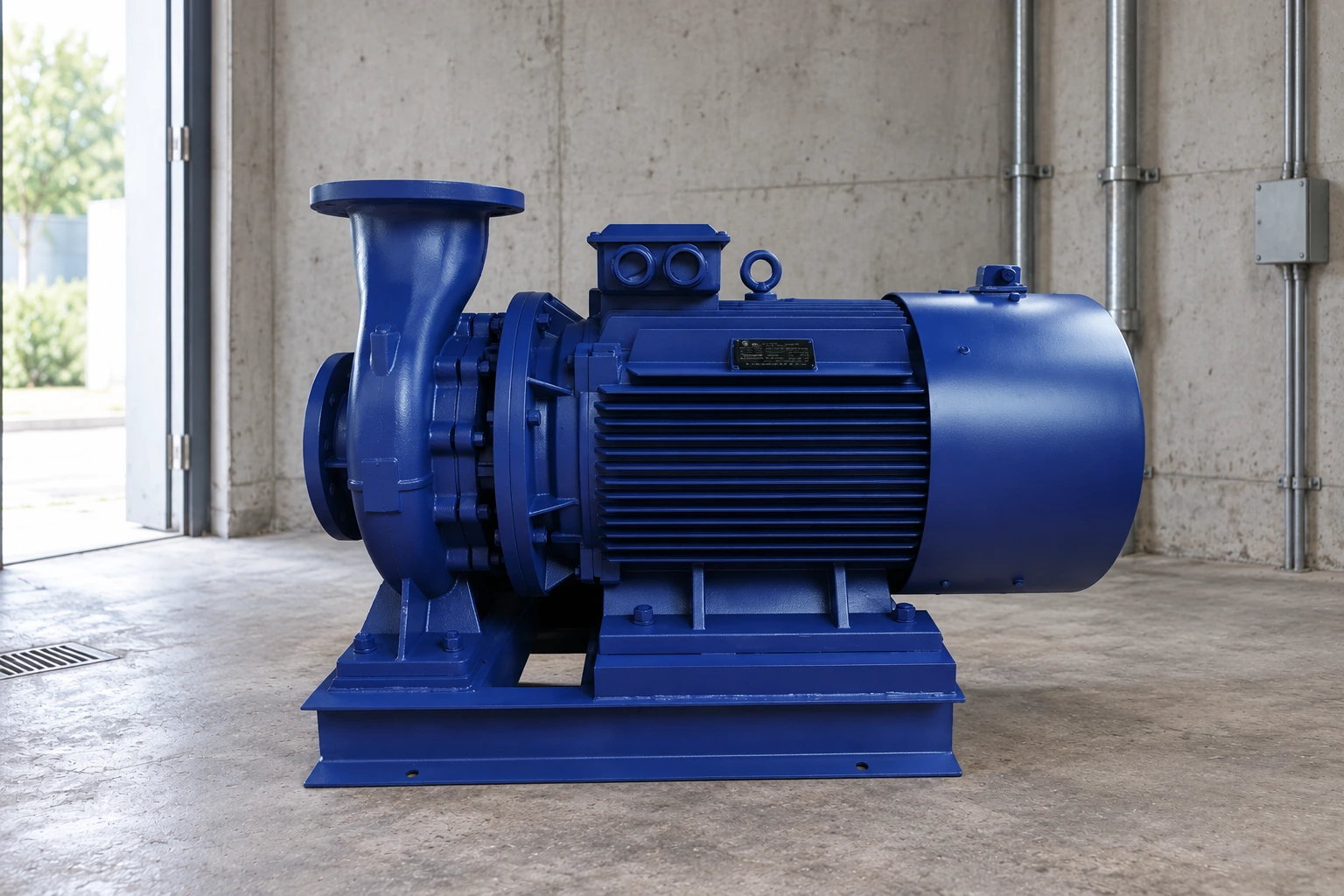
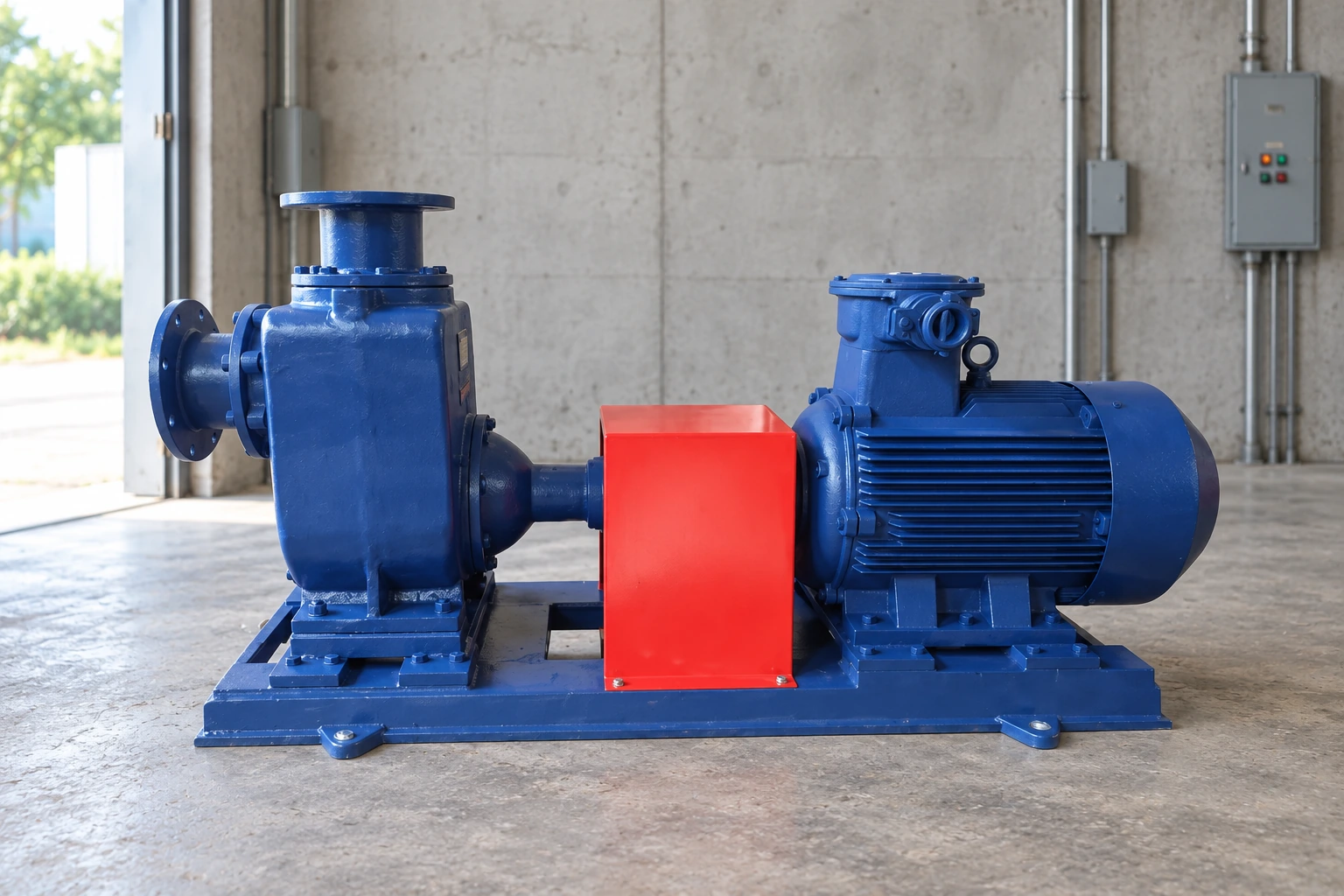
This guide applies to pump bearing housings that actually include a water jacket. It does not assume that every centrifugal pump needs water cooling. The illustrated Borra products provide application context; their external photographs do not verify an internal jacket or a particular cooling arrangement.
Confirm the housing and cooling arrangement
Start with the equipment drawing, serial number and cooling-system schematic. Identify the inlet, outlet, drains, vents and any removable covers. Determine whether the water serves the bearing housing directly, an external oil cooler, a seal circuit or another component. Similar-looking connections can belong to different systems, and tracing only the visible hose is not sufficient.
Record the specified water quality, flow arrangement and operating restrictions from the equipment documentation. Check whether the circuit is once-through or recirculating and whether other equipment shares it. A common supply problem may affect several pumps. Do not add a cooling connection to an uncooled housing because another model appears similar; changes require confirmation of the actual construction and operating requirements.
Gather symptoms before dismantling
Retain bearing-temperature trends, cooling supply and return observations, lubricant condition and any reports of leakage. Note the operating duty and ambient conditions associated with those observations. An elevated bearing temperature can have several causes, including lubrication, mechanical load and cooling problems. Treat it as an investigation trigger rather than proof of a blocked jacket.
Photograph external staining and the condition of hose ends, threaded connections, plugs and covers before washing the housing. Sample lubricant if the maintenance plan calls for analysis, and label the sample location and time. Preserve deposits from suspicious areas separately. Cleaning everything immediately can remove the evidence needed to distinguish an external spill from a leak through the jacket wall.
Isolate both the pump and the auxiliary water
The cooling supply may remain pressurized when the pump driver is isolated. Identify and isolate every relevant source, verify drainage and allow hot surfaces to cool under the approved procedure. Consider trapped water between valves or inside a blocked passage. Opening a fitting is not an acceptable substitute for a planned depressurization method.
If the work includes an integrity test, define the boundary before attaching equipment. Specify isolation from instruments, lubrication spaces and components that are not rated for the test. HSE’s pressure-testing guidance emphasizes planning and control of pressure-testing hazards. It does not provide a generic pressure for a pump water jacket; that comes from the applicable design and approved test procedure.
Examine connections and visible boundaries
Inspect ports for thread damage, corrosion, mechanical strain and evidence of previous repair. Check covers and plugs for correct identity and sealing arrangement. Look for unsupported tubing or hoses that load a small connection. A connection leak and a through-wall leak require different repairs, even when both leave similar stains on the outside.
Where access is permitted, inspect passage entrances and local surfaces using suitable lighting or an approved inspection aid. Record what could actually be seen. If an internal region was inaccessible, state that limitation instead of declaring the entire jacket clean. Do not drill, probe aggressively or modify a passage merely to improve visibility without an authorized repair procedure.
Clean deposits without damaging the housing
Choose a cleaning method based on the housing material, seals, deposit type and waste-handling requirements. Mechanical cleaning may be limited by access and wall thickness; chemical cleaning requires compatibility and process controls. Neither method is automatically safe for every housing. Identify which parts must be removed or protected before cleaning starts.
Document the initial restriction, material removed and final condition. Inspect again after cleaning because deposits can conceal corrosion or cracks. Avoid assuming that successful flushing proves an unrestricted passage: water may follow an easier path while part of the jacket remains obstructed. When the design requires a defined cleaning or inspection method, retain evidence that this specific method was followed.
Use a practical condition and action table
Le OISD inspection compilation, in its centrifugal pump bearing-housing checks, includes descaling or cleaning and hydrotesting the water jacket. This is a useful inspection scope reference, not a substitute for the actual pump’s construction, test pressure or acceptance procedure. The table below converts observations into questions that a repair report should answer.
| Observation | What to establish | Required record before release |
|---|---|---|
| Deposits at passage entrances | Extent, deposit type and compatible cleaning method | Before-and-after condition and remaining access limits |
| Weak or absent cooling return | Valve position, supply availability and passage continuity | Verified circuit arrangement and restoration check |
| External leakage at a fitting | Correct connection, seal and support condition | Approved repair and leak-check result |
| Water found in lubricant | Possible jacket leak versus other entry routes | Separate evidence for the suspected source |
| Corrosion exposed after cleaning | Location, extent and effect on the pressure boundary | Engineering assessment and repair disposition |
| Integrity test required | Design boundary, pressure, method and acceptance criteria | cURL Too many subrequests by single Worker invocation. To configure this limit, refer to https://developers.cloudflare.com/workers/wrangler/configuration/#limits |
| cURL Too many subrequests by single Worker invocation. To configure this limit, refer to https://developers.cloudflare.com/workers/wrangler/configuration/#limits | cURL Too many subrequests by single Worker invocation. To configure this limit, refer to https://developers.cloudflare.com/workers/wrangler/configuration/#limits | cURL Too many subrequests by single Worker invocation. To configure this limit, refer to https://developers.cloudflare.com/workers/wrangler/configuration/#limits |
cURL Too many subrequests by single Worker invocation. To configure this limit, refer to https://developers.cloudflare.com/workers/wrangler/configuration/#limits
cURL Too many subrequests by single Worker invocation. To configure this limit, refer to https://developers.cloudflare.com/workers/wrangler/configuration/#limits.
cURL Too many subrequests by single Worker invocation. To configure this limit, refer to https://developers.cloudflare.com/workers/wrangler/configuration/#limits.
cURL Too many subrequests by single Worker invocation. To configure this limit, refer to https://developers.cloudflare.com/workers/wrangler/configuration/#limits.
cURL Too many subrequests by single Worker invocation. To configure this limit, refer to https://developers.cloudflare.com/workers/wrangler/configuration/#limits
Water can enter a bearing housing through external seals, vents, maintenance practices or an adjacent system. Compare the location and timing of contamination with the cooling circuit’s condition. A lubricant sample provides evidence of contamination; it does not locate the entry path. Avoid replacing the housing solely because the oil appears cloudy.
Utilisez le bearing housing water-ingress guide for the wider source investigation. The bearing oil sampling guide addresses sample quality and traceability. These checks support the diagnosis while this article remains focused on the jacket passage and pressure boundary.
Restore cooling and lubrication deliberately
After repair, verify that plugs, covers, fittings and seals match the approved assembly. Restore the cooling circuit in its documented direction and configuration. Confirm the required supply condition and check accessible joints for leakage. Where cleaning chemicals were used, follow the approved rinse and disposal requirements before reconnecting the system.
If the lubricant was contaminated or the housing opened, restore lubrication according to the pump-specific instructions. Document the lubricant identity, level reference and any required flushing or replacement. The centrifugal pump maintenance report guide can help organize the final evidence so the cooling repair and lubrication work are recorded together without being confused.
Establish a usable operating baseline
Observe bearing temperatures and cooling conditions at a defined duty after return to service. Record the time, operating load and measurement locations. Comparing a start-up temperature with a previous fully warmed condition can produce a false conclusion. Set a follow-up period appropriate to the failure and the site’s maintenance plan rather than promising a universal interval.
Borra’s Gamme de pompes centrifuges à eau propre offers product context for a pump inquiry. Supply the specific equipment drawing and cooling requirements when asking whether a proposed replacement includes a jacket. Do not infer this feature from a product-family name or an illustrative photograph. A useful inquiry includes liquid, duty, temperature, observed failure and the verified cooling arrangement.
Further learning: flow and pressure in pipes
The Practical Engineering video below explains how pressure and flow relate in piping. It provides background for understanding an auxiliary cooling circuit. It is not a water-jacket inspection demonstration and does not prescribe cleaning chemistry, test pressure or safe isolation steps.
Foire aux questions
Does every pump bearing housing have a water jacket?
No. Confirm the actual construction using the equipment drawing and parts information. Some pumps use other cooling arrangements or do not require auxiliary cooling. External product appearance is insufficient evidence of an internal passage.
Does cooling-water flow prove the jacket is clean?
No. Flow confirms a path exists under the observed conditions. It does not necessarily prove that all areas are clean or that heat transfer and boundary integrity meet the equipment requirements. Record cleaning and inspection evidence separately.
What hydrotest pressure should be used?
Use the approved conditions for the actual housing and test boundary. The pressure, medium, duration and acceptance criteria must come from applicable engineering documentation. Do not use a generic multiple or a value copied from a different pump.
Can contaminated bearing oil identify a jacket leak?
It can support an investigation but does not identify the entry route by itself. Review external ingress paths and maintenance history, then use an approved examination or integrity check appropriate to the suspected boundary.
What records should accompany a completed repair?
Retain equipment identification, circuit tracing, initial condition, cleaning method, post-cleaning findings, repair approval, any test report and restoration checks. Include operating baseline readings and the responsible person for follow-up so the result can be assessed after the pump returns to service.