
Size an electric fire pump motor and select its starting method as one listed system with the pump and controller. The motor must carry the pump's required load across the applicable performance curve and start on the available electrical source without unacceptable voltage effects. Use the pump power curve, motor and controller listings, service factor rules where applicable, locked-rotor characteristics, conductor and transformer data, and emergency-power strategy. Do not use normal process-pump motor sizing shortcuts without checking fire-pump requirements. Keep the calculation and acceptance record with the final project documents so future tests use the same basis.
Keamanan dan cakupan: Pompa pemadam kebakaran dan penggeraknya adalah peralatan keselamatan jiwa. Pekerjaan hidrolik, kelistrikan, diesel, bahan bakar, baterai, tekanan, peralatan berputar, pengujian, dan gangguan harus mengikuti desain disetujui saat ini, instruksi pabrikan, standar yang berlaku, dan otoritas yang memiliki yurisdiksi. Panduan ini menjelaskan jalur keputusan teknik; panduan ini tidak mengizinkan perubahan lapangan, pengoperasian bypass, atau pengoperasian oleh personel yang не berkualifikasi.
Use the complete pump power curve
Review brake power from churn through the required high-flow region. Confirm whether the selected impeller and speed can overload the proposed motor. Treat this as a system condition rather than an isolated component choice. Identify the source of every input, the unit used, the operating condition it represents, and the person responsible for approval. If information is preliminary, mark the assumption and test how the decision changes at a conservative boundary. This prevents a neat calculation from hiding an uncertain water level, pressure, valve position, driver condition, or simultaneous demand.
For fire pump motor sizing, verify this section against the selected pump curve, the actual site arrangement, manufacturer instructions, and the current requirements accepted by the authority having jurisdiction. Check the installed condition as well as the drawing because pipe routes, elevations, supports, controls, and access often change during construction. Record the result in a form that can be repeated during commissioning and later inspection. Do not change a safety-critical setting or isolate fire protection without the approved impairment and restoration process.
Match voltage, phase, and frequency
The motor, controller, utility, generator, and transfer arrangement must share compatible ratings and tolerate actual voltage conditions. The most useful evidence is measured or approved project data, not a copied rule of thumb. Identify the source of every input, the unit used, the operating condition it represents, and the person responsible for approval. If information is preliminary, mark the assumption and test how the decision changes at a conservative boundary. This prevents a neat calculation from hiding an uncertain water level, pressure, valve position, driver condition, or simultaneous demand.
For fire pump motor sizing, verify this section against the selected pump curve, the actual site arrangement, manufacturer instructions, and the current requirements accepted by the authority having jurisdiction. Check the installed condition as well as the drawing because pipe routes, elevations, supports, controls, and access often change during construction. Record the result in a form that can be repeated during commissioning and later inspection. Do not change a safety-critical setting or isolate fire protection without the approved impairment and restoration process.
Understand starting current
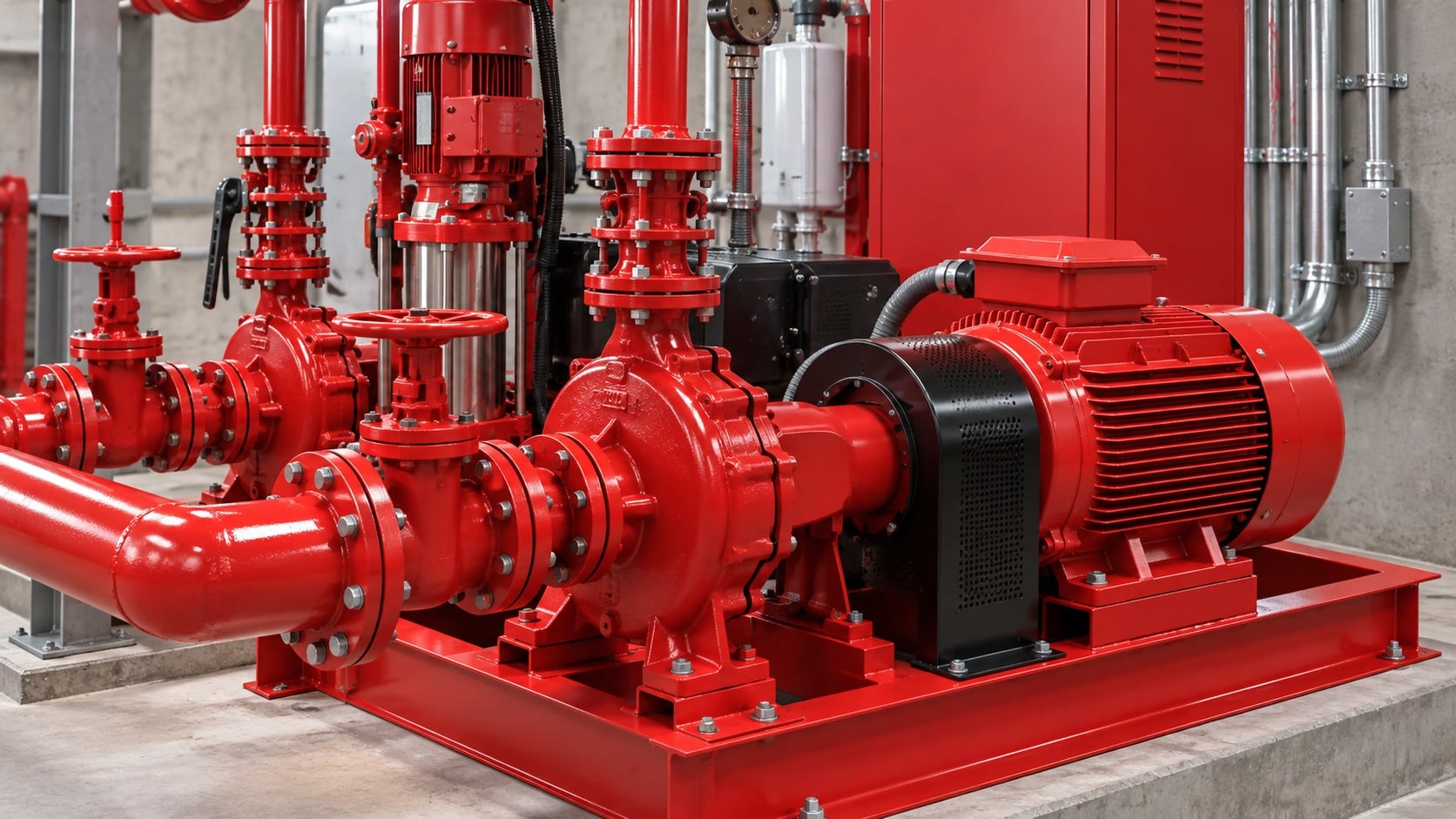
Across-the-line starting is simple but can create a large voltage dip. Reduced-voltage methods change current and torque and must be approved for the application. Review this condition at normal, test, and credible abnormal states before procurement. Identify the source of every input, the unit used, the operating condition it represents, and the person responsible for approval. If information is preliminary, mark the assumption and test how the decision changes at a conservative boundary. This prevents a neat calculation from hiding an uncertain water level, pressure, valve position, driver condition, or simultaneous demand.
For fire pump motor sizing, verify this section against the selected pump curve, the actual site arrangement, manufacturer instructions, and the current requirements accepted by the authority having jurisdiction. Check the installed condition as well as the drawing because pipe routes, elevations, supports, controls, and access often change during construction. Record the result in a form that can be repeated during commissioning and later inspection. Do not change a safety-critical setting or isolate fire protection without the approved impairment and restoration process.
Compare starting methods
Review full-voltage, autotransformer, primary resistor or reactor, part-winding, wye-delta, and approved solid-state arrangements according to the specific system and listing. The design team should turn this point into a traceable calculation or drawing note. Identify the source of every input, the unit used, the operating condition it represents, and the person responsible for approval. If information is preliminary, mark the assumption and test how the decision changes at a conservative boundary. This prevents a neat calculation from hiding an uncertain water level, pressure, valve position, driver condition, or simultaneous demand.
For fire pump motor sizing, verify this section against the selected pump curve, the actual site arrangement, manufacturer instructions, and the current requirements accepted by the authority having jurisdiction. Check the installed condition as well as the drawing because pipe routes, elevations, supports, controls, and access often change during construction. Record the result in a form that can be repeated during commissioning and later inspection. Do not change a safety-critical setting or isolate fire protection without the approved impairment and restoration process.
Tabel keputusan praktis
| Starting option | Main benefit | Key review |
|---|---|---|
| Full-voltage | Simple and high starting torque | Source voltage dip and capacity |
| Autotransformer | Reduced line current | Approved taps, transition, and torque |
| Primary resistor/reactor | Reduced starting current | Voltage, heat, torque, transition |
| Part-winding | Uses suitable motor winding design | Motor compatibility and sequence |
| Wye-delta | Reduced current with specific motor | Lead arrangement and torque |
| Approved solid-state method | Controlled electrical transition | Listing, bypass, heat, and reliability |
Check source capacity and voltage drop
Model utility or generator impedance, transformer, conductors, starting current, simultaneous loads, and minimum acceptable terminal voltage. Treat this as a system condition rather than an isolated component choice. Identify the source of every input, the unit used, the operating condition it represents, and the person responsible for approval. If information is preliminary, mark the assumption and test how the decision changes at a conservative boundary. This prevents a neat calculation from hiding an uncertain water level, pressure, valve position, driver condition, or simultaneous demand.
For fire pump motor sizing, verify this section against the selected pump curve, the actual site arrangement, manufacturer instructions, and the current requirements accepted by the authority having jurisdiction. Check the installed condition as well as the drawing because pipe routes, elevations, supports, controls, and access often change during construction. Record the result in a form that can be repeated during commissioning and later inspection. Do not change a safety-critical setting or isolate fire protection without the approved impairment and restoration process.
Coordinate controller and protection
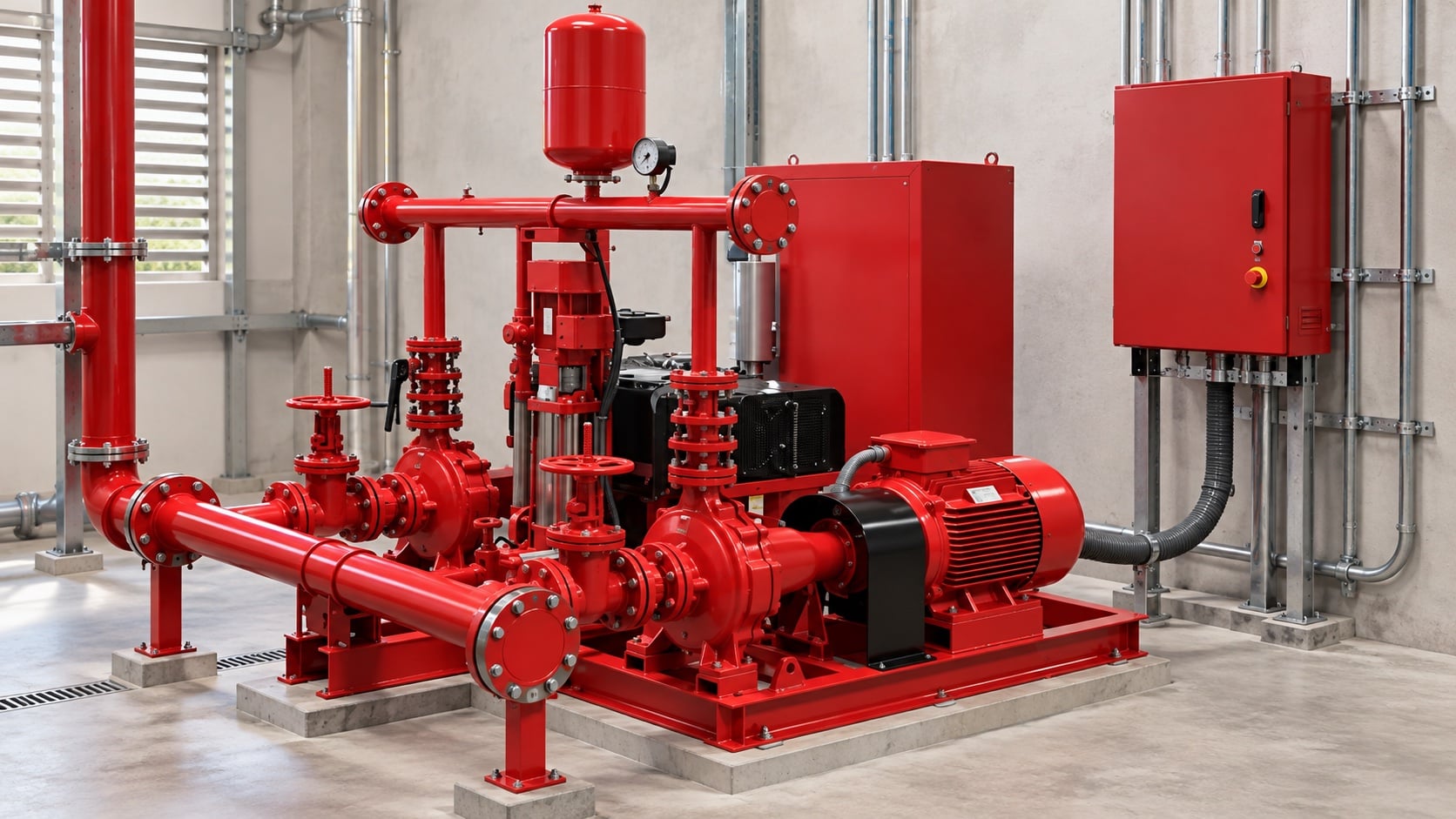
Fire pump controllers have a specialized operating purpose. Do not apply ordinary motor protection or shutdown logic that could prevent required operation. The most useful evidence is measured or approved project data, not a copied rule of thumb. Identify the source of every input, the unit used, the operating condition it represents, and the person responsible for approval. If information is preliminary, mark the assumption and test how the decision changes at a conservative boundary. This prevents a neat calculation from hiding an uncertain water level, pressure, valve position, driver condition, or simultaneous demand.
For fire pump motor sizing, verify this section against the selected pump curve, the actual site arrangement, manufacturer instructions, and the current requirements accepted by the authority having jurisdiction. Check the installed condition as well as the drawing because pipe routes, elevations, supports, controls, and access often change during construction. Record the result in a form that can be repeated during commissioning and later inspection. Do not change a safety-critical setting or isolate fire protection without the approved impairment and restoration process.
Plan generator operation
If an alternate source is used, verify starting and running capacity, transfer sequence, fuel, ventilation, and the effect of other emergency loads. Review this condition at normal, test, and credible abnormal states before procurement. Identify the source of every input, the unit used, the operating condition it represents, and the person responsible for approval. If information is preliminary, mark the assumption and test how the decision changes at a conservative boundary. This prevents a neat calculation from hiding an uncertain water level, pressure, valve position, driver condition, or simultaneous demand.
For fire pump motor sizing, verify this section against the selected pump curve, the actual site arrangement, manufacturer instructions, and the current requirements accepted by the authority having jurisdiction. Check the installed condition as well as the drawing because pipe routes, elevations, supports, controls, and access often change during construction. Record the result in a form that can be repeated during commissioning and later inspection. Do not change a safety-critical setting or isolate fire protection without the approved impairment and restoration process.
Test the integrated system
Witness starting on each source, transfer where applicable, current, voltage, rotation, controller alarms, and pump performance without unauthorized trips. The design team should turn this point into a traceable calculation or drawing note. Identify the source of every input, the unit used, the operating condition it represents, and the person responsible for approval. If information is preliminary, mark the assumption and test how the decision changes at a conservative boundary. This prevents a neat calculation from hiding an uncertain water level, pressure, valve position, driver condition, or simultaneous demand.
For fire pump motor sizing, verify this section against the selected pump curve, the actual site arrangement, manufacturer instructions, and the current requirements accepted by the authority having jurisdiction. Check the installed condition as well as the drawing because pipe routes, elevations, supports, controls, and access often change during construction. Record the result in a form that can be repeated during commissioning and later inspection. Do not change a safety-critical setting or isolate fire protection without the approved impairment and restoration process.
Bagaimana ini terkait dengan peralatan BORRAPUMP
BORRAPUMP memasok peralatan pompa rekayasa untuk proyek-proyek air dan proteksi kebakaran. Tinjau yang relevan Konfigurasi produk BORRAPUMP sebagai titik awal, lalu serahkan aliran, tinggi tekan, sumber air, penggerak, daya, kontrol, kondisi lokasi, persyaratan yang berlaku, jumlah, dan tujuan yang diperlukan. Pemilihan akhir harus menggunakan dasar hidrolik proyek dan submittal yang disetujui; panduan ini tidak mengklaim bahwa satu susunan katalog cocok untuk setiap yurisdiksi atau risiko.
Panduan BORRAPUMP terkait
- Dasar-dasar desain sistem pompa pemadam kebakaran
- fire fighting pump selection
- diesel versus electric fire pumps
Referensi otoritatif
Sumber-sumber berikut menetapkan batas standar, konteks keselamatan kebakaran, dan prinsip sistem pompa yang digunakan dalam panduan ini. Selalu terapkan edisi dan adopsi lokal yang disetujui untuk proyek tersebut.
- Halaman pengembangan standar NFPA 20
- Sumber daya sistem pompa Departemen Energi AS
- penelitian perlindungan kebakaran NIST
Video edukasi
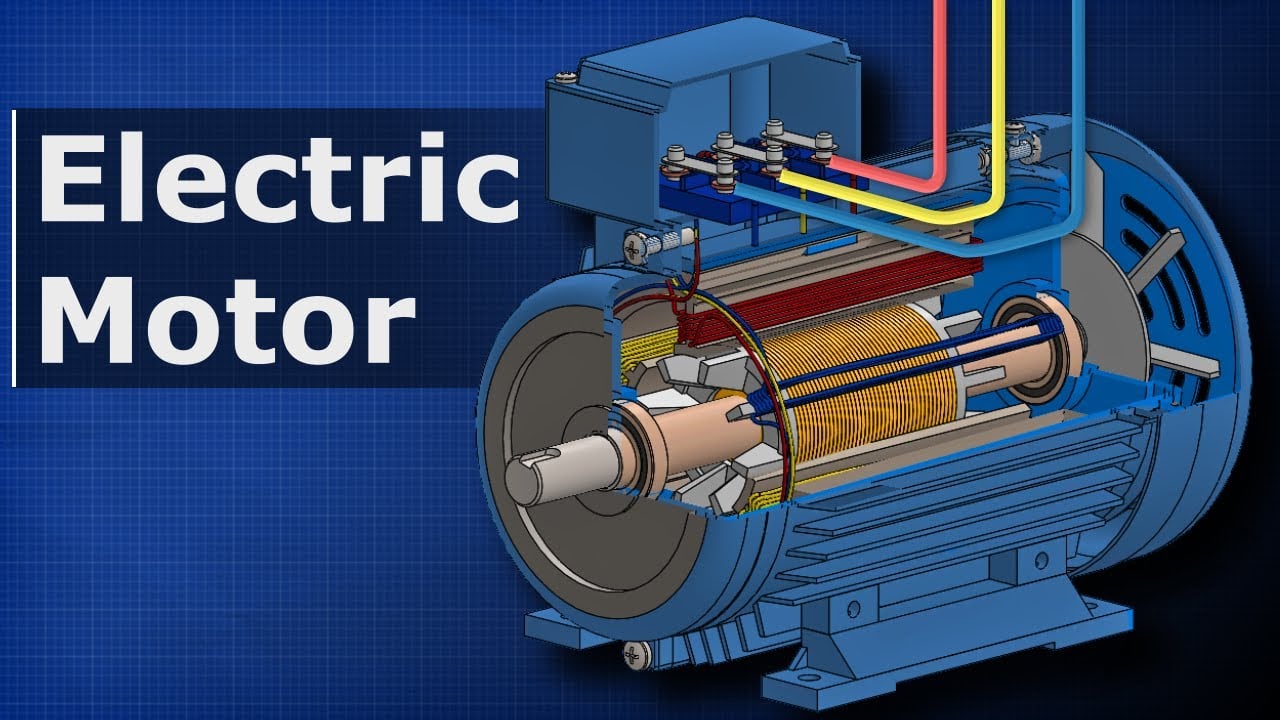
Latar belakang pendidikan oleh The Engineering Mindset: Cara Kerja Motor Listrik: Motor Induksi AC Tiga Fasa. Video tersebut mendukung konsep teknik yang mendasar dan tidak menggantikan persyaratan perlindungan kebakaran khusus proyek.
Pertanyaan yang sering diajukan
Can I size the motor only at rated pump flow?
No. Review the applicable pump power curve and the requirements governing motor selection across the operating range.
Is a soft starter always best?
No. The starting method must be approved, reliable, and compatible with motor torque, source capacity, controller, and project requirements.
Why check generator voltage dip?
Low voltage during starting can prevent acceleration or disturb other emergency loads.
Can normal overload protection stop a fire pump?
Fire pump controller protection and operating logic are specialized. Follow the approved listed arrangement.
Daftar periksa verifikasi akhir
Sebelum persetujuan, konfirmasikan basis hidrolik, kondisi sumber air, kurva pompa yang dipilih, data penggerak dan pengontrol, peringkat tekanan komponen, susunan katup, metode pengujian, akses, drainase, alarm, dan prosedur pemulihan. Selesaikan perbedaan antara gambar kerja dan sistem yang terpasang. Selama pengujian (commissioning), gunakan instrumen yang dikalibrasi dan catat tekanan isap, tekanan buang, aliran, kecepatan, kondisi penggerak, alarm, dan pengamatan tidak normal pada setiap titik yang diperlukan. Simpan hasil yang diterima bersama catatan ruang pompa sehingga pemeriksaan selanjutnya dapat membandingkan hal yang setara.