
Inspect fire pump alignment at the pump and driver shafts, not by the apparent straightness of the coupling guard. Isolate hazardous energy, record the as-found condition, check soft foot and base integrity, relieve unacceptable pipe strain, and measure angular and offset alignment with appropriate tools. Account for the coupling type and manufacturer tolerances, then recheck after tightening and after the system reaches its operating temperature. Never run the unit with the guard removed. Keep the calculation and acceptance record with the final project documents so future tests use the same basis.
Keamanan dan cakupan: Pompa pemadam kebakaran dan penggeraknya adalah peralatan keselamatan jiwa. Pekerjaan hidrolik, kelistrikan, diesel, bahan bakar, baterai, tekanan, peralatan berputar, pengujian, dan gangguan harus mengikuti desain disetujui saat ini, instruksi pabrikan, standar yang berlaku, dan otoritas yang memiliki yurisdiksi. Panduan ini menjelaskan jalur keputusan teknik; panduan ini tidak mengizinkan perubahan lapangan, pengoperasian bypass, atau pengoperasian oleh personel yang не berkualifikasi.
Recognize alignment symptoms
Vibration, coupling wear, hot bearings, seal leakage, unusual noise, loose fasteners, or repeated adjustment can indicate alignment or pipe-strain problems but are not proof by themselves. Treat this as a system condition rather than an isolated component choice. Identify the source of every input, the unit used, the operating condition it represents, and the person responsible for approval. If information is preliminary, mark the assumption and test how the decision changes at a conservative boundary. This prevents a neat calculation from hiding an uncertain water level, pressure, valve position, driver condition, or simultaneous demand.
For fire pump alignment, verify this section against the selected pump curve, the actual site arrangement, manufacturer instructions, and the current requirements accepted by the authority having jurisdiction. Check the installed condition as well as the drawing because pipe routes, elevations, supports, controls, and access often change during construction. Record the result in a form that can be repeated during commissioning and later inspection. Do not change a safety-critical setting or isolate fire protection without the approved impairment and restoration process.
Isolate and document
Follow the approved shutdown and impairment process. Record valve and controller status, coupling condition, shims, base, hold-down bolts, and previous readings. The most useful evidence is measured or approved project data, not a copied rule of thumb. Identify the source of every input, the unit used, the operating condition it represents, and the person responsible for approval. If information is preliminary, mark the assumption and test how the decision changes at a conservative boundary. This prevents a neat calculation from hiding an uncertain water level, pressure, valve position, driver condition, or simultaneous demand.
For fire pump alignment, verify this section against the selected pump curve, the actual site arrangement, manufacturer instructions, and the current requirements accepted by the authority having jurisdiction. Check the installed condition as well as the drawing because pipe routes, elevations, supports, controls, and access often change during construction. Record the result in a form that can be repeated during commissioning and later inspection. Do not change a safety-critical setting or isolate fire protection without the approved impairment and restoration process.
Check base and soft foot
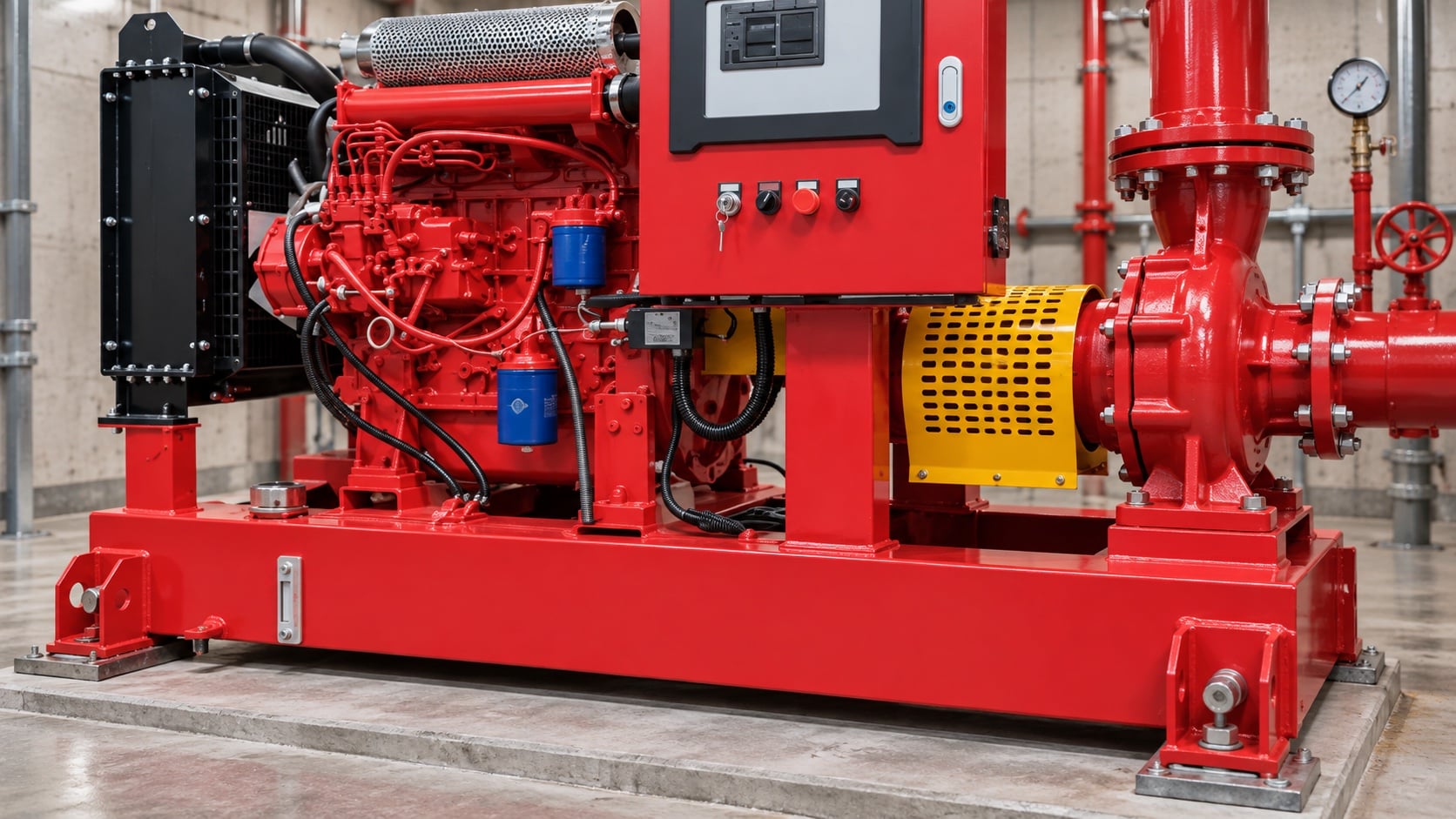
A distorted base, loose grout, corroded supports, or a foot that does not sit flat can move the shafts when bolts are tightened. Review this condition at normal, test, and credible abnormal states before procurement. Identify the source of every input, the unit used, the operating condition it represents, and the person responsible for approval. If information is preliminary, mark the assumption and test how the decision changes at a conservative boundary. This prevents a neat calculation from hiding an uncertain water level, pressure, valve position, driver condition, or simultaneous demand.
For fire pump alignment, verify this section against the selected pump curve, the actual site arrangement, manufacturer instructions, and the current requirements accepted by the authority having jurisdiction. Check the installed condition as well as the drawing because pipe routes, elevations, supports, controls, and access often change during construction. Record the result in a form that can be repeated during commissioning and later inspection. Do not change a safety-critical setting or isolate fire protection without the approved impairment and restoration process.
Measure offset and angular error
Use the method approved for the coupling and accuracy required. Rotate shafts as allowed to distinguish true misalignment from runout or mounting error. The design team should turn this point into a traceable calculation or drawing note. Identify the source of every input, the unit used, the operating condition it represents, and the person responsible for approval. If information is preliminary, mark the assumption and test how the decision changes at a conservative boundary. This prevents a neat calculation from hiding an uncertain water level, pressure, valve position, driver condition, or simultaneous demand.
For fire pump alignment, verify this section against the selected pump curve, the actual site arrangement, manufacturer instructions, and the current requirements accepted by the authority having jurisdiction. Check the installed condition as well as the drawing because pipe routes, elevations, supports, controls, and access often change during construction. Record the result in a form that can be repeated during commissioning and later inspection. Do not change a safety-critical setting or isolate fire protection without the approved impairment and restoration process.
Tabel keputusan praktis
| Inspection item | What it reveals | Correct response |
|---|---|---|
| Coupling element | Wear, heat, cracking, or contamination | Find cause before replacement |
| Soft foot | Base or foot distortion | Correct support and remeasure |
| Offset alignment | Parallel shaft displacement | Move approved component accurately |
| Angular alignment | Shaft angle difference | Adjust shims or position |
| Pipe strain | External load on pump nozzle | Correct pipe supports and fit |
| Hot verification | Thermal movement and operating behavior | Compare with manufacturer target |
Remove pipe strain
Check whether suction or discharge piping moves the pump when flange bolts are loosened under a safe approved procedure. Correct supports and alignment rather than pulling pipe into place. Treat this as a system condition rather than an isolated component choice. Identify the source of every input, the unit used, the operating condition it represents, and the person responsible for approval. If information is preliminary, mark the assumption and test how the decision changes at a conservative boundary. This prevents a neat calculation from hiding an uncertain water level, pressure, valve position, driver condition, or simultaneous demand.
For fire pump alignment, verify this section against the selected pump curve, the actual site arrangement, manufacturer instructions, and the current requirements accepted by the authority having jurisdiction. Check the installed condition as well as the drawing because pipe routes, elevations, supports, controls, and access often change during construction. Record the result in a form that can be repeated during commissioning and later inspection. Do not change a safety-critical setting or isolate fire protection without the approved impairment and restoration process.
Account for thermal movement
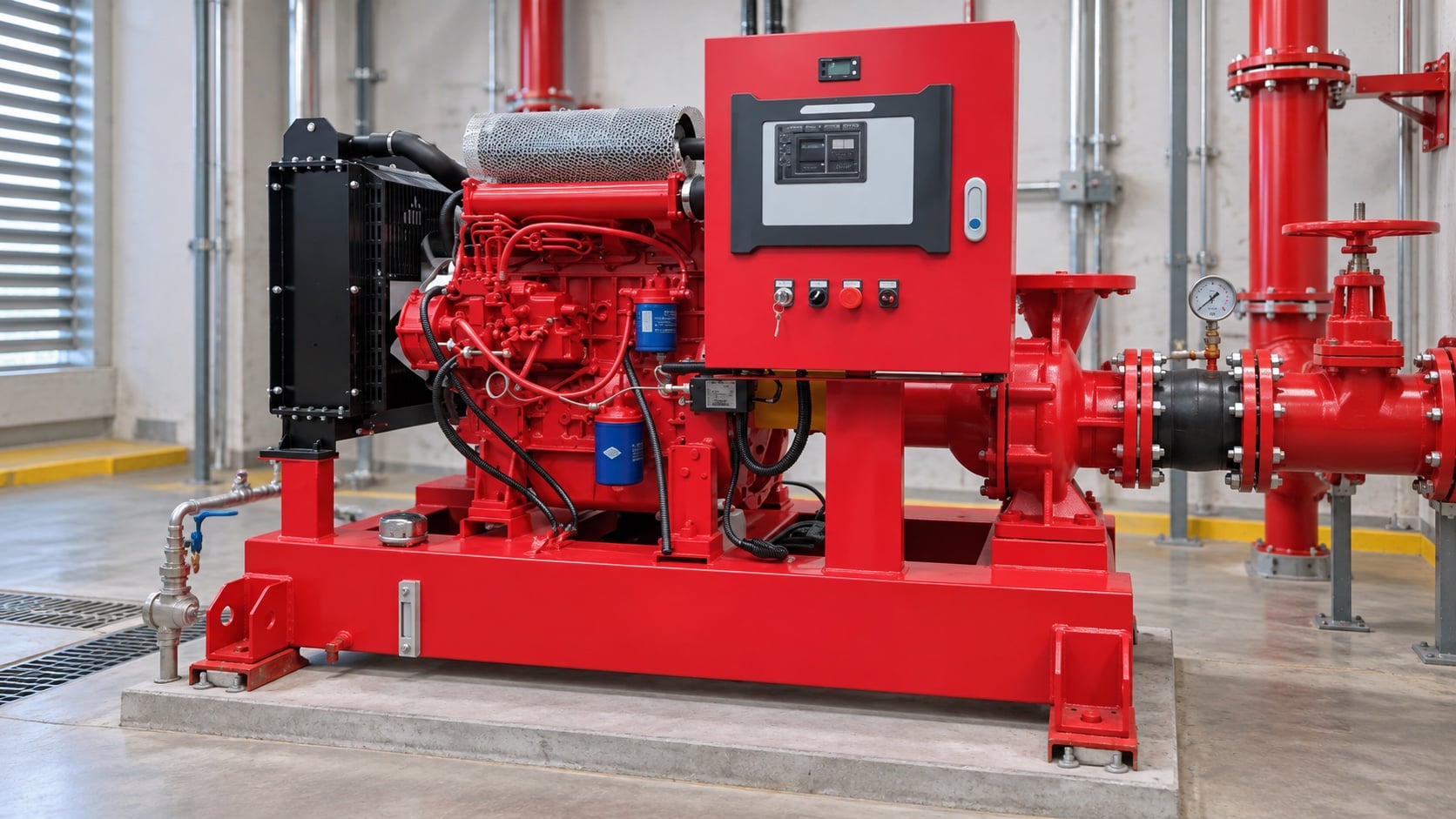
Diesel engines, motors, pumps, and bases can move as temperature changes. Use manufacturer targets where cold alignment must anticipate hot operation. The most useful evidence is measured or approved project data, not a copied rule of thumb. Identify the source of every input, the unit used, the operating condition it represents, and the person responsible for approval. If information is preliminary, mark the assumption and test how the decision changes at a conservative boundary. This prevents a neat calculation from hiding an uncertain water level, pressure, valve position, driver condition, or simultaneous demand.
For fire pump alignment, verify this section against the selected pump curve, the actual site arrangement, manufacturer instructions, and the current requirements accepted by the authority having jurisdiction. Check the installed condition as well as the drawing because pipe routes, elevations, supports, controls, and access often change during construction. Record the result in a form that can be repeated during commissioning and later inspection. Do not change a safety-critical setting or isolate fire protection without the approved impairment and restoration process.
Reassemble and guard
Tighten in a controlled sequence, verify coupling gap where applicable, reinstall the correct guard, and confirm nothing rubs. Review this condition at normal, test, and credible abnormal states before procurement. Identify the source of every input, the unit used, the operating condition it represents, and the person responsible for approval. If information is preliminary, mark the assumption and test how the decision changes at a conservative boundary. This prevents a neat calculation from hiding an uncertain water level, pressure, valve position, driver condition, or simultaneous demand.
For fire pump alignment, verify this section against the selected pump curve, the actual site arrangement, manufacturer instructions, and the current requirements accepted by the authority having jurisdiction. Check the installed condition as well as the drawing because pipe routes, elevations, supports, controls, and access often change during construction. Record the result in a form that can be repeated during commissioning and later inspection. Do not change a safety-critical setting or isolate fire protection without the approved impairment and restoration process.
Verify during operation
Record vibration, bearing temperature, leakage, noise, speed, and performance after startup. Recheck alignment if the base or piping was changed. The design team should turn this point into a traceable calculation or drawing note. Identify the source of every input, the unit used, the operating condition it represents, and the person responsible for approval. If information is preliminary, mark the assumption and test how the decision changes at a conservative boundary. This prevents a neat calculation from hiding an uncertain water level, pressure, valve position, driver condition, or simultaneous demand.
For fire pump alignment, verify this section against the selected pump curve, the actual site arrangement, manufacturer instructions, and the current requirements accepted by the authority having jurisdiction. Check the installed condition as well as the drawing because pipe routes, elevations, supports, controls, and access often change during construction. Record the result in a form that can be repeated during commissioning and later inspection. Do not change a safety-critical setting or isolate fire protection without the approved impairment and restoration process.
Bagaimana ini terkait dengan peralatan BORRAPUMP
BORRAPUMP memasok peralatan pompa rekayasa untuk proyek-proyek air dan proteksi kebakaran. Tinjau yang relevan Konfigurasi produk BORRAPUMP sebagai titik awal, lalu serahkan aliran, tinggi tekan, sumber air, penggerak, daya, kontrol, kondisi lokasi, persyaratan yang berlaku, jumlah, dan tujuan yang diperlukan. Pemilihan akhir harus menggunakan dasar hidrolik proyek dan submittal yang disetujui; panduan ini tidak mengklaim bahwa satu susunan katalog cocok untuk setiap yurisdiksi atau risiko.
Panduan BORRAPUMP terkait
- Dasar-dasar desain sistem pompa pemadam kebakaran
- pemilihan pompa pemadam kebakaran
- pompa pemadam kebakaran diesel versus elektrik
Referensi otoritatif
Sumber-sumber berikut menetapkan batas standar, konteks keselamatan kebakaran, dan prinsip sistem pompa yang digunakan dalam panduan ini. Selalu terapkan edisi dan adopsi lokal yang disetujui untuk proyek tersebut.
- Halaman pengembangan standar NFPA 25
- Halaman pengembangan standar NFPA 20
- Sumber daya sistem pompa Departemen Energi AS
Video edukasi
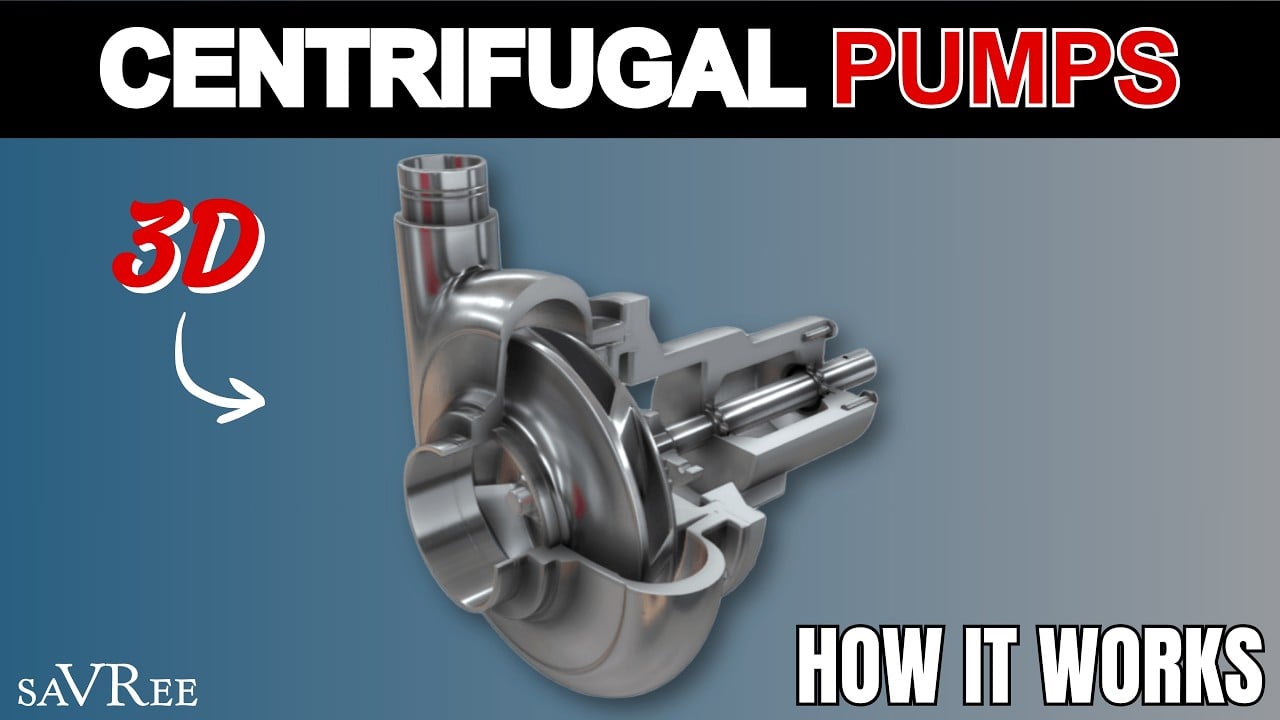
Educational background by saVRee: Cara Kerja Pompa Sentrifugal. Video tersebut mendukung konsep teknik yang mendasar dan tidak menggantikan persyaratan perlindungan kebakaran khusus proyek.
Pertanyaan yang sering diajukan
Dapatkah kopling fleksibel mentoleransi ketidaksejajaran yang buruk?
Ini mengakomodasi pergerakan terbatas, tetapi tidak menghilangkan kebutuhan akan kelurusan dalam batas produsen.
Haruskah baut pipa menarik flensa ke posisinya?
Tidak. Pemipaan harus ditopang dan disejajarkan secara mandiri tanpa memaksakan nosel pompa.
Bisakah kelurusan diperiksa saat pompa sedang menyala?
Pengukuran penyelarasan poros biasanya memerlukan isolasi yang aman. Pemeriksaan operasional seperti getaran bersifat terpisah.
Why recheck after tightening?
Bolt loads and soft foot can move the equipment and change the measured result.
Daftar periksa verifikasi akhir
Sebelum persetujuan, konfirmasikan basis hidrolik, kondisi sumber air, kurva pompa yang dipilih, data penggerak dan pengontrol, peringkat tekanan komponen, susunan katup, metode pengujian, akses, drainase, alarm, dan prosedur pemulihan. Selesaikan perbedaan antara gambar kerja dan sistem yang terpasang. Selama pengujian (commissioning), gunakan instrumen yang dikalibrasi dan catat tekanan isap, tekanan buang, aliran, kecepatan, kondisi penggerak, alarm, dan pengamatan tidak normal pada setiap titik yang diperlukan. Simpan hasil yang diterima bersama catatan ruang pompa sehingga pemeriksaan selanjutnya dapat membandingkan hal yang setara.