
Pump impeller hub bore inspection evaluates the internal surface that mates with the shaft or specified mounting element. Identify the mounting arrangement, preserve the impeller’s position and contact evidence, then measure the bore and its mating part against approved requirements. Examine scoring, corrosion, cracks and local deformation without assuming that every visible mark requires machining. The inspection should produce an actual dimensional record and a clear repair decision. A hub that slides onto a shaft, or an impeller that can be tightened in place, has not automatically passed inspection.
This guide focuses on the hub-to-shaft interface. It complements impeller vane examination, balancing and shaft inspection without replacing those separate tasks. All fits, limits and assembly methods depend on the actual equipment documents.
Identify how the impeller is mounted
Obtain the sectional drawing and parts list before choosing measurement locations. Identify whether the supplied assembly uses a cylindrical bore, taper, sleeve, collet or another mounting arrangement. Establish the role of keys, shoulders, spacers and retaining components. Do not transfer the procedure for one arrangement to another because both components are described as centrifugal-pump impellers.
Record the impeller item number, stage position, direction and matching shaft identity. Preserve any original orientation marks without introducing damage. If multiple impellers are removed, label and store them separately. Mixing parts between stages or shafts can destroy evidence of fit and complicate the assessment of contact patterns. A repair shop needs the component relationship as well as the individual part numbers.
Define the inspection boundary
The hub bore provides a mating interface, while vanes, wear-ring surfaces and shrouds have different functions. Inspect each according to its own requirement. A sound hydraulic surface cannot establish that the bore fits correctly. Conversely, a satisfactory bore does not release an impeller with unresolved cracking, erosion or imbalance.
O EPRI pump refurbishment specification includes impeller bore measurement and the relationship of other machined features to that bore. It concerns a particular pump configuration. Its numerical acceptance values are not transferable to BORRAPUMP products. Use it as an example of specifying the required checks, and obtain the actual unit’s approved dimensions before making an acceptance decision.
Preserve the paired contact evidence
Isolate and dismantle the equipment under the approved maintenance procedure. Support the impeller and use the specified removal tooling. Avoid striking the hub, levering against hydraulic surfaces or applying uncontrolled heat. If removal becomes difficult, stop and establish the cause rather than forcing the part off and creating fresh scoring.
Before cleaning, photograph the bore entrances, accessible internal surface and mating shaft area. Record debris, deposits, polished patches and any unusual extraction resistance. Keep the key and retaining parts with the correct impeller. Clearly label marks introduced during removal. This makes it easier to distinguish original service damage from handling damage during later review.
Clean and examine without changing the fit
Choose cleaning materials that suit the impeller alloy, contamination and site requirements. Remove loose deposits while protecting the original surface. Uncontrolled abrasive cleaning can enlarge the bore or round a locating edge. A shiny surface is not a useful result if the inspection has removed the evidence needed to explain the problem.
Use adequate lighting and an appropriate viewing method to examine the full seating length. Record corrosion, scoring, embedded material and damage around the keyway or retaining features where present. Surface appearance alone does not establish crack depth or material soundness. Where the repair specification requires nondestructive examination, use qualified personnel, an approved method and documented interpretation criteria.
Measure the bore and the mating shaft
Establish axial stations and directional references before taking readings. Record where the measuring contacts sit relative to chamfers, reliefs and damaged areas. Use instruments capable of reaching the relevant contact surface and resolving the specified requirement. Verify the instrument setting and repeat suspect readings after checking cleanliness and setup stability.
Measure the mating shaft or sleeve at corresponding locations. Keep the individual dimensions in the report rather than recording only a calculated clearance. For a cylindrical interface, dimensional difference can describe clearance or interference when both measurements refer to the same specified fit. A tapered or otherwise specialized mounting requires the procedure defined for that arrangement, not a simple subtraction of unrelated diameters.
Use a hub-specific inspection sheet
The table below organizes evidence for a repair review. It does not prescribe tolerances. The documento de inspeção de bombas OISD provides a broader component-inspection context, while the EPRI specification illustrates equipment-specific dimensional requirements. Confirm the current drawings and authorized repair scope for the actual assembly.
| Item | Registar | Propósito |
|---|---|---|
| Mounting arrangement | Drawing revision, impeller and shaft identities | Selects the correct inspection and assembly method |
| Bore condition | Photographs and mapped surface findings | Preserves evidence of local contact and damage |
| Bore dimensions | Axial stations, directions and actual values | Evaluates size and sampled variation |
| Mating shaft or sleeve | Corresponding dimensions and surface findings | Establishes the condition of both sides of the interface |
| Locating and retention features | Shoulder, key and retaining-part observations | Checks how the impeller is positioned and secured |
| Verificação final | Approved criteria, repaired values and assembly checks | Supports a documented release decision |
Separate bore size from geometric relationships
The bore diameter is only one characteristic of the component. The drawing may also control the relationship between the bore axis, hub face and wear-ring or other machined surfaces. A component can meet its diameter requirement while those relationships remain unacceptable. Determine which features require geometric verification and identify their datums explicitly.
cURL Too many subrequests by single Worker invocation. To configure this limit, refer to https://developers.cloudflare.com/workers/wrangler/configuration/#limits.
cURL Too many subrequests by single Worker invocation. To configure this limit, refer to https://developers.cloudflare.com/workers/wrangler/configuration/#limits
cURL Too many subrequests by single Worker invocation. To configure this limit, refer to https://developers.cloudflare.com/workers/wrangler/configuration/#limits.
cURL Too many subrequests by single Worker invocation. To configure this limit, refer to https://developers.cloudflare.com/workers/wrangler/configuration/#limits.
cURL Too many subrequests by single Worker invocation. To configure this limit, refer to https://developers.cloudflare.com/workers/wrangler/configuration/#limits
cURL Too many subrequests by single Worker invocation. To configure this limit, refer to https://developers.cloudflare.com/workers/wrangler/configuration/#limits.
Record seating and any required final geometric or axial checks before closing the pump. Preserve the measured values, drawing references and repair approvals in the equipment record. Controlled commissioning should follow the unit’s procedure and monitor the specified operating indicators. A short successful test cannot replace the missing inspection record of an inaccessible interface.
Preparar um pedido de informações sobre peças ou reparações
Provide the pump model and serial number, impeller item number, stage location, mounting drawing, photographs and bore-and-shaft measurement sheet. State whether the request concerns a replacement impeller, repair assessment or the complete rotating assembly. Identify missing documents before requesting a tolerance or approving a substitute component.
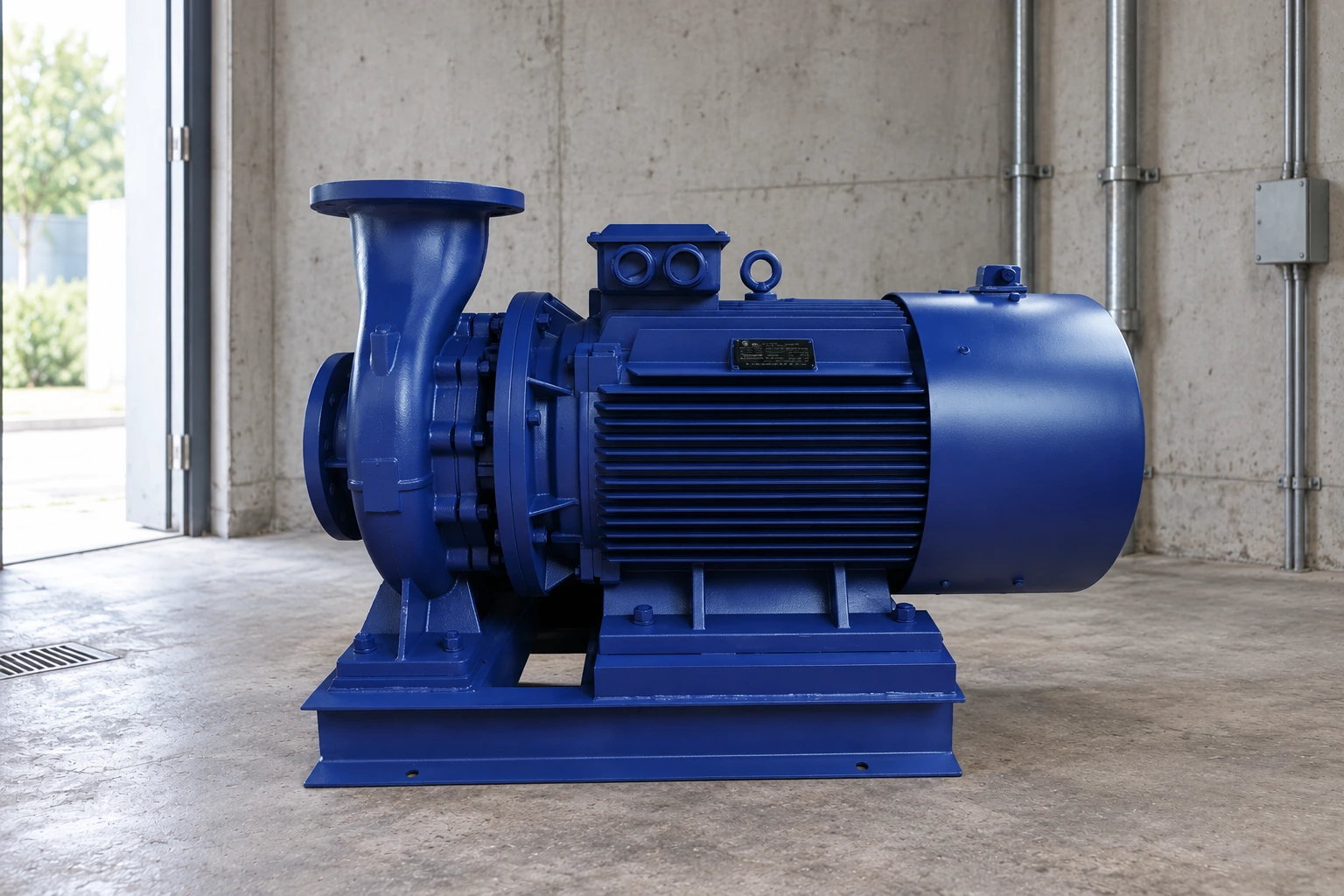
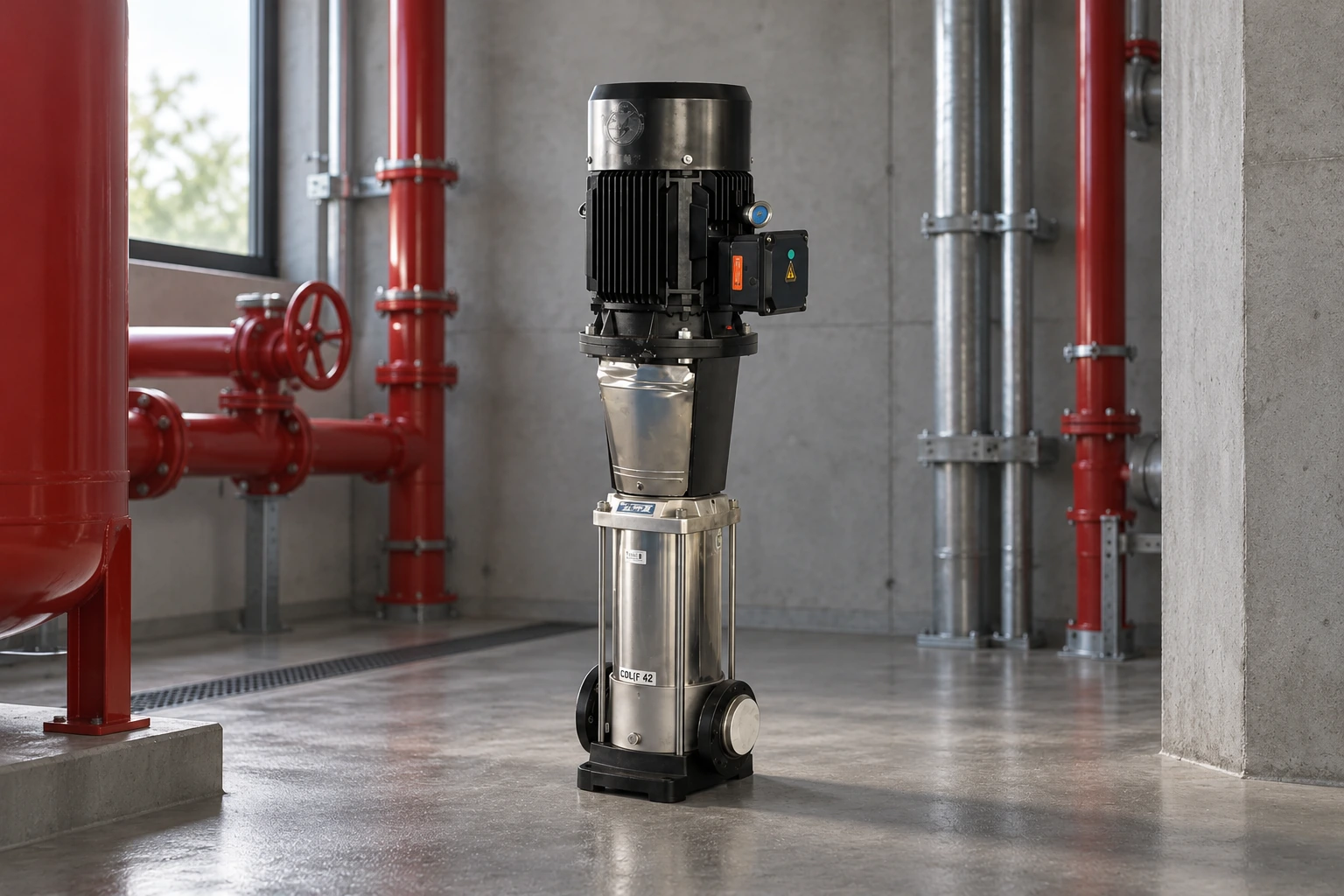
O Bombas centrífugas de água limpa da IS is a relevant starting point for clean-water applications; the supplied unit’s documents establish its internal arrangement. Use inspeção da ranhura do eixo for the keyed interface, equilíbrio do rotor for mass-distribution checks, and impeller vane crack inspection for the separate hydraulic-component examination. Product images illustrate pump families rather than proving internal details.
Further learning: interpreting fits
The NPTEL video below explains limits, fits and tolerances. It helps readers understand why the mating dimensions and their permitted variation must be considered together. It does not provide an impeller assembly procedure or a permissible fit for a specific pump.

Perguntas frequentes
Can a bore be accepted because it slides onto the shaft?
No. Hand fit is an observation, not an acceptance criterion. Verify the arrangement, actual dimensions and any required geometric relationships against the approved documentation.
Should the shaft be measured as well as the impeller?
Yes. The interface depends on both mating surfaces. Preserve their individual dimensions and conditions so the reviewer can identify which component requires attention.
Does balancing correct a damaged hub bore?
No. Balancing addresses mass distribution under the specified procedure. It does not restore bore size, locating geometry or the mating surface condition.
Can a repair shop use a tolerance from a similar impeller?
Only an authorized specification for the actual assembly can establish acceptance. Similar appearance does not demonstrate the same mounting design, materials or operating requirements.
What should be retained after an impeller is replaced?
Keep the identity, photographs, measured values, examination reports and replacement verification. These records support later review even if the original component is no longer available.