
Size diesel fire pump starting batteries from the exact engine and listed controller requirements, including system voltage, battery type, cold-cranking performance at the design temperature, cable length and voltage drop, cranking sequence, charger compatibility, and environmental conditions. Do not substitute a generic amp-hour rule. The engine manufacturer and controller documentation define the minimum starting capability, while the installation must preserve independent, protected starting paths. Keep the calculation and acceptance record with the final project documents so future tests use the same basis.
Безопасность и область применения: Пожарные насосы и их приводы относятся к оборудованию жизнеобеспечения. Работы с гидравлическими, электрическими, дизельными компонентами, топливом, аккумуляторами, под давлением, с вращающимся оборудованием, а также испытания и устранение неисправностей должны выполняться в соответствии с действующим утвержденным проектом, инструкциями производителя, применимыми стандартами и требованиями уполномоченного органа. Данное руководство описывает алгоритм принятия инженерных решений и не дает разрешения на внесение изменений на месте, обход защитных систем или эксплуатацию неквалифицированным персоналом.
Start with engine cranking requirements
Obtain system voltage, required cranking current, minimum terminal voltage, cranking duration, and temperature basis from the selected engine package. Treat this as a system condition rather than an isolated component choice. Identify the source of every input, the unit used, the operating condition it represents, and the person responsible for approval. If information is preliminary, mark the assumption and test how the decision changes at a conservative boundary. This prevents a neat calculation from hiding an uncertain water level, pressure, valve position, driver condition, or simultaneous demand.
For diesel fire pump battery sizing, verify this section against the selected pump curve, the actual site arrangement, manufacturer instructions, and the current requirements accepted by the authority having jurisdiction. Check the installed condition as well as the drawing because pipe routes, elevations, supports, controls, and access often change during construction. Record the result in a form that can be repeated during commissioning and later inspection. Do not change a safety-critical setting or isolate fire protection without the approved impairment and restoration process.
Use the correct battery rating
Amp-hours describe stored capacity but do not alone prove starting performance. Check the rating method and cold-temperature cranking capability required by the package. The most useful evidence is measured or approved project data, not a copied rule of thumb. Identify the source of every input, the unit used, the operating condition it represents, and the person responsible for approval. If information is preliminary, mark the assumption and test how the decision changes at a conservative boundary. This prevents a neat calculation from hiding an uncertain water level, pressure, valve position, driver condition, or simultaneous demand.
For diesel fire pump battery sizing, verify this section against the selected pump curve, the actual site arrangement, manufacturer instructions, and the current requirements accepted by the authority having jurisdiction. Check the installed condition as well as the drawing because pipe routes, elevations, supports, controls, and access often change during construction. Record the result in a form that can be repeated during commissioning and later inspection. Do not change a safety-critical setting or isolate fire protection without the approved impairment and restoration process.
Coordinate two starting banks
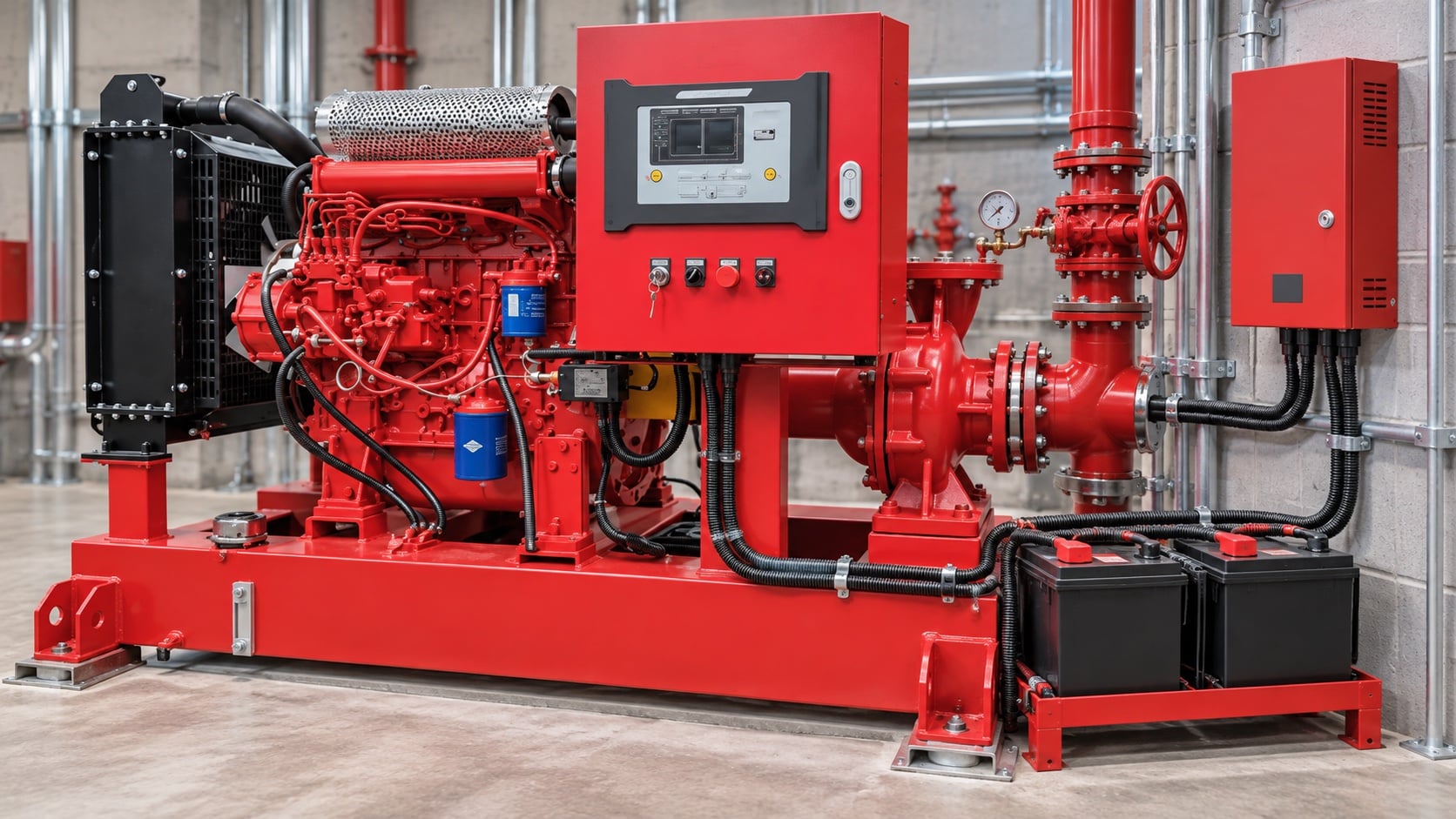
Where the listed arrangement uses two banks, keep cables, isolation, charging, and controller inputs consistent with the approved independent starting sequence. Review this condition at normal, test, and credible abnormal states before procurement. Identify the source of every input, the unit used, the operating condition it represents, and the person responsible for approval. If information is preliminary, mark the assumption and test how the decision changes at a conservative boundary. This prevents a neat calculation from hiding an uncertain water level, pressure, valve position, driver condition, or simultaneous demand.
For diesel fire pump battery sizing, verify this section against the selected pump curve, the actual site arrangement, manufacturer instructions, and the current requirements accepted by the authority having jurisdiction. Check the installed condition as well as the drawing because pipe routes, elevations, supports, controls, and access often change during construction. Record the result in a form that can be repeated during commissioning and later inspection. Do not change a safety-critical setting or isolate fire protection without the approved impairment and restoration process.
Calculate cable voltage drop
Use actual route length, conductor size, terminals, ambient temperature, and cranking current. Short, protected, correctly terminated cables support reliable starting. The design team should turn this point into a traceable calculation or drawing note. Identify the source of every input, the unit used, the operating condition it represents, and the person responsible for approval. If information is preliminary, mark the assumption and test how the decision changes at a conservative boundary. This prevents a neat calculation from hiding an uncertain water level, pressure, valve position, driver condition, or simultaneous demand.
For diesel fire pump battery sizing, verify this section against the selected pump curve, the actual site arrangement, manufacturer instructions, and the current requirements accepted by the authority having jurisdiction. Check the installed condition as well as the drawing because pipe routes, elevations, supports, controls, and access often change during construction. Record the result in a form that can be repeated during commissioning and later inspection. Do not change a safety-critical setting or isolate fire protection without the approved impairment and restoration process.
Практическая таблица решений
| Battery input | Why required | Доказательство |
|---|---|---|
| System voltage | Must match starter and controller | Данные комплекта двигателя |
| Cranking current and duration | Defines starting demand | Manufacturer requirement |
| Minimum temperature | Reduces available starting performance | Room design condition |
| Cable route and size | Controls terminal voltage drop | As-built cable schedule |
| Battery type | Must match charger and environment | Approved battery data |
| Test method | Tracks condition over time | Maintenance procedure |
Match the chargers
Confirm charger voltage, chemistry or battery type, capacity, supervision, alarms, and supply. An incompatible charger can undercharge or damage the battery. Treat this as a system condition rather than an isolated component choice. Identify the source of every input, the unit used, the operating condition it represents, and the person responsible for approval. If information is preliminary, mark the assumption and test how the decision changes at a conservative boundary. This prevents a neat calculation from hiding an uncertain water level, pressure, valve position, driver condition, or simultaneous demand.
For diesel fire pump battery sizing, verify this section against the selected pump curve, the actual site arrangement, manufacturer instructions, and the current requirements accepted by the authority having jurisdiction. Check the installed condition as well as the drawing because pipe routes, elevations, supports, controls, and access often change during construction. Record the result in a form that can be repeated during commissioning and later inspection. Do not change a safety-critical setting or isolate fire protection without the approved impairment and restoration process.
Control the environment
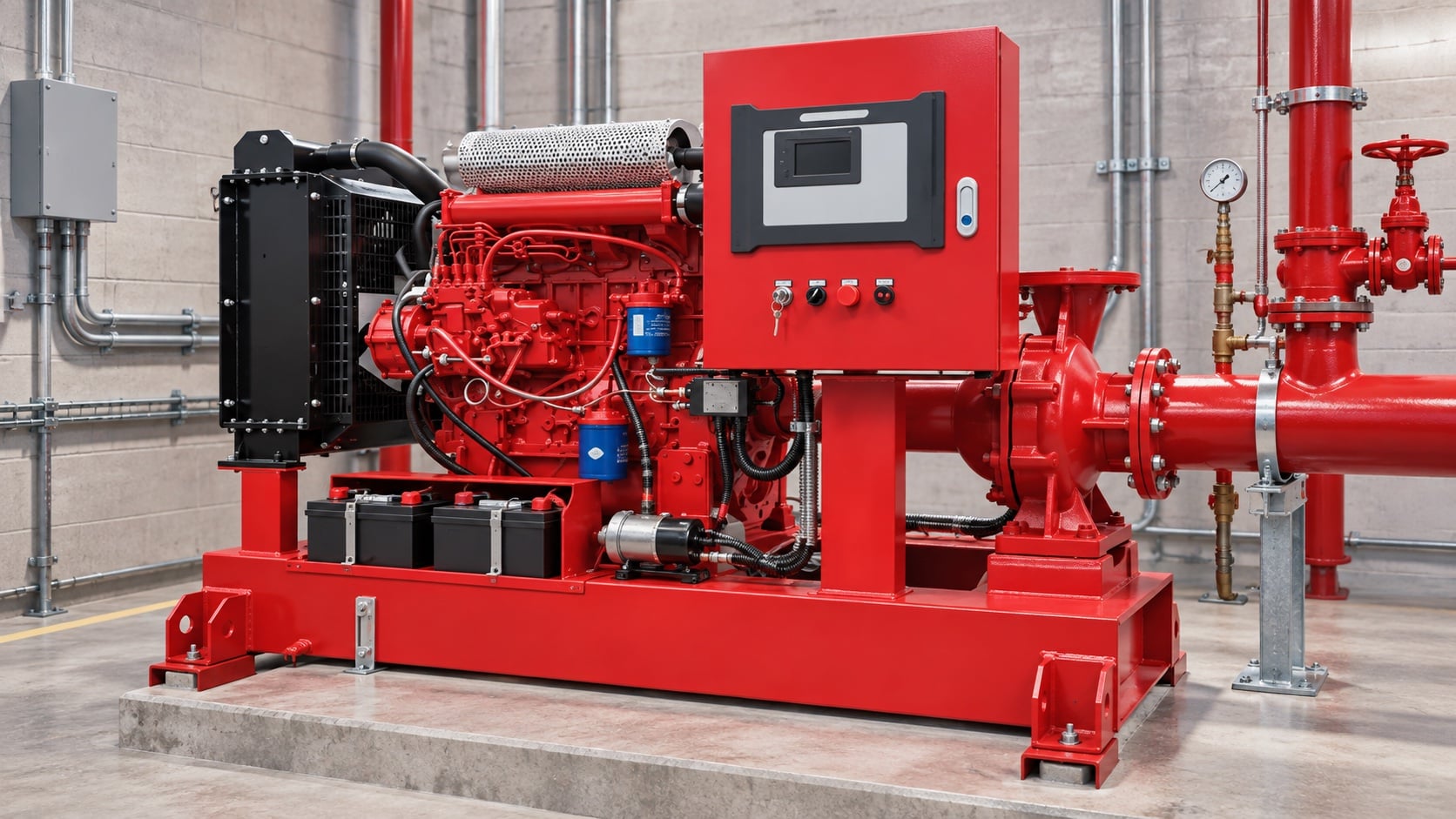
Provide ventilation, temperature protection, containment or trays where appropriate, access, terminal guards, and separation from heat, vibration, water, and fuel hazards. The most useful evidence is measured or approved project data, not a copied rule of thumb. Identify the source of every input, the unit used, the operating condition it represents, and the person responsible for approval. If information is preliminary, mark the assumption and test how the decision changes at a conservative boundary. This prevents a neat calculation from hiding an uncertain water level, pressure, valve position, driver condition, or simultaneous demand.
For diesel fire pump battery sizing, verify this section against the selected pump curve, the actual site arrangement, manufacturer instructions, and the current requirements accepted by the authority having jurisdiction. Check the installed condition as well as the drawing because pipe routes, elevations, supports, controls, and access often change during construction. Record the result in a form that can be repeated during commissioning and later inspection. Do not change a safety-critical setting or isolate fire protection without the approved impairment and restoration process.
Inspect and test condition
Check physical damage, corrosion, electrolyte where applicable, open-circuit and charging behavior, connections, and approved load or conductance tests. Review this condition at normal, test, and credible abnormal states before procurement. Identify the source of every input, the unit used, the operating condition it represents, and the person responsible for approval. If information is preliminary, mark the assumption and test how the decision changes at a conservative boundary. This prevents a neat calculation from hiding an uncertain water level, pressure, valve position, driver condition, or simultaneous demand.
For diesel fire pump battery sizing, verify this section against the selected pump curve, the actual site arrangement, manufacturer instructions, and the current requirements accepted by the authority having jurisdiction. Check the installed condition as well as the drawing because pipe routes, elevations, supports, controls, and access often change during construction. Record the result in a form that can be repeated during commissioning and later inspection. Do not change a safety-critical setting or isolate fire protection without the approved impairment and restoration process.
Document replacement and disposal
Record installation date, model, ratings, test results, charger settings, and replacement criteria. Recycle batteries through an approved route. The design team should turn this point into a traceable calculation or drawing note. Identify the source of every input, the unit used, the operating condition it represents, and the person responsible for approval. If information is preliminary, mark the assumption and test how the decision changes at a conservative boundary. This prevents a neat calculation from hiding an uncertain water level, pressure, valve position, driver condition, or simultaneous demand.
For diesel fire pump battery sizing, verify this section against the selected pump curve, the actual site arrangement, manufacturer instructions, and the current requirements accepted by the authority having jurisdiction. Check the installed condition as well as the drawing because pipe routes, elevations, supports, controls, and access often change during construction. Record the result in a form that can be repeated during commissioning and later inspection. Do not change a safety-critical setting or isolate fire protection without the approved impairment and restoration process.
Как это связано с оборудованием BORRAPUMP
BORRAPUMP поставляет насосное оборудование для проектов водоснабжения и пожаротушения. Ознакомьтесь с соответствующим Конфигурация продукта BORRAPUMP в качестве отправной точки, затем предоставьте требуемый расход, напор, источник воды, привод, мощность, средства управления, условия площадки, применимые требования, количество и пункт назначения. Окончательный выбор должен основываться на гидравлическом обосновании проекта и утвержденной проектной документации; данное руководство не утверждает, что одна каталожная компоновка подходит для любой юрисдикции или уровня риска.
Похожие руководства BORRAPUMP
- Руководство по приемочным испытаниям NFPA 20
- Руководство по инспекции и испытаниям NFPA 25
- jockey pump package guide
Авторитетные источники
Следующие источники определяют границы стандартов, контекст пожарной безопасности и принципы работы насосных систем, используемые в данном руководстве. Всегда применяйте редакцию и местные нормы, принятые для данного проекта.
- Страница разработки стандарта NFPA 20
- Ресурсы по насосным системам Министерства энергетики США
- Исследования Национального института стандартов и технологий (NIST) в области противопожарной защиты
Обучающее видео
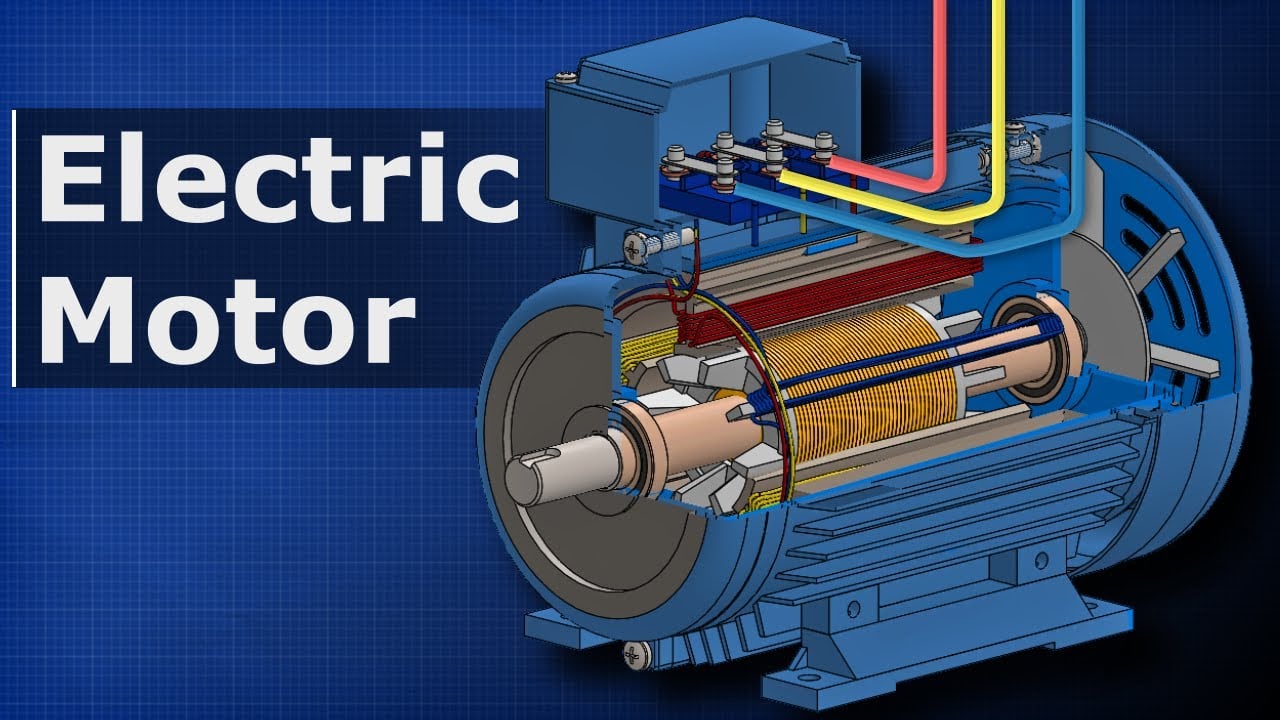
Образование от The Engineering Mindset: Как работают электродвигатели: Трехфазные асинхронные двигатели переменного тока. Видео поддерживает базовую инженерную концепцию и не заменяет проектно-специфические требования пожарной безопасности.
Часто задаваемые вопросы
Можно ли выбирать батареи только по ампер-часам?
Нет. Пусковой ток, напряжение при прокрутке, температура, падение напряжения на кабеле и требования к упаковке имеют важное значение.
Почему используются две аккумуляторные батареи?
Утвержденная система может обеспечивать независимые пусковые цепи, чтобы один разряженный аккумулятор не лишал возможности запуска всю систему.
Можно ли смешивать типы или возраст батареек?
Соблюдайте требования к двигателю и зарядному устройству. Их смешивание может привести к неравномерной зарядке и ненадежной работе.
Что должна фиксировать плановая проверка?
Запишите физическое состояние, клеммы, состояние зарядного устройства, напряжение, аварийные сигналы и результат утвержденного теста батареи.
Контрольный список финальной проверки
Перед утверждением подтвердите гидравлическое обоснование, состояние источника воды, выбранную характеристику насоса, данные привода и контроллера, номинальные давления компонентов, компоновку арматуры, метод испытаний, доступ, дренаж, аварийную сигнализацию и процедуру восстановления. Устраните расхождения между чертежами и смонтированной системой. Во время пусконаладочных работ используйте откалиброванные приборы и фиксируйте давление на входе, давление на выходе, расход, частоту вращения, состояние привода, сигналы тревоги и отклонения в каждой требуемой точке. Храните принятые результаты вместе с документацией насосной станции, чтобы при последующих проверках можно было сопоставлять сопоставимые данные.