
A well pump's watt use cannot be determined from horsepower alone. Running input power depends on voltage, current, power factor, efficiency, motor load, pump operating point, and controls; starting demand can be several times the steady running current for a conventional motor. Read the nameplate and manufacturer data, then measure the installed system under qualified conditions. For generator, inverter, battery, or solar design, account for starting method, simultaneous loads, voltage dip, cable length, duty cycle, and the equipment supplier's surge rating.
This article is a practical diagnostic and procurement guide, not a substitute for the pump manufacturer's instructions, an approved system design, current electrical and plumbing rules, or qualified site service. Isolate energy and pressure before opening equipment. Well work, lifting, confined spaces, wastewater, wet electrical locations, and energized testing require competent personnel and task-specific controls.
Separate horsepower from electrical input
Horsepower on a pump or motor usually describes mechanical output or a nominal rating, not the exact electrical watts drawn from the source. Input must also cover motor losses and varies with load. For single-phase AC, a rough relationship uses voltage, current, and power factor; three-phase calculations also include the three-phase factor. Apparent power in volt-amperes matters to generators and inverters, while real power in watts matters to energy. Do not assume volts multiplied by amps is always the true running wattage for an AC motor.
Use nameplate and curve data together
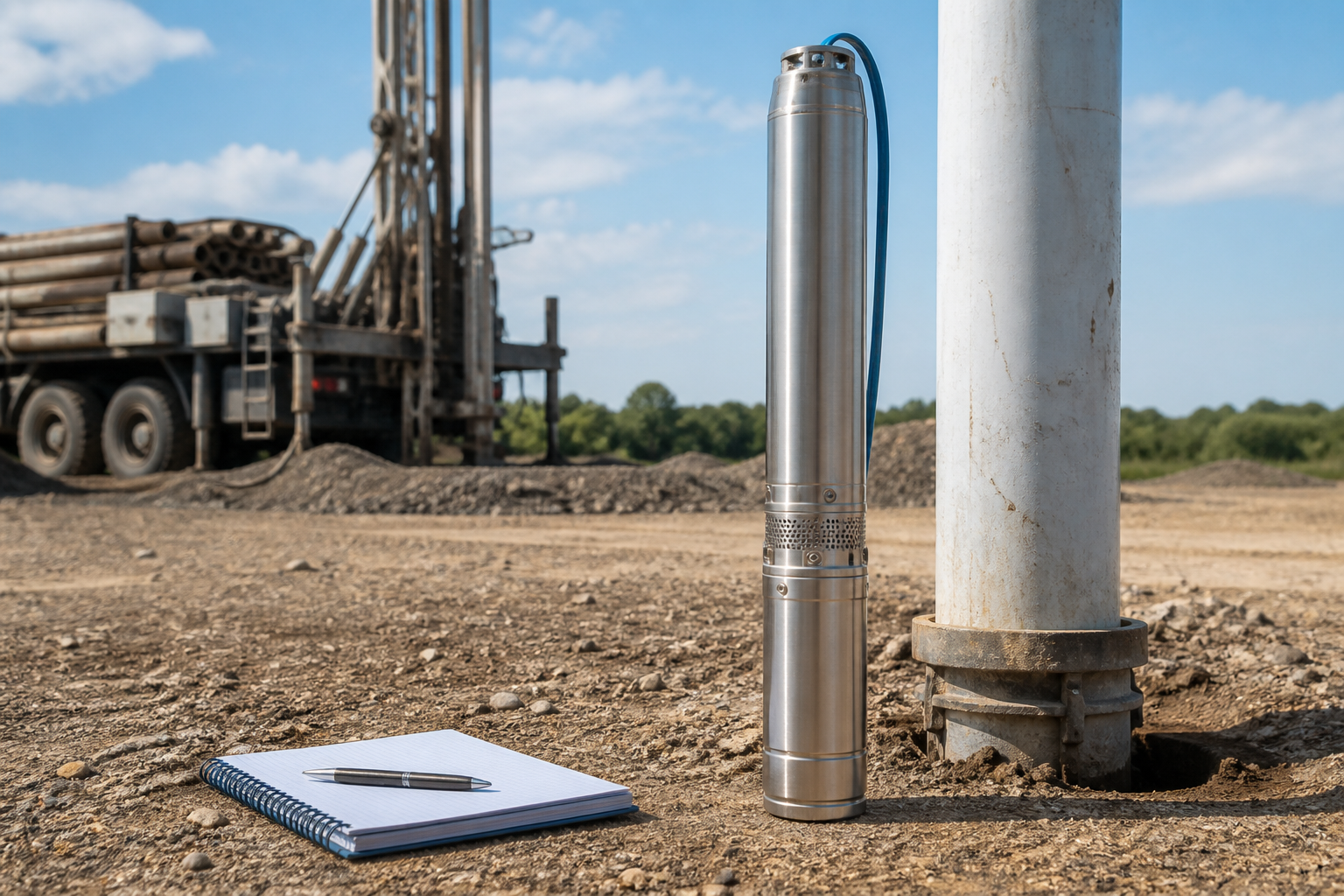
Record rated voltage, phase, frequency, full-load or service-factor current, horsepower, efficiency and power factor when given, duty, and permitted starting method. Then match the pump duty point on its curve and review absorbed power across the expected range. A partly closed valve does not create the same load change for every pump. Low water level raises head, while pipe changes alter system resistance. The motor and cable must remain within their approved limits at normal and worst credible operating points.
Understand starting load
Across-the-line motors draw a brief inrush current while accelerating. The magnitude and duration depend on motor design, supply impedance, pump load, voltage, cable, and starting method. A generator or inverter can have enough continuous watts yet still fail to start the pump because voltage collapses during inrush. Soft starters and variable-frequency drives change the starting profile but must be compatible with the motor, cable, protection, generator, and application. Use the equipment manufacturers' starting and surge data rather than a universal multiplier.
Таблица решений
| Quantity | Meaning | Использовать |
|---|---|---|
| Running watts | Real input power during stable operation | Energy and continuous source capacity |
| Volt-amperes | Voltage × current without power-factor correction | Generator/inverter loading |
| Starting current | Brief current while motor accelerates | Surge and voltage-dip check |
| Runtime | Hours operated in the period | Convert power into energy use |
Estimate energy from measured operation
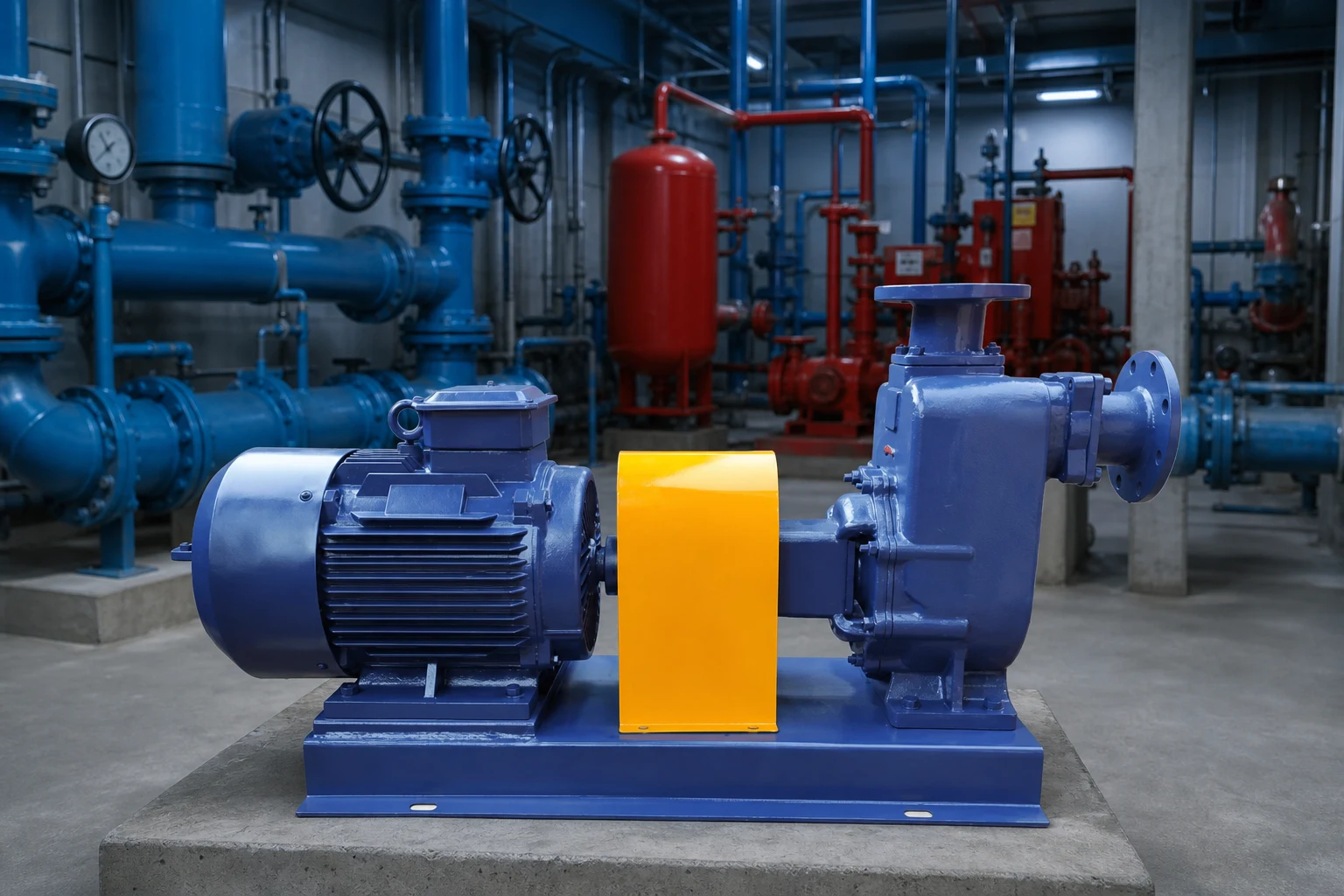
Energy is power multiplied by time. A pump drawing moderate power for many hours can use more energy than a larger pump that runs briefly. Record actual runtime or starts and representative measured input power. For cycling pressure systems, tank size, leakage, pressure range, and demand affect hours. For irrigation or storage filling, flow and total head determine how long the pump must operate. Compare energy only when delivered water and pressure are equivalent; reducing watts by under-pumping is not an efficiency improvement.
Size backup power as a system
List the pump's starting and running requirements plus every simultaneous load: controls, treatment equipment, heaters, lights, other motors, and essential building loads. Check generator voltage regulation, frequency response, phase, grounding and transfer arrangement; inverter waveform and surge duration; battery current and usable energy; cable voltage drop; and the pump controller's sensitivity to low voltage. A three-wire motor control box or variable-speed drive can add compatibility requirements. Have the generator, drive, and pump suppliers confirm the proposed combination.
Investigate unexpectedly high power

High current or power can indicate low or unbalanced voltage, mechanical drag, sand, incorrect pump setting, a hydraulic operating point that overloads the motor, wrong wiring, phase loss, excessive starts, or a failing motor. Low current can also be abnormal, including dry running or loss of load. Compare measured voltage, current on each conductor where applicable, flow, pressure, water level, and curve data. Do not diagnose from a household energy monitor alone if it cannot capture motor starting or the actual power factor.
System selection, evidence, and procurement record
A well-pump decision should begin with the well record rather than the nameplate on the failed unit. Record drilled depth, casing diameter, static water level, pumping water level at a stated test flow, recovery, water quality, pump setting, rising-main size, pressure setting, storage volume, supply voltage, and the present control sequence. The pumping level—not the bottom of the well—is the starting point for the lift calculation. Add discharge pressure and pipe losses to establish total dynamic head, then compare the expected operating range with a current certified curve. The sustainable yield of the well can be lower than the short-term demand of the building. Storage and controls may therefore be more important than selecting a larger pump.
Treat electrical and hydraulic evidence as one record. Pressure, flow, water level, voltage, running current, starting behavior, insulation condition, runtime, starts, and controller events help separate a pump fault from a dry or declining well, leaking pipe, failed check valve, waterlogged pressure tank, obstructed line, low voltage, or incorrect control setting. Measurements must be made with suitable instruments by people qualified for the work. Never open energized equipment, pull a submersible pump, or enter a well enclosure without the required isolation, lifting plan, sanitation controls, and site procedure.
For procurement, ask every supplier to quote the same boundary: pump and motor, cable, splice, rising main, check valves, wellhead fittings, pressure tank, sensors, controller, protection, installation, lifting, testing, documentation, commissioning, and disposal of removed equipment. Compare the complete installed scope rather than the pump price alone. Require dimensional data, materials, curve, absorbed power, motor data, minimum submergence, cooling requirements, permitted starts, controls, installation instructions, test records, spares, and warranty conditions. At commissioning, preserve baseline readings so future diagnosis can distinguish normal aging from a changed well or system.
Как эта тема связана с оборудованием BORRAPUMP
This guide supports early review of how many watts does a well pump use applications. It does not assign a final model. Send the liquid, flow range, total head, source and destination levels, solids, duty cycle, power, controls, site conditions, quantity, destination, and required approvals so equipment can be checked against the real service.
Связанные технические руководства BORRAPUMP
Авторитетные источники и дальнейшее изучение
U.S. Department of Energy motor systems; U.S. Department of Energy pump systems; OSHA electrical safety. These sources provide general engineering, water, environmental, or safety context; current local rules, approved designs, and equipment instructions remain controlling.
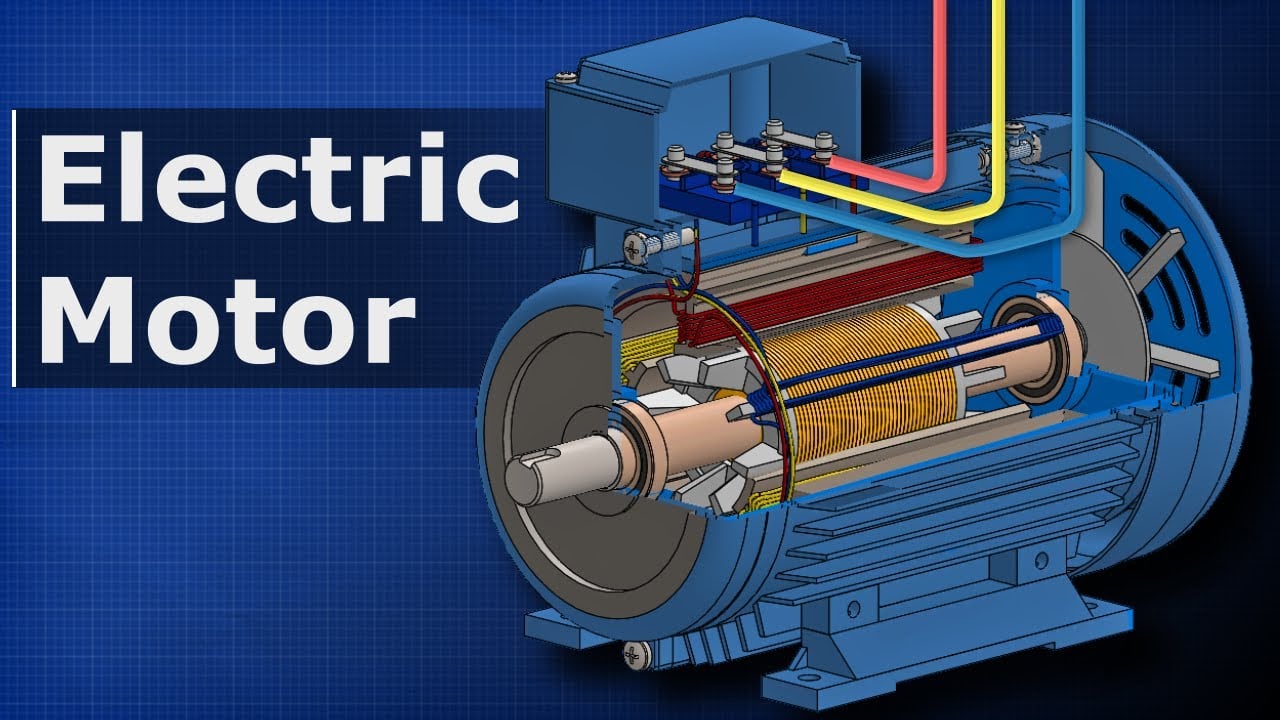
Educational video by The Engineering Mindset: How Electric Motors Work: Three-Phase AC Induction Motors.
Часто задаваемые вопросы
How do I convert well-pump amps to watts?
For AC motors, voltage and current are not enough for exact real power; phase, power factor, efficiency, and load matter.
Why is starting wattage higher?
A conventional motor draws inrush current while accelerating the pump and water column.
Can a generator run my well pump?
Only if voltage, phase, continuous load, starting surge, regulation, cable, controls, and other loads are compatible.
Does a larger horsepower always use more energy?
Not necessarily over time. Operating point, efficiency, delivered water, and runtime determine energy use.
Final checkpoint
Before changing equipment or settings, reconcile the actual duty and site conditions with the approved curve, drawings, materials, power, controls, protection, installation, testing, and maintenance access. Record remaining assumptions and assign responsibility for closing them. Preserve the final readings and documents as the baseline for future inspection.
A useful handover also states what was not tested, which assumptions still depend on site confirmation, and when the next inspection is due. Identify the person responsible for water-level, pressure, flow, electrical, alarm, and maintenance records. Keep photographs and instrument details with the results. If a later reading is taken at a different valve position, source level, speed, pressure setting, or demand, label that difference before comparing trends. This simple discipline prevents a normal operating change from being mistaken for damage and prevents real deterioration from being dismissed as normal variation. When safety, sanitation, water supply, or property damage is at stake, define the temporary protection and escalation route before returning the system to unattended service.
Use the first verified operating record as a baseline, then compare future checks under the closest practical conditions. Note weather, liquid level, demand, valve positions, speed, filter condition, and any temporary hose or bypass. Confirm that gauges and meters have an appropriate range and that readings are taken from the same locations. A change in one number should trigger a review of connected evidence rather than an immediate part replacement. If the pump, motor, control, tank, valve, pipe, or source is changed, update the drawing and selection record. This keeps maintenance decisions tied to the real system and gives suppliers enough context to evaluate a warranty question, replacement, or operating adjustment without starting the investigation from zero.