
The cost to replace a well pump is the complete installed project cost, not just the pump price. It changes with pump type, depth and setting, flow and head, well diameter, pipe and cable length, access, lifting equipment, controls, pressure tank, damaged piping, water treatment, permits, labor, testing, and emergency timing. A useful quote separates diagnosis, equipment, removal, installation, electrical and plumbing work, commissioning, disposal, and exclusions so two proposals can be compared on the same scope. The safest answer comes from the exact equipment data, the actual operating condition, and measurements taken with an approved procedure rather than a generic rule.
Эта статья представляет собой практическое руководство по диагностике и закупке и не заменяет инструкции производителя насоса, утвержденный проект системы, действующие правила электромонтажников и сантехников или квалифицированное обслуживание на месте. Перед вскрытием оборудования отключите подачу энергии и сбросьте давление. Работы с колодцами, подъемные работы, работа в замкнутых пространствах, со сточными водами, во влажных электроустановках и испытания под напряжением требуют наличия компетентного персонала и средств контроля, соответствующих конкретным задачам.
Start with diagnosis, not a replacement assumption
No-water and low-pressure complaints can come from the pressure switch, tank, control box, breaker, cable, check valve, underground leak, clogged screen, declining water level, or a dry well. Paying for an appropriate diagnosis may prevent an unnecessary pump pull. Ask the contractor to document voltage, current, pressure, tank behavior, water level when feasible, and the reasoning that identifies the failed component. If the pump must be pulled for confirmation, define how that labor is charged and whether it is credited toward replacement.
Pump depth and access drive labor
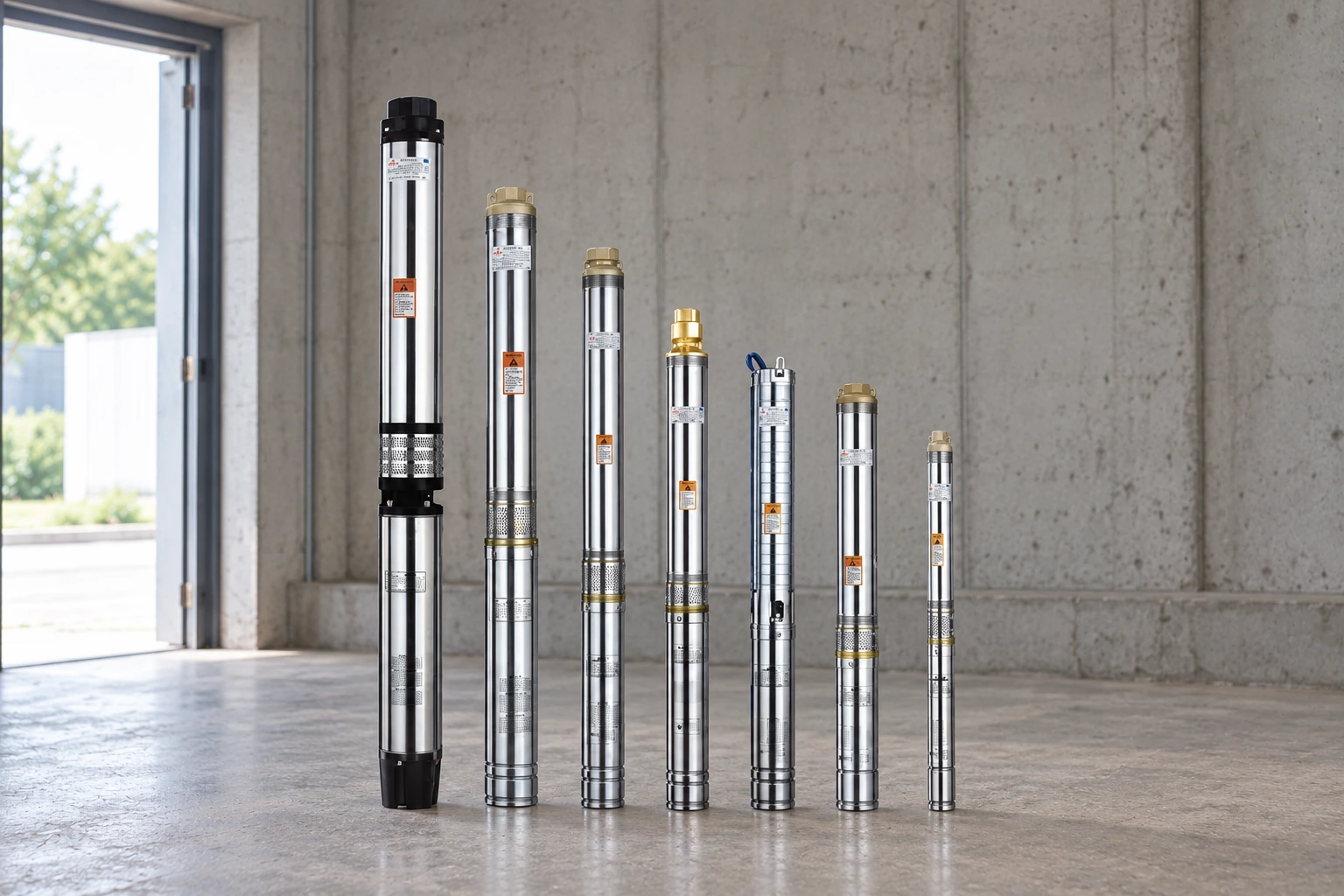
A deeper setting means more rising main and cable to handle, a longer lift, and greater equipment and crew requirements. Restricted vehicle access, landscaping, buildings, overhead lines, winter conditions, damaged well caps, corroded fittings, and uncertain construction can increase time and risk. Clarify whether a pulling rig can reach the well and who restores disturbed surfaces. The drilled depth is not always the installed pump depth, so use the well record or measured installation details. A quote should state the assumed setting and how a different discovered depth will be priced.
Equipment scope changes the price
Compare the pump and motor, materials, curve, power, cable, splice kit, rising main, torque arrestors or supports where applicable, check valves, pitless adapter or wellhead fittings, pressure tank, switch, controller, sensors, protection, isolation, gauges, and sanitary seals. Reusing aged pipe or cable may reduce the initial quote but create another outage. Replacing everything without condition evidence can also waste money. Ask which components will be inspected, what acceptance criteria apply, and how deviations are approved before work continues.
Таблица решений
| Quote item | Questions to ask | Why it changes cost |
|---|---|---|
| Diagnosis | What tests identify the failed item? | Avoids unnecessary pulling or replacement |
| Setting and access | Depth, pipe, cable, rig and site limits? | Defines labor and lifting |
| Граница оборудования | What is new, reused, tested or excluded? | Makes quotes comparable |
| Ввод в эксплуатацию | Which readings and documents are delivered? | Verifies value and performance |
Local work and approvals matter
Electrical changes may require a qualified electrician; plumbing, well, water-quality, or building requirements vary by jurisdiction. Permit, inspection, disinfection, sample testing, traffic control, excavation, disposal, and after-hours response can appear outside a headline pump price. Potable-water work needs sanitary handling of tools, pipe, and the wellhead. Ask whether taxes, travel, freight, crane or rig time, permit fees, laboratory fees, and return visits are included. The contractor should identify the rules that apply to the actual property rather than using a national assumption.
Compare quotes on lifecycle value
Normalize every proposal to the same duty point and supply boundary. A lower-cost pump that is poorly matched to head, cooling, or cycling can be expensive over its life. Compare expected operating range, motor efficiency, warranty conditions, local parts and service, control compatibility, dry-run protection, surge protection, and removal method. Request optional prices separately so useful risk reductions remain visible. Do not compare horsepower alone; two pumps with the same motor rating may have very different curves and installation needs.
Commissioning is part of replacement
The job is not complete when water first appears. Record static and pumping levels where available, stabilized flow, discharge pressure, pressure-switch cut-in and cut-out, tank operation, voltage, running current, startup behavior, leaks, check-valve closure, control and protection tests, and water clarity. Confirm the well cap and penetrations are sanitary and secure. Obtain model and serial data, curve, manuals, warranty, settings, and an itemized invoice. These records establish whether the replacement meets the quoted duty and make future diagnosis less expensive.
Выбор системы, подтверждающие материалы и закупочная документация
Выбор скважинного насоса следует начинать с паспорта скважины, а не с заводской таблички (шильдика) вышедшего из строя агрегата. В паспорт заносятся следующие данные: глубина бурения, диаметр обсадной колонны, статический уровень воды, динамический уровень воды при заданном испытательном расходе, скорость восстановления уровня, качество воды, глубина погружения насоса, диаметр водоподъемной колонны, настройки реле давления, объем гидроаккумулятора, напряжение питания и текущая схема управления. Динамический уровень воды (а не дно скважины) является отправной точкой для расчета высоты подъема. Для определения общего напорного напора (TDH) добавьте давление на нагнетании и потери в трубопроводе, а затем сопоставьте ожидаемый рабочий диапазон с актуальной сертифицированной напорной характеристикой. Допустимый дебит скважины может быть ниже кратковременного водопотребления здания. В связи с этим наличие накопительной емкости и системы управления может оказаться более важным, чем выбор более мощного насоса.
Рассматривайте электрические и гидравлические данные как единую запись. Давление, расход, уровень воды, напряжение, рабочий ток, пусковые характеристики, состояние изоляции, время работы, количество пусков и события контроллера помогают отличить неисправность насоса от осушения или истощения скважины, утечки в трубопроводе, выхода из строя обратного клапана, перенасыщения гидроаккумулятора водой, засорения линии, низкого напряжения или неверной настройки управления. Измерения должны выполняться с помощью подходящих приборов лицами, имеющими квалификацию для выполнения таких работ. Никогда не открывайте находящееся под напряжением оборудование, не извлекайте погружной насос и не входите в помещение скважины без надлежащего отключения, плана подъема, мер санитарного контроля и соблюдения процедур на объекте.
Для закупок попросите каждого поставщика рассчитать стоимость единого объема поставки: насос и электродвигатель, кабель, муфта, водоподъемная колонна, обратные клапаны, устьевое оборудование, гидроаккумулятор, датчики, контроллер, защита, монтаж, подъемно-транспортные работы, испытания, документация, пусконаладочные работы и утилизация демонтированного оборудования. Сравнивайте полный объем поставки с учетом монтажа, а не только цену насоса. Требуйте предоставления габаритных чертежей, материалов, характеристики, потребляемой мощности, данных электродвигателя, минимальной глубины погружения, требований к охлаждению, допустимого количества пусков, элементов управления, инструкций по монтажу, протоколов испытаний, ЗИП и условий гарантии. При пусконаладке зафиксируйте базовые показатели, чтобы в дальнейшем можно было отличить естественный износ от изменений в скважине или системе.
Как эта тема связана с оборудованием BORRAPUMP
Это руководство способствует раннему рассмотрению how much does it cost to replace a well pump приложений. Она не назначает окончательную модель. Отправьте данные о жидкости, диапазоне расхода, общем напоре, уровнях источника и назначения, содержании твердых частиц, рабочем цикле, мощности, средствах управления, условиях на объекте, количестве, пункте назначения и требуемых согласованиях, чтобы оборудование можно было проверить на соответствие реальным условиям эксплуатации.
Связанные технические руководства BORRAPUMP
Авторитетные источники и дальнейшее изучение
Частные колодцы с питьевой водой Агентства по охране окружающей среды США; Основы грунтовых вод Геологической службы США; Контроль опасной энергии со стороны OSHA. Эти источники содержат общие инженерные, водные, экологические или защитные сведения; действующие местные правила, утвержденные проекты и инструкции к оборудованию остаются приоритетными.
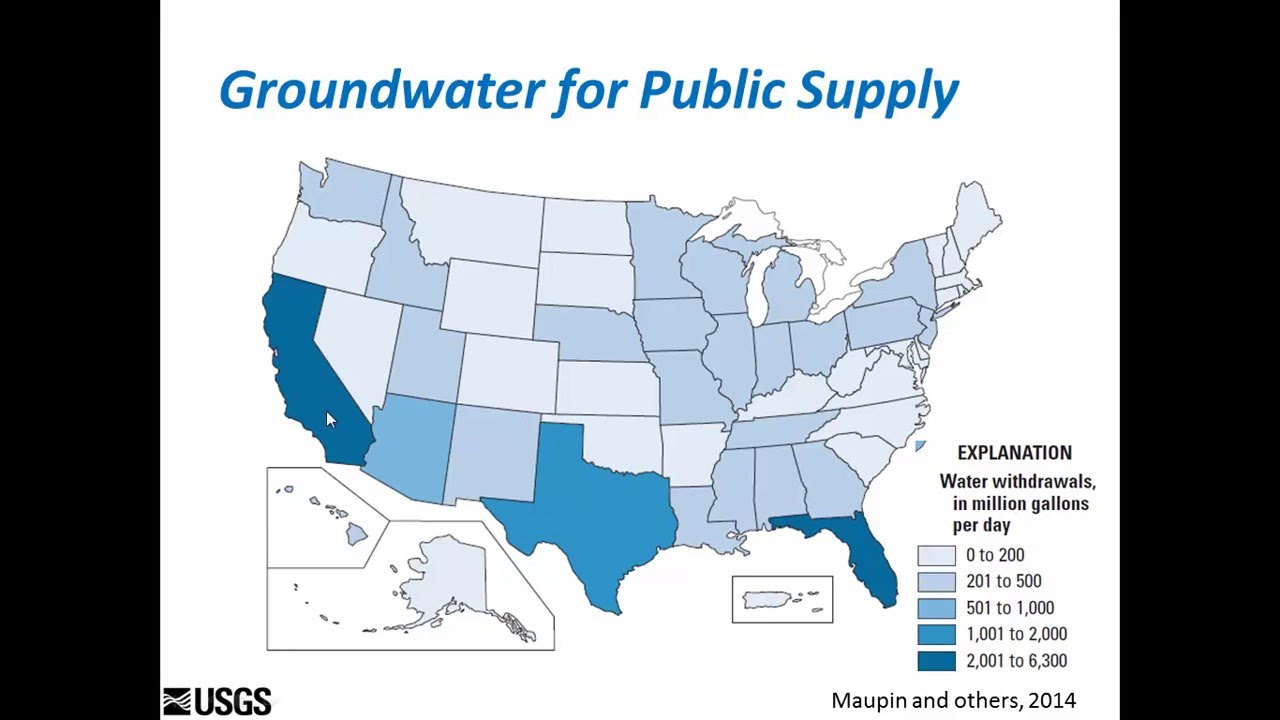
Обучающее видео Музея Министерства внутренних дел США: Подземные воды: Раскрытие тайны невидимого ресурса.
Часто задаваемые вопросы
Why do well-pump replacement quotes vary so much?
Depth, access, equipment scope, controls, pipe, cable, local labor, approvals, testing, and emergency timing differ.
Should I replace the pressure tank too?
Only after its condition, sizing, precharge, cycling, and compatibility are assessed.
Can I compare quotes by horsepower?
No. Compare duty point, curve, materials, complete scope, controls, testing, and exclusions.
What should I receive after replacement?
Model data, curve, manuals, settings, test readings, warranty information, and an itemized final scope.
Последняя контрольная точка
Перед изменением оборудования или параметров согласуйте фактический режим работы и условия на объекте с утвержденной характеристикой, чертежами, материалами, электропитанием, средствами управления, защитой, монтажом, испытаниями и доступом для технического обслуживания. Зафиксируйте оставшиеся допущения и назначьте ответственных за их закрытие. Сохраните конечные показания и документы в качестве исходных данных для будущих проверок.
Полезная передача дел также указывает, что не было протестировано, какие предположения по-прежнему зависят от подтверждения на объекте и когда назначена следующая проверка. Определите лицо, ответственное за учет уровня воды, давления, расхода, электрических параметров, сигналов тревоги и технического обслуживания. Храните фотографии и сведения об инструментах вместе с результатами. Если последующее снятие показаний выполняется при другом положении клапана, уровне источника, скорости, настройке давления или водоразборе, отметьте это различие перед сравнением тенденций. Эта простая дисциплина предотвращает ошибку, при которой нормальное изменение режима работы принимается за повреждение, и не позволяет списать реальное ухудшение состояния на обычные колебания. Если на карту поставлены безопасность, санитария, водоснабжение или ущерб имуществу, определите временную защиту и порядок эскалации до возвращения системы в режим работы без присмотра.
Используйте первую проверенную рабочую запись в качестве базовой линии, а затем сравнивайте будущие проверки в максимально близких практических условиях. Фиксируйте погоду, уровень жидкости, нагрузку, положение клапанов, скорость, состояние фильтра и наличие любых временных шлангов или байпасов. Убедитесь, что манометры и измерительные приборы имеют подходящий диапазон и что показания снимаются в одних и тех же точках. Изменение одного показателя должно вызывать необходимость анализа связанных данных, а не немедленную замену деталей. Если насос, электродвигатель, система управления, резервуар, клапан, трубопровод или источник заменяются, обновите чертеж и учетную карту выбора оборудования. Это позволяет принимать решения по техническому обслуживанию на основе реальной системы и дает поставщикам достаточно контекста для оценки гарантийного случая, замены или регулировки режима работы без необходимости начинать расследование с нуля.